Inside
Inside Süleymaniye: Sinan's Calm Masterpiece
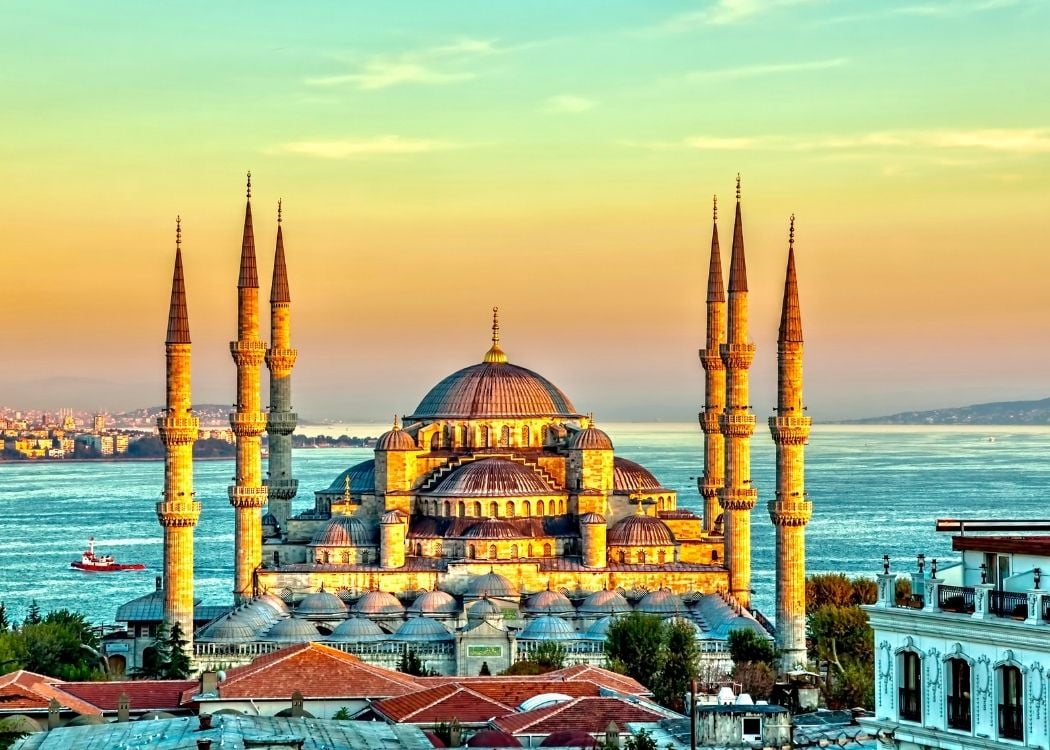
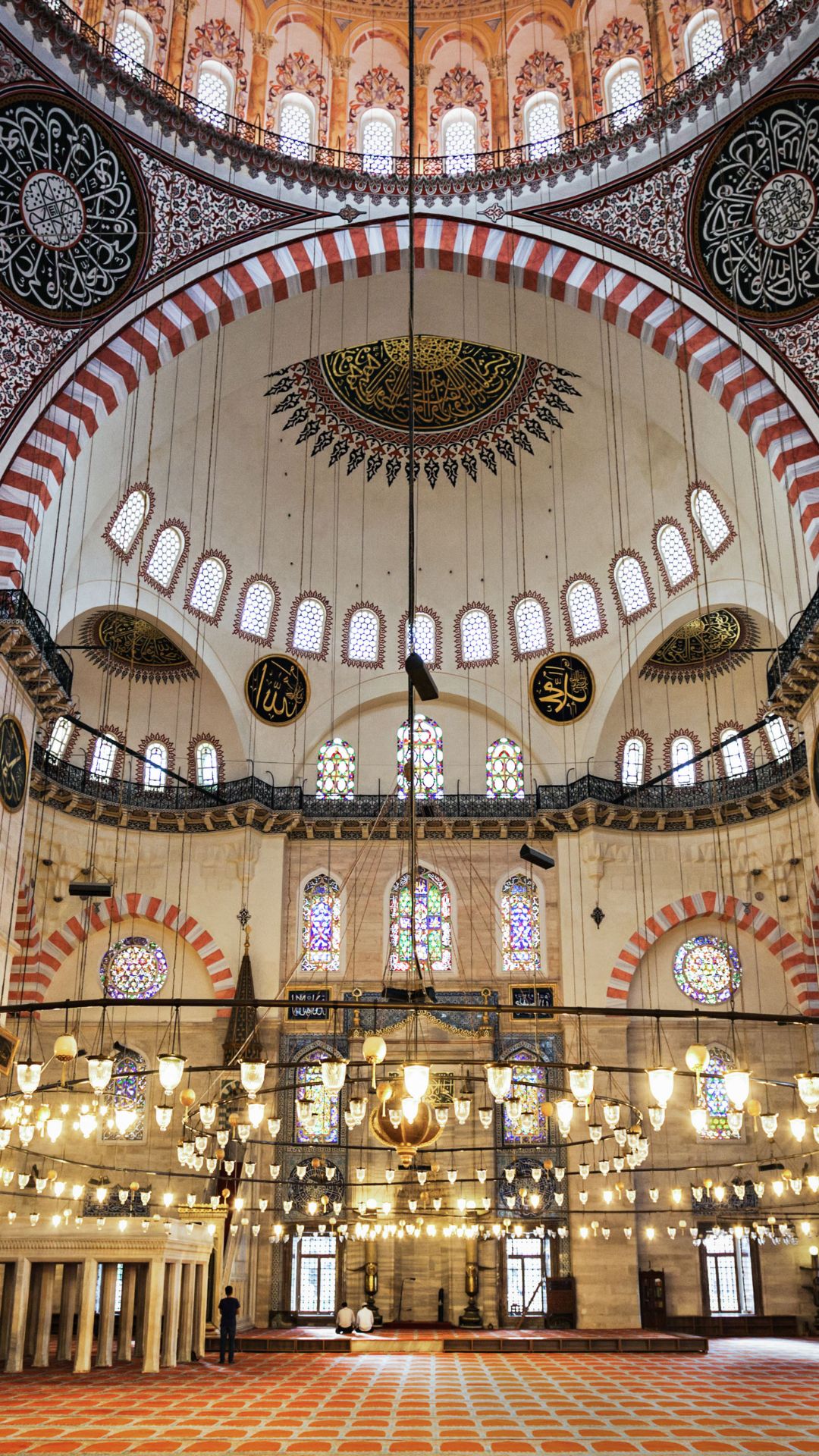
Walk in and the first impression is light. Why does this room feel so different from the Blue Mosque's? The dome rises 53 meters over the hall, its span of 26.5 meters exactly half its height — Sinan liked his geometry legible. For instance, stand at the center door and the whole hall resolves into nested half-domes, each carrying the last. Ranks of arched windows pour daylight onto pale stone, and the great chandelier ring floats low over the carpet. In contrast to the Blue Mosque's dense tilework, Süleymaniye persuades with proportion. Many visitors find it the more moving room, precisely because it shouts nothing.
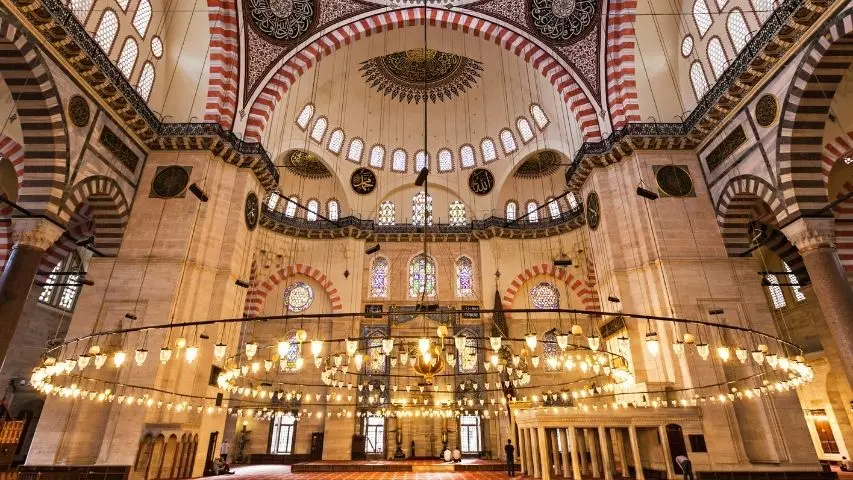
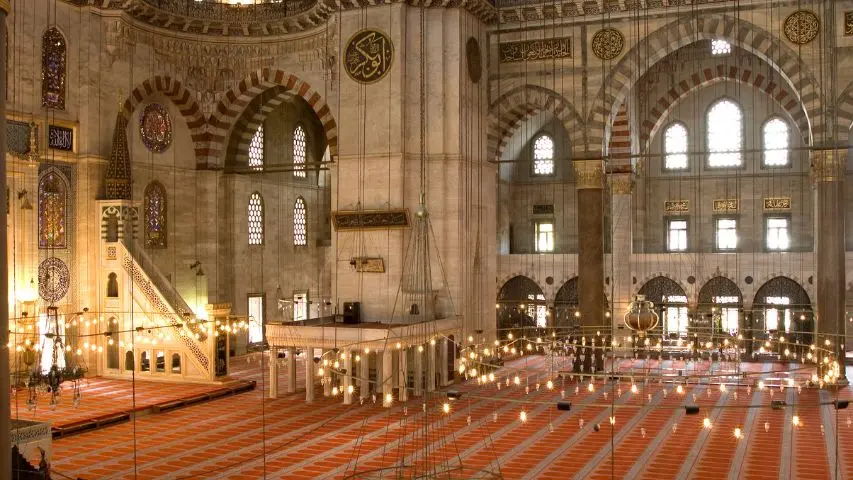
The building hides its cleverness well. The is odası is the soot room over the main entrance: Sinan ran air channels that drew the smoke of 275 oil lamps into one chamber, where the collected soot was turned into calligrapher's ink — a 16th-century recycling system, documented in Diyanet's own scholarship (2020s review of Ottoman sustainability). Likewise, tradition holds that ostrich eggs hung among the lamps to keep spiders off the chandeliers. In our experience, guides who point these out change how people see the room: not just a monument, but a machine that worked.
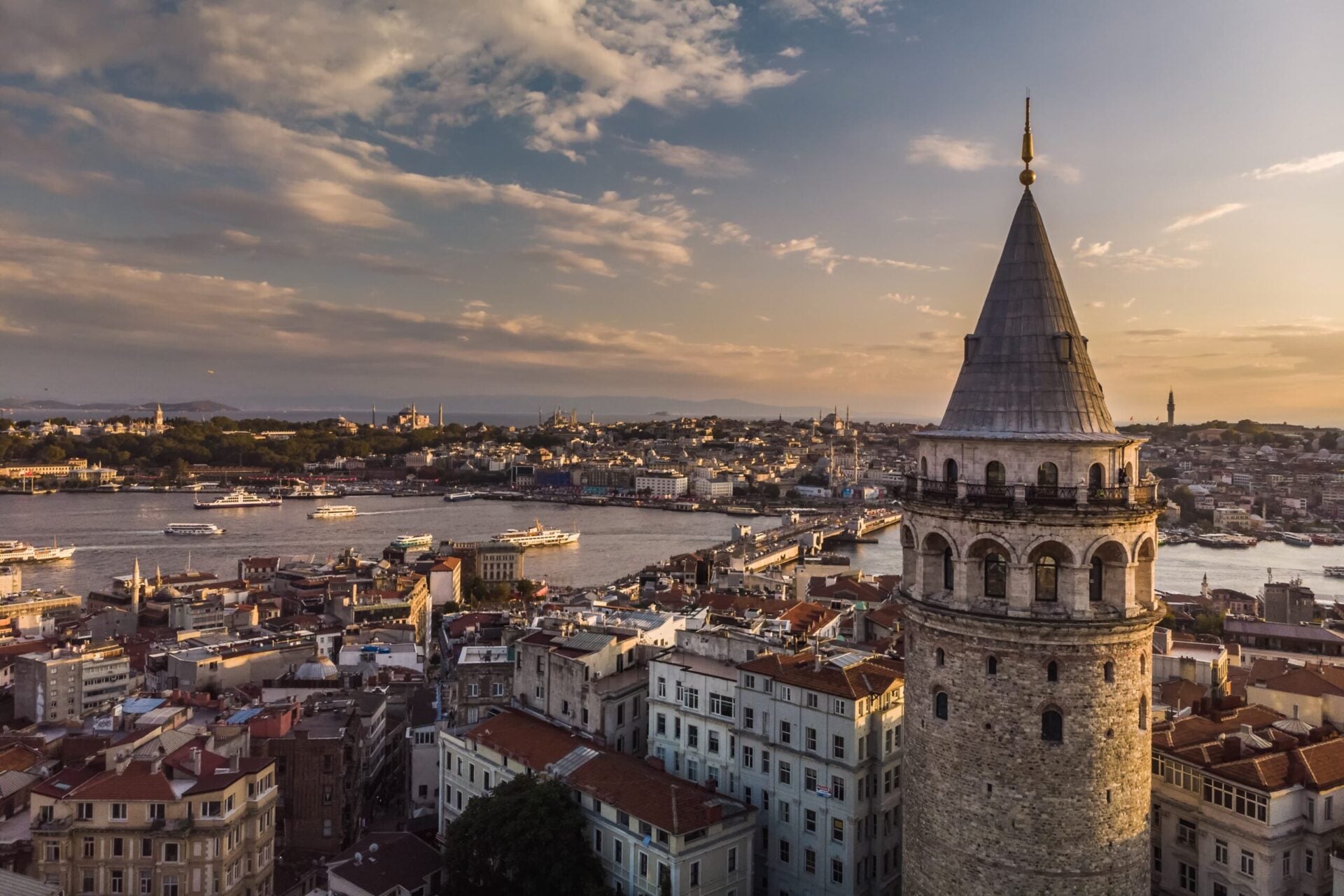
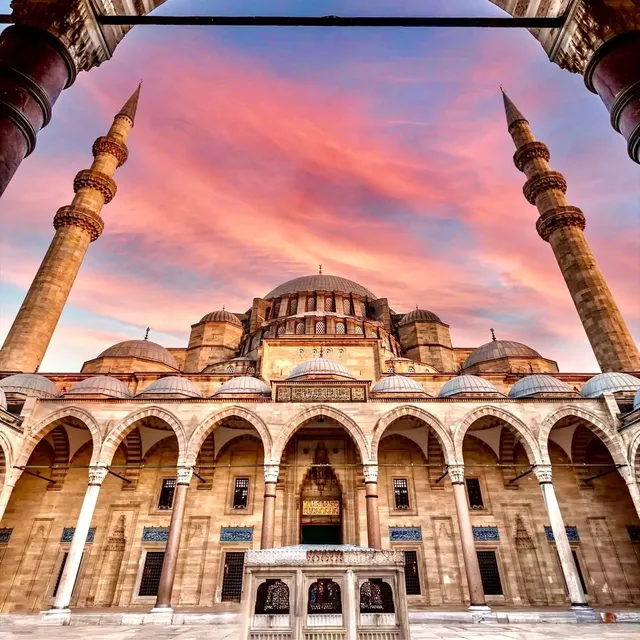
Outside, the terrace does the rest. The northeast courtyard edge looks straight down the Golden Horn — ferries, bridges, Galata Tower opposite — and it costs nothing at any hour the mosque is open. Notably, late afternoon gilds the whole view. Our team measured the walk from the Grand Bazaar's Örücüler gate at eleven minutes, and the view repays every step of the climb. Bring water in summer; the hill is honest work.
History
Süleymaniye History: The Sultan, the Architect, the Hill
The empire's greatest sultan and its greatest architect built this together. Süleyman the Magnificent ordered the complex at the peak of Ottoman power. Mimar Sinan — already in his sixties — delivered it between 1550 and 1557 on the Third Hill, where the whole city could see it. In addition, the site made a statement across the water: the hill answers Galata's tower directly. One example of how the pair thought: the mosque was only the centerpiece. Around it rose a full külliye — four madrasas, a medical school, a hospital, a public kitchen, a caravanserai, a bathhouse, and shops whose rents paid for it all. Consequently, the mosque never depended on charity; it ran on its own economy, as Sinan's institutions usually did. The hamam, remarkably, still operates today.
Sinan is said to have ranked his own life's work: the Şehzade Mosque was his apprenticeship, Süleymaniye his journeyman piece, and Edirne's Selimiye his masterwork. The line comes down through his biographer's tradition. Judged from the terrace at sunset, the "journeyman" label reads as the finest understatement in architecture.
In the garden behind the qibla wall stand the tombs of Süleyman and Hürrem Sultan — Roxelana — in their separate octagonal türbes, visitable and free, typically until late afternoon. Meanwhile, just outside the northeast corner, Sinan buried himself in a pointedly modest tomb at the street junction. The architect of the skyline sleeps in its smallest monument.
The building has aged well, with help. A major restoration between 2007 and 2010 stripped away cement-era mistakes and revealed hidden tile panels; as a result, the mosque stands fully open today, with no current works to plan around.
Plan your visit
Visiting Süleymaniye: Hours, Dress Code & the Terrace
Opening hours
The mosque opens daily outside the five prayer times, roughly through daylight hours. It closes to visitors for about half an hour around each prayer. Likewise, it stays closed to tourists through Friday midday prayers, reopening in the early afternoon. Accordingly, check a prayer-times app on the day rather than trusting fixed clock times.
Entrance fee
Entry to Süleymaniye is free. It is a working mosque — no ticket, no queue theater, donations optional.
The tombs in the garden are also free. In other words, the entire hilltop — mosque, terrace, türbes — costs exactly nothing.
Dress code
Shoulders and knees covered for everyone; women cover their hair inside. Scarves are sometimes lent at the entrance, so bringing your own is safer. Shoes come off at the door. The attendants here deal with far fewer crowds than Sultanahmet's, and it shows in the mood.
How to get there
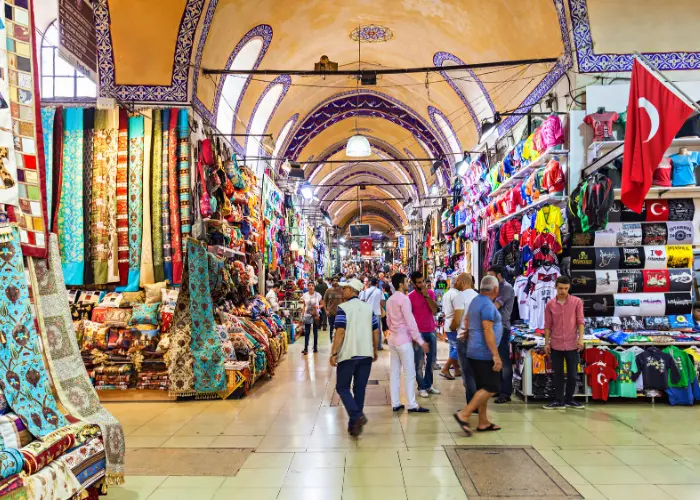
From the Grand Bazaar, it is a ten-minute uphill walk — the classic pairing. Otherwise, take the M2 metro to Vezneciler or the T1 tram to Beyazıt-Kapalıçarşı and walk up through the university quarter. From Eminönü, the climb is steep; we found the bazaar-first route far kinder on the legs.
Best time to visit
Late afternoon, for two reasons. First, the terrace light: the Golden Horn turns gold on schedule. Second, the calm: tour groups thin out after 4pm. What about mornings? Similarly good — the hall is at its emptiest and the gulls own the courtyard.
Fact-checked against official sources · September 1, 2026 · TURSAB-licensed operator
Tours
Süleymaniye Tours (Entry Is Free)
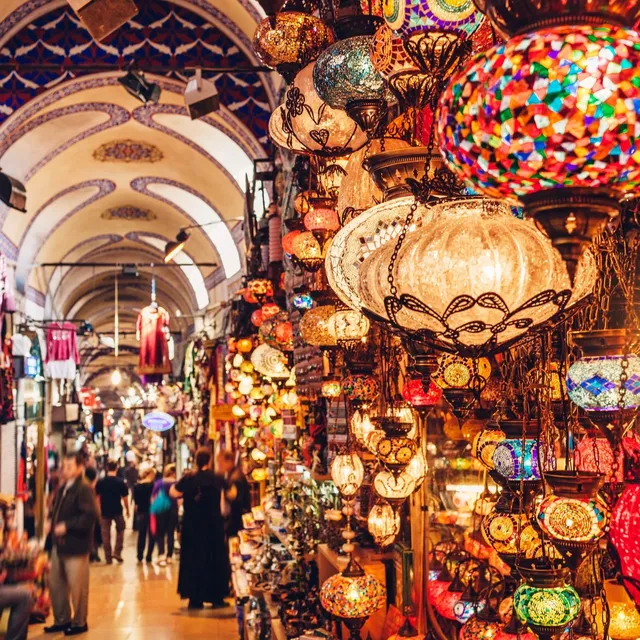
No ticket exists here, and none is worth buying — what pays for itself is context. The self-paced audio guide walks you through Sinan's engineering, the külliye, and the tombs at your own speed. For a fuller day, pair the hill with the Grand Bazaar below: bazaar first, then the climb, then the terrace as your reward. In fact, that sequence is the best free afternoon in the old city. Current prices are on the cards below.


FAQ
Frequently Asked Questions
Yes — it is a working mosque with no entrance fee. The tombs of Süleyman and Hürrem in the garden are free as well. You pay only if you choose an audio guide or a guided tour.
Daily, outside the five prayer times; the mosque closes to visitors for roughly half an hour around each prayer. On Fridays it stays closed to tourists until early afternoon. Prayer times shift daily, so check an app on the day.
Mimar Sinan, the greatest Ottoman architect, for Sultan Süleyman the Magnificent, between 1550 and 1557. Sinan is said to have called it his journeyman work — his self-declared masterpiece is the Selimiye in Edirne.
Different, and many prefer it. The Blue Mosque wins on famous tilework and location; Süleymaniye, on the other hand, wins on light, proportion, calm, and the terrace view. Specifically: if crowds drain you, Süleymaniye is the antidote.
Yes. Both türbes stand in the walled garden behind the mosque, free to enter, typically open until late afternoon. Hürrem's tomb dates from 1558, Süleyman's from 1567.
The geometry and the hidden engineering. The dome spans 26.5 meters at 53 meters high — exactly half — and air channels once drew lamp soot into a single room, where it was made into calligrapher's ink. The building was designed to run, not just to impress.
Walk up from the Grand Bazaar in about ten minutes, or take the M2 metro to Vezneciler or the T1 tram to Beyazıt and walk through the university quarter. The climb from Eminönü is the steep option.
Still have questions?
Our Istanbul travel experts are happy to help.
Nearby