Inside
Inside Dolmabahçe: Crystal, Gold & One Stopped Clock
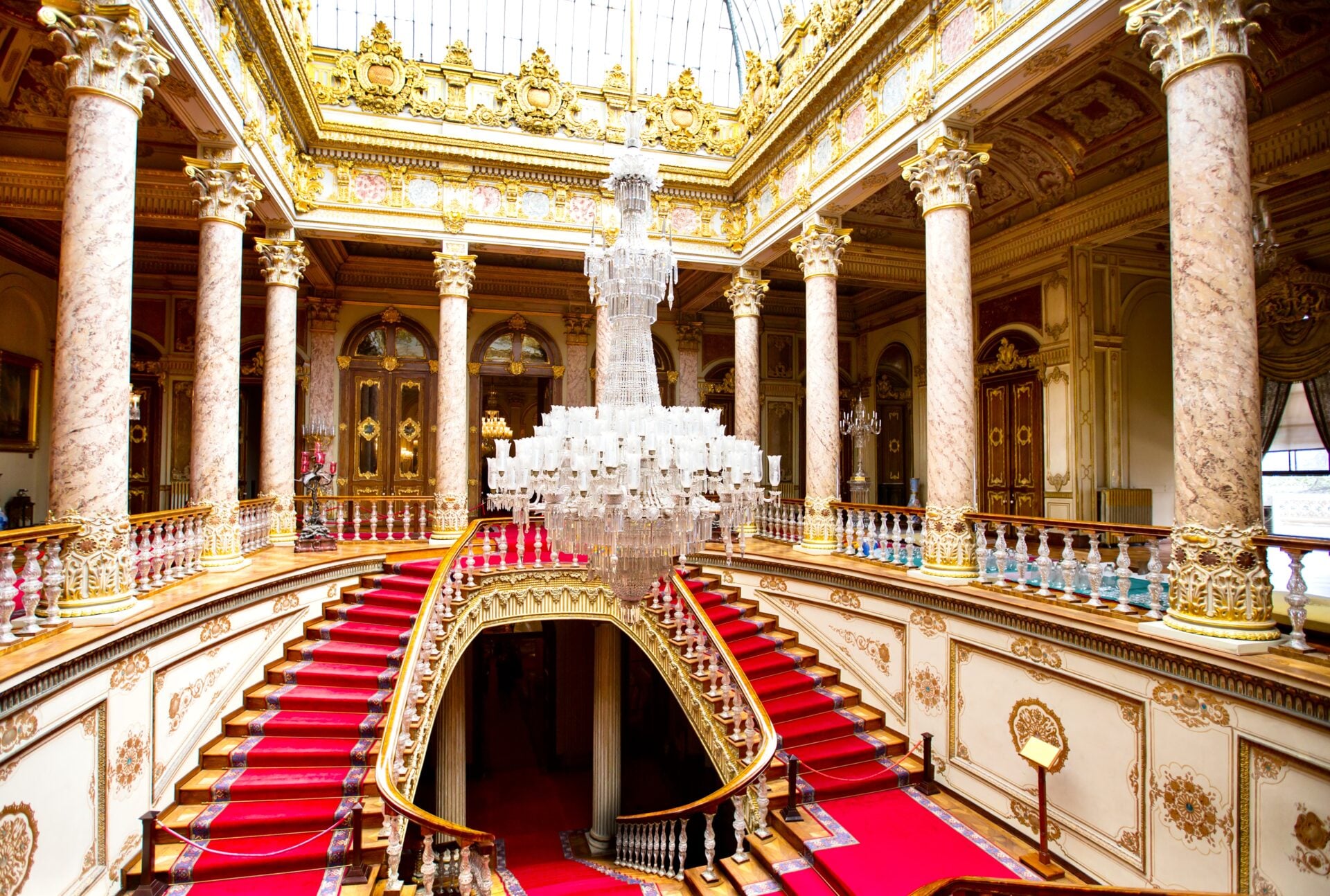
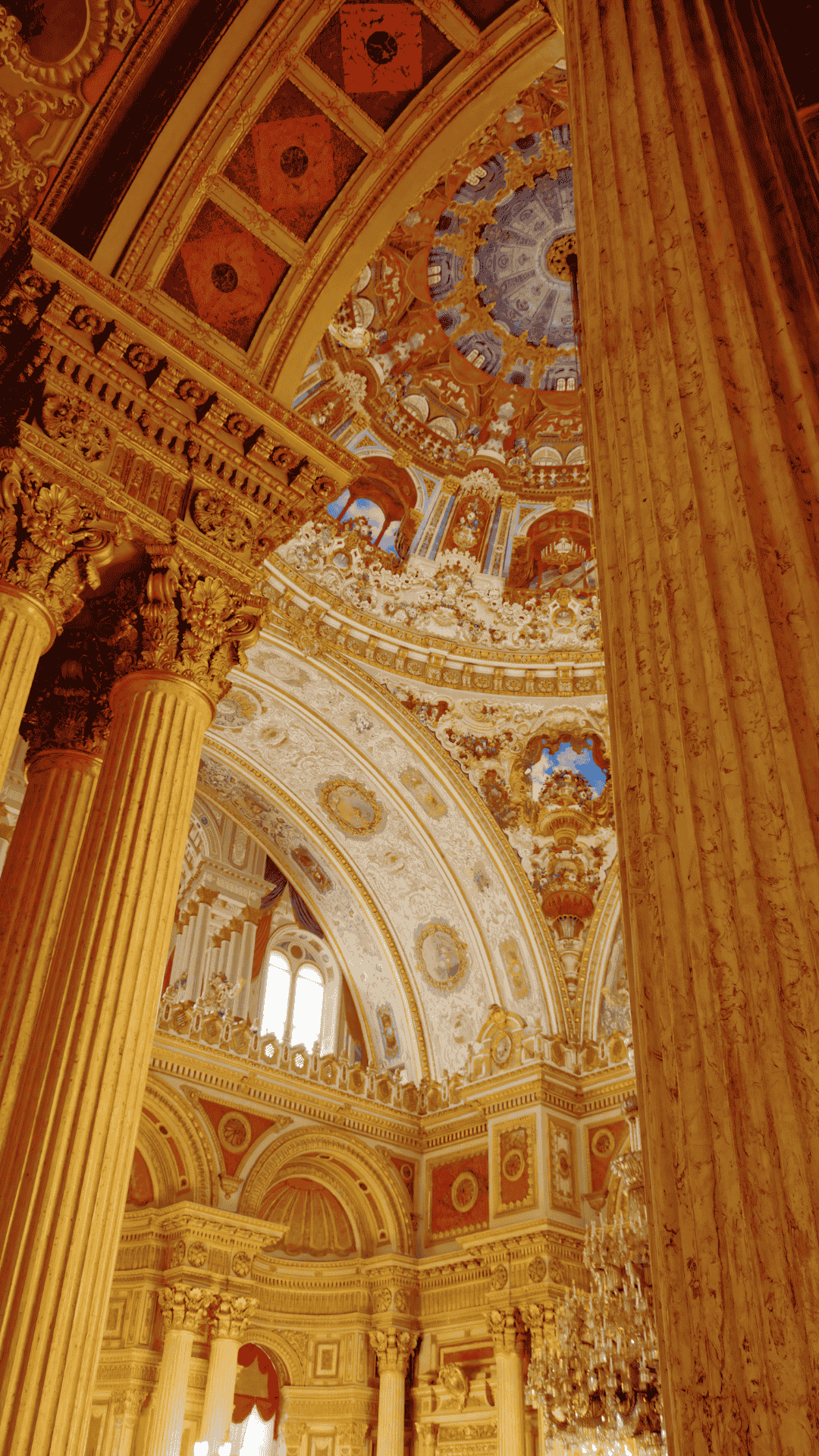
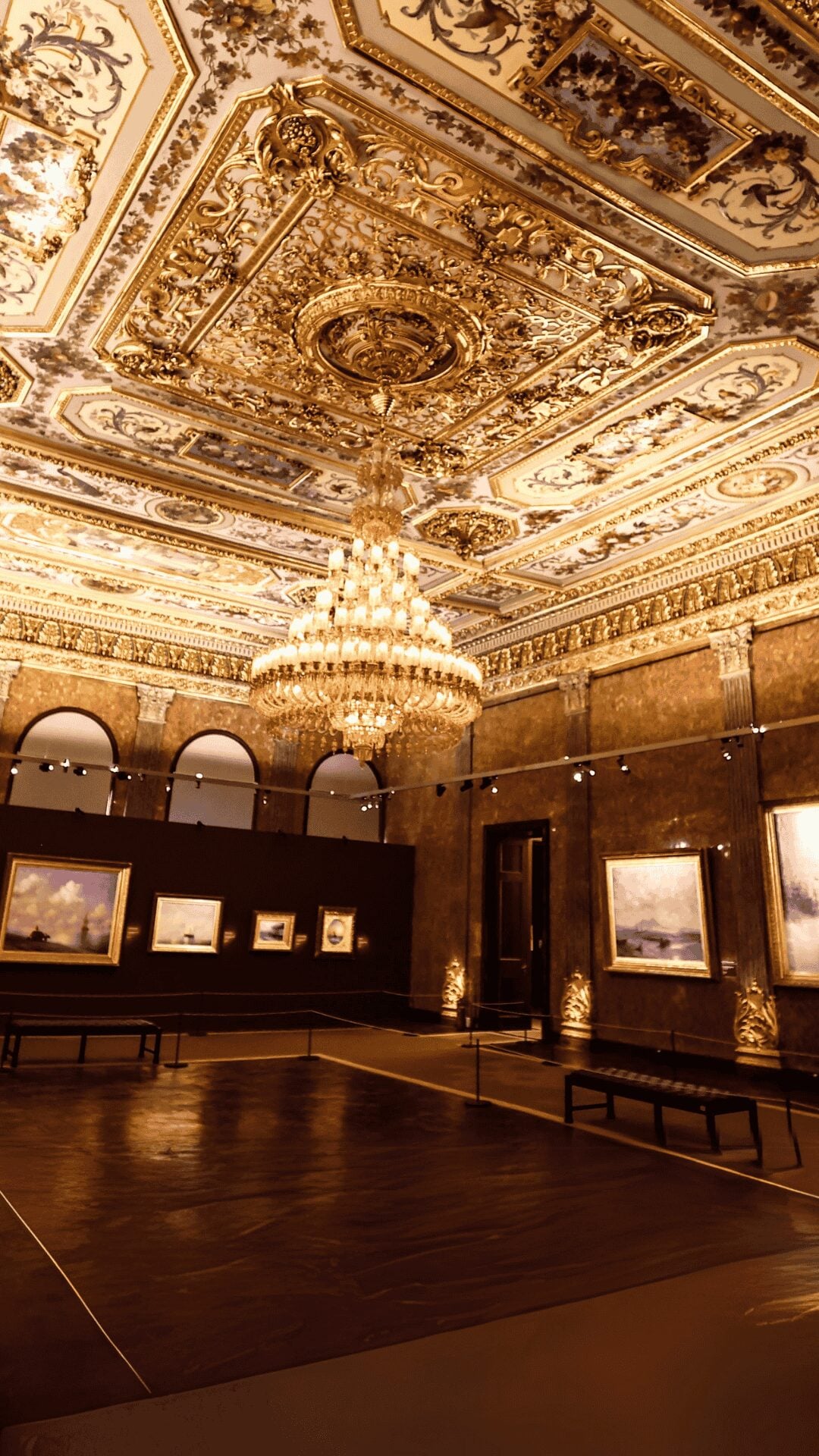
The interior sets out to overwhelm, and it wins. The Crystal Staircase is the entrance's great flex — balusters of Baccarat crystal climbing under a skylight. The ceilings carry a reported 14 tonnes of gold leaf, room after gilded room. In addition, the Ceremonial Hall hangs a 4.5-tonne chandelier of 750 lamps overhead. So is it too much? That is the point — the empire built these rooms to argue, in crystal and gold, that it still mattered on a continent that had begun to doubt it. Notably, the famous story that Queen Victoria gifted the great chandelier is a myth. Receipts found in the archives show the sultan paid for it in full — a better story, frankly, than the free gift.
The visit splits into two moods. The Selamlık is the state wing — the showpiece of reception halls, the staircase, and the Ceremonial Hall's canyon of space. The Harem, in contrast, is the family wing: quieter, more human, and home to the palace's most visited small room of all. In Room 71, on a modest bed, Atatürk died at five past nine on 10 November 1938. The clock in that room still reads 9:05 — the only clock in the palace kept stopped, now that the rest show real time. In our experience, it is the one stop where every group falls silent, whatever language they arrived in. Give the room its minute; the palace can wait outside the door.
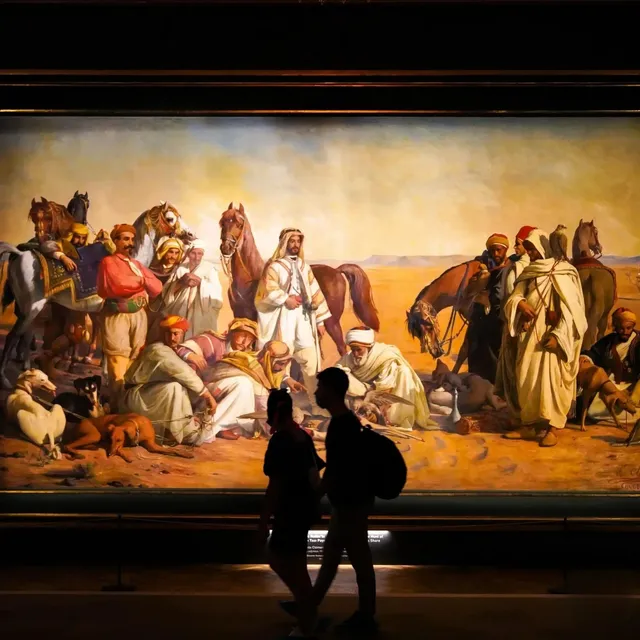
For example of the palace's oddity: it was staggeringly modern for its day. Gas lighting from the start, British plumbing, later electricity, central heating, and an elevator — the empire's last home was also its most contemporary. Meanwhile, the combined ticket adds the Painting Museum wing — worth thirty extra minutes for the imperial-era canvases, and usually the quietest rooms in the whole complex.
History
Dolmabahçe History: The Empire's Expensive Goodbye
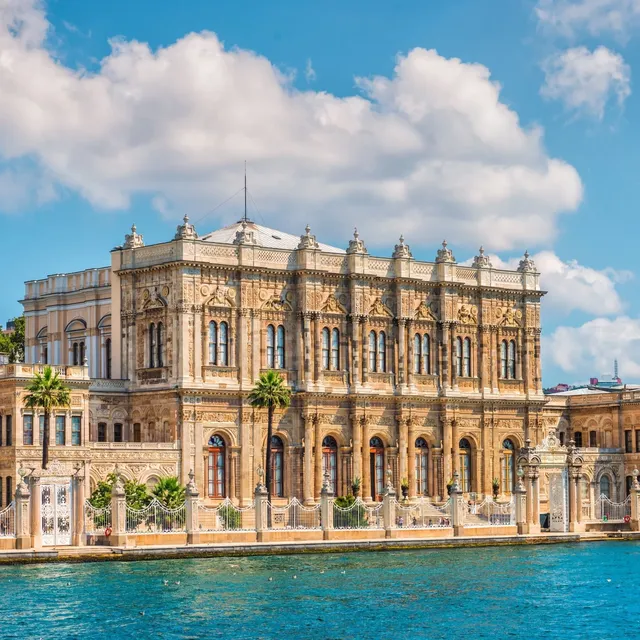
By the 1840s, Topkapı embarrassed the modernizing empire. It was a medieval palace for a state buying steamships. Sultan Abdülmecid I ordered a European answer. The court's Armenian architect dynasty, the Balyan family — chiefly Garabet and his son Nigoğayos — delivered it between 1843 and 1856. The court moved in, and Topkapı's four centuries of service ended overnight. Consequently, Dolmabahçe became the address of the empire's final act. Six sultans lived here before the monarchy itself checked out in 1924.
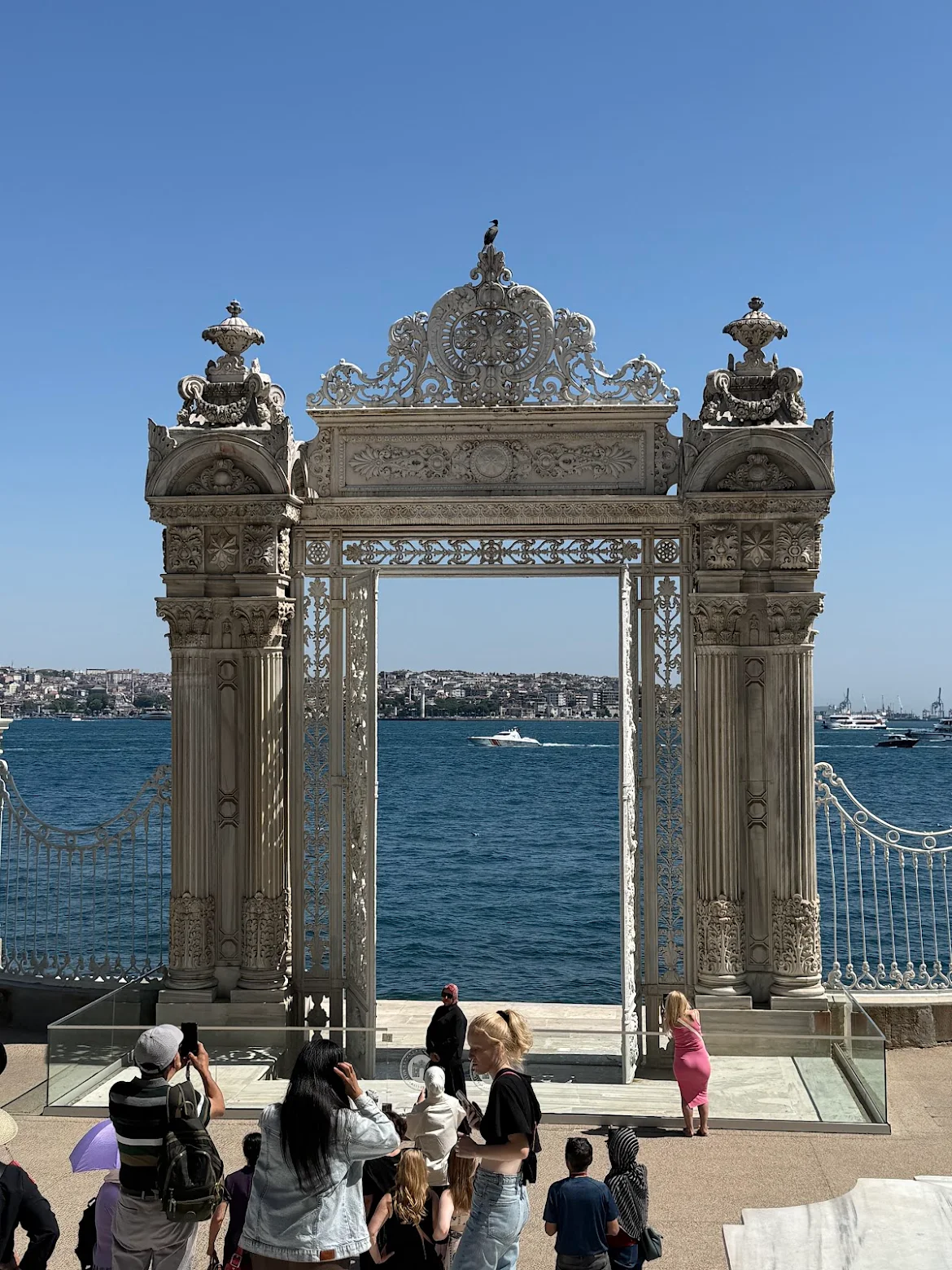
The name means "filled garden," and it is literal. The palace stands on land reclaimed from the Bosphorus, an imperial garden built over a filled-in bay — which is why the sea starts at the garden gate. It is officially the largest palace in Türkiye, at 14,595 square meters of building. Its facade runs roughly 600 meters along the water.
The Republic gave the palace its most-remembered chapter. Atatürk used Dolmabahçe as his Istanbul residence and workplace, and died here in 1938, in the small Harem room now preserved as a memorial. For example, the flags outside still drop to half-mast every November 10th, and the queue outside Room 71 grows quiet as it approaches the door. Subsequently the palace passed to the nation, and today the Directorate of National Palaces runs it as a museum. The clock tower outside — 27 meters, built in the 1890s by another Balyan — still keeps the gate.
Plan your visit
Visiting Dolmabahçe: Tickets, Hours & the New Photo Rule
Tickets and prices
One combined ticket covers the palace — Selamlık, Harem, and the Painting Museum. For foreign visitors it costs 2,000 TL, roughly €40, as of mid-2026; children under six enter free. Buy from the official seller, millisaraylar.gov.tr; e-tickets stay valid for 90 days. Accordingly, treat the TL figure as current rather than fixed, and skip any third-party site claiming to be "official."
Hours
Open 9am to 5pm, Tuesday through Sunday — closed every Monday, plus January 1 and the first days of religious holidays. Likewise, arrive well before mid-afternoon: entry is paced, and the last hours compress the visit.
Photography — the 2026 change
Here is the update most guides have not caught: the long-standing interior photography ban was lifted in late January 2026. Phone photos are now allowed inside — without flash, and without blocking the flow — while professional shoots still need permits. Palace staff enforce the flash rule kindly but firmly, and the chandeliers photograph better without it anyway. Similarly, tripods and posing sessions remain off the table. In other words, the Crystal Staircase is finally Instagrammable, legally.
Getting there and timing
Take the T1 tram to Kabataş and walk ten minutes along the water, or ferry to Beşiktaş and walk fifteen. Enter by the clock tower at the Treasury Gate. We found the 9am entry decisively calmer — tour groups own the middle of the day — and our team measured the full circuit, both wings plus the Painting Museum, at just under three hours. On the other hand, gardens-only moods are legitimate too: the grounds and gate views cost the smallest ticket tier.
Fact-checked against official sources · September 1, 2026 · TURSAB-licensed operator
Tours
Dolmabahçe Tickets & Tours
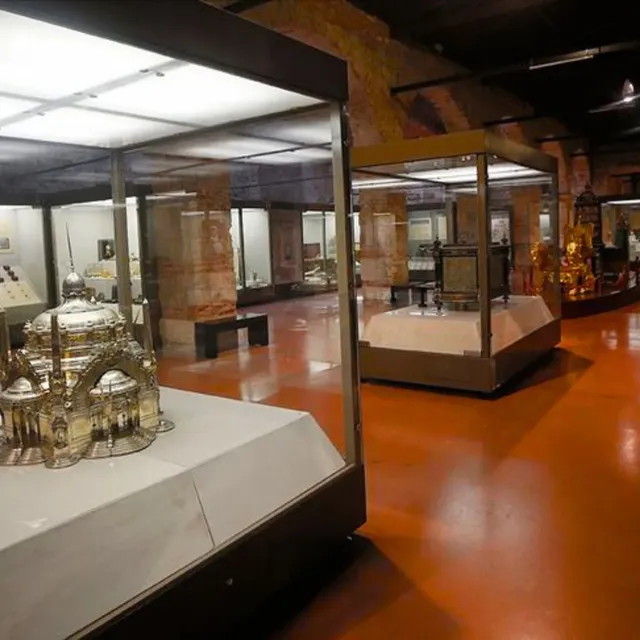
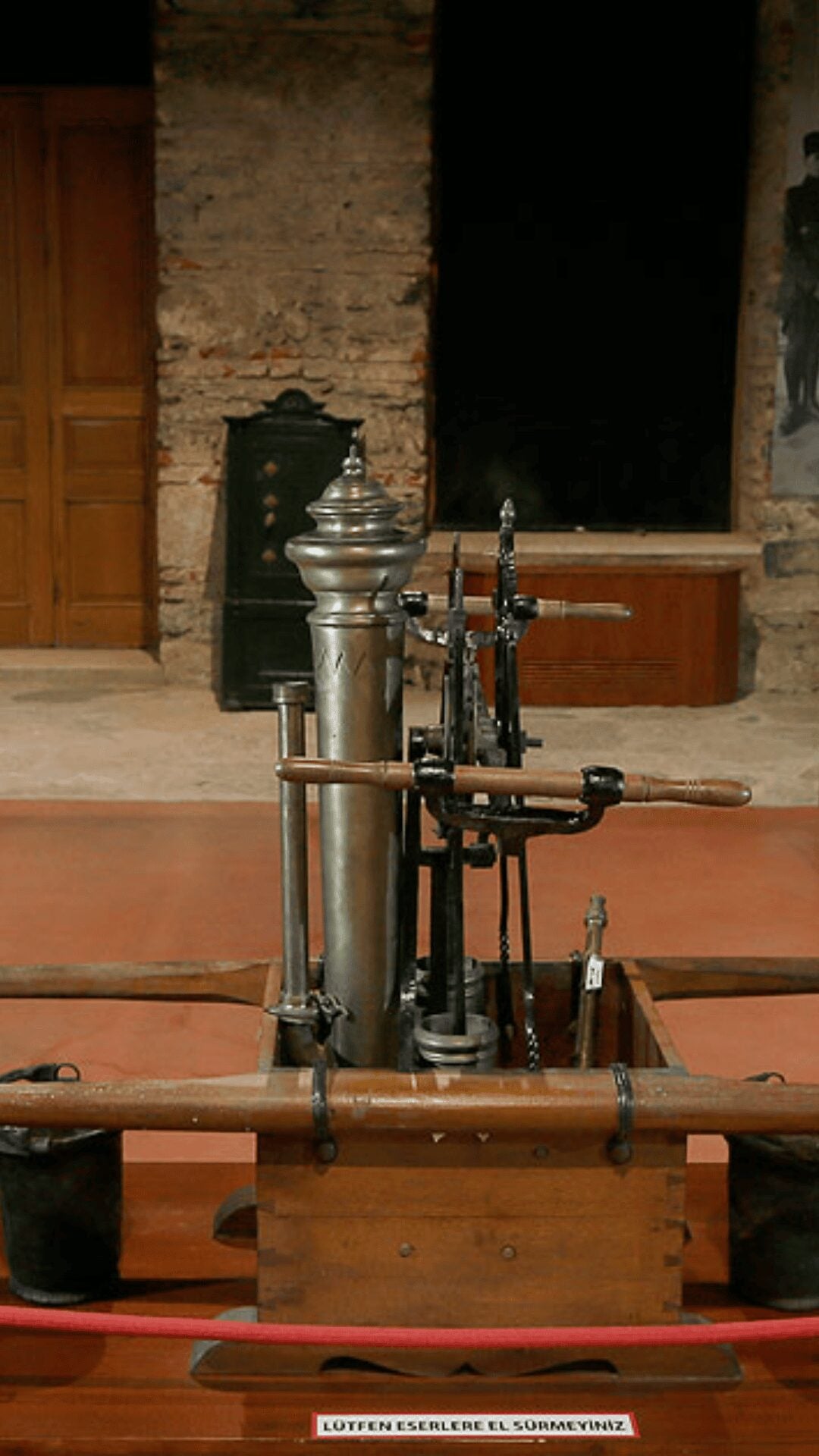
The combined entry below is the core of it. Add the National Palaces' painting collection if art is your angle, or the Palace Collections Museum — the warehouse of daily palace life, from toys to porcelain — for the behind-the-scenes hour. In fact, the three together turn Dolmabahçe into a half-day of empire in descending order of ceremony. Current prices sit on the cards.
FAQ
Frequently Asked Questions
The combined ticket — Selamlık, Harem, and Painting Museum — costs 2,000 TL (about €40) for foreign visitors as of mid-2026. Children under six enter free. Buy from millisaraylar.gov.tr, the official seller.
No — Monday is the weekly closing day. Otherwise the palace opens 9am to 5pm, Tuesday through Sunday, closing also on January 1 and the first days of religious holidays.
Yes — since late January 2026. The old interior photo ban was lifted: phone photography is allowed without flash, while professional and posed shoots still require permits. Older guides saying "no photos inside" are out of date.
It is the empire's European finale: 285 rooms, 44 halls, a Baccarat crystal staircase, and a 4.5-tonne chandelier in the Ceremonial Hall. It is also where Atatürk died in 1938 — Room 71's clock is kept at 9:05, the minute of his death.
No — that beloved story is a myth. Archival receipts that surfaced in 2006 show the Ottoman court purchased the English-made chandelier outright around 1852-53.
Two to three hours for both wings at a steady pace, plus half an hour if you add the Painting Museum. Entry is timed and paced, so mornings move more freely than afternoons.
Tram T1 to Kabataş and a ten-minute waterfront walk, or a ferry to Beşiktaş and fifteen minutes on foot. The visitor entrance is the Treasury Gate, beside the clock tower.
Still have questions?
Our Istanbul travel experts are happy to help.
Nearby