Inside
What to Expect & What to Buy at the Spice Bazaar
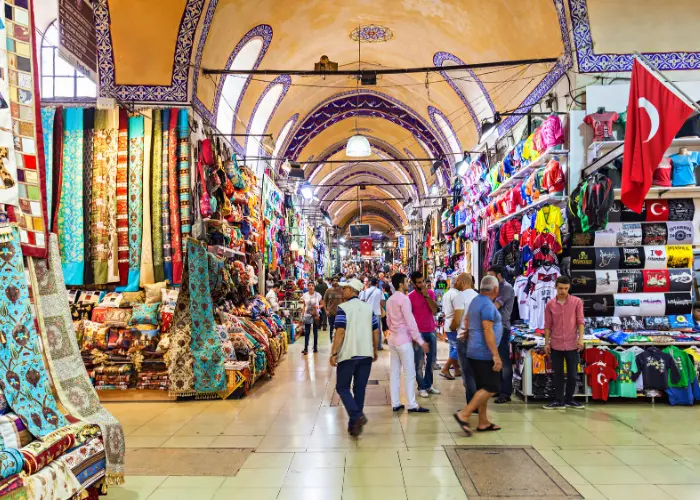
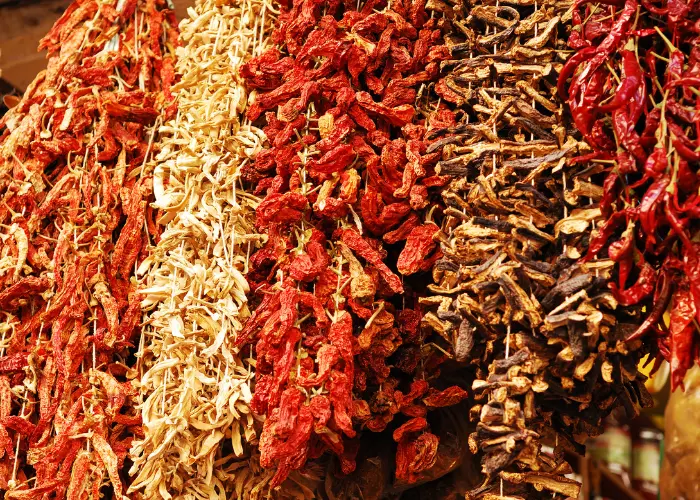
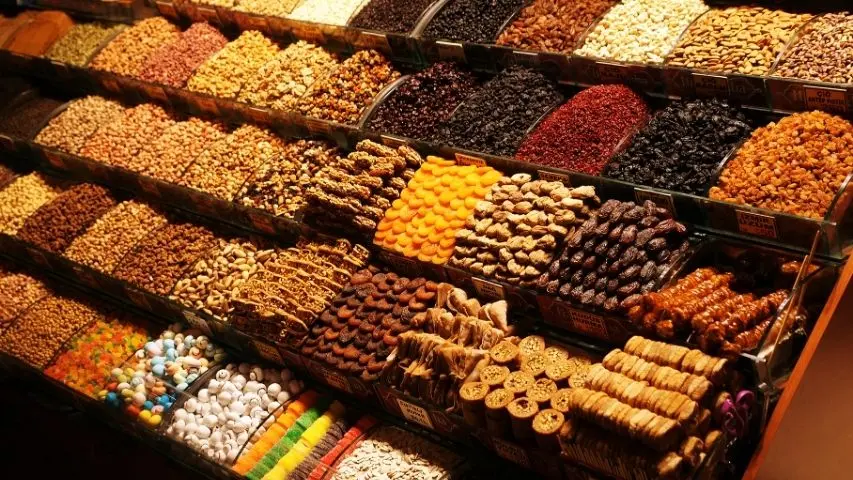
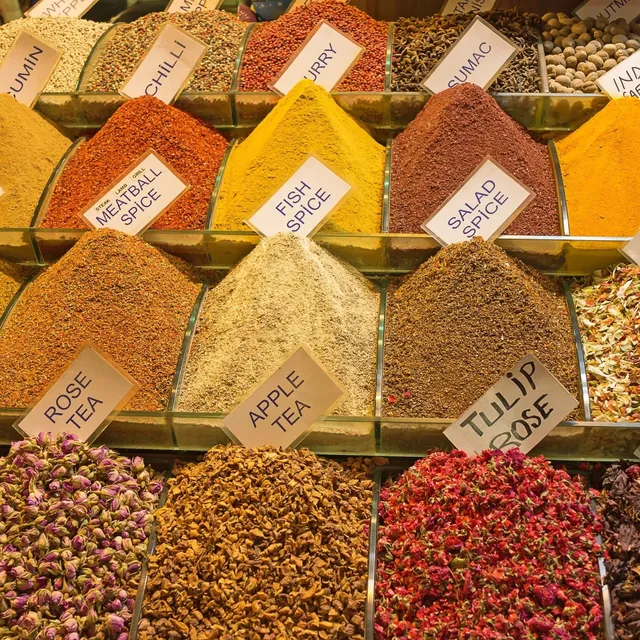
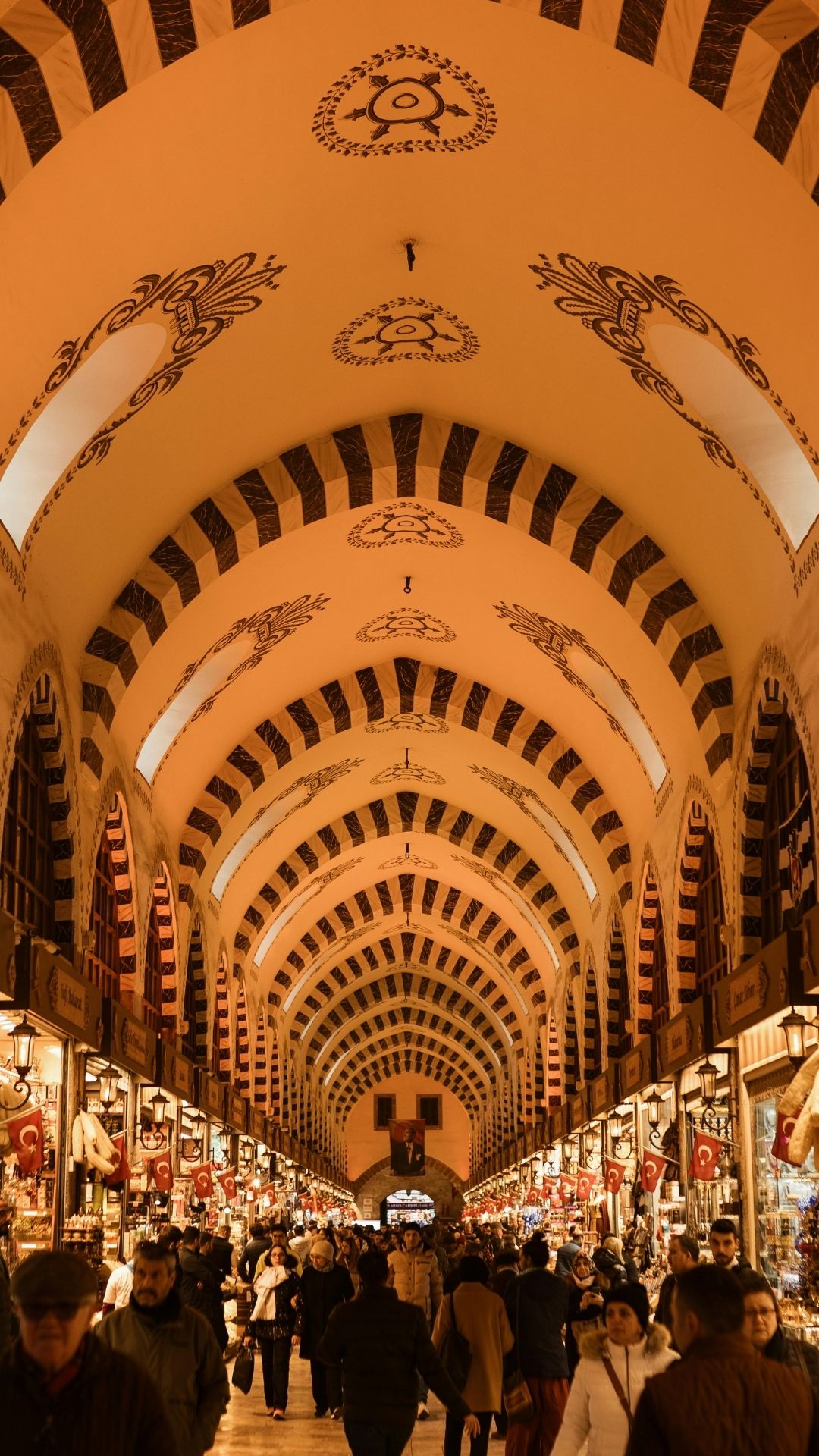
Step through any of the six gates and the hall does the rest: an L-shaped vaulted arcade, stalls glowing with color on both sides, and the smell of a few hundred years of trade. Around 85 shops line the interior — official counts that include the outer units run to 113 — selling spices, sweets, teas, dried fruit, and nuts. So what separates a great visit from a rushed one? Pace, mostly. In our experience the first ten minutes are for photos and the next hour is for shopping, so let your eyes adjust before you commit your money. The vendors have watched every kind of tourist for generations; the ones worth buying from are the ones who let you taste first and talk numbers second.
What to buy
Start with the things that are genuinely better here. Lokum is Turkish delight, and the bazaar's cut-fresh, pistachio-heavy versions have little in common with the boxed kind at the airport. Safflower is the cheap, orange "Turkish saffron" sold by the scoop — pretty, harmless, and not saffron. If you want the real thing, ask for Iranian saffron in whole threads and expect to pay for it. In addition, dried apricots and figs, pistachios, pul biber (pepper flakes), and loose herbal teas all travel well. For coffee, step just outside: Kurukahveci Mehmet Efendi is the roaster on the bazaar's corner, grinding since 1871, and the queue moves faster than it looks.
Prices and haggling
Food shops mostly display per-kilo prices, and bargaining is light — a modest discount for bulk is normal, theater is not. Souvenir and jewellery stalls, on the other hand, leave more room to negotiate. In contrast to the Grand Bazaar, nobody expects a duel here. Taste before you buy — every serious vendor offers samples — and check that what goes into the bag is what you tasted.
History
Why Is It Called the Egyptian Bazaar?
Because Egypt paid for it. The bazaar was commissioned by Hatice Turhan Sultan and completed in 1664 as the revenue engine of the New Mosque next door: shop rents funded the mosque's upkeep, and the endowment — like much of the merchandise — was fed by customs revenues from Ottoman Egypt. Mısır means Egypt in Turkish, hence Mısır Çarşısı — the Egyptian Bazaar. Notably, mısır also means corn, which is why you will occasionally see the gloriously wrong translation "Corn Bazaar." The mosque project itself had stalled for decades before Turhan Sultan revived it, so the bazaar was finished as the money machine of a comeback — commerce below, prayer next door, one endowment binding them.
The building had a rough first century. Fire gutted it in 1691, sparing little beyond the iron-shuttered shops, and another blaze in 1940 forced a major municipal rebuild. Most recently, a five-year restoration by the General Directorate of Foundations returned the hall to form (reopened 2018), with the cabling buried and the vaults cleaned. As a result, what you walk through today looks closer to 1664 than it has in generations.
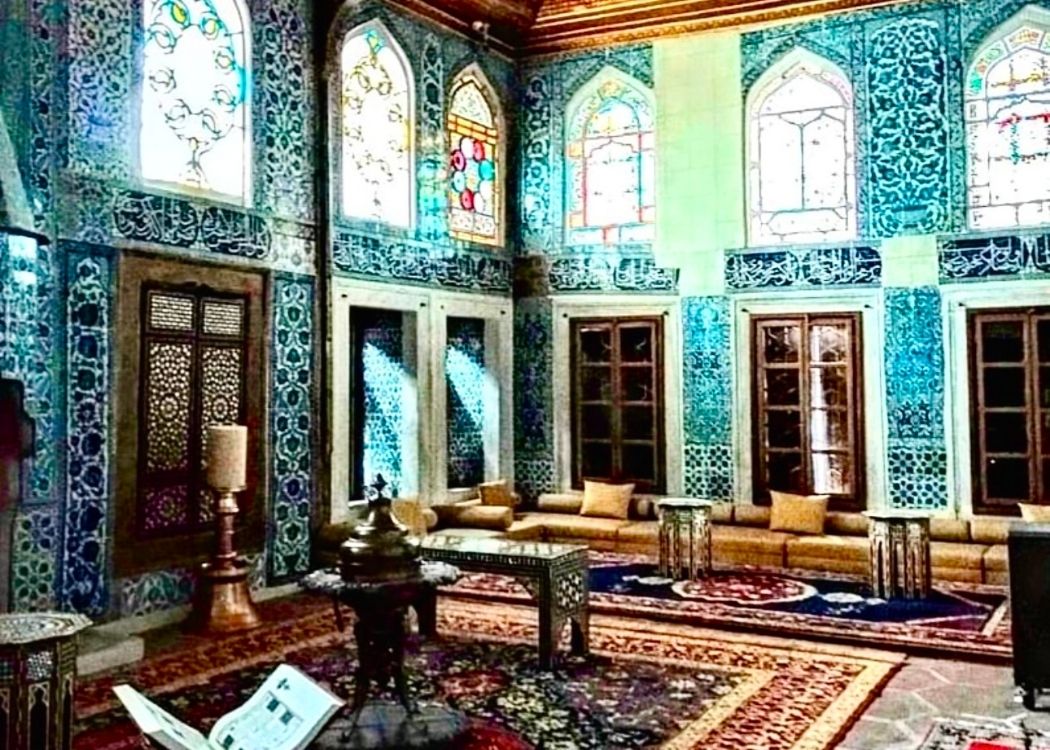
One story above the crowds: Pandeli, the tiled restaurant over the New Mosque gate, has been serving since 1901 and moved into its famous turquoise dining rooms in 1957. It is said to have hosted Atatürk, Queen Elizabeth II, and Audrey Hepburn — and it still fills at lunch.
In short, this is not a themed market built for visitors. It is a working vakıf property that has fed Istanbul for over 350 years, and the tourists are simply the newest customers.
Plan your visit
Visiting the Spice Bazaar: Hours, Entrance & Getting There
Opening hours
The Spice Bazaar opens daily, roughly 8am to 7:30pm — and yes, that includes Sundays, which the Grand Bazaar does not. It closes on the first days of religious holidays (Bayram) and on some national holidays. Accordingly, if your visit lands near Eid, check before you go.
Entrance fee
Entry to the Spice Bazaar is free. It is a working market, not a ticketed monument — you walk in like any shopper.
There is no line, no security theater, and no "bazaar ticket" worth buying from anyone. What costs money is what you put in your basket, and optionally a guide or audio tour to decode what you are looking at.
How to get there
Take the T1 tram to Eminönü; the bazaar sits between the stop and the New Mosque, two minutes on foot. Likewise, the Golden Horn ferry piers are directly across the road, so the bazaar pairs naturally with a boat day. Coming from Sultanahmet, the tram beats walking in summer heat; from Galata, just cross the bridge.
Best time to visit
Weekday mornings, right after opening, are the calm window — we found the hall at 8:30am almost meditative, with vendors setting out trays and nobody selling hard yet. Meanwhile, weekend afternoons are the crush, and summer middays combine the crowd with the heat. If crowds find you anyway, step out to Hasırcılar Caddesi behind the bazaar: same goods, local prices, half the elbows. Our team measured the loop — hall, back streets, coffee stop — at a comfortable ninety minutes.
Fact-checked against official sources · September 1, 2026 · TURSAB-licensed operator
Tours
Spice Bazaar Tours & Experiences (Entry Is Free)
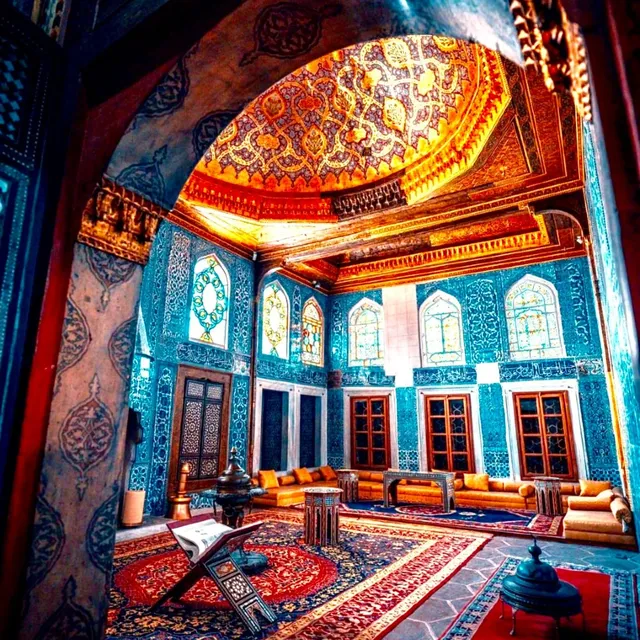
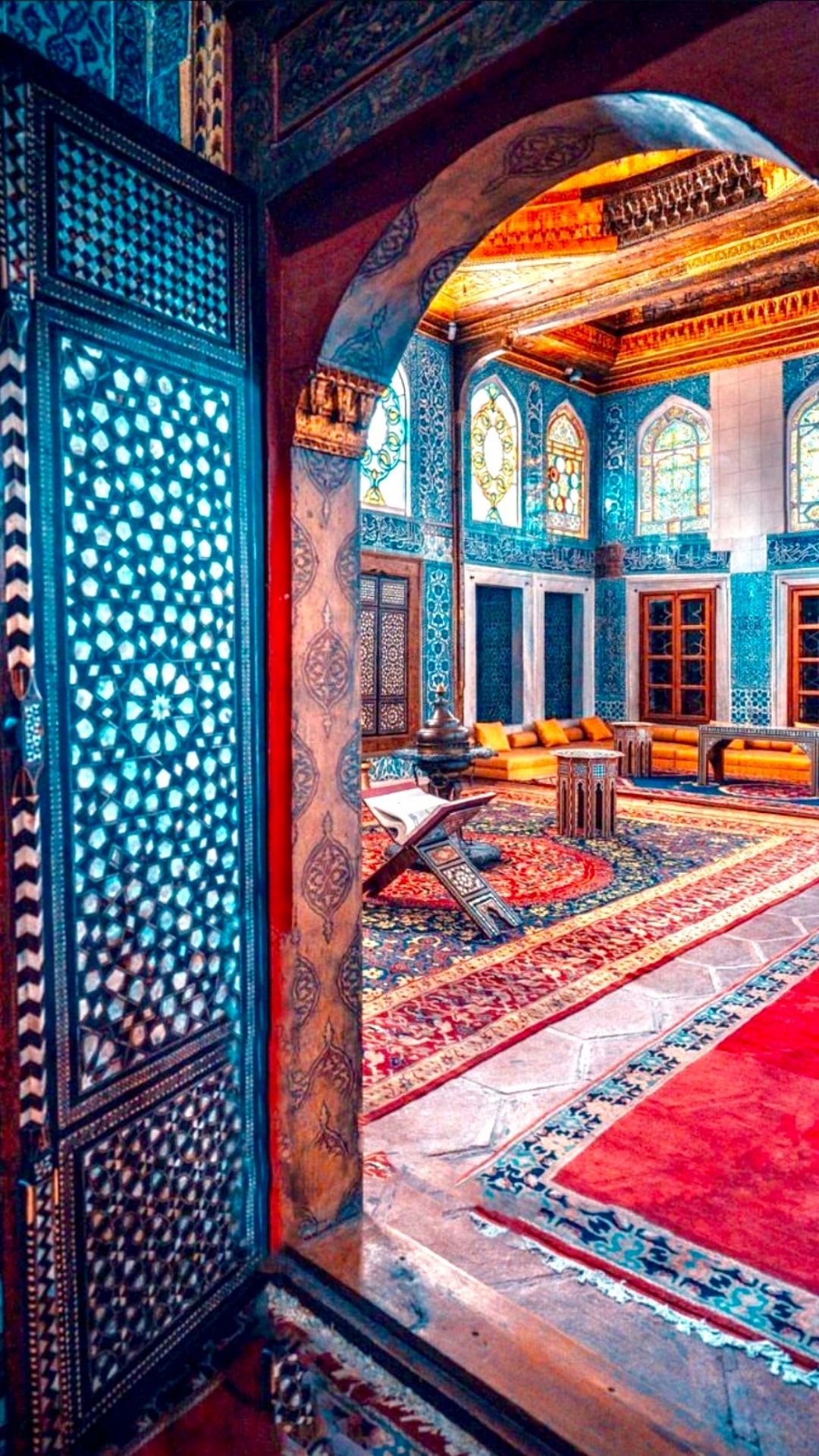
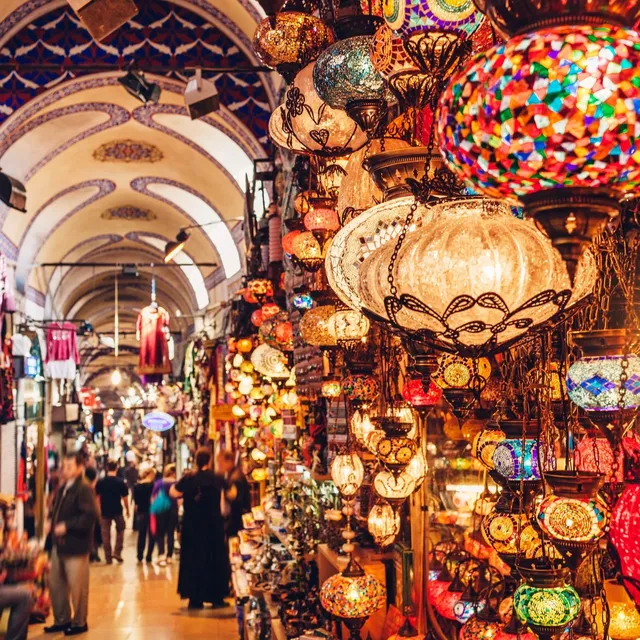
No ticket is needed here — that part stays free, full stop. So what is worth paying for? Context. For example, the self-paced audio guide walks you stall by stall through what the spices are and how the bazaar worked for three centuries. The Hünkâr Pavilion above the New Mosque gate — same külliye, royal entrance rooms — makes a quiet add-on next door. In fact, the best pairing is the two-bazaar day: spice hall in the morning, Grand Bazaar audio tour after lunch, with the Golden Horn cruise from the Eminönü pier to finish. The cards below carry current prices.

FAQ
Frequently Asked Questions
Yes, completely. It is a working market with open gates — no ticket, no queue to pay. You spend money only on what you buy inside, or on an optional guide or audio tour.
Yes. The bazaar opens daily, roughly 8am to 7:30pm, including Sundays — unlike the Grand Bazaar, which closes that day. It does close for the first days of religious holidays.
Age, size, and stock. The Grand Bazaar dates from 1461 and sprawls across thousands of shops selling jewellery, textiles, and crafts. The Spice Bazaar, from 1664, is a single vaulted hall focused on food: spices, sweets, teas, and dried fruit. In other words, one is a city, the other a pantry.
Almost everywhere, yes — the shops are established retailers, and cards or contactless are standard. Keep small cash for tiny purchases in the streets around the bazaar, where a few stalls still prefer it.
One to two hours covers the hall and the surrounding streets without rushing. Add more if you plan a coffee stop at Mehmet Efendi or lunch above the gates. Specifically, shoppers linger and photographers move fast — plan by your basket, not the map.
Lightly, if at all. Food prices are mostly displayed per kilo, and a small bulk discount is the normal ceiling. Souvenir stalls have more flex. Save the real negotiating energy for the Grand Bazaar, where it is part of the game.
Still have questions?
Our Istanbul travel experts are happy to help.
Nearby