Inside
Along the Golden Horn: Balat, Eyüp & the Ferry
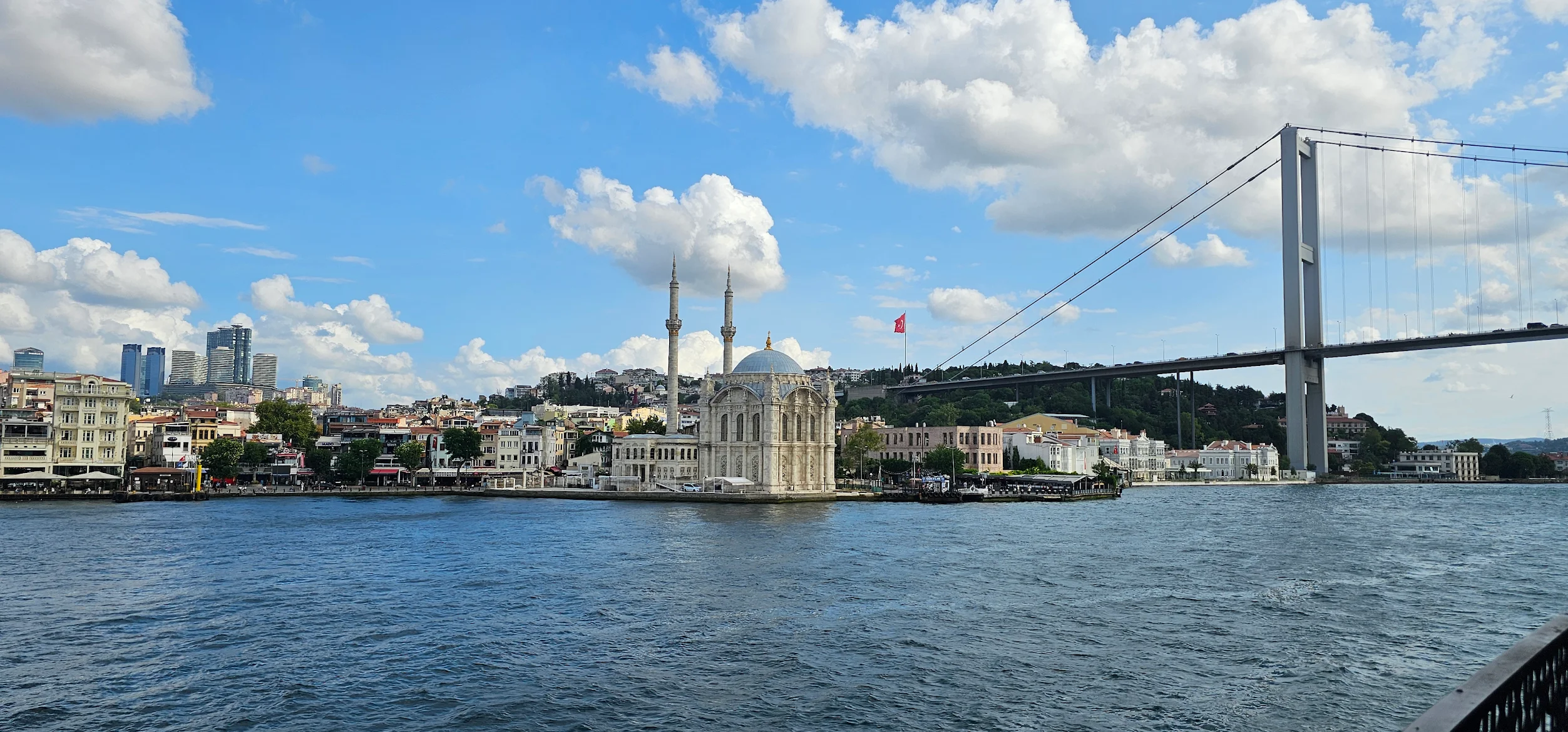
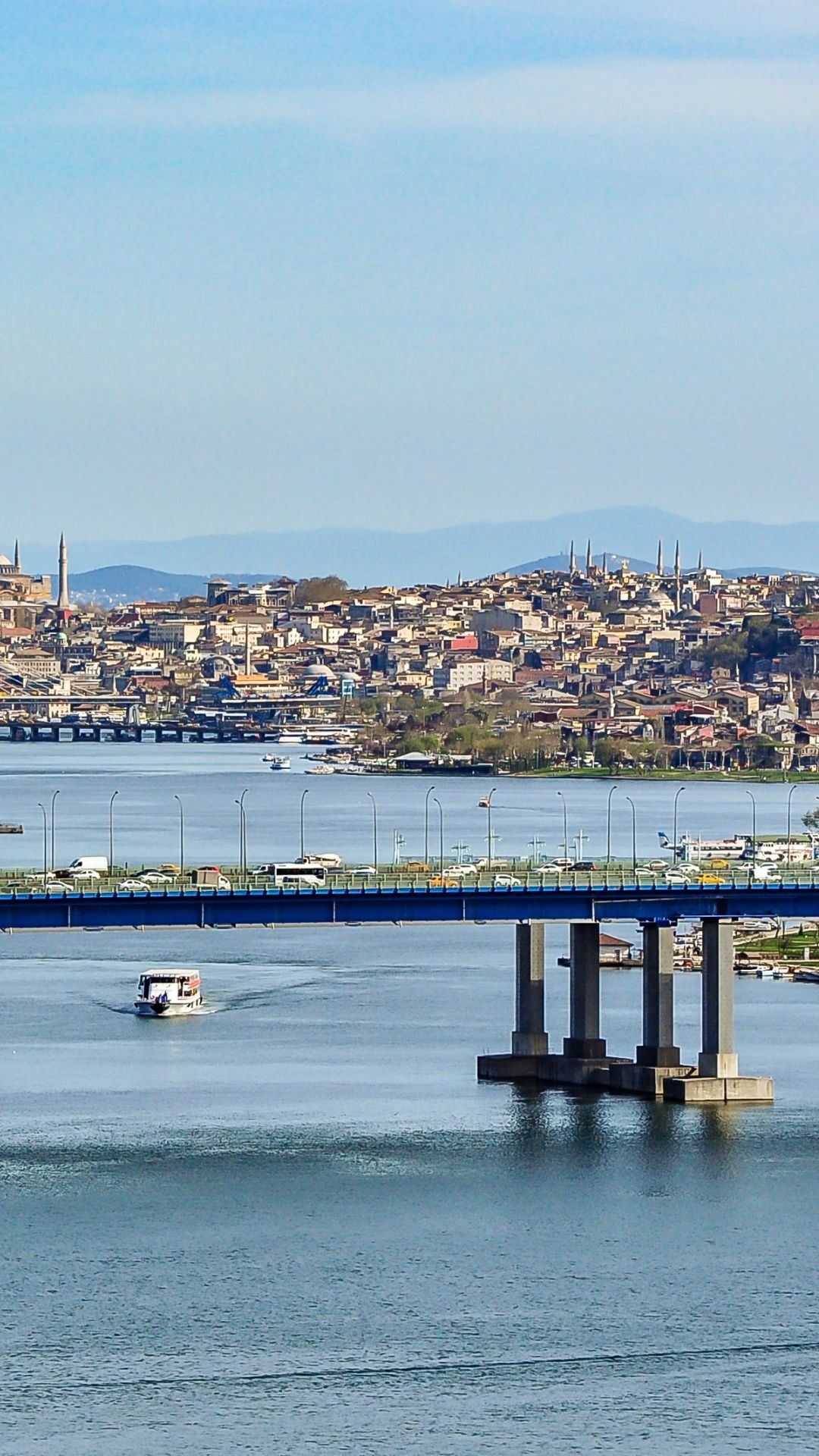
The smart way to see the Horn is by water. The Haliç ferry is Şehir Hatları's inlet line, hopping nine piers — Üsküdar and Eminönü at one end, Eyüpsultan at the other — for the price of a regular city ride. The full run takes about 55 minutes. In our experience it is the best cheap boat trip in Istanbul: you pass under four bridges, watch the skyline flip from minarets to shipyard cranes, and can step off wherever a neighborhood looks tempting. Our team measured pier-to-pier hops at eight to twelve minutes each; check the current timetable before building your day around it.
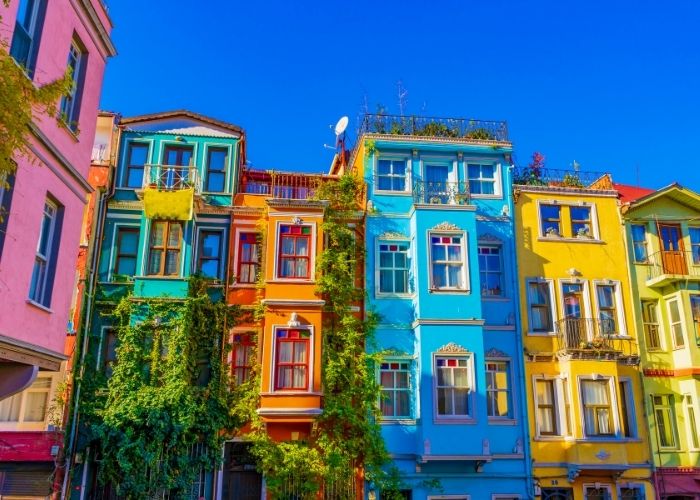
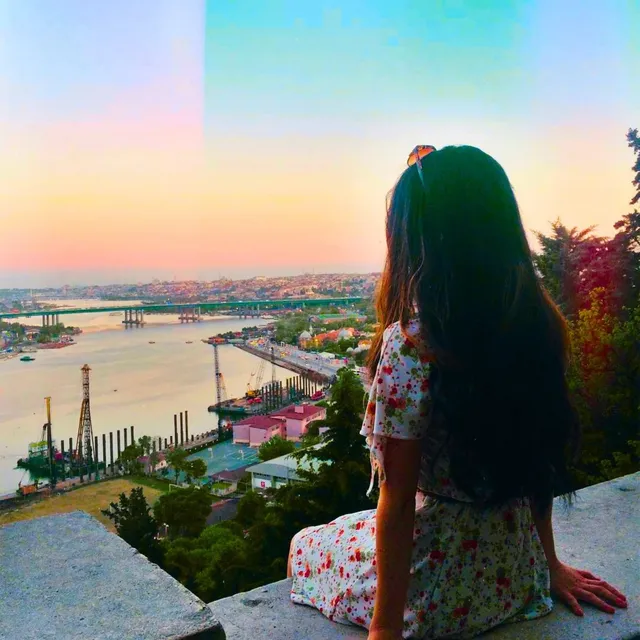
Which stops earn the stop? Fener and Balat are the old Greek and Jewish quarters, now Istanbul's most photographed streets — steep lanes of color-washed houses, antique shops, and cafés, with the Ecumenical Patriarchate keeping Fener's older gravity. Upstream, Eyüp is a working pilgrimage town around the Eyüp Sultan Mosque; likewise, its hilltop is the Horn's balcony. Ride the TF2 cable car up to the Pierre Loti terrace, order tea, and watch the inlet bend below you — the classic Golden Horn hour, and the cable car runs daily. The terrace fills for sunset and empties by dinner, which tells you exactly when to come.
On the far shore, the industrial past turned museum row. The Rahmi M. Koç Museum fills an old anchor foundry with planes, trains, and a walk-in submarine (closed Mondays), and Miniatürk shrinks the whole country into a park of scale models — check hours before a special trip. Meanwhile, the old imperial shipyard grounds are becoming Tersane Istanbul — a waterfront quarter of hotels and promenades that has been opening in phases since 2024. The Horn keeps reinventing itself; that is, in fact, its oldest habit.
History
Why Is It Called the Golden Horn?
Start with the shape: the inlet curves like a horn, and the Greeks, accordingly, named it Chrysokeras — the Golden Horn — two thousand years before anyone marketed it. The "golden" half has two explanations, and honesty requires both. One says it is the light: at sunset the water genuinely turns to metal. The other says it is the money: this sheltered deep harbor made Byzantium rich, and gold followed the ships in. Nobody can rule for either; consequently, both stories get told.
For Byzantium, the Horn was life itself. The imperial fleet anchored here, trade unloaded here, and a great chain could be drawn across the mouth to lock the harbor shut against enemies. For instance, that chain held through siege after siege — until 1453, when it met a mind it could not stop. The chain's fragments survive today in the city's museums, thick iron links you could not close two hands around.
Unable to break the chain, the 21-year-old Mehmed II went around it — overland. In one night in April 1453 (the sources say around seventy ships), his crews hauled the fleet out of the Bosphorus, over the Galata hill on greased timber tracks, and down into the Golden Horn behind the chain. The city woke to an enemy fleet inside its harbor. Within weeks Constantinople fell, and the stunt entered every book on military history written since.
The Ottomans wasted no time putting the Horn to work. In 1455 Mehmed founded the Tersane-i Amire, the imperial shipyard that built the empire's navies for four centuries along the northern shore. Subsequently, whole neighborhoods — Kasımpaşa, Hasköy — grew up around the slipways. In other words, the Golden Horn was never scenery — it was the engine room, and the neighborhoods along it grew up working.
Plan your visit
Getting Around the Golden Horn
By ferry
The Haliç line is the spine: nine piers from Üsküdar and Eminönü up to Eyüpsultan, running through the day on an Istanbulkart. Accordingly, the classic route is simple — ferry up the Horn, walk Balat's lanes, cable car up Pierre Loti, tea at the top, ferry home.
By cable car
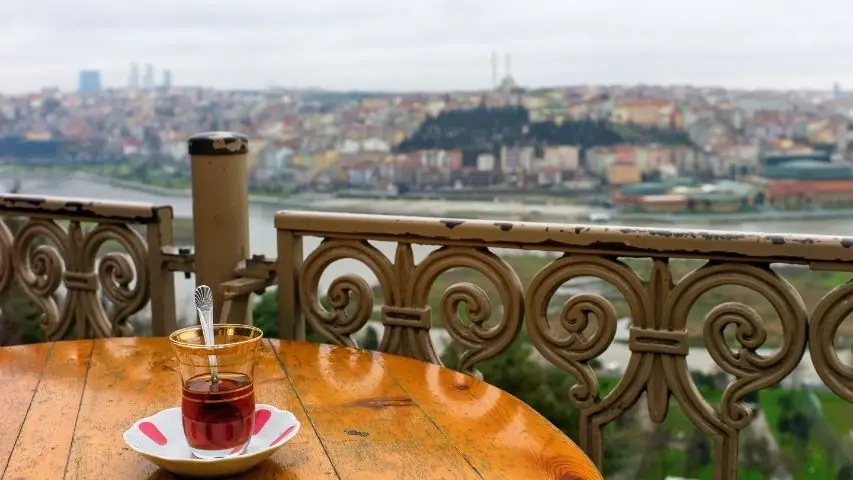
The TF2 cable car climbs from the Eyüp shore to the Pierre Loti terrace in under three minutes, saving a steep cemetery-path walk. It runs daily into the evening. The walk down through the historic Ottoman cemetery, on the other hand, is worth doing at least one way — likewise the tea at the top, which is mandatory in spirit.
On foot and by tram
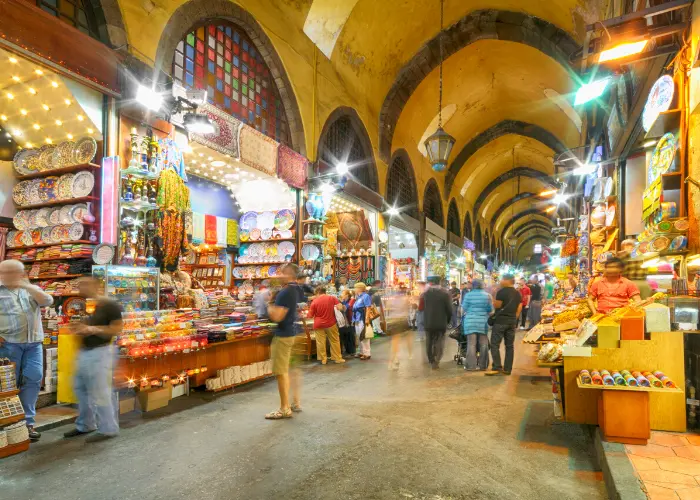
Balat and Fener reward slow walking more than any route-planning — aim vaguely uphill and get lost properly. The T5 tram runs the old-city shore from Eminönü toward Eyüp if feet give out. For example, pairing the Spice Bazaar with a Balat afternoon makes a natural day: start at the market, ferry two stops, wander.
When to go
Weekday mornings give Balat's photogenic lanes room to breathe — weekend afternoons are a queue for the same three doorsteps. Similarly, Eyüp and Pierre Loti belong to late afternoon: the sun drops straight down the Horn, and the tea terrace faces it. We found sunset from Pierre Loti the single best free view-per-lira in the city.
Fact-checked against official sources · September 1, 2026 · TURSAB-licensed operator
Tours
Golden Horn Cruises & Tours
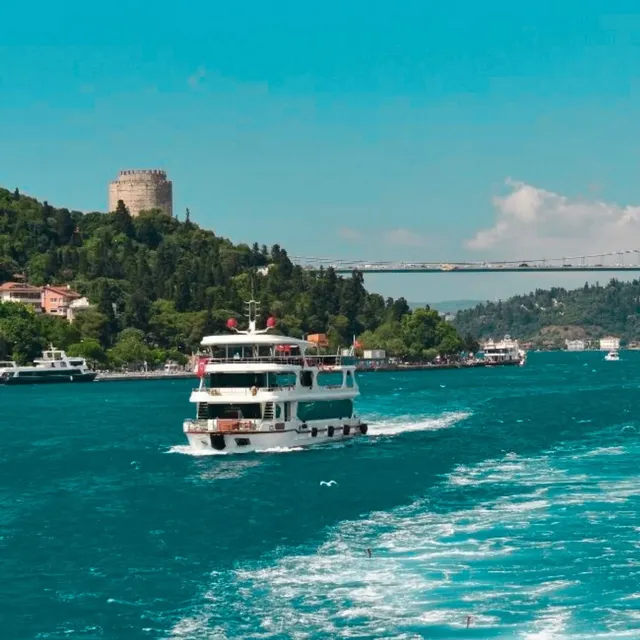
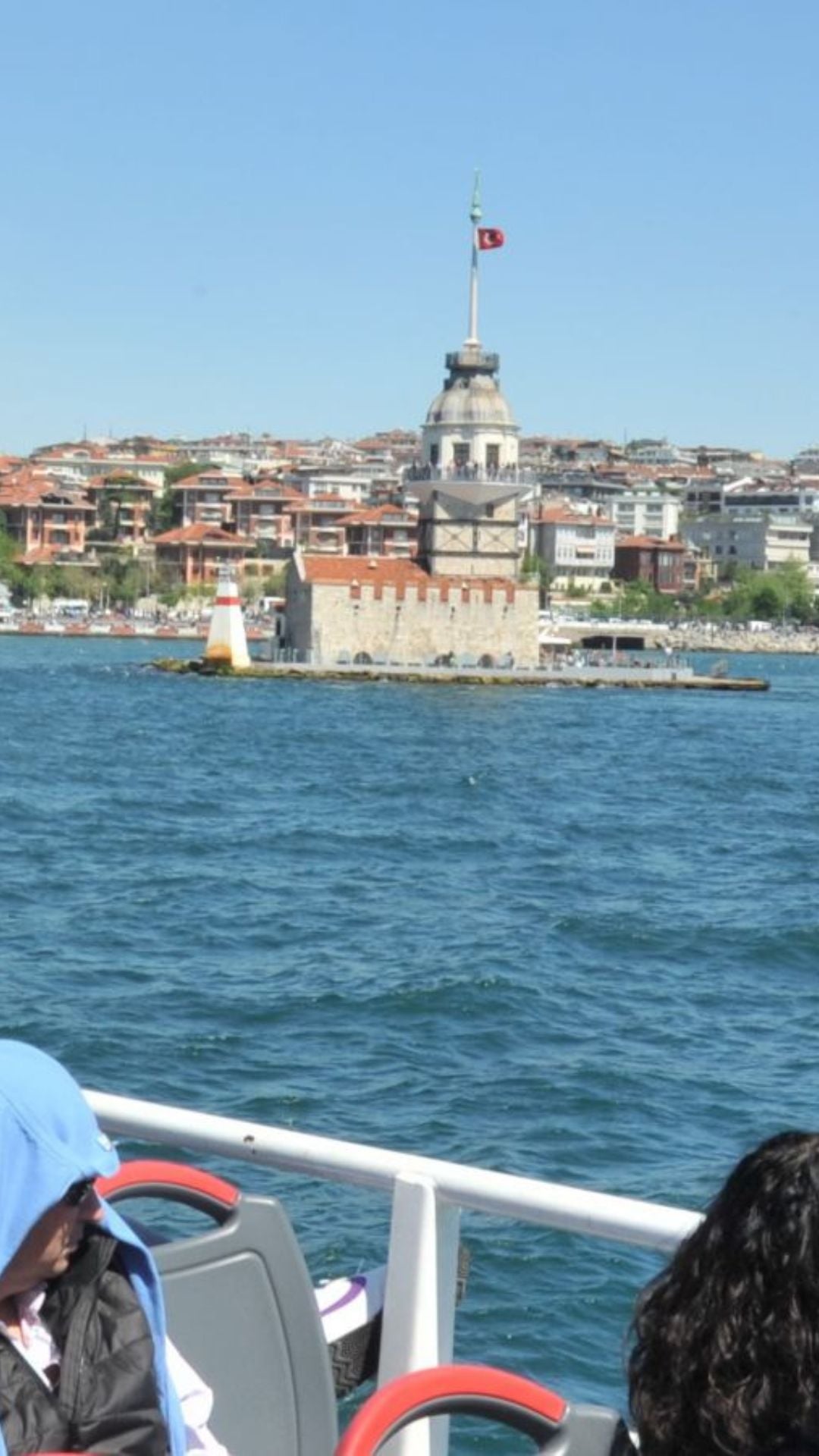
The shoreline is free and the public ferry is nearly so — so what is worth booking? The Golden Horn and Bosphorus sightseeing cruise combines both waterways with commentary in one loop, solving the "which boat" question for first-timers. In addition, the Pierre Loti audio guide turns the hill and its cemetery path into a story rather than a staircase. If your Istanbul plan runs wider, check what a city pass includes along the Horn. Current prices are on the cards below.


FAQ
Frequently Asked Questions
A 7.5-kilometer natural inlet branching off the Bosphorus, in fact a drowned river valley, separating the historic peninsula from Galata and Beyoğlu. It served as the city's main harbor for two millennia and is now lined with historic neighborhoods, museums, and parks.
The horn is the shape — the inlet curves like one. The gold has two traditional explanations: the metallic color of the water at sunset, and the trade wealth the harbor brought Byzantium. Both stories are old; neither is provable.
Yes — it is the cheapest great day in Istanbul. Balat's painted lanes, the Pierre Loti viewpoint, and the museum shore are all connected by a public ferry that costs the same as a bus ride.
Take the Haliç ferry to the Fener or Balat piers, the T5 tram along the shore, or a short taxi from Eminönü. The neighborhoods are best explored on foot once you arrive — the famous streets climb uphill from the water.
A hilltop terrace above Eyüp with the definitive view down the Golden Horn, named for the French novelist who wrote in a café here. The TF2 cable car climbs from the shore in under three minutes; sunset is its hour.
Yes — sightseeing cruises loop the Horn and the Bosphorus together, and the public Haliç ferry offers the budget version, nine piers for the price of a city ride.
Still have questions?
Our Istanbul travel experts are happy to help.
Nearby