Everything You Need to Know
Updated April 2026 · 22 min read · By Istanbul.com Editorial
Istanbul at a Glance

Best Time to Visit Istanbul
Istanbul is a year-round destination, and each season brings its own character. The right time to visit depends on whether you prioritize mild weather, lower prices, or thinner crowds. Here is a season-by-season breakdown to help you choose.
Watch: Istanbul Through the Seasons (2 min)
Spring (April – May) Tulip Season
Spring is arguably the finest time to visit. April is Istanbul Tulip Festival season, when the city plants millions of bulbs along boulevards, in Emirgan Park, and around the major mosques. Daytime temperatures are pleasant, averaging 15 to 21 degrees Celsius, and the rain tapers off as May arrives. The tourist season is building but has not yet peaked, which means shorter queues at Hagia Sophia and Topkapi Palace. Hotel rates are moderate, and you can find excellent deals if you book a few weeks ahead.
Summer (June – August) Peak Season
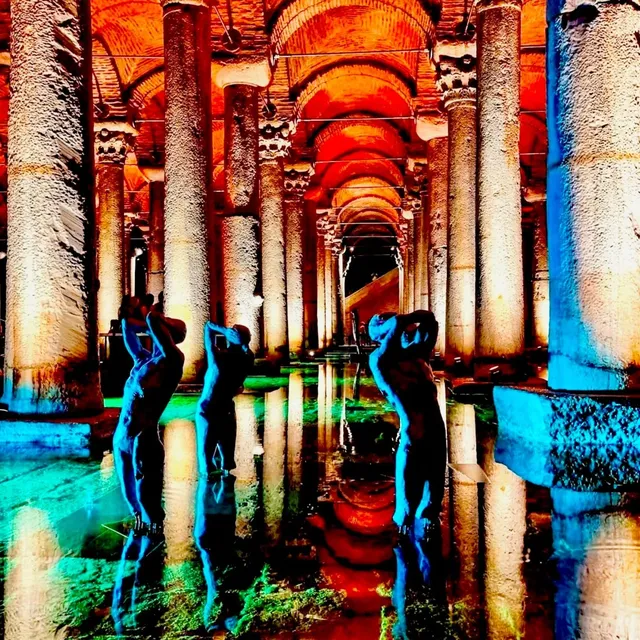
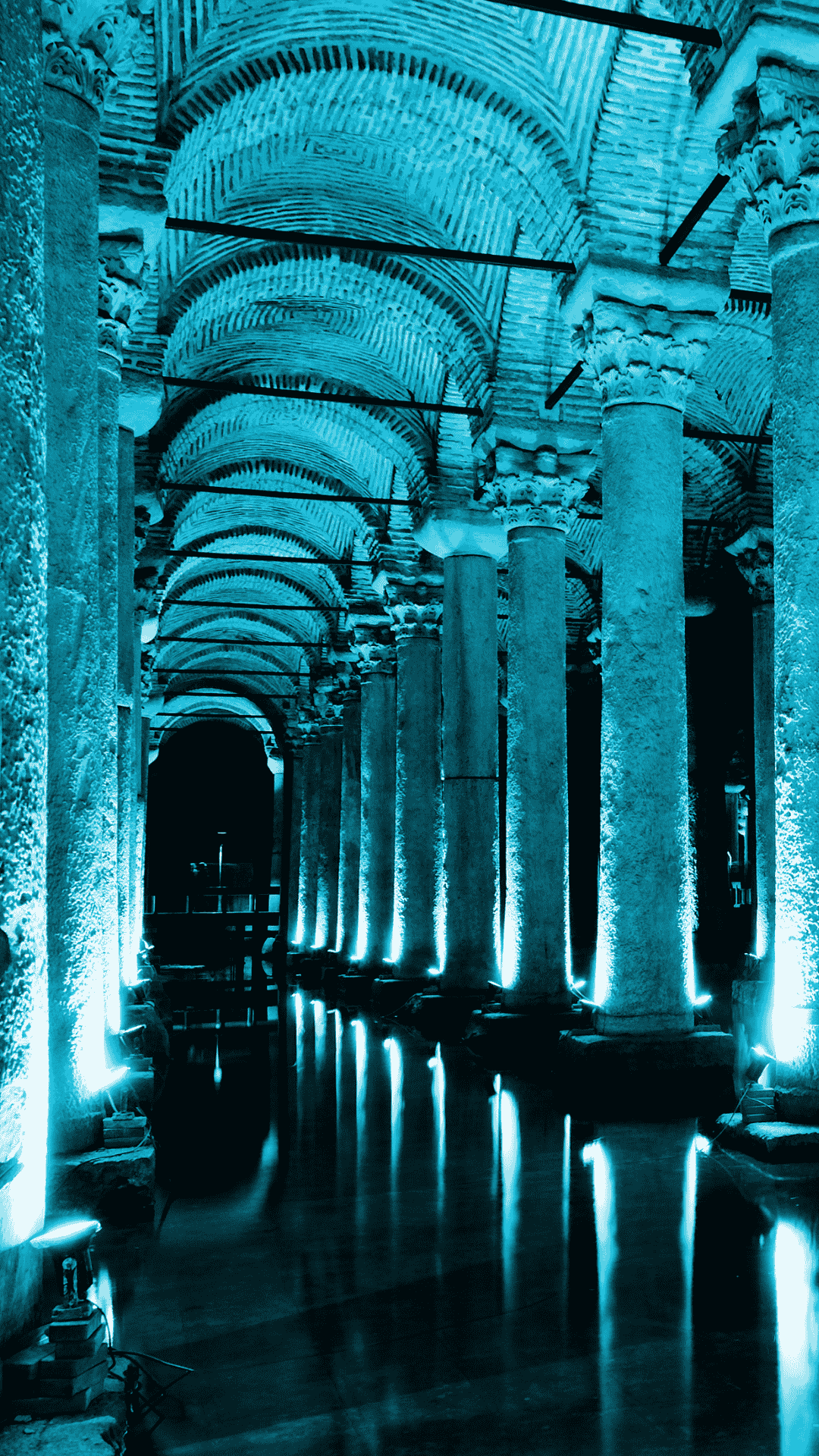
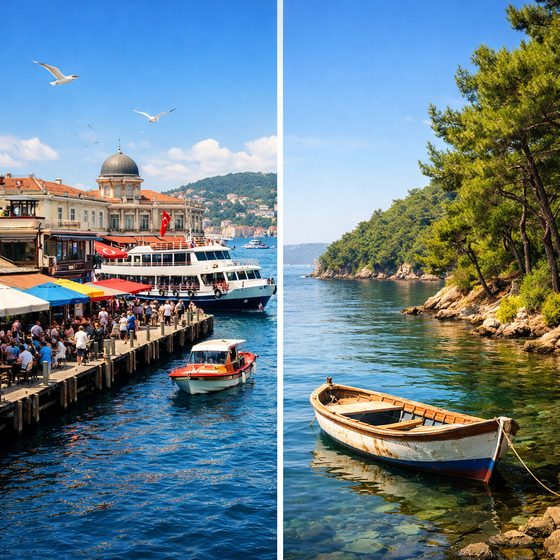
Summer brings the warmest weather and the largest crowds. Temperatures regularly reach 30 to 34 degrees Celsius in July and August, and the humidity near the water can make sightseeing on foot tiring by midday. That said, long daylight hours mean you can start early and visit the outdoor sights before the heat sets in, then spend afternoons in the cool interiors of the Grand Bazaar or Basilica Cistern. This is also the best time for Bosphorus boat tours and evening meals on waterfront terraces. Expect peak-season pricing on accommodation and popular tours.
Autumn (September – November) Perfect Weather
Many seasoned visitors consider September and October the absolute sweet spot. The summer heat has broken, temperatures sit between 18 and 26 degrees, and the light over the Bosphorus takes on a warm, golden quality that photographers love. Crowds thin noticeably after mid-October, and hotel prices begin to drop. November can be rainy, but the city takes on a moody charm, and you will find museum exhibitions and gallery openings filling the cultural calendar.
Winter (December – March) Fewer Tourists, Lower Prices

Where to Stay Best Neighborhoods

Sultanahmet The Historic Heart
Sultanahmet: Budget to Luxury
Historic & Walkable
Best for: First-time visitors
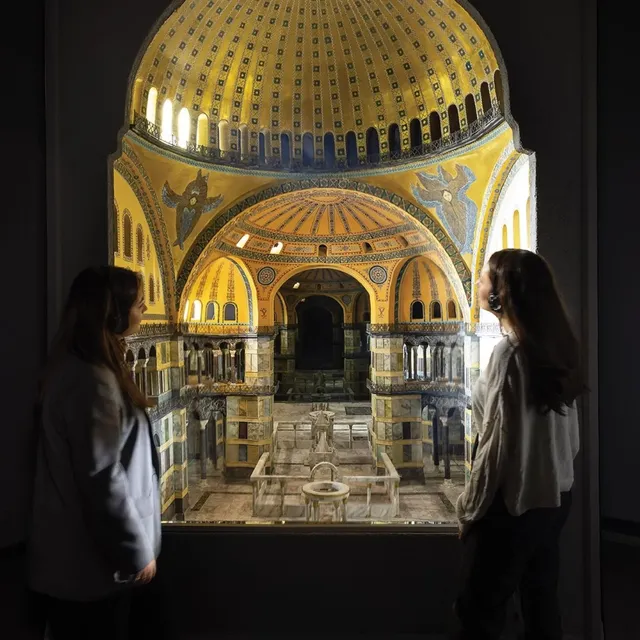
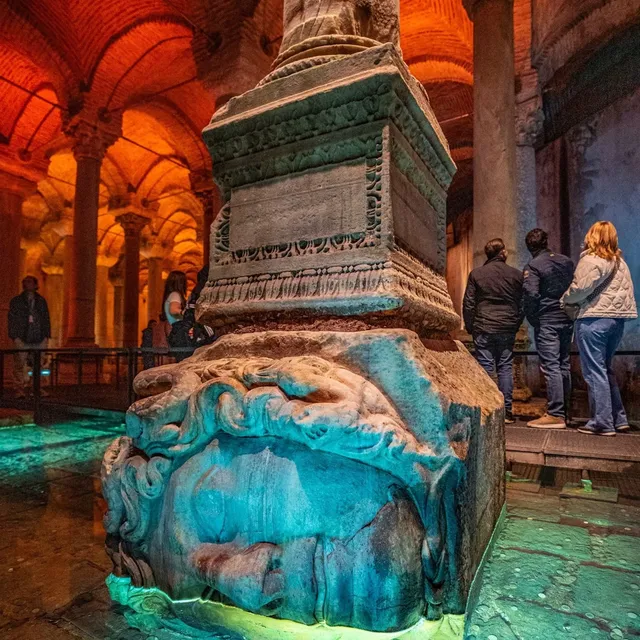
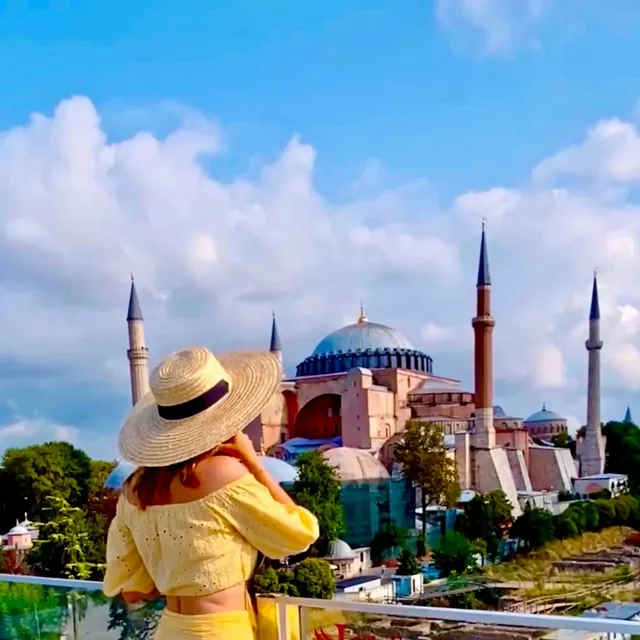
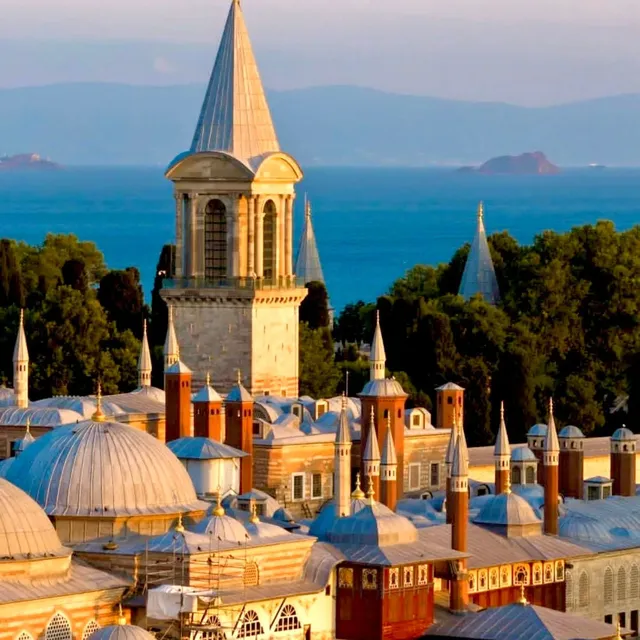
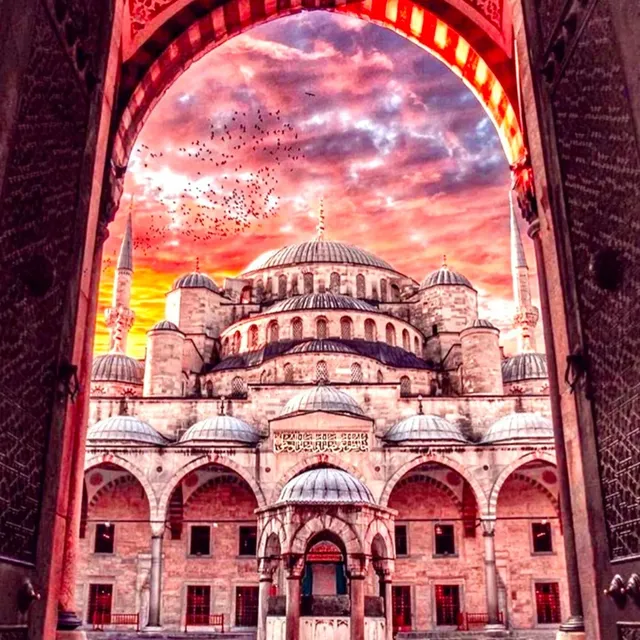
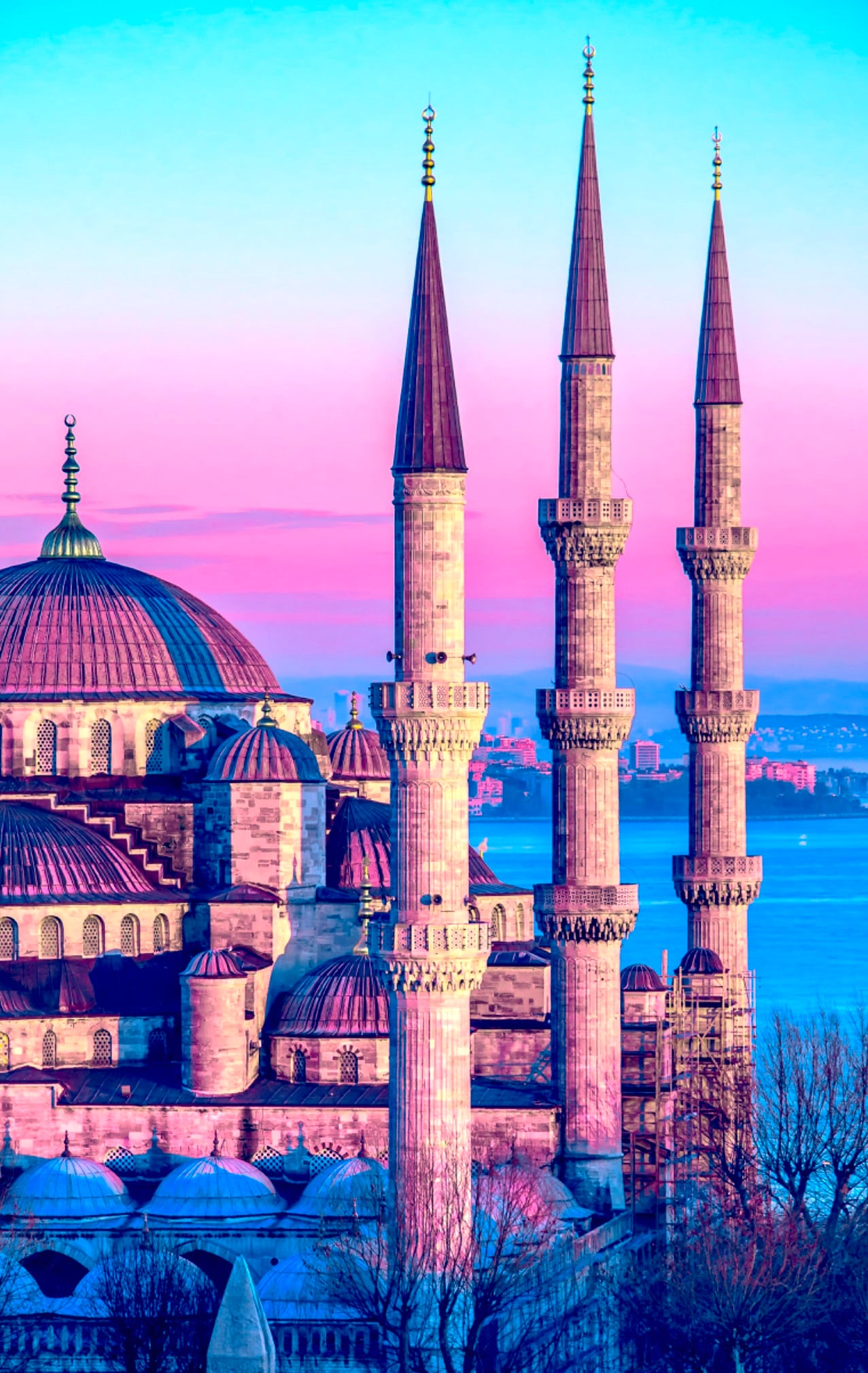
Sultanahmet is where most first-time visitors stay, and for good reason. Hagia Sophia, the Blue Mosque, Topkapi Palace, the Basilica Cistern, and the Grand Bazaar are all within walking distance. Many of the Historic Peninsula's best-known landmarks can be reached on foot from Sultanahmet, while public transport is useful for attractions in other parts of the city and the tram line connects you to the rest of the European side. Accommodation ranges from budget hostels in converted Ottoman houses to luxury hotels with rooftop terraces overlooking the Sea of Marmara.
The main trade-off is that Sultanahmet is heavily tourist-oriented. Restaurants close to the main landmarks can be more visitor-oriented and may charge higher prices, so comparing menus and recent reviews is worthwhile. After dark the area quiets down considerably, so if you want nightlife you will need to head to Beyoglu or Karakoy. Still, for a first visit of three to five days, you simply cannot beat the convenience of waking up steps from fifteen centuries of world history.
Beyoglu & Taksim The Beating Pulse
Beyoglu & Taksim: Mid-range
Lively & Cosmopolitan
Best for: Nightlife & culture
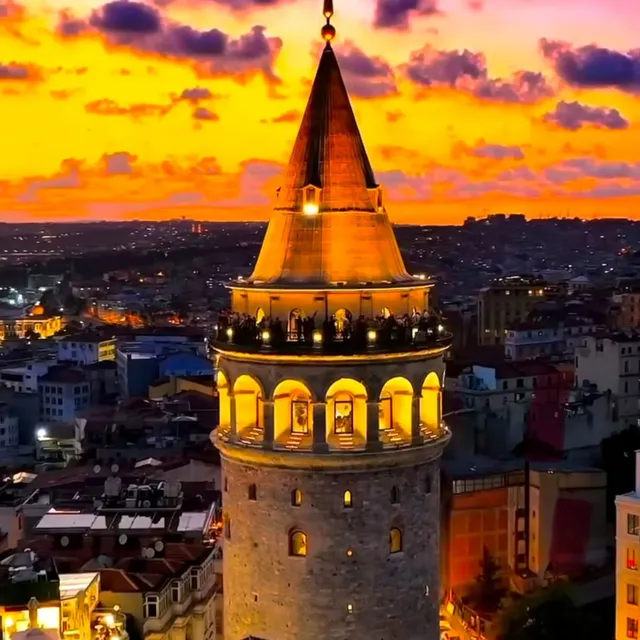
Beyoglu is the cultural heart of modern Istanbul. Istiklal Avenue, the famous pedestrian thoroughfare, runs from Taksim Square down to the Tunel funicular, lined with bookshops, cinemas, rooftop bars, and churches tucked into side streets. The neighborhood is home to a thriving arts scene, excellent restaurants, and the city's best nightlife. You are also close to several galleries, the Pera Museum, and the historic Galata Tower.
The downside is noise. Istiklal Avenue is lively until the early hours, so light sleepers should look for hotels on quieter side streets like Cihangir or Cukurcuma. Public transport connections are excellent, with the M2 metro at Taksim and the nostalgic tramway running along Istiklal. Budget to mid-range accommodation is plentiful, and the food scene here is diverse, spanning everything from meyhane (Turkish tavern) dining to modern fusion kitchens.
Karakoy The Foodie Quarter
Karakoy: Mid-range to Upscale
Trendy & Creative
Best for: Food & design lovers
Karakoy has transformed from a gritty port district into one of Istanbul's most exciting neighborhoods over the past decade. The streets are now home to specialty coffee roasters, third-wave bakeries, contemporary art galleries, and design-forward boutique hotels.Its waterfront location places it near the meeting point of the Golden Horn and the Bosphorus. Ferries to the Asian side depart from Karakoy itself, as well as from nearby Eminonu and Kabatas.
Karakoy's compact size is part of its charm. You can reach the Historic Peninsula by crossing the Galata Bridge and continuing on foot or by tram. Galata and central Beyoglu are uphill from Karakoy. The hotel scene skews toward stylish mid-range and boutique properties, and the food here is exceptional. For the best value, look for accommodation on the quieter streets behind the main waterfront boulevard, where you get the same location at a fraction of the price.
Kadikoy The Local Side
Kadikoy: Budget to Mid-range
Authentic & Relaxed
Best for: Repeat visitors & local life
Cross the Bosphorus to the Asian side and you enter a different world. Kadikoy is where Istanbulites go for weekend brunch, market shopping, and evenings around Kadife Street, the Kadikoy Market area, and Moda. The Kadikoy Market (known locally as the Carsisi) is one of the city's finest food markets, with stalls selling fresh fish, olives, cheeses, spices, and pastries. The neighborhood has an easy, unhurried energy that is a different atmosphere from the Historic Peninsula and Istanbul's busiest visitor districts.
Getting to the historic sights requires a ferry ride of about twenty minutes, which is actually one of the pleasures of staying here. The commuter ferries between Kadikoy and Eminonu are inexpensive and offer stunning Bosphorus views that rival any paid boat tour. Accommodation tends to be more affordable, and you will eat better for less. The area around Moda, a leafy sub-neighborhood with a waterfront promenade, is particularly charming.
Besiktas Bosphorus Views
Besiktas: Mid-range to Upscale
Upscale & Scenic
Best for: Bosphorus atmosphere
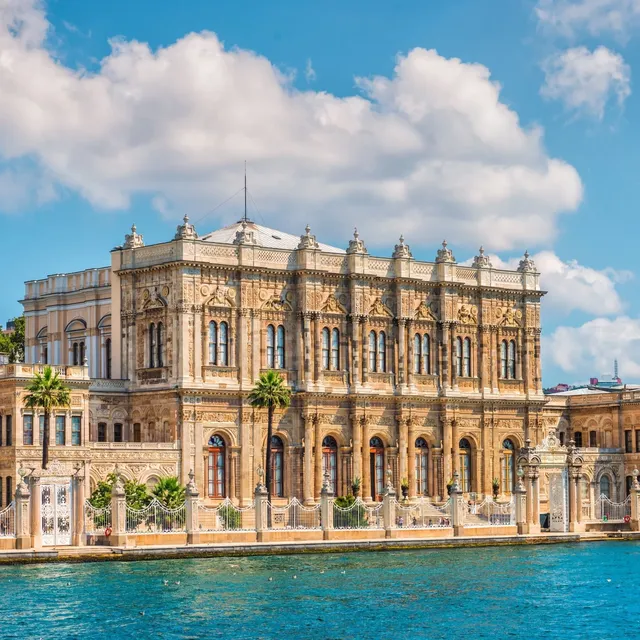
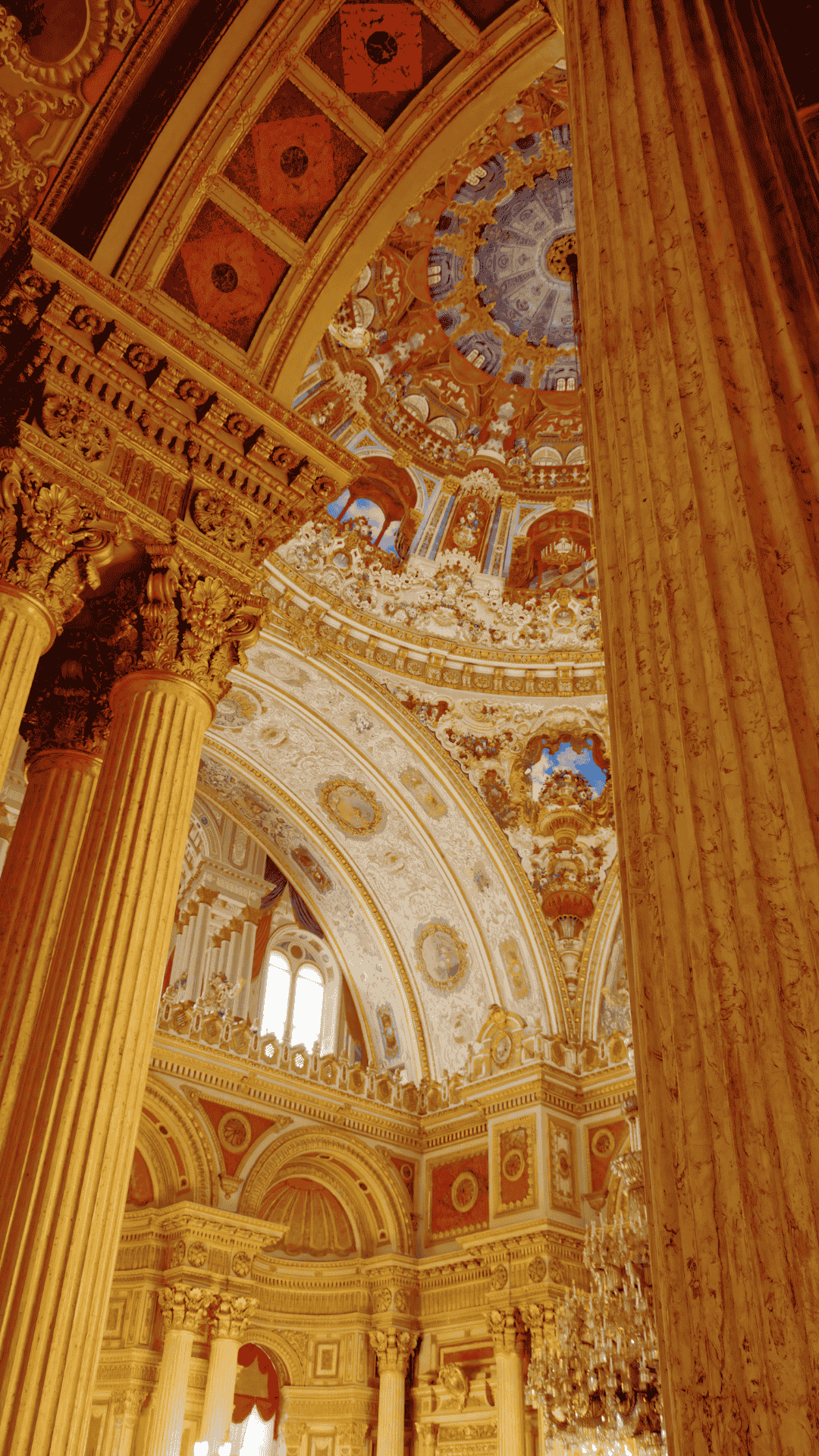
Besiktas sits on the European shore north of Karakoy, wrapped around the ornate Dolmabahce Palace and the tree-lined Yildiz Park. It is one of Istanbul's most livable neighborhoods, popular with students, young professionals, and residents drawn to its transport links, market streets, waterfront, and lively social scene. The area has a strong local identity, with a lively fish market, excellent street food, and some of the city's most passionate football fans (this is the home turf of Besiktas JK).
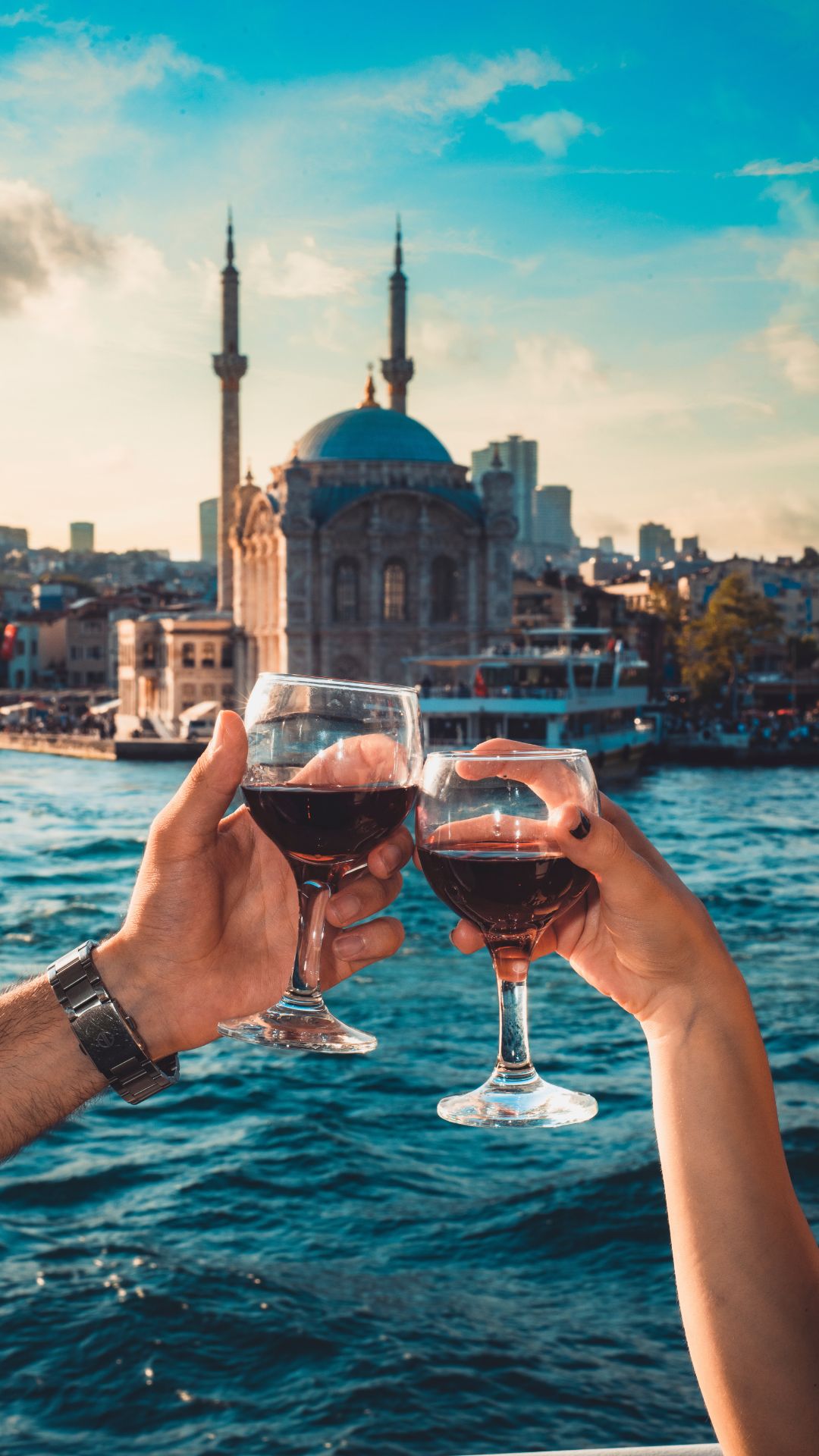
For visitors, Besiktas offers proximity to the Bosphorus waterfront, Ortakoy Mosque, and the 15 July Martyrs' Bridge, the first permanent road bridge built across the Bosphorus. It is well served by buses and the Kabatas tram-funicular link. Hotels here tend toward the mid-range and upscale, and several properties offer rooms with direct Bosphorus views. It is an excellent choice for travelers who have already covered the Sultanahmet sights on a previous trip and want a more residential, less tourist-focused experience.
Getting to Istanbul Airport & Arrival

Istanbul Airport (IST)
Istanbul Airport was officially opened on October 29, 2018, with the main transfer of commercial operations completed in April 2019. It handles the majority of international flights, and serves as the principal hub for Turkish Airlines and many international carriers. The terminal is modern and well-organized, with clear signage in English, free Wi-Fi, numerous ATMs, and duty-free shopping. Passport-control waiting times vary considerably depending on arrival traffic, nationality, documentation, and staffing. Make sure your passport and any required visa documents are ready.
Sabiha Gokcen Airport (SAW)
Sabiha Gokcen sits on the Asian side of Istanbul, roughly 40 kilometers southeast of Sultanahmet. It is the preferred hub for low-cost carriers like Pegasus Airlines and handles a growing number of international budget flights. The terminal is smaller and less polished than IST, but perfectly functional. If your hotel is on the Asian side (Kadikoy, Uskudar), Sabiha Gokcen may actually be more convenient.
Airport to City Center Transport
Both airports offer several transfer options. The best choice depends on your budget, the time of day, and where your hotel is located. Below is a comparison of the most common methods from Istanbul Airport to Sultanahmet, the most popular hotel district.
| Transport | Route | Duration | Approx. Cost |
|---|---|---|---|
| Havaist Shuttle | Direct to Sultanahmet | 60–90 min | ~€8 |
| Metro + Tram | M11 to Gayrettepe, then M2 + T1 | 90–120 min | ~€2 |
| Private Transfer | Direct door-to-door | 50–70 min | ~€40–60 |
| Taxi | Direct via highway | 50–70 min | ~€50–80 |
Skip the Airport Hassle
Pre-book your airport transfer for a stress-free arrival in Istanbul.
Getting Around Istanbul

Istanbulkart Your Essential Travel Card
The Istanbulkart is a rechargeable transit card that works on virtually every form of public transport in the city: metro, tram, bus, ferry, funicular, and the Marmaray undersea rail tunnel. Istanbulkart purchase prices and public-transport fares are revised periodically. Check the current official tariff before your trip and each journey costs a fraction of what you would pay buying individual tickets. Perhaps the best feature is the transfer discount: Transfer discounts and refund rules depend on the route, transport mode, and type of Istanbulkart. Some benefits are available only with personalized cards. You can buy an Istanbulkart at airport transit counters, metro stations, and many kiosks around the city.
Metro & Tram
The metro network includes lines on both the European and Asian sides, with the M2 line (Taksim to Yenikapi) and the T1 tram (Kabatas to Bagcilar) being the two routes most useful for visitors. The T1 tram is particularly handy because it stops at Sultanahmet, Eminonu (Grand Bazaar), and Karakoy. The M11 airport metro connects Istanbul Airport to the city center. Services run from approximately 6:00 AM to midnight, with trains arriving every four to eight minutes during peak hours.
Ferries
Ferry travel is one of Istanbul's great pleasures. The main commuter ferries operated by Sehir Hatlari and private companies run between Eminonu, Karakoy, Kadikoy, Uskudar, and Besiktas. Ferry fares vary by route and are not necessarily the same as metro fares. Some longer routes use distance-based pricing and require passengers to tap at a refund machine after leaving the ferry, and the views from the deck are spectacular. For a longer journey on the water, compare regular Bosphorus ferry routes with the official Şehir Hatları Long and Short Bosphorus Tours. Routes, schedules, fares, and stopping points differ.
Taxis & Ride-Sharing
Istanbul has tens of thousands of yellow taxis, and hailing one is rarely a problem. All licensed taxis are required to run a digital meter. Taxi fares depend on distance, traffic, waiting time, tolls, and the current UKOME tariff. Ask for the meter to be used and consider checking the estimated route and fare through a licensed taxi app. However, the taxi experience can be inconsistent: some drivers take longer routes or forget to start the meter. Using the BiTaksi app gives you fare estimates, GPS tracking, and the ability to rate your driver, which largely eliminates these issues. Ride-hailing apps available in Istanbul generally connect passengers with licensed taxis. Availability and payment options vary by app and location.
Walking
Many of Istanbul's best sights are best explored on foot. The Sultanahmet district, the streets of Balat, the Galata Bridge to Beyoglu walk, and the Kadikoy waterfront promenade are all rewarding for walkers. Be prepared for hills Istanbul is built on seven hills like Rome, and some of the inclines between Karakoy and Beyoglu are steep. Wear comfortable shoes with good grip, especially in wet weather when cobblestones can be slippery.
Get Unlimited Transport
The Istanbul Transport Pass covers metro, tram, ferry, and bus for your entire stay.
Istanbul on a Budget

Visa & Entry Requirements

Who Needs a Visa?
Citizens of most countries need either a visa or an e-Visa to enter Turkey. The type of entry permission depends on your nationality. Some passport holders, including those from Germany, Japan, South Korea, and most South American countries, can enter visa-free for stays of up to 90 days within a 180-day period. Visa requirements depend on nationality and passport type. Ordinary passport holders from the United States, United Kingdom, Canada, and Australia are currently exempt from visas for tourist stays of up to 90 days within a 180-day period. Travelers should verify the latest rule for their own passport before departure.
The E-Visa Process
The e-Visa is straightforward and takes about five minutes to complete. Visit the official Turkish government e-Visa website (evisa.gov.tr), enter your nationality and travel dates, pay the fee (typically 20 to 60 USD depending on nationality), and receive your visa by email. Print a copy or save it on your phone. The e-Visa is valid for 180 days from the date of issue and permits a stay of up to 90 days. Be cautious of third-party websites that charge inflated fees for the same service always use the official government portal.
Visa-Free Countries
As of 2026, citizens of over 90 countries can enter Turkey without a visa for tourist stays. The list includes EU member states (except some which require an e-Visa), Argentina, Brazil, Chile, Japan, Malaysia, New Zealand, Singapore, South Korea, and others. Visa-free stays are typically limited to 90 days within any 180-day rolling period. Always check the latest requirements on the official Turkish Ministry of Foreign Affairs website before traveling, as rules can change.
Documents to Bring
- Passport: As a general legal rule, the passport must remain valid for at least 60 days beyond the permitted period of stay. Turkish authorities also recommend having a passport valid for at least six months from the date of arrival. Exemptions apply to some nationalities and document types.
- E-Visa printout: Print or save a digital copy on your phone.
- Return or onward ticket: Immigration officers occasionally ask to see proof of onward travel.
- Hotel reservation: A confirmation email or booking reference for your accommodation.
- Travel insurance: Recommended for medical emergencies, cancellations, and travel disruption. Requirements may differ for certain visa applications.
Safety & Practical Advice

Is Istanbul Safe?
Istanbul is generally very safe for tourists. Violent crime against visitors is rare, and you can walk through most central neighborhoods at any hour without concern. Petty theft, particularly pickpocketing in crowded areas like Istiklal Avenue, the Grand Bazaar, and on public transport, is the primary risk. Keep your valuables in a front pocket or a cross-body bag, and be especially aware in crowded trams and at busy ferry terminals. Women traveling solo report feeling safe in Istanbul's main districts, though standard precautions apply, particularly late at night in quieter areas.
Common Scams to Watch For
The most common scam targeting tourists is the "friendly local" approach, where someone strikes up a conversation, invites you to a bar or restaurant, and you end up with an enormously inflated bill. If a stranger insists on taking you to a specific venue, politely decline. Shoe-shine operators may drop their brush in front of you and then charge an excessive fee after "gratefully" cleaning your shoes. In the Grand Bazaar, always negotiate prices the first quoted price for tourists is typically two to four times the expected final price. None of these are dangerous, but awareness prevents frustration.
Tipping Culture
Tipping in Istanbul is customary but not as rigid as in the United States. In restaurants, leaving 5 to 15 percent of the total bill is standard, depending on the level of service. Many locals simply round up. In cafes, dropping the small change from your order into the tip jar is appreciated. Taxi drivers do not expect a tip, but rounding up the fare is common. Hotel porters typically receive 20 to 50 Turkish Lira per bag. If you take a guided tour, tipping the guide 50 to 100 Lira for a half-day tour is a kind gesture.
Dress Code for Mosques
Istanbul's mosques are active places of worship, and visitors are welcome as long as they dress respectfully. Both men and women should cover their shoulders and knees. Women must cover their hair with a headscarf (many mosques provide loaners at the entrance if you do not have one). Shoes are removed before entering, so slip-on footwear is convenient. Tourist access may pause before and during prayer times. Friday midday prayers are particularly busy, so check the visiting arrangements of the specific mosque before arrival.. Photography is generally permitted, but turn off your flash and be discreet.
Essential Turkish Phrases
A few words of Turkish go a remarkably long way. Locals light up when visitors attempt even basic phrases, and it can lead to warmer interactions, better service, and the occasional free cup of tea.
Merhaba Hello
Tesekkur ederim Thank you
Lutfen Please
Evet / Hayir Yes / No
Ne kadar? How much?
Hesap, lutfen Check, please
Gunaydın Good morning
Iyi aksamlar Good evening
Internet, SIM Cards & Connectivity
Staying connected in Istanbul is straightforward. Internet infrastructure has improved substantially, and free Wi-Fi is available in most hotels, cafes, and restaurants. Here is what you need to know about mobile data and useful apps.
Getting a Turkish SIM Card
The three major carriers are Turkcell, Vodafone, and Turk Telekom. All three offer tourist SIM cards that include generous data allowances (typically 20 to 50 GB for 30 days) at prices ranging from 300 to 600 Turkish Lira (roughly 8 to 16 euros). You can purchase a tourist SIM at official carrier shops in the airport arrivals hall they are clearly signposted and the staff speak English. You will need your passport to register the SIM, which is a legal requirement in Turkey. The registration process takes about ten minutes.
Wi-Fi Availability
Wi-Fi is widely available in hotels and many cafés and restaurants, although speed, access conditions, and reliability vary. Istanbul Metropolitan Municipality also provides free Wi-Fi (IBB Wi-Fi) in many public spaces, parks, and metro stations, though the speed can be inconsistent. If you plan to work remotely, many of Istanbul's specialty coffee shops in Karakoy, Kadikoy, and Cihangir are popular with digital nomads and offer reliable, fast connections.
Useful Apps for Istanbul
- BiTaksi: The best ride-hailing app for Istanbul taxis. GPS tracking, fare estimates, and card payment.
- Moovit or Trafi: Real-time public transport routing, including metro, tram, bus, and ferry schedules.
- Yemeksepeti or Getir: Food delivery apps covering everything from restaurant meals to grocery items.
- Google Translate: The camera translation feature is incredibly useful for reading Turkish menus, signs, and labels.
- Maps.me or Google Maps: Offline maps are essential for navigating the city's labyrinthine backstreets without using mobile data.
What to Pack for Istanbul
Istanbul's varied terrain and cultural expectations mean packing requires a bit more thought than a typical European city break. The essentials depend on the season, but certain items are useful year-round.
Year-Round Essentials
- Comfortable walking shoes: Istanbul is a city of hills and cobblestones. Bring shoes that are broken in, supportive, and have good grip. Sandals or flip-flops are not enough for a full day of sightseeing.
- A scarf or shawl: Useful for mosque visits (women can use it as a head covering), sun protection, and layering in air-conditioned spaces.
- A cross-body bag or money belt: Keep your passport, phone, and wallet secure in crowded markets and on public transport.
- Modest clothing for mosque visits: Long trousers or a skirt below the knee, and a top that covers your shoulders. This applies to both men and women.
- A reusable water bottle: Tap water is safe for brushing teeth but most visitors prefer bottled water. A bottle with a filter lets you refill anywhere.
- Universal power adapter: Turkey uses Type C and Type F plugs (standard European two-pin). If you are coming from the UK, US, or Australia, you will need an adapter.
Spring & Autumn (April–May, September–November)
Layers are the key to spring and autumn comfort. Mornings can be cool (around 12 degrees), afternoons pleasantly warm (20 to 25 degrees), and evenings chilly once the sun sets. Pack a light jacket or cardigan, a couple of long-sleeved tops, and one warmer layer for evening Bosphorus ferry rides when the wind picks up. A compact umbrella is wise, especially in late October and November.
Summer (June–August)
Pack light, breathable clothing in natural fabrics. Cotton and linen keep you comfortable in the 30-plus-degree heat. A sun hat, quality sunscreen (SPF 50 is recommended), and sunglasses are essentials. Despite the heat, remember that you will need modest clothing for mosque visits, so pack at least one pair of lightweight long trousers and a top with sleeves.
Winter (December–March)
A warm, waterproof jacket is the single most important item for a winter visit. Temperatures hover between 3 and 10 degrees, and a cold wind off the Bosphorus can make it feel significantly colder. Pack thermal base layers, a warm sweater, waterproof boots, gloves, and a hat. An umbrella is a daily companion from December through February. On the upside, the cozy interiors of Istanbul's tea houses, bookshops, and heated bazaar passages make winter exploring thoroughly enjoyable.
What Travellers Say About Istanbul
Continue Exploring Istanbul
Things to Do in Istanbul

Istanbul Food Guide

Hagia Sophia Guide

Frequently Asked Questions
A minimum of three full days lets you cover the major landmarks in Sultanahmet, take a Bosphorus cruise, and explore the Grand Bazaar. Five to seven days is ideal for visitors who want to venture into neighborhoods like Kadikoy, Balat, and the Princes' Islands without feeling rushed. If you have ten days or more, you can add day trips to Bursa or the Black Sea coast and still have time to linger in the city's cafes and backstreets.
January and February offer the lowest hotel rates and flight prices. You can find quality four-star accommodation for 40 to 60 percent less than peak-season rates, though expect cold weather and occasional rain. For a balance of good weather and lower prices, early November and late March are excellent shoulder-season picks.
Central areas like Sultanahmet, Eminonu, Karakoy, and Beyoglu are very walkable, though prepare for steep hills. The walk from Karakoy to Galata Tower involves a significant uphill climb. For longer distances, the metro, tram, and ferry network is excellent. Most visitors combine walking with one or two transit rides per day.
Travel insurance is not mandatory for entry, but it is strongly recommended. Medical care in Istanbul's private hospitals is excellent but expensive without coverage. A comprehensive policy covering medical evacuation, trip cancellation, and lost luggage typically costs between 30 and 80 euros for a week-long trip. Check whether your credit card or existing health plan provides any overseas coverage before purchasing a separate policy.
Istanbul's tap water is treated and considered safe from a bacteriological standpoint, but the aging pipe infrastructure means most locals and visitors prefer bottled or filtered water. Large refillable bottles (5 liters) cost about one euro from any supermarket or corner shop. Hotels and restaurants always serve bottled water.
The official currency is the Turkish Lira (TRY). Euros and US Dollars are sometimes accepted at tourist shops, carpet dealers, and high-end hotels, but you will receive a better exchange rate by paying in Lira. ATMs are widely available and most accept international cards. Credit and debit cards are accepted almost everywhere in central Istanbul, including taxis, restaurants, and small shops.
Uber operates in Istanbul but has a complicated relationship with traditional taxi drivers. The most popular local ride-hailing app is BiTaksi, which connects you to licensed yellow taxis with GPS tracking, fare estimates, and card payment options. It works reliably and eliminates the occasional meter-related issues that can arise with street hails.
In tourist areas like Sultanahmet, Taksim, Karakoy, and the Grand Bazaar, you will find many English speakers, especially younger residents and anyone working in hospitality. In more local neighborhoods and the Asian side, English is less common. Learning a few basic Turkish phrases even just "merhaba" (hello) and "tesekkur ederim" (thank you) is appreciated and opens doors.
Istanbul is in the Turkey Time Zone (TRT), which is UTC+3 year-round. Turkey does not observe daylight saving time, so the offset remains constant throughout the year. This means Istanbul is one hour ahead of Central European Time in winter and the same as Central European Summer Time. It is eight hours ahead of US Eastern Standard Time and six hours ahead during US Eastern Daylight Time.
Tipping is customary but not obligatory. In restaurants, 5 to 15 percent of the bill is standard depending on the level of service. Many locals simply round up to the nearest convenient number. Taxi drivers do not expect tips, but rounding up the fare is a common and appreciated gesture. Hotel porters typically receive 20 to 50 Turkish Lira per bag, and tour guides appreciate 50 to 100 Lira for a half-day excursion.