Everything You Need to Know
Updated April 2026 · 20 min read · By Istanbul.com Editorial
Must-Try Turkish Dishes in Istanbul

Kebab Varieties (Adana, Iskender, Beyti)
The word "kebab" barely scratches the surface of what awaits you in Istanbul. The Adana kebab, named after the southern city, is hand-minced lamb mixed with tail fat and Urfa pepper flakes, pressed onto a wide flat skewer and grilled over hardwood charcoal until the exterior crisps while the interior stays juicy and almost molten. The Iskender kebab, arguably Turkey's most celebrated dish, layers thin shavings of doner meat over cubed pide bread, drowns the whole arrangement in a bright tomato-butter sauce, and finishes with a generous spoonful of tangy yogurt and a dramatic tableside pour of sizzling clarified butter. The Beyti kebab wraps seasoned ground lamb in lavash bread, slices it into pinwheels, and serves it swimming in tomato sauce with yogurt on the side. For the finest kebabs in the city, head to Beyti Restaurant in Florya (the Beyti kebab was literally invented here), Zubeyir Ocakbasi near Taksim for Adana-style grills cooked over a traditional open hearth, or Kebapci Iskender's Istanbul branches for the original Iskender experience. Expect to pay between 250 and 600 Turkish lira (roughly 8 to 18 euros) per person for a full kebab meal with sides and drinks.
Lahmacun (Turkish Pizza)
Calling lahmacun "Turkish pizza" is technically accurate and culturally reductive at the same time. This paper-thin round of dough is spread with a mixture of finely minced lamb or beef, onions, tomatoes, peppers, parsley, and a careful balance of spices including cumin, Aleppo pepper, and sumac, then fired in a wood or stone oven until the edges blister and crisp while the center remains pliable. The proper way to eat it is to squeeze fresh lemon juice across the surface, pile on flat-leaf parsley and thin slices of raw onion, then roll the whole thing into a tight cylinder and eat it with your hands. The best lahmacun in Istanbul comes from southeastern Turkish restaurants. Halil Lahmacun in Kadikoy is a perennial local favorite, producing lahmacun so thin you can nearly read a newspaper through them. A single lahmacun costs 40 to 80 lira (roughly 1 to 2.50 euros), making it one of Istanbul's great cheap eats.
Pide (Turkish Flatbread)
Pide is a boat-shaped flatbread with raised, crimped edges that holds a cargo of melted cheese, ground meat, egg, sucuk (Turkish sausage), or various combinations thereof. Unlike lahmacun, pide has substantial, chewy dough with a satisfying pull, and the best versions come from Black Sea region bakeries that have turned this dish into an art form. Fatih Karadeniz Pidecisi in the Fatih neighborhood is an institution among Istanbul residents, serving Black Sea-style pide with a richly buttered crust and fillings so generous they threaten to overflow the boat. A whole pide, enough for one hungry person or two moderate appetites, runs 120 to 250 lira (4 to 8 euros) depending on the filling.
Balik Ekmek (Fish Sandwich)
Perhaps no dish is more synonymous with the Istanbul waterfront than the balik ekmek, a grilled or fried fish fillet (typically mackerel or sea bass) tucked into a half-loaf of crusty white bread with lettuce, onions, and a squeeze of lemon. The most famous versions are served from bobbing boats at the Eminonu waterfront near the Galata Bridge, where vendors grill fresh fish on open flames as ferries churn through the Golden Horn behind them. The experience of eating a balik ekmek while sitting on the Galata Bridge wall, watching the sun set behind the minarets of the old city, is one of Istanbul's essential sensory moments. A fish sandwich from the Eminonu boats costs about 100 to 150 lira (3 to 5 euros). For a slightly more refined version, the fish markets in Karakoy serve exceptional balik ekmek using the day's freshest catch.
Simit (Sesame Bread Ring)
The simit is Istanbul's answer to the question of what a city's soul food tastes like. These circular breads, encrusted in toasted sesame seeds and baked until deeply golden and slightly chewy, are sold from distinctive red pushcarts on practically every street corner in the city. Eaten plain as a quick breakfast, torn apart and dipped in tea, or split and filled with cheese and tomato, the simit is the one food that unites every social class in Istanbul. A fresh simit costs just 15 to 25 lira (under 1 euro), and the best ones come from bakeries that make them continuously throughout the day so they are always warm. The simit carts near the Bosphorus ferry terminals in Eminonu, Kadikoy, and Besiktas see the highest turnover and therefore serve the freshest product.
Doner
Forget every sad, late-night doner you have ever eaten in a European train station. Istanbul doner is a different creature entirely. Here, the vertical rotating spit holds carefully layered and marinated lamb, beef, or chicken that has been stacked by hand, creating alternating layers of meat and fat that baste continuously as the cone turns beside a vertical charcoal or gas flame. The outer layer is shaved in paper-thin slices that are simultaneously crispy on the edges and melting in the center. The best doner restaurants in Istanbul, like Bayramoglu Doner in Uskudar and Doner Diyari near the Grand Bazaar, use only fresh (never frozen) meat and serve slices so tender they practically dissolve. A doner plate with rice, salad, and bread costs around 150 to 300 lira (5 to 9 euros) depending on the meat and neighborhood.
Kofte (Turkish Meatballs)
Turkish kofte are shaped from a blend of ground lamb or beef mixed with breadcrumbs, egg, onion, and a constellation of spices, then grilled over charcoal until a smoky crust forms around a juicy interior. The most legendary kofte restaurant in Istanbul is Sultanahmet Koftecisi, which has occupied the same spot near the Blue Mosque since 1920 and serves only one thing: grilled kofte with white beans in tomato sauce, pickled hot peppers, and bread. That century of single-minded focus has produced what many consider the city's perfect kofte. A kofte plate here runs about 180 to 250 lira (6 to 8 euros). For an upscale take, Kofte Dunyasi offers creative variations on the classic in a modern setting.
Manti (Turkish Dumplings)
Manti are tiny dumplings, ideally no larger than a thumbnail, filled with seasoned ground lamb and pinched shut, then boiled or steamed and served swimming in a pool of tangy garlic yogurt drizzled with melted butter infused with Aleppo pepper and dried mint. The best manti require extraordinary patience in the kitchen, as the measure of a cook's skill is how many miniature dumplings she can fit on a single spoon. Kayseri cuisine specialists are the masters of this dish, and restaurants like Kayseri Manti Evi in Besiktas and Manti Evi in Beyoglu produce versions that honor the tradition. A plate of manti costs between 120 and 200 lira (4 to 6 euros).
Menemen (Turkish Scrambled Eggs)
Menemen is Turkey's answer to shakshuka, though Turks will rightly argue their version came first and remains superior. Tomatoes, green peppers, and onions are slowly cooked down in butter or olive oil until they form a lush, thick sauce, and then eggs are gently stirred through, creating creamy, soft curds laced with vegetables. It arrives at your table still bubbling in a small copper pan, accompanied by crusty bread for scooping. This is the centerpiece of countless Turkish breakfast tables and a cherished hangover cure. You will find excellent menemen at virtually any breakfast cafe in Istanbul, but the versions at Van Kahvalti Evi in Cihangir and Namli Gurme in Karakoy are particularly revered. Menemen as part of a breakfast spread costs 80 to 150 lira (2.50 to 5 euros) on its own.
Baklava
Istanbul is locked in a perpetual, delicious war with Gaziantep over which city produces the best baklava, and the battlefield is lined with layers of impossibly thin yufka dough, crushed pistachios, and syrup. The finest baklava in Istanbul comes from Karakoy Gulluoglu, a Gaziantep family business that has been operating since the 1800s. Their pistachio baklava features over 40 layers of phyllo dough so thin that each one is essentially transparent, with a filling of bright green Antep pistachios and just enough sugar syrup to bind everything together without cloying sweetness. A kilogram of premium pistachio baklava runs 800 to 1200 lira (25 to 37 euros), but a single portion (two to three pieces) costs just 80 to 120 lira (2.50 to 4 euros) and is easily one of the best things you will eat in Turkey.
Turkish Delight (Lokum)
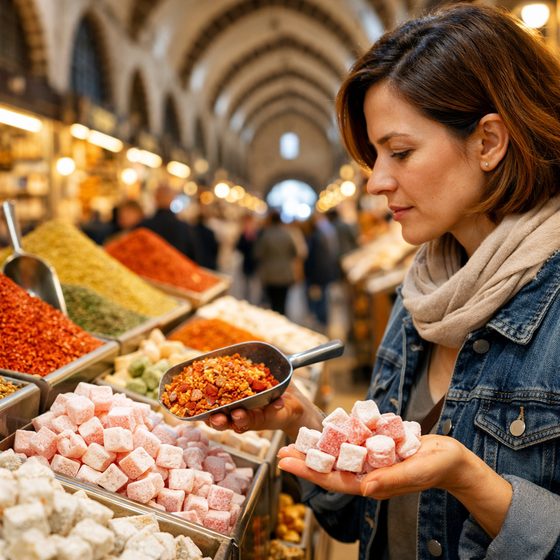
Authentic Turkish delight bears almost no resemblance to the rubbery, rose-scented cubes found in airport gift shops around the world. Real lokum, made properly, has a texture that yields gently under pressure and then melts on the tongue, with flavors ranging from double-roasted pistachio and pomegranate to mastic, bergamot, and saffron-infused cream. Hafiz Mustafa 1864, with multiple locations across Istanbul's historic center, has been producing artisan lokum for over 160 years and offers dozens of varieties displayed like jewels in glass cases. Ali Muhiddin Haci Bekir, founded in 1777, is the original creator of modern lokum and remains a must-visit. Expect to pay 150 to 400 lira (5 to 12 euros) per box depending on size and ingredients.
Kunefe
Kunefe is a dessert that makes no apologies for its decadence. Shredded kadayif (angel hair pastry) is layered around a core of unsalted, stretchy cheese, soaked in butter, then baked in a special wide copper pan until the exterior becomes golden and shatteringly crispy while the cheese inside melts into long, impossibly elastic strands. The whole thing is drenched in sugar syrup and topped with crushed pistachios. Served hot, it delivers a textural experience unlike any other dessert on earth: crunch, then stretch, then melt. The best kunefe in Istanbul is found at Imam Cagdas (another Gaziantep transplant) and Hafiz Mustafa, where they bake individual portions to order. A single serving runs 100 to 180 lira (3 to 6 euros).
Turkish Breakfast (Kahvalti)
Turkish breakfast deserves its own full section below, but no list of must-try foods in Istanbul is complete without acknowledging that kahvalti is not merely a meal but an ideology. A full serpme (spread) breakfast can include 20 to 30 small dishes: multiple cheeses ranging from crumbly beyaz peynir to aged tulum and stringy cecil, three or four types of olives, fresh tomatoes and cucumbers, thick kaymak (clotted cream) with honeycomb, several homemade jams, eggs prepared two or three ways, sucuk, pastirma, borek, fresh bread still warm from the oven, and unlimited cay (tea). It is meant to last at least an hour and ideally two. Budget 200 to 500 lira (6 to 15 euros) per person for a full breakfast spread.
Turkish Tea (Cay)
Tea is not a beverage in Istanbul so much as a social institution, a punctuation mark for every conversation and transaction, and the fuel that keeps 16 million people in motion. Brewed strong in a double-stacked caydanlik (teapot), poured into tulip-shaped glasses without milk or sugar (though sugar cubes are always offered), Turkish cay is reddish-brown, aromatic, and slightly astringent. It is served everywhere, all the time, often for free as a gesture of hospitality in shops and businesses. Tea gardens (cay bahcesi) overlooking the Bosphorus, like those in Kuzguncuk and the Pierre Loti hill in Eyup, offer the most atmospheric settings. A glass of tea costs 10 to 30 lira (well under 1 euro) and is refilled endlessly.
Turkish Coffee
Turkish coffee is a UNESCO Intangible Cultural Heritage for good reason. Finely ground coffee and water (and sugar, if desired) are combined in a small brass cezve and heated slowly until a thick crema foam rises to the surface. The result is an intensely flavored, unfiltered brew served in a small cup alongside a glass of water and a piece of Turkish delight. Do not drink the last sip, which contains the settled grounds, and if you are feeling adventurous, flip your cup upside down onto the saucer and let a local read your fortune in the grounds (fal). Mandabatmaz near Taksim Square has been serving what many consider Istanbul's finest Turkish coffee since 1967, in a tiny shop where the barista's technique is mesmerizing. A cup costs 40 to 80 lira (1 to 2.50 euros).
Good to Know
Turkish cuisine varies significantly by region. Many of Istanbul's best restaurants specialize in the cooking of a particular region: southeastern (Gaziantep, Urfa) for kebabs and baklava, Black Sea for pide and anchovy dishes, Aegean for olive oil and vegetable dishes. Asking a restaurant about its regional specialty is always a good conversation starter.
Best Street Food & Where to Find It

Eminonu: Waterfront Legends
Eminonu is ground zero for Istanbul street food, a chaotic, aromatic swirl of activity at the southern end of the Galata Bridge where the Golden Horn meets the Bosphorus. The grilled fish sandwich boats (balik ekmek) are the most photographed street food operation in the city, but the real treasure of Eminonu is the midye dolma vendor: stuffed mussels filled with herbed, spiced rice, pine nuts, and currants, served with a squeeze of lemon. A skilled midye vendor can shuck and serve a stuffed mussel in under two seconds, and the best vendors draw lines that snake around the corner. Look for the carts near the Spice Bazaar entrance where locals, not tourists, are queuing. Midye dolma cost 10 to 20 lira per piece. The Eminonu underpass also harbors excellent kokorec (seasoned lamb intestines on a horizontal spit, chopped and served in bread) for the adventurous.
Sultanahmet & Sirkeci: Classics with a Tourist Premium
The historic peninsula around the Blue Mosque and Hagia Sophia is tourist territory, and prices reflect that, but there are still excellent street food finds if you know where to look. Sirkeci, the neighborhood just north of Sultanahmet toward the train station, has a cluster of excellent simit bakeries and doner shops that serve the local office workers at lunch. Avoid the restaurants with English menus and aggressive touts on the main Sultanahmet drag (Divan Yolu), and instead duck into the side streets toward the Istanbul University campus where you will find cheap tantuni (stir-fried beef strips wrapped in lavash, a Mersin specialty) and cigkofte durum (spiced raw bulgur wraps) for 50 to 100 lira. The simit carts outside Sirkeci station are reliably excellent and serve a constant stream of commuters.
Karakoy: Seafood and Savory Pastries
Karakoy has transformed over the past decade from a gritty port district into one of Istanbul's most exciting food neighborhoods, but its street food roots run deep. The Karakoy borekcileri (borek bakeries) have been here for generations, producing flaky, buttery su boregi (water borek) and crispy sigara boregi (cigar-shaped fried pastries filled with feta and parsley) from predawn hours. Karakoy Gulluoglu, the baklava institution, opens early and stays packed all day. The fish market tucked behind the main street offers the freshest balik ekmek in Istanbul, arguably better than the Eminonu boats because the fish is purchased, filleted, and grilled within meters of where it was unloaded from the boats. Walk through the Karakoy fish market around noon on a weekday and you will find some of the finest casual seafood eating anywhere in the Mediterranean.
Kadikoy Market: The Asian Side's Pantry
Crossing the Bosphorus to Kadikoy is one of the smartest food decisions you can make in Istanbul. The Kadikoy market district, a labyrinth of narrow streets branching off from the main produce market, is a food lover's paradise that most tourists never reach. Here you will find gozleme (savory stuffed flatbreads cooked on a convex griddle) made by headscarved women rolling dough to translucent thinness and filling it with spinach, potato, or minced meat. The market's pickle shops (tursucu) sell dozens of varieties of pickled vegetables from huge barrels, along with salgam suyu (fermented turnip juice), and the fish restaurants along the Kadikoy waterfront offer the freshest grilled catch at prices 30 to 40 percent lower than the European side. Do not miss Ciya Sofrasi, which is technically a restaurant but operates with the spirit of a street food hall, rotating through hundreds of obscure Anatolian dishes that change daily.
Taksim & Istiklal: Late-Night Feasting
Istiklal Caddesi, the famous pedestrian avenue that runs from Taksim Square down to the Tunel funicular, is the beating heart of Istanbul's late-night street food culture. This is where the city comes to eat after midnight, and the offerings reflect that nocturnal energy. Kokorec vendors here hit their peak around 2 AM, serving Istanbul's most divisive and addictive street food to post-club crowds. The islak hamburger (wet burger), a distinctly Istanbul creation where small, steamed burgers are kept in a glass-fronted steam cabinet until the buns become soft, garlicky, and almost translucent with sauce, is the city's definitive late-night snack. Kizilkayalar at Taksim Square has been the islak burger institution since the 1960s. On the side streets off Istiklal, you will find tantuni shops, cigkofte vendors, and kumpir (loaded baked potatoes with an absurd number of toppings) stalls that stay open until the small hours. Budget 40 to 120 lira (1 to 4 euros) for most items.
Pro Tip
The single best indicator of street food quality in Istanbul is the queue. If a cart or stall has a line of locals waiting patiently while an identical vendor next door stands empty, always join the queue. Istanbulites are discerning eaters who will walk past a dozen mediocre options to reach the one they trust. Follow their lead.
Turkish Breakfast — A Meal Worth Waking Up For

Best Restaurants by Neighborhood

Sultanahmet: Tourist-Friendly with Hidden Gems
Sultanahmet, the historic heart of Istanbul surrounding the Hagia Sophia and Blue Mosque, is heavily touristic and therefore home to some of the city's most overpriced and underwhelming restaurants. However, there are noteworthy exceptions. The rooftop restaurants along Akbiyik Caddesi offer genuinely stunning views of the Blue Mosque's cascading domes, and while you pay a premium for the scenery, the food at places like Seven Hills Restaurant can be excellent. Matbah Restaurant, set in a restored Ottoman-era building, specializes in authentic Ottoman palace cuisine, meticulously researched from historical records, and offers dishes you will not find anywhere else. For honest, well-priced home cooking, step off the main tourist axis and find the small lokanta (cafeteria-style restaurants) frequented by the neighborhood's shopkeepers and university students, where a full lunch with soup, a main, rice, salad, and a drink costs under 150 lira (5 euros). The general rule in Sultanahmet: if a waiter is standing outside trying to lure you in, keep walking.
Karakoy: Trendy Modern Turkish
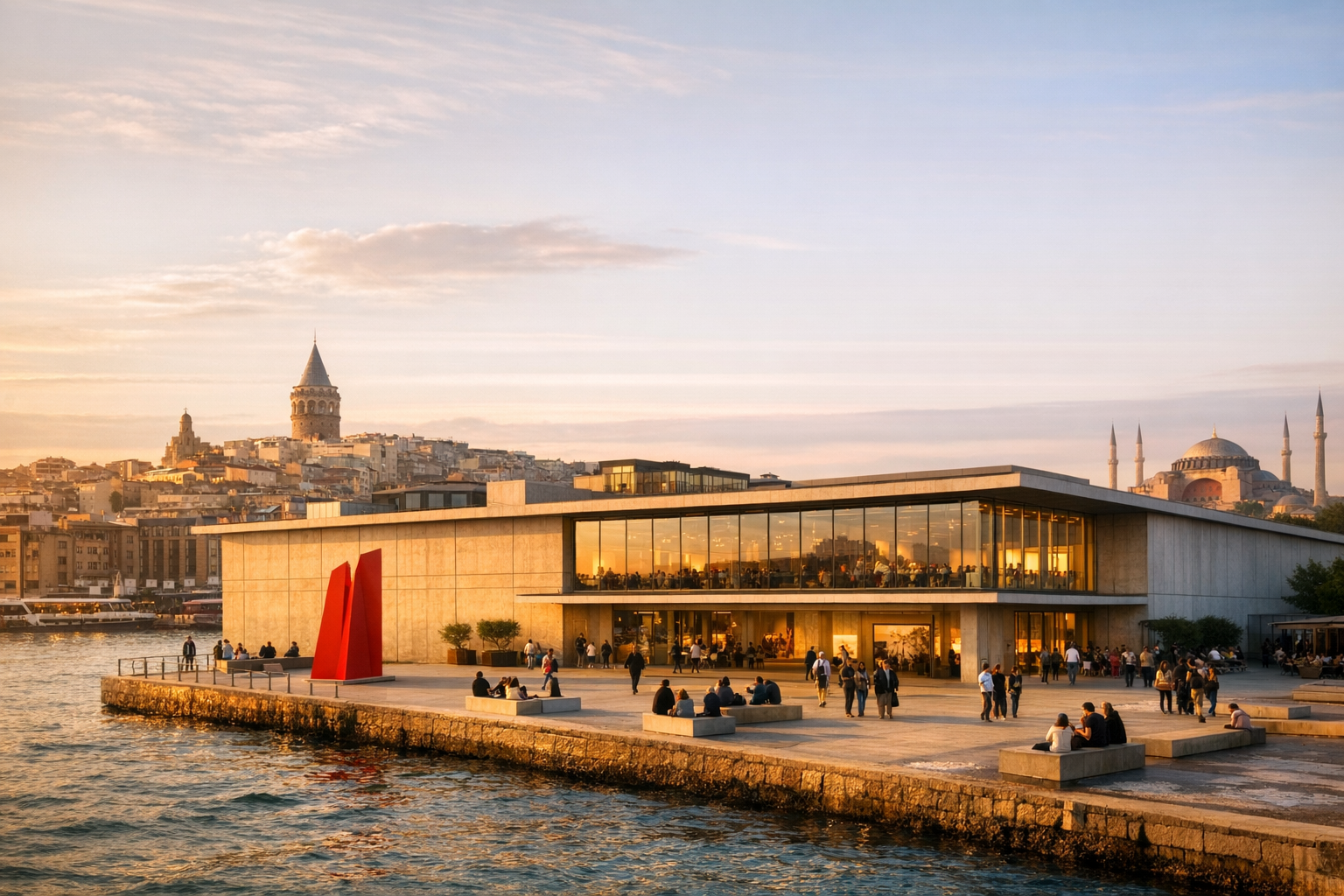
Karakoy has emerged as Istanbul's most exciting dining neighborhood over the past decade, a place where young, ambitious chefs are reinterpreting Turkish cuisine through a contemporary lens. Karakoy Lokantasi, housed in a beautifully restored historic building, serves elevated versions of classic Turkish dishes like hunkar begendi (lamb stew on smoky eggplant puree) and manti in a sleek, design-conscious setting. Neolokal, perched in the SALT Galata cultural center with panoramic views of the Golden Horn, was the city's first truly modern Turkish fine-dining restaurant and continues to push boundaries with its tasting menu. For more casual eating, the Karakoy fish market corridor houses several small seafood restaurants where the catch of the day is displayed on ice and grilled to order. Dinner at a mid-range Karakoy restaurant runs 300 to 700 lira (9 to 21 euros) per person. Fine dining can reach 1500 to 3000 lira (45 to 90 euros) with drinks.
Kadikoy: Authentic Off-the-Tourist-Trail
If you want to eat where Istanbulites actually eat, take the ferry across to Kadikoy on the Asian side. This lively, progressive neighborhood has long been a food destination for locals, and its market district is home to some of the city's most respected culinary institutions. Ciya Sofrasi, run by the legendary chef and food anthropologist Musa Dagdeviren, is a pilgrimage site for food lovers from around the world, serving rare and regional Anatolian dishes that might otherwise have been lost to history. The daily menu rotates through hundreds of recipes drawn from every corner of Turkey. Baylan Pastanesi, open since 1923, is one of Istanbul's last surviving grand European-style patisseries, famous for its profiterole. The fish restaurants along the Kadikoy waterfront, particularly those on the streets radiating from the ferry terminal, offer the freshest seafood in the city at prices significantly lower than the European side. A full dinner for two with fish, meze, and drinks at a Kadikoy waterfront restaurant costs 500 to 1000 lira (15 to 30 euros).
Besiktas: Local Fish Restaurants
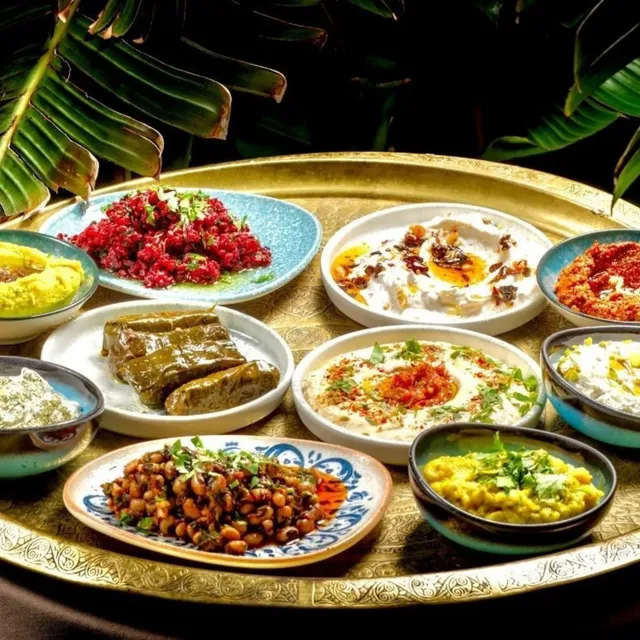
Besiktas, wedged between the Dolmabahce Palace and the fashionable Ortakoy waterfront, is where you come for the authentic Istanbul balik restaurant experience: no-frills dining rooms where the waiter recites the day's catch, you choose your fish from the display, and it arrives grilled whole with a simple rocket-onion salad and a squeeze of lemon. The fish restaurants clustered around the Besiktas market, particularly along the streets behind the Besiktas ferry terminal, serve Istanbulites who demand quality and will not tolerate tourist markup. For meyhane (Turkish tavern) dining, Besiktas has a handful of excellent options where the raki flows freely and the meze table groans under two dozen small plates of octopus salad, fried calamari, stuffed vine leaves, fava bean puree, and acili ezme (spicy tomato-pepper paste). Fish dinners here cost 300 to 600 lira (9 to 18 euros) per person depending on the catch and whether you are drinking raki.
Bosphorus Waterfront: Fine Dining with Views
For a complete guide to the Bosphorus strait, cruise options, and waterfront neighborhoods, see our Bosphorus Complete Guide →
The villages and yali (historic waterfront mansions) lining the Bosphorus Strait are home to Istanbul's most prestigious and expensive restaurants, the kind of places where you come to celebrate a milestone or impress a business contact. Sunset Grill & Bar in Ulus Park offers a spectacular elevated view of the Bosphorus Bridge and serves both Turkish and Japanese cuisine. The waterfront restaurants of Arnavutkoy and Bebek specialize in long, luxurious fish dinners where the Bosphorus traffic glides past your table and the meal stretches across three hours. Lacivert on the Asian side in Anadolu Hisari delivers fine dining in an intimate setting directly on the water. These are splurge-worthy experiences. Expect to pay 1000 to 5000 lira (30 to 150 euros) per person depending on the restaurant, your wine selection, and how many meze courses precede the main fish. Reservations are essential for waterfront tables, particularly on Friday and Saturday evenings and any night with good weather.
| Neighborhood | Dining Style | Price Range (per person) | Best For |
|---|---|---|---|
| Sultanahmet | Traditional, rooftop views | €5–40 | Ottoman cuisine, scenic dining |
| Karakoy | Modern Turkish, seafood | €9–90 | Innovative cuisine, date nights |
| Kadikoy | Authentic, regional specialties | €5–30 | Local experience, regional dishes |
| Besiktas | Fish restaurants, meyhane | €9–50 | Fresh fish, raki culture |
| Bosphorus | Fine dining, waterfront | €30–200 | Special occasions, sunset dining |
Food Tours & Culinary Experiences

Guided Food Walking Tours
The best food walking tours in Istanbul go beyond the obvious tourist stops to reveal the hidden food culture of specific neighborhoods. Look for small-group tours (eight people maximum) led by local guides who have genuine relationships with the vendors and shop owners along the route. A quality food tour should cover at least six to eight tasting stops across three to four hours, with enough variety to introduce you to dishes you would never have found or ordered on your own. The most popular routes cover the Kadikoy market, the historic backstreets of Fatih and Balat, and the meyhane culture of Beyoglu. Expect to pay 50 to 100 euros per person for a well-organized food walking tour, which typically includes all tastings, a local guide, and often a drink or two. Book morning departures when the markets are at their liveliest and the food is freshest.
Turkish Cooking Classes
A hands-on Turkish cooking class is one of the best souvenirs you can bring home from Istanbul, because the skills travel with you. The best classes begin with a market visit where you select ingredients alongside your instructor, learning how to choose produce, negotiate with spice vendors, and identify the regional varieties of cheese, olives, and dried goods that make Turkish cooking distinctive. Back in the kitchen, you will typically prepare four to six dishes over three to four hours, usually including a meze, a main course, and a dessert. Cooking Alaturka, based in a restored Ottoman house in Sultanahmet, and Istanbul Cooking School in Beyoglu are among the most highly rated. Classes run 60 to 120 euros per person and usually include the market tour, all ingredients, a recipe booklet, and the meal you have cooked.
Spice Bazaar Tasting Experience
The Misir Carsisi (Spice Bazaar) in Eminonu is one of Istanbul's oldest covered markets, and walking through it is a full sensory immersion in the aromatics of Turkish cuisine. The most rewarding way to experience the Spice Bazaar is not to simply walk through snapping photos, but to engage with the vendors. Many stalls offer tastings of their dried fruits, nuts, spices, and teas, and a knowledgeable vendor can explain the difference between Urfa and Aleppo pepper, help you choose the right sumac or za'atar blend for your cooking, and introduce you to ingredients like mahlep (cherry kernel spice) and mastic that are central to Turkish sweets. Specialty tasting tours of the Spice Bazaar, which include curated stops at the market's best vendors along with historical context, cost 30 to 50 euros per person and last about 90 minutes.
Bosphorus Dinner Cruises
A dinner cruise on the Bosphorus is one of Istanbul's great theatrical dining experiences, combining a multi-course Turkish meal with a slow journey up the strait past illuminated palaces, mosques, and Ottoman-era wooden mansions reflected in the dark water. The quality varies dramatically between operators, so choose carefully. The best dinner cruises depart from Kabatas or Eminonu, travel north past the Bosphorus bridges to the second bridge and back, and last approximately three hours. Look for cruises that focus on food quality over entertainment, serving a genuine Turkish meze-and-fish menu rather than a generic buffet. Premium cruises run 100 to 250 euros per person including a full dinner, drinks, and live music. Budget options from 30 to 50 euros exist but often sacrifice food quality for volume.
Istanbul Tourist Pass® & Culinary Experiences
Many food tours and culinary experiences are included in the Istanbul Tourist Pass®, making it the smartest way to taste the city without worrying about individual bookings. Pass holders gain access to guided food walking tours across Kadikoy, Eminonu, and Beyoglu, as well as Turkish cooking classes, Spice Bazaar tastings, and Bosphorus dinner cruise options. The pass covers skip-the-line entry to top attractions alongside these culinary experiences, so you can pair a morning at the Hagia Sophia with an afternoon food tour through the historic backstreets. The Istanbul Tourist Pass® is also included within the Istanbul Prime Pass, offering even more flexibility for travelers who want to bundle premium food and sightseeing experiences into a single, cost-effective package.
If you are planning to take more than one food tour or cooking class during your stay, the pass typically pays for itself within the first two activities. It also removes the hassle of coordinating separate reservations with multiple operators, as everything is managed through a single booking with priority access.
Ready to explore Istanbul's food scene? Plan your culinary adventure with our comprehensive travel resources.
Dining Etiquette & Tips

Reading a Turkish Menu
Turkish restaurant menus typically follow a predictable structure. Corbalar are soups, and you should not skip them, as Turkish soups (particularly mercimek corbasi, a velvety red lentil soup with a squeeze of lemon) are exceptional. Meze or baslangiclar are starters and cold appetizers. Salatalar are salads. Ana yemekler or et/tavuk/balik yemekleri are main courses organized by protein (meat, chicken, fish). Pideler and lahmacunlar get their own section. Tatlilar are desserts and icecekler are drinks. In traditional lokantas (cafeteria-style restaurants), there is no menu: you simply point at the dishes displayed in the steam table or glass case, and the server plates your selection. This is an efficient and delicious way to eat, and you should not be shy about pointing and asking to taste.
Tipping in Istanbul
Tipping in Istanbul is appreciated but not as formalized as in the United States. In sit-down restaurants, leaving 10 to 15 percent of the bill is standard and appreciated. In casual lokantas and kebab shops, rounding up the bill or leaving 5 to 10 percent is sufficient. For street food, tipping is not expected but tossing a few extra lira to a vendor who has been particularly generous with portions or friendly in conversation is a kind gesture. In upscale restaurants, check the bill carefully, as a "servis bedeli" (service charge) of 10 to 15 percent is sometimes already included. Tip in cash whenever possible, as credit card tips do not always reach the server. For food tour guides, a tip of 10 to 20 percent of the tour price is appropriate for good service.
Vegetarian & Vegan Options
Istanbul is more vegetarian-friendly than many travelers expect, thanks to the rich Ottoman tradition of zeytinyaglilar (olive oil-based vegetable dishes served cold), which form a cornerstone of Turkish home cooking and meyhane dining. Dishes like imam bayildi (stuffed eggplant braised in olive oil), yaprak sarma (vine leaves stuffed with rice, pine nuts, and currants), barbunya pilaki (cranberry beans in tomato sauce), and enginar (artichoke hearts with vegetables) are naturally vegan and available at virtually every traditional restaurant. Turkish breakfast is overwhelmingly vegetarian. Vegan travelers should be aware that many dishes that appear vegetable-based may contain butter or yogurt. The neighborhoods of Karakoy, Cihangir, and Kadikoy have the most dedicated vegetarian and vegan restaurants, and the phrase "etsiz" (without meat) and "sutsuz, yumurtasiz" (without dairy, without eggs) will serve vegan diners well.
Halal Information
Turkey is a majority-Muslim country, and virtually all meat served in Istanbul restaurants is halal by default. This is not something you need to specifically request or verify at Turkish-owned establishments. The exception is some Western-style restaurants in upscale neighborhoods that may serve imported non-halal products; these are uncommon and typically noted on the menu. Pork is extremely rare in Istanbul's food scene. The terms "domuz" (pork) or "jambon" (ham) will appear on menus at certain international restaurants but are clearly labeled. Alcohol is widely available in licensed restaurants across the city, particularly in neighborhoods like Beyoglu, Karakoy, Kadikoy, and Besiktas, and its availability does not affect the halal status of the food.
Food Safety
Istanbul's food safety standards are generally high, and most travelers eat their way through the city without any issues. Municipal health inspectors regularly check restaurants and street vendors, and the city's food culture places enormous value on freshness. That said, a few sensible precautions apply. Stick to busy establishments with high turnover, as popularity guarantees freshness. Be cautious with pre-cut fruit from street vendors in summer heat. Shellfish (particularly mussels) should be eaten at vendors who keep them properly chilled. Tap water in Istanbul is technically treated and safe but has an unpleasant chlorine taste; bottled water is cheap and widely available. If you have a sensitive stomach, ease in gradually, starting with cooked dishes and working up to raw salads and street food over a day or two.
Good to Know
Tea (cay) is offered as a gesture of hospitality in many shops, particularly at the Grand Bazaar and Spice Bazaar. Accepting is a sign of good manners and does not obligate you to make a purchase, though declining politely with a smile is also perfectly acceptable. If you are offered tea while shopping, sit down, sip slowly, and enjoy the conversation. This is not a sales tactic; it is Turkish culture at its most gracious.
Turkish Drinks — Beyond Tea and Coffee

Ayran
Ayran is Turkey's national non-alcoholic drink: a simple blend of yogurt, water, and salt, whisked or shaken until frothy. It sounds unremarkable on paper and is revelatory in practice, especially alongside rich, fatty foods like kebabs and lahmacun, where its cool tanginess cuts through the heaviness and refreshes the palate. Every kebab restaurant in Istanbul serves ayran, either from a machine or, in the best places, hand-whisked to order in a copper cup that gives it a creamier, more substantial texture. A glass costs 20 to 50 lira and is the single best accompaniment to any grilled meat dish you will eat in the city.
Salgam (Fermented Turnip Juice)
Salgam is one of those drinks that separates the curious traveler from the cautious one. This deep purple, lacto-fermented beverage is made from black carrots, turnips, bulgur flour, and salt, and it has a sour, slightly spicy, earthy flavor that is completely unlike anything in Western drink culture. It is the traditional companion to kebabs in southern Turkey and has become increasingly popular in Istanbul. You can find it at kebab restaurants and, more fun, from the pickle shops in Kadikoy and Eminonu markets where it is served cold from a barrel in small glasses for 15 to 30 lira. The "acili" (spicy) version has a satisfying kick.
Boza
Boza is a thick, slightly fermented millet drink with a pudding-like consistency and a mildly sweet, tangy flavor. It is traditionally a winter beverage, and the most atmospheric way to experience it is at Vefa Bozacisi, a gorgeous tiled shop in the Vefa neighborhood that has been serving boza since 1876. The drink is served in a glass, topped with cinnamon and accompanied by roasted chickpeas (leblebi) for sprinkling on top. Boza contains very low levels of alcohol from the natural fermentation (well under 1 percent) and is considered a non-alcoholic drink. A glass costs about 50 to 80 lira at Vefa Bozacisi, and the shop itself, with its ornate interior and century-old patina, is worth the visit on its own.
Raki
Raki is Turkey's national alcoholic drink, an anise-flavored spirit that turns from clear to milky white when mixed with water, earning it the nickname "lion's milk" (aslan sutu). Raki is not merely a drink in Istanbul; it is the centerpiece of the meyhane (tavern) culture, a ritual of communal dining that unfolds over hours of conversation, meze, and slowly emptying long glasses. The proper way to drink raki is to add cold water (roughly one part raki to two parts water) and sip it alongside a progression of cold and hot meze dishes, with fried fish or grilled meat arriving near the end. White cheese and melon are the classic raki companions. A night at a good meyhane in Beyoglu, Besiktas, or Balik Pazari (the fish market alley off Istiklal) is one of Istanbul's great social and gastronomic experiences, typically costing 400 to 1000 lira (12 to 30 euros) per person including food and several glasses of raki.
Turkish Wine
Turkey's wine industry has undergone a quiet revolution over the past two decades, and Istanbul is the best place to taste the results. The country's indigenous grape varieties, including Okuzgozu, Bogazkere, Kalecik Karasi (reds) and Narince, Emir, and Sultaniye (whites), produce distinctive wines that you will not find anywhere else in the world. The Thrace region (just west of Istanbul), Cappadocia, and the Aegean coast are the primary wine-growing areas. In Istanbul, wine bars in Karakoy, Cihangir, and Kadikoy offer curated selections of Turkish wines by the glass for 80 to 200 lira. For a deeper exploration, visit Sensus Wine Bar in Galata or Solera Winery in Karakoy, both of which specialize in small-production Turkish wines and offer knowledgeable staff who can guide you through the country's diverse terroir.
Pro Tip
If you order raki at a meyhane, the waiter will bring an ice bucket and a small carafe of cold water for mixing. Pour the raki first, then add water slowly and watch the liquid transform from clear to opaque white. Never add ice directly to raki (it crystallizes the anise), and never rush the meal. A proper raki sofrasi is a three-hour affair at minimum.
Frequently Asked Questions
Istanbul's most iconic dish is the kebab, particularly the Iskender kebab, which layers thin slices of doner meat over pide bread with tomato sauce, melted butter, and yogurt. Street food staples like balik ekmek (fish sandwich) at Eminonu and simit (sesame bread rings) from ubiquitous red pushcarts are equally beloved and deeply woven into the city's culinary identity. For sweets, baklava from Karakoy Gulluoglu is legendary.
Istanbul is surprisingly vegetarian-friendly. The Ottoman tradition of zeytinyaglilar (olive oil-based vegetable dishes) provides a rich repertoire of naturally plant-based dishes including imam bayildi (stuffed eggplant), yaprak sarma (stuffed vine leaves), and dozens of bean and vegetable preparations. Turkish breakfast is overwhelmingly vegetarian, and the meze tables at meyhanes always include numerous vegetable-based options. Modern restaurants in Karakoy and Kadikoy increasingly cater to vegan diners as well.
Istanbul's dining scene spans a remarkable price range. Street food like simit costs under 1 euro, and a balik ekmek or lahmacun runs 1 to 5 euros. Sit-down kebab meals at local restaurants cost 8 to 15 euros per person. Mid-range restaurants in popular neighborhoods charge 15 to 40 euros. Upscale Bosphorus-view restaurants with full fish dinners and drinks can reach 60 to 200 euros per person. A full Turkish breakfast spread typically costs 6 to 15 euros per person.
Istanbul's food scene is generally very safe, but a few precautions are wise. Avoid pre-cut fruit from street vendors sitting in direct sun, and be cautious with shellfish from vendors who do not keep it properly chilled. Skip tourist-trap restaurants along the main Sultanahmet strip that employ aggressive touts standing outside, as the food quality rarely justifies the inflated prices. The best strategy is to eat where locals eat, following the crowds to busy stalls and restaurants with high turnover.
Eminonu and the Galata Bridge area are legendary for balik ekmek and midye dolma. Kadikoy's market streets on the Asian side offer the most diverse and authentic street food selection. Taksim and Istiklal Caddesi are the go-to destinations for late-night kokorec and islak hamburger (wet burger). Karakoy has excellent borek shops and the freshest fish sandwiches. Each neighborhood has its own specialties, so the best approach is to dedicate a day to each area.
Many restaurants in Istanbul serve alcohol, including beer, wine, and raki (the anise-flavored national spirit). Licensed restaurants are common in neighborhoods like Beyoglu, Karakoy, Kadikoy, and Besiktas. Meyhanes (Turkish taverns) are specifically built around the raki-and-meze dining culture. Traditional kebab houses and restaurants in more conservative neighborhoods may not serve alcohol. Look for "alkollu" (licensed) on signs or ask the server.
Turkish breakfast (kahvalti) is an elaborate morning spread of small dishes typically including multiple cheeses (beyaz peynir, kasar, tulum), olives, fresh tomatoes and cucumbers, honey with kaymak (clotted cream), homemade jams, eggs prepared various ways, sucuk (Turkish sausage), borek, fresh bread, and unlimited tea. Serpme kahvalti, the full spread version, can include 20 to 30 individual dishes and is meant to be a leisurely social event lasting 60 to 90 minutes. Expect to pay 6 to 15 euros per person.
Street food in Istanbul is generally very safe to eat. Vendors are subject to municipal health inspections, and high customer turnover ensures ingredients stay fresh. The single best safety indicator is popularity: choose stalls with long queues of locals, as Istanbulites are discerning eaters who vote with their feet. Avoid vendors with pre-cooked food sitting at room temperature, and stick to busy spots where the grill is active and the food is made to order. The busier the cart, the safer and tastier the food.
What Travelers Say About Istanbul's Food
Continue Exploring Istanbul
Things to Do in Istanbul

Istanbul Travel Guide

Grand Bazaar Guide