Inside
Inside Hagia Sophia: What the €25 Ticket Actually Buys
Start with how the building works now, because most online advice is out of date. So what changed? Since 2024, tourists visit from the upper gallery: a dedicated entrance, a ramp worn smooth by fifteen centuries, and a balcony view over the entire prayer hall. As a result, you see the whole interior at once — arguably the better angle. The ground floor belongs to worshippers and is free — anyone may enter for prayer. In other words, the €25 question is the gallery, and the gallery is where the treasures are.
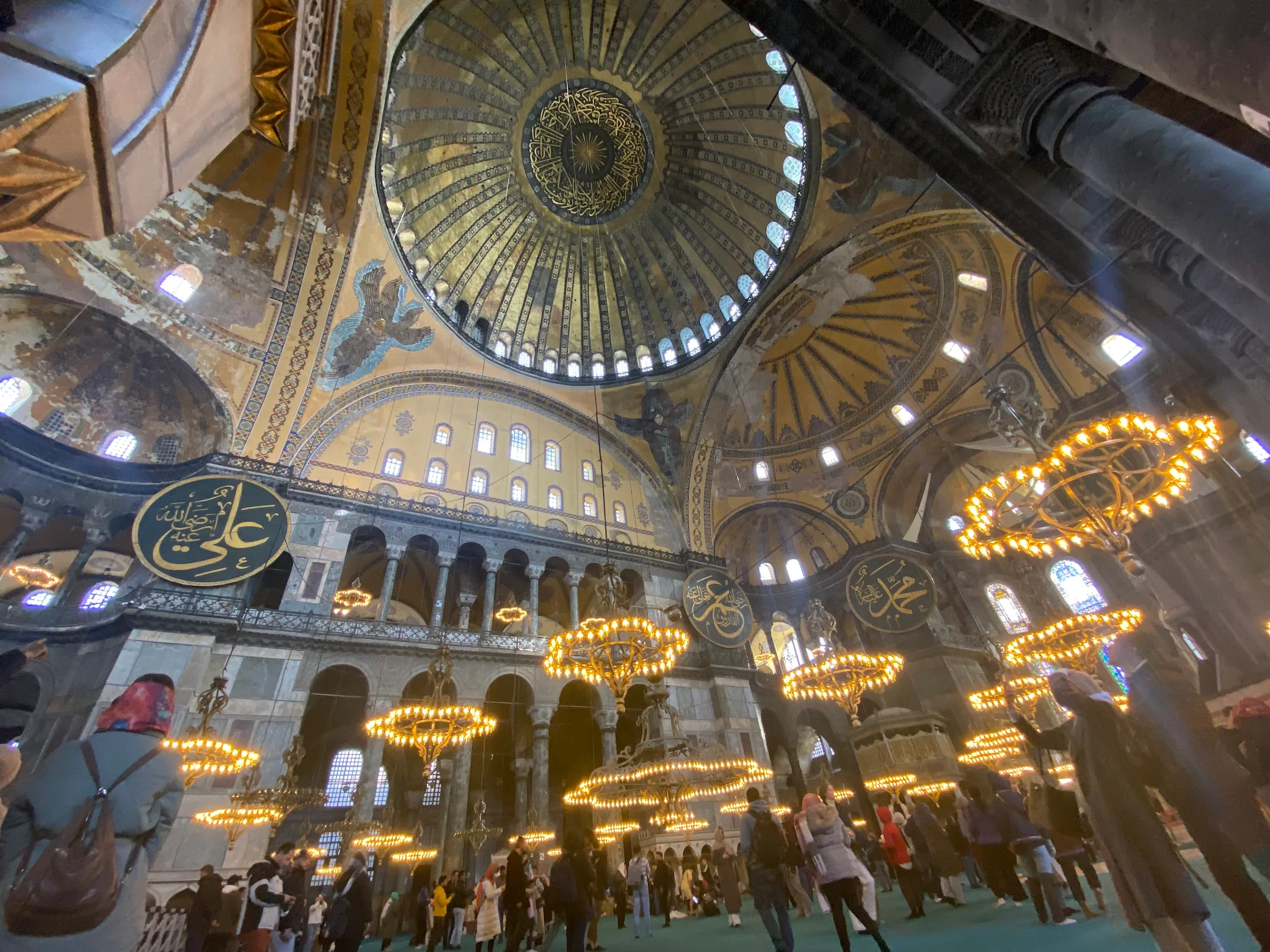
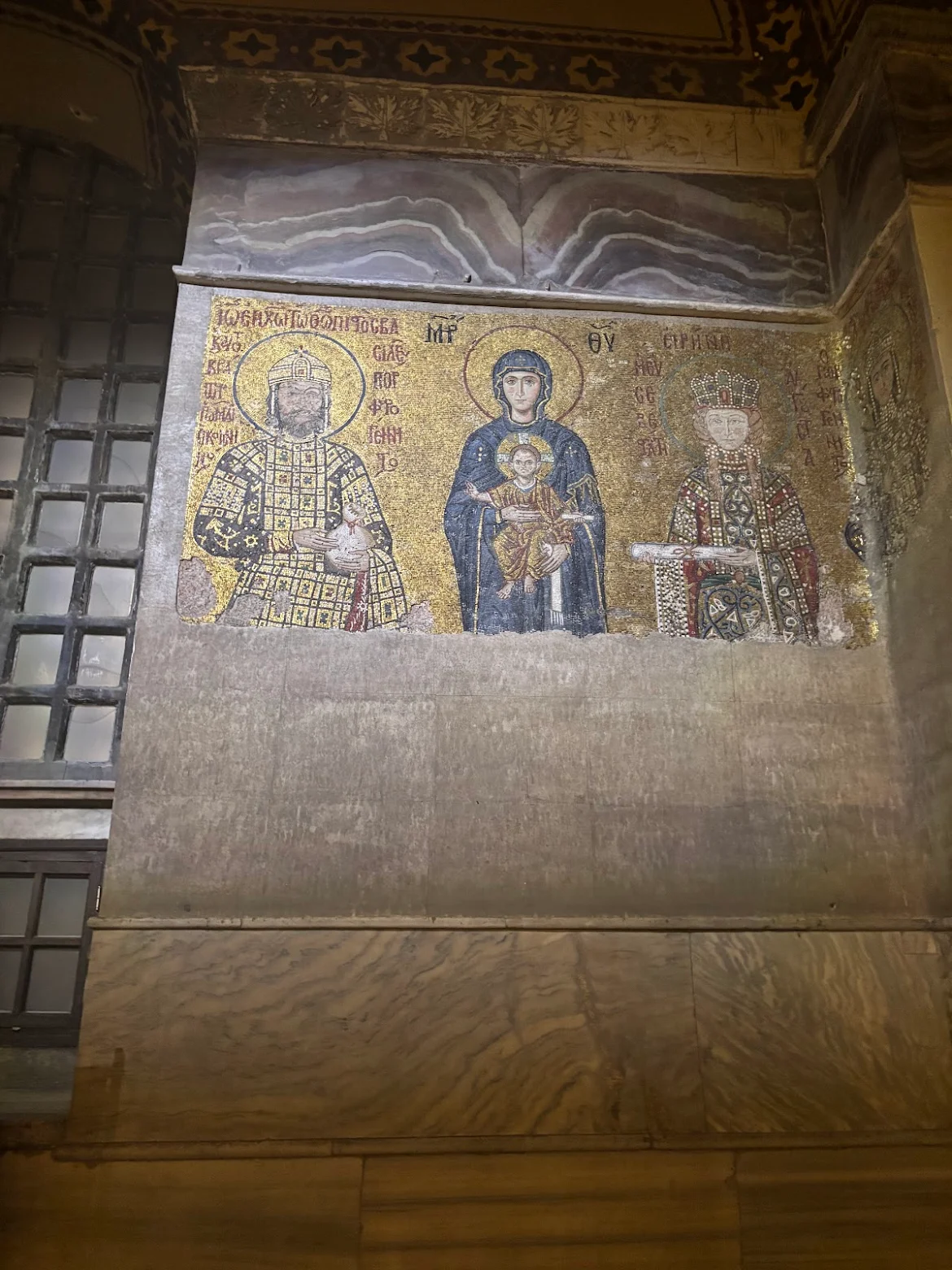
The gallery earns it. The Deësis is the mosaic that launched a thousand art-history careers: Christ flanked by Mary and John the Baptist, its surviving fragments still startlingly alive. Similarly uncovered are the gallery's imperial portrait mosaics, which stayed visible after the 2020 reconversion. From the rail, the dome floats roughly 55 meters above the floor and spans 31 to 32 meters. Its ring of windows made Byzantine visitors swear it hung from heaven on a chain. Down below, the figural mosaics of the apse are curtained during prayers and revealed between them. The rhythm is easy to plan around. Time your visit between prayers and you see both faces of the building in one pass. That double life is the point now.
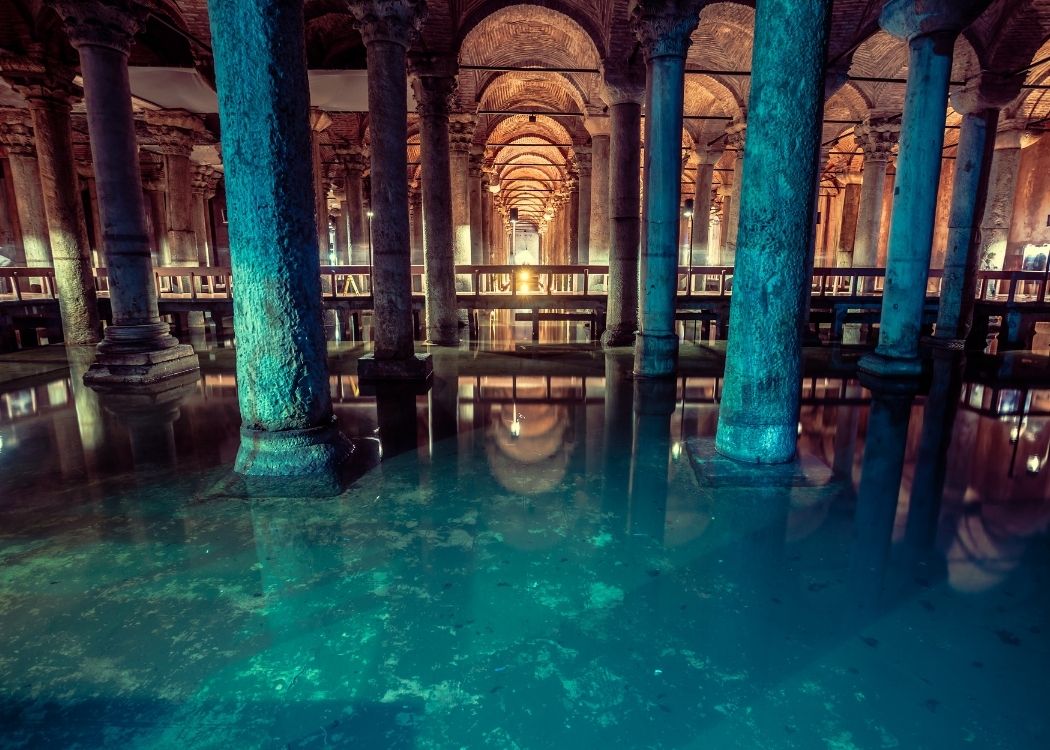
One honest caveat for 2026: the most extensive dome restoration in the building's history began in April 2025. Inside, a printed canvas replica stands in for the dome while the work proceeds. The building stays fully open through it — worship and visits both — and in our experience the gallery mosaics still deliver the visit on their own. Meanwhile, the restoration teams keep making news of their own; in 2025 they documented long-sealed tunnels beneath the building. In short: expect some scaffolding, and skip nothing because of it.
History
Hagia Sophia History: Church, Mosque, Museum, Mosque
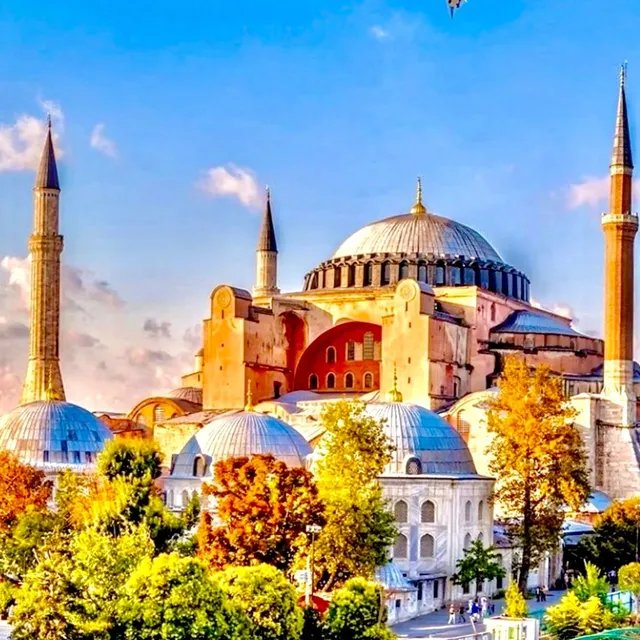
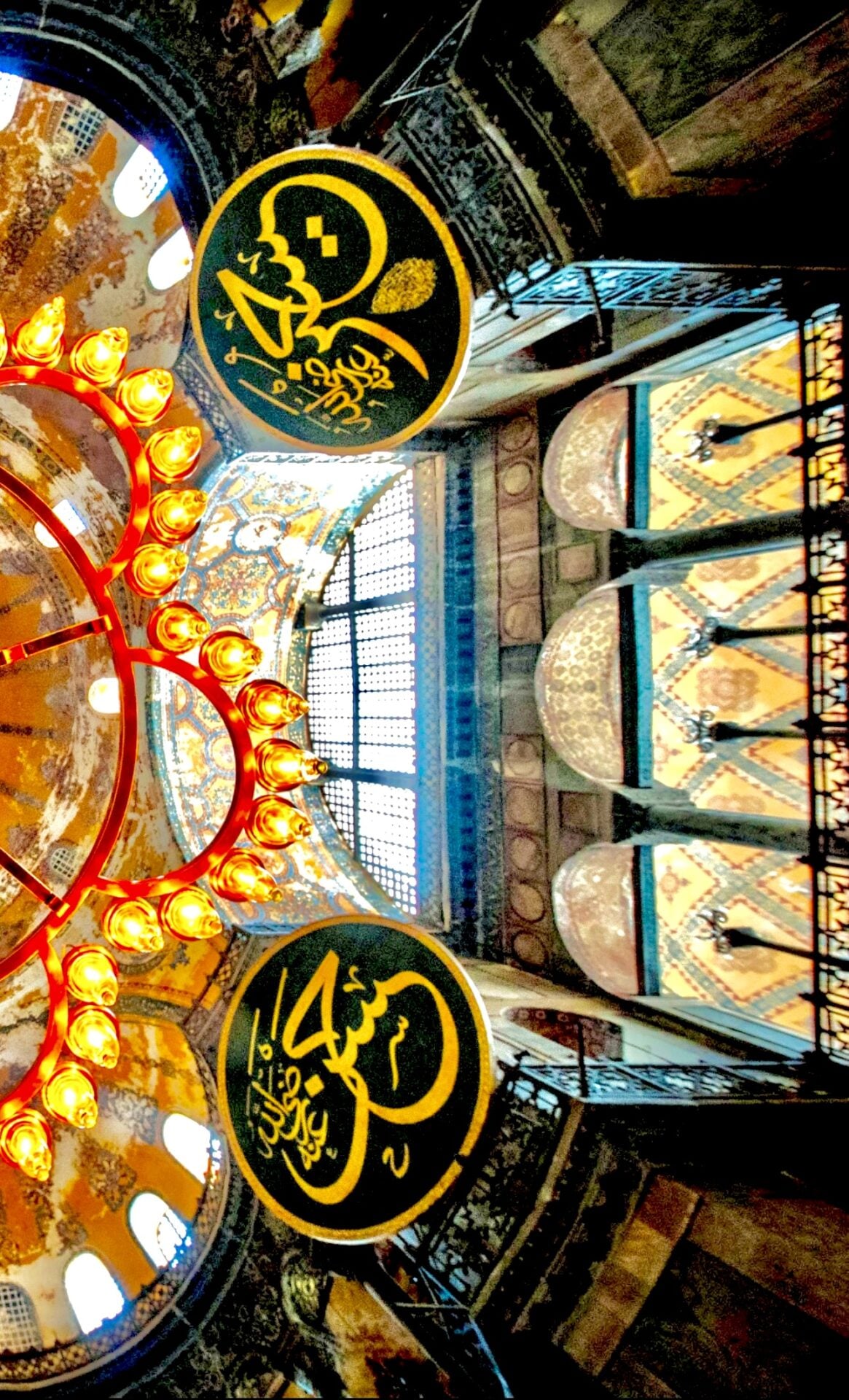
The numbers alone tell the story. Emperor Justinian I raised Hagia Sophia in under six years, consecrating it in 537. Its architects, Anthemius of Tralles and Isidorus of Miletus, built a dome no one would out-build for a thousand years. It served as Christendom's greatest church for 916 years. Then came 1453: Mehmed II converted it to a mosque, and minarets joined the dome. Subsequently, each sultan left a mark — a minaret here, a library there, calligraphy roundels the size of houses. In 1935 the young Republic opened it as a museum, and in July 2020 it became a working mosque again. Few buildings have carried this much history without pausing for breath.
The dome itself has a survivor's résumé. The original fell in 558, brought down by earthquakes. Isidorus the Younger rebuilt it higher, and his version — patched, ribbed, reinforced — is essentially what floats overhead today, rededicated in 562. For example, look for the slightly uneven curve from the gallery rail: the repairs are part of the architecture now. Accordingly, when engineers call the current restoration the most ambitious in the building's history, they are competing with some serious predecessors. The dome has been shored up in every century that could afford it. This one simply brings better tools.
The gallery holds the building's best-hidden signature. Scratched into a marble parapet is 9th-century Viking graffiti — runes read as the name Halfdan, likely a Varangian guardsman who got bored during a service eleven centuries ago. The €25 ticket walks you right past his handiwork; notably, most visitors miss it.
In short, Hagia Sophia is not a monument to one faith or one empire. It is the building where Istanbul's whole timeline stands in one room. That is exactly why every era refused to let it fall.
Plan your visit
Visiting Hagia Sophia: Tickets, Hours & Rules
Tickets and prices
Foreign visitors pay €25 for the upper-gallery route. The fee dates from January 2024 and is unchanged as of mid-2026, though treat any price as current rather than permanent. Children under 8 enter free. Museum passes, notably, are not valid here. Meanwhile, entering for worship on the ground floor costs nothing, through the separate mosque entrance on the square. Buy the gallery ticket online or at the booth on the day. The line you cannot skip is security, so mornings still beat any ticket trick.
Opening hours
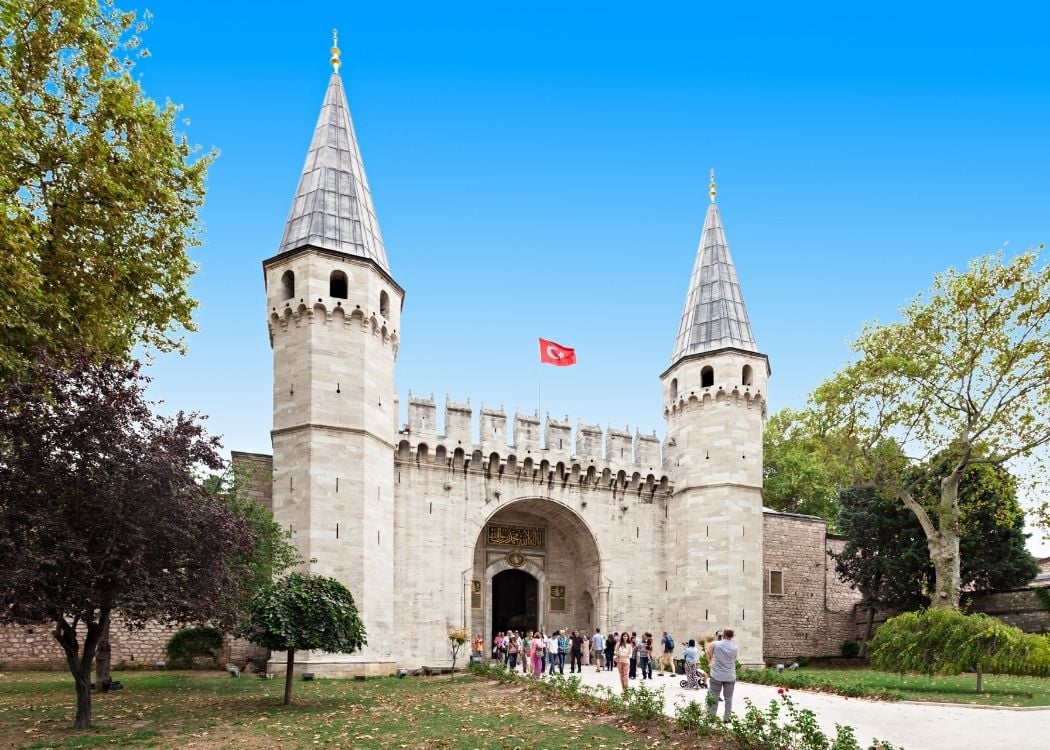
The visiting route runs daily, roughly 9am to 7:30pm, with seasonal shifts. On Fridays it closes from about 12:30pm to 2:30pm for Friday prayers. The prayer hall, in contrast, follows mosque rhythms. For example, if Friday is your Sultanahmet day, see Hagia Sophia in the morning and give midday to Topkapı Palace next door.
Dress code and etiquette
This is a working mosque. Cover shoulders and knees; women also cover their hair. Scarves are sold at the entrance for a small fee, so bringing your own is easier. Shoes come off in carpeted prayer areas. Likewise, avoid photographing worshippers, and keep voices low during prayer times. Our team found the attendants friendly and firm in equal measure — dress right and you will never meet the firm half.
Getting there and timing
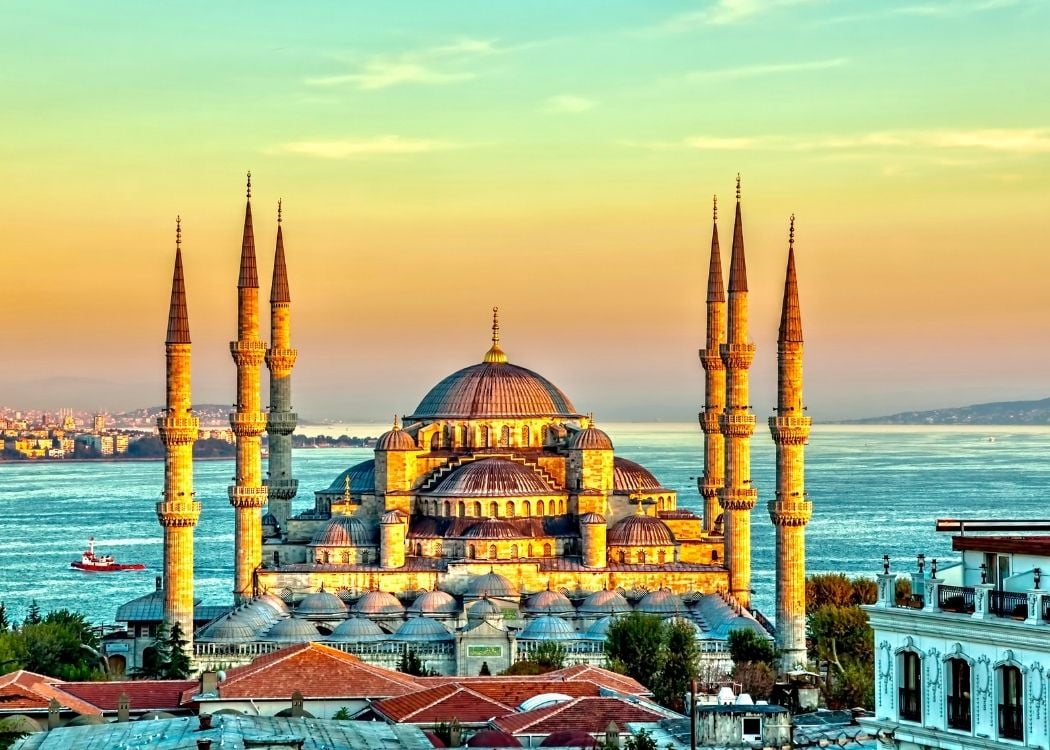
Take the T1 tram to Sultanahmet; the building anchors the square, opposite the Blue Mosque. Mornings right at opening are calmest — we found the gallery ramp queue-free before 9:30am and slow-moving by noon. On the other hand, late afternoon light through the west windows is the photographers' hour. The security line can add 30 minutes in high season; an online ticket removes the ticket-office wait, not the security one.
Fact-checked against official sources · September 1, 2026 · TURSAB-licensed operator
Tours
Hagia Sophia Tickets & Tours
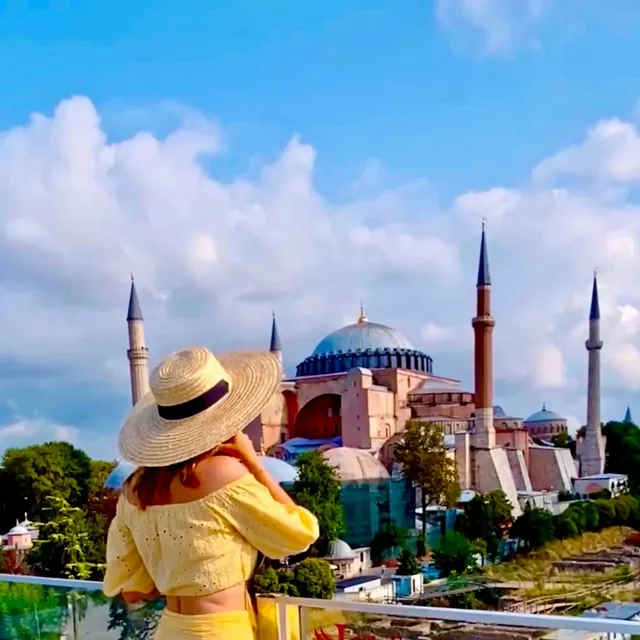
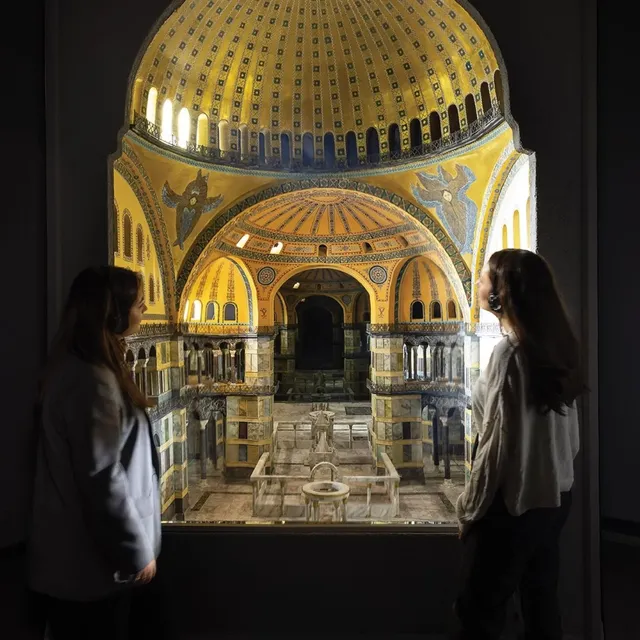
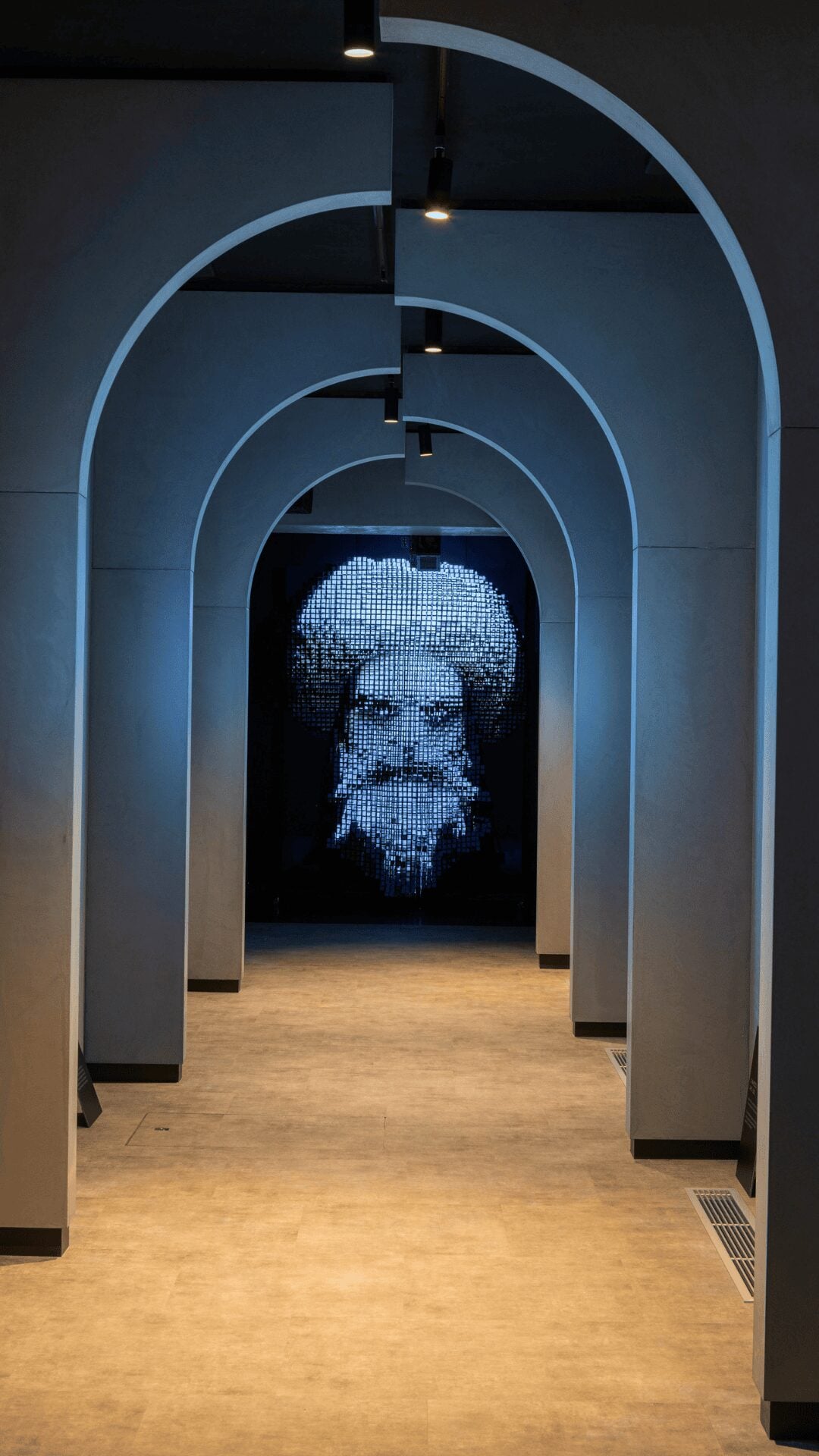
So which route in? The skip-the-line entry ticket handles the €25 gallery admission with the queue friction removed. A guided tour, in contrast, adds the layer the walls cannot: which emperor is in which mosaic, why the dome nearly fell, what changed in 2020. In addition, the Hagia Sophia History & Experience Museum — a separate, immersive museum on the square, opened in 2023 — pairs well before or after, turning 1,700 years of backstory into an hour of context. Its ticket is separate from the mosque gallery's. Current prices live on the cards below.
FAQ
Frequently Asked Questions
For worship, yes — the ground-floor prayer hall is free through the mosque entrance. For sightseeing, foreign visitors pay €25 to enter the upper-gallery visiting route, where the mosaics and the balcony views are.
A working mosque, since July 2020. It was a church for 916 years, a mosque for close to five centuries, a museum from 1935, and returned to mosque status in 2020. The tourist route is arranged so both worship and visiting continue side by side.
Yes. The upper-gallery mosaics — including the Deësis and the imperial portraits — remain uncovered and visible on the €25 route. Ground-floor figural mosaics are curtained during prayers and revealed between them.
Yes — the most extensive dome restoration in its history began in April 2025, with a canvas replica standing in for the dome inside. The building remains fully open for worship and visits throughout. Expect some scaffolding and check ahead if the dome itself is your main reason to visit.
Mosque rules: shoulders and knees covered for all visitors, hair covered for women, shoes off in carpeted prayer areas. Scarves are available at the entrance for a small fee.
Consecrated in 537, it turns 1,489 in 2026. The current dome is slightly younger — rebuilt after the 558 collapse and rededicated in 562.
A separate paid museum in the restored Ottoman land-registry building on Sultanahmet Square, opened in 2023. It tells the building's 1,700-year story through immersive galleries and is ticketed separately from the mosque's €25 gallery route.
Yes, outside the midday window — the visiting route closes from roughly 12:30pm to 2:30pm for Friday prayers. Mornings and late afternoons work normally.
Still have questions?
Our Istanbul travel experts are happy to help.
Nearby