Inside
The Hippodrome's Monuments, Hiding in Plain Sight
Where exactly was the stadium? You are standing on it. Stand in the long garden between the two great mosques and you are on the racetrack itself. The Hippodrome was Constantinople's stadium, roughly 450 by 130 meters, with capacity estimates ranging from 30,000 to 100,000 spectators. The spina is the central barrier the chariots thundered around — and the line of monuments down the modern square marks exactly where it ran. The track itself lies several meters below today's pavement. In other words, the square is the stadium, filled in and planted with flowers. Additionally, the southern end still bulges where the curved stands once stood — visible on any map.
The monuments run north to south, oldest history first. The Egyptian Obelisk is the elder. Cut for Pharaoh Thutmose III around 1450 BC and hauled from Karnak, it was set up here in 390 AD by Theodosius I, on a marble base carved with his court watching the races. It is nearly 3,500 years old; notably, its granite still looks freshly quarried, while the 390 AD base beside it has weathered far worse. Next stands the Serpent Column — three bronze snakes twisted together, cast from the shields of the Persians defeated at Plataea in 479 BC, and brought from Delphi by Constantine himself. One measure of its weight: it has stood on this exact spot for close to 1,700 years. It is one of the very few classical Greek bronzes still standing above ground anywhere.
The set closes with two younger pieces. The Walled Obelisk, of uncertain date, once wore gilded bronze plates. The Fourth Crusade looted them in 1204, like so much else. Meanwhile, at the square's north end, the domed German Fountain arrived as Kaiser Wilhelm II's thank-you gift, completed in 1900 and inaugurated in January 1901. Five objects, four millennia, zero tickets.
History
From Chariot Races to Public Square
The Hippodrome was never just sport. Begun under Septimius Severus around 203 AD, it was rebuilt monumentally by Constantine for his new capital. This was where Byzantium met its rulers face to face — races, triumphs, coronations, and riots all ran on the same track. The Blues and the Greens were the crowd's great factions — part team, part party, part street gang. For example, a bad race result could turn political by nightfall, and emperors watched the stands as carefully as the stands watched them. Consequently, the stadium was the empire's political thermometer, and sometimes it boiled.
In January 532 it exploded. The factions united under a single chant — "Nika!", victory — burned half the city including the first Hagia Sophia, and nearly unseated Justinian. The emperor's answer was merciless: his generals sealed the Hippodrome's gates with the rioters inside, and reportedly some 30,000 died on the track — the figure the old sources give (echoed by Britannica in 2024). The rebuilt Hagia Sophia rose from those ashes; the Hippodrome never fully recovered its swagger.
Subsequently, the stadium faded with the empire. The Fourth Crusade stripped its bronzes in 1204. The four gilded horses that crowned its gate ride on today at St Mark's in Venice — the most famous loot in Europe. Subsequently the Ottomans knew the space as At Meydanı, the Horse Square, using it for ceremonies and festivities. Likewise practical: the Blue Mosque took its stands' stones in the 1600s. The racetrack became a square so gradually that nobody had to demolish it.
Plan your visit
Visiting Sultanahmet Square
Getting there and around
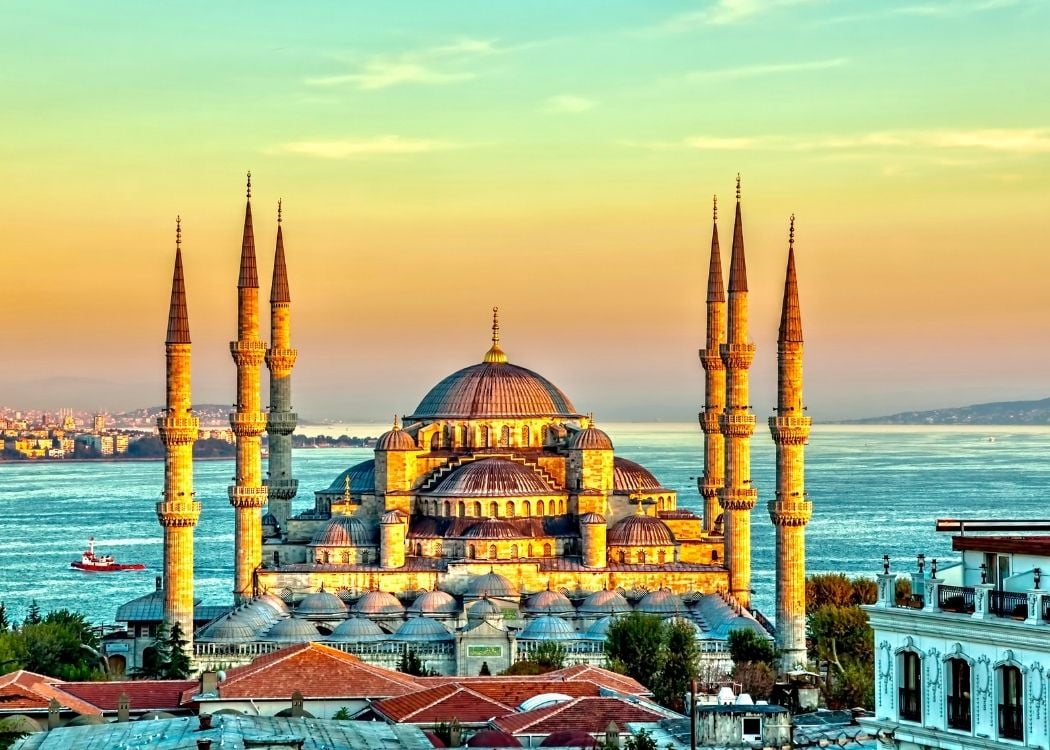
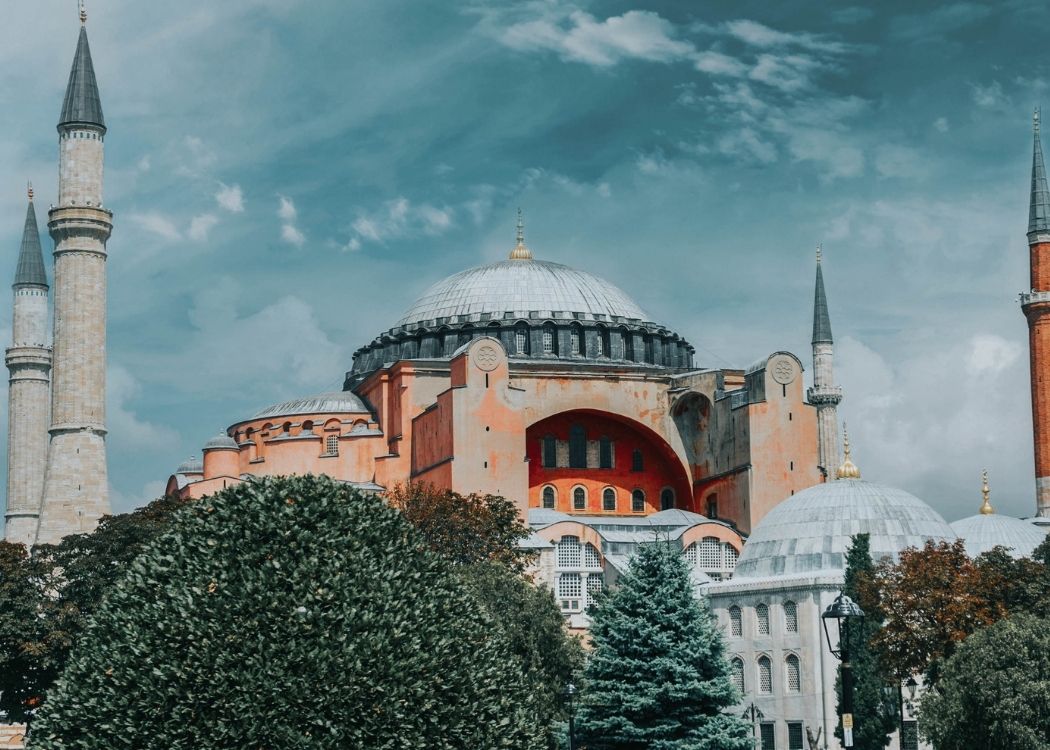
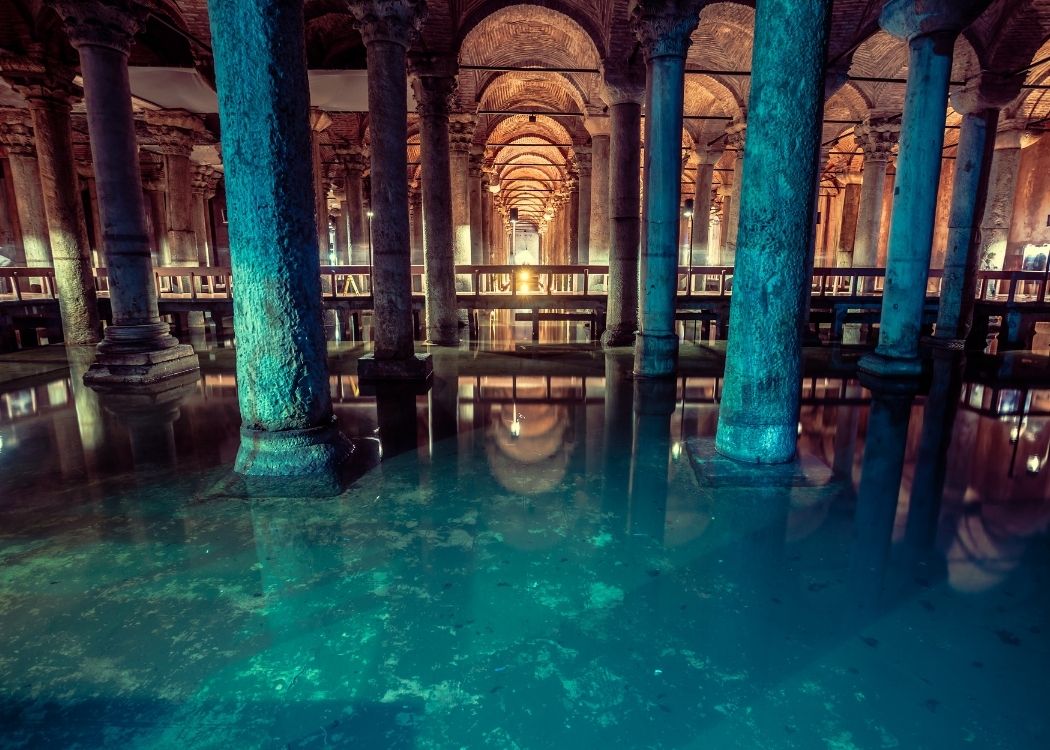
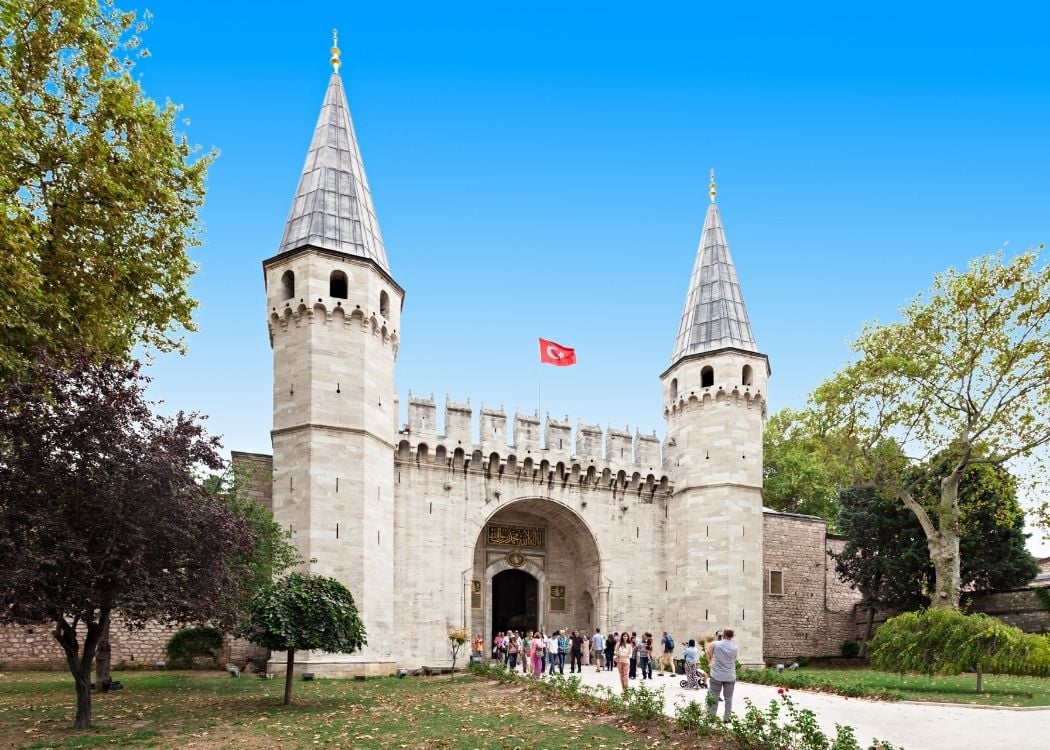
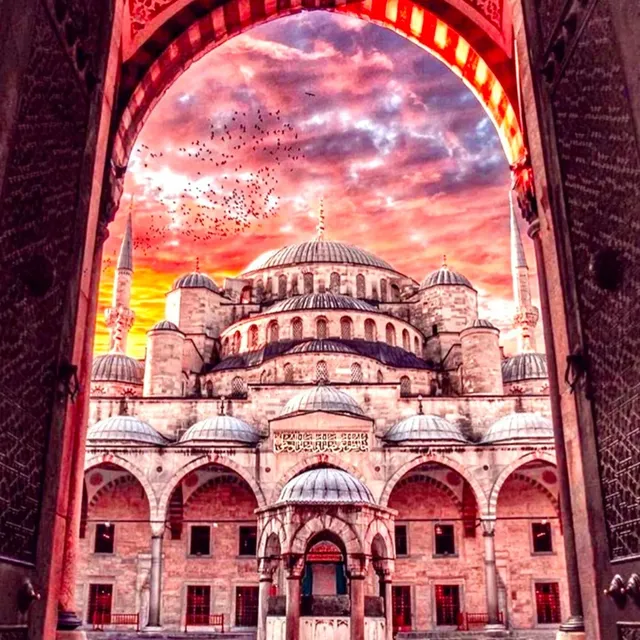
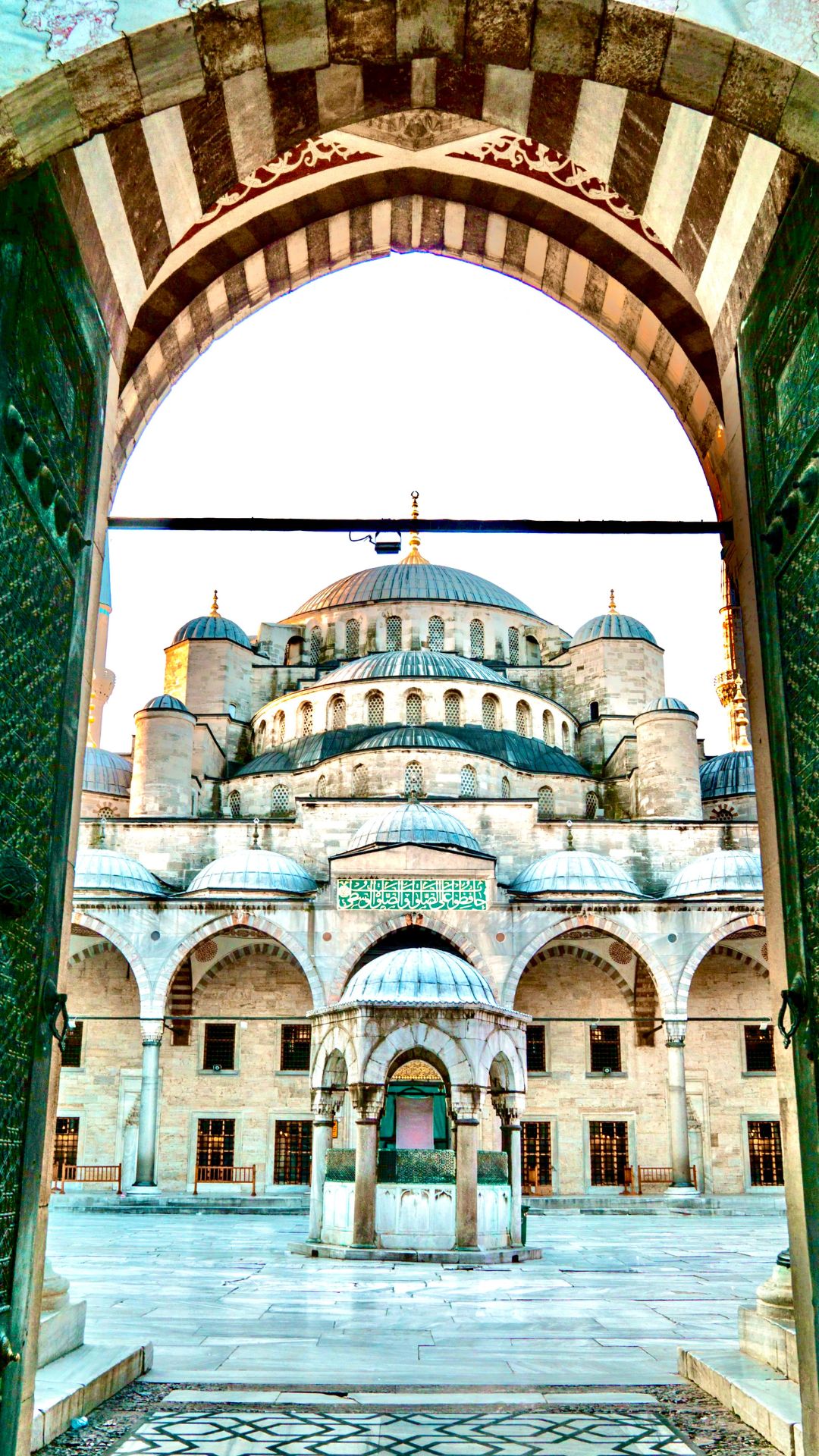
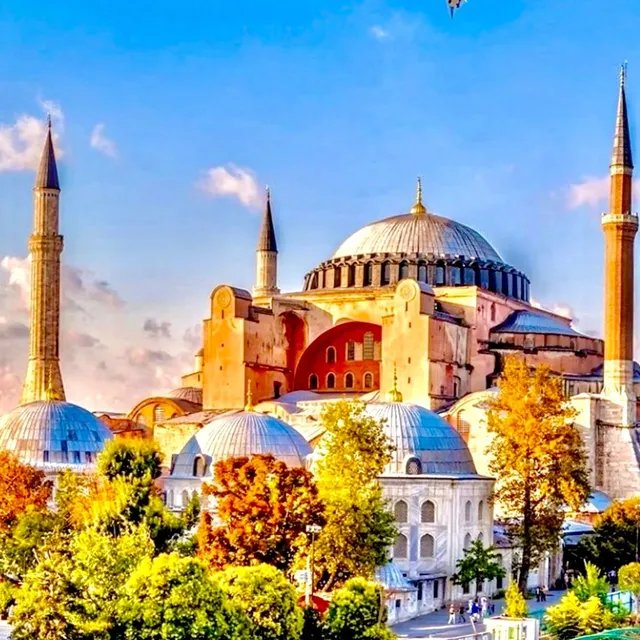
The T1 tram's Sultanahmet stop drops you at the square's edge. Everything radiates from here: Hagia Sophia and the Blue Mosque frame the square, the Basilica Cistern hides across the road, and Topkapi Palace waits five minutes north. Accordingly, most old-city days simply begin here — the square is the lobby of Byzantine and Ottoman Istanbul at once.
Timing the light
The square is open always and, likewise, free always. Early morning gives you the obelisks in low light with almost nobody in frame. Similarly good: evening, when the German Fountain's gold mosaics catch the lamps. We found 7:30am the sweet spot in summer — cool stone, long shadows, empty frames. Midday belongs to the tour groups and the simit sellers. In our experience, the monuments repay ten unhurried minutes each. Read the Theodosius base's carvings — the emperor watches the races forever, mid-cheer — and circle the Serpent Column once knowing what it is. Our team measured the full monument walk, with reading time, at thirty-five minutes.
Reading the square
A small exercise that changes the visit: walk the long axis and picture the stands rising on both sides, ten rows high, roaring. The obelisks were the decoration in the middle of the track — chariots took the turns around them at full gallop. That mental overlay costs nothing and, in fact, outperforms most paid attractions in the neighborhood. Meanwhile, the simit sellers occupy roughly where the imperial box once stood — history has a sense of humor.
Fact-checked against official sources · September 1, 2026 · TURSAB-licensed operator
Tours
Sultanahmet Tours & Passes
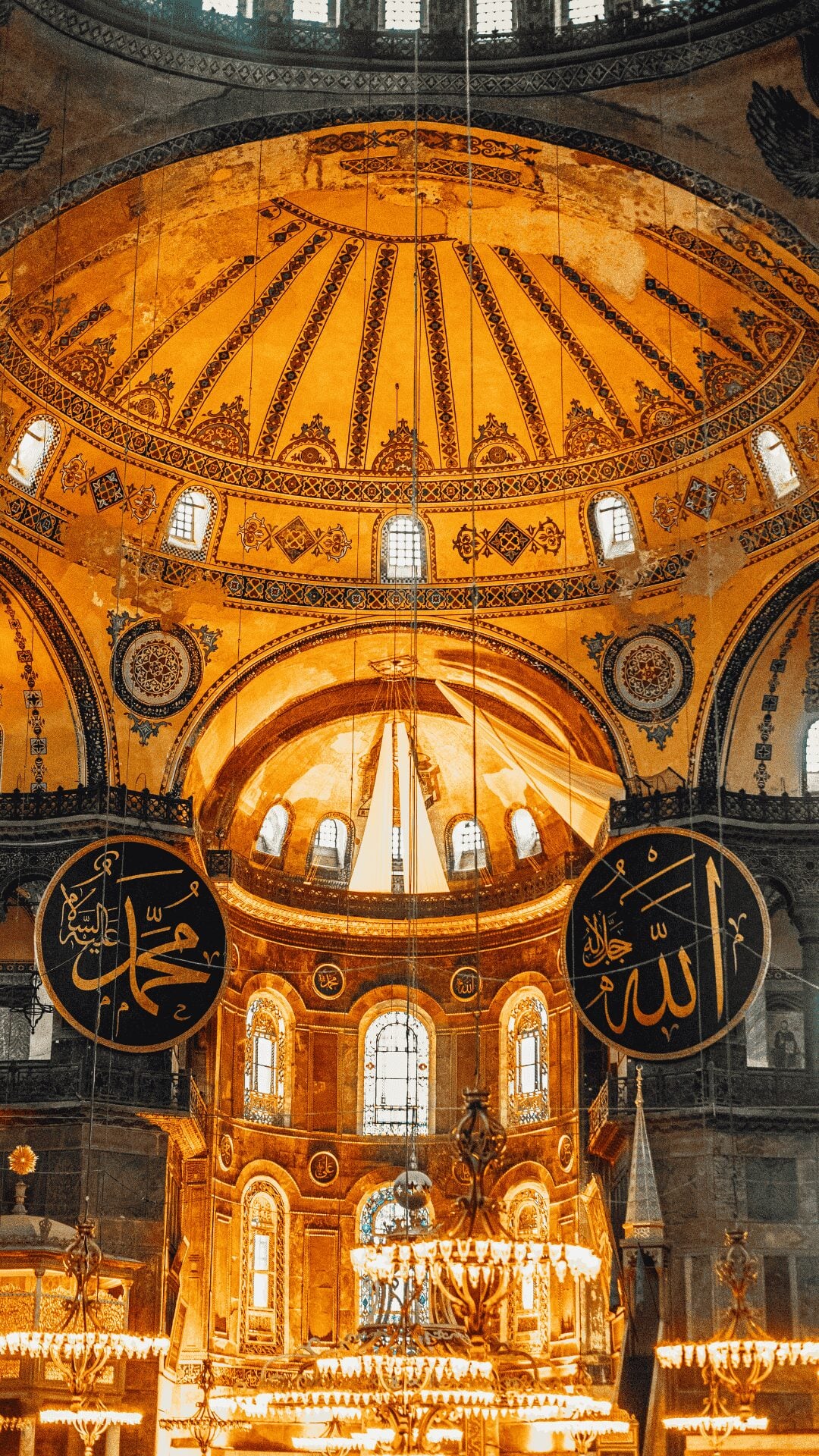
The square needs no ticket — the spending happens around it. So what makes sense here? A guided walk stitches the Hippodrome's story into the mosque and museum visits around it — that is where the square's context lives. In addition, if you plan to enter several of the neighbors — Hagia Sophia's gallery, Topkapı, the cistern — a city pass can bundle the day; check current inclusions. The cards below cover the classic starting points.


FAQ
Frequently Asked Questions
It is the ancient Hippodrome of Constantinople — the city's Roman and Byzantine chariot stadium — leveled over centuries into today's public square between the Blue Mosque and Hagia Sophia. Three ancient monuments still stand on the old racetrack's center line.
Completely — open ground, day and night, no ticket. You pay only to enter the surrounding sights like Hagia Sophia's gallery or Topkapı Palace.
The Egyptian Obelisk of Thutmose III (c. 1450 BC, erected here in 390 AD), the Serpent Column from Delphi (479 BC), the Walled Obelisk of uncertain date, and the German Fountain of 1900-1901 at the north end.
A thousand years of chariot racing, imperial ceremony, and politics — including the Nika riots of 532, when Justinian's forces trapped and killed reportedly some 30,000 rioters on the track. The first Hagia Sophia burned in the same uprising.
In Venice. The gilded quadriga that crowned the stadium was looted during the Fourth Crusade in 1204 and installed at St Mark's Basilica, where the originals remain today (replicas stand on the facade).
Thirty to forty-five minutes covers the monuments with time to read the carvings. Most visitors combine it with the Blue Mosque and Hagia Sophia, which stand at either side.
Still have questions?
Our Istanbul travel experts are happy to help.
Nearby