Inside
What Happens in a Turkish Bath, Step by Step
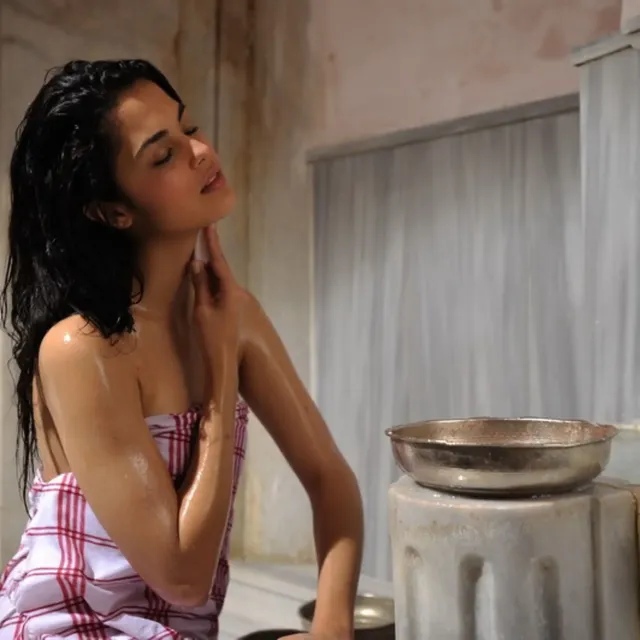
Here is the whole ritual, demystified. First, you change in the camekan, the galleried entrance hall. A peştemal is the checked cotton wrap every hamam provides, and it stays on throughout. Subsequently, a warm transition room eases you onward. The hararet is the hot marble room at the building's heart, and everything important happens there. There you lie on the göbek taşı, the heated "navel stone" platform under the dome, and sweat for fifteen or twenty minutes while your muscles surrender. The marble under your back holds the warmth of a hidden furnace, and the dome above drips its stars of light through pierced glass. Steam softens every sound to a murmur. In our experience, this is the moment first-timers stop being nervous — usually mid-thought, somewhere between the second minute and the fifth.
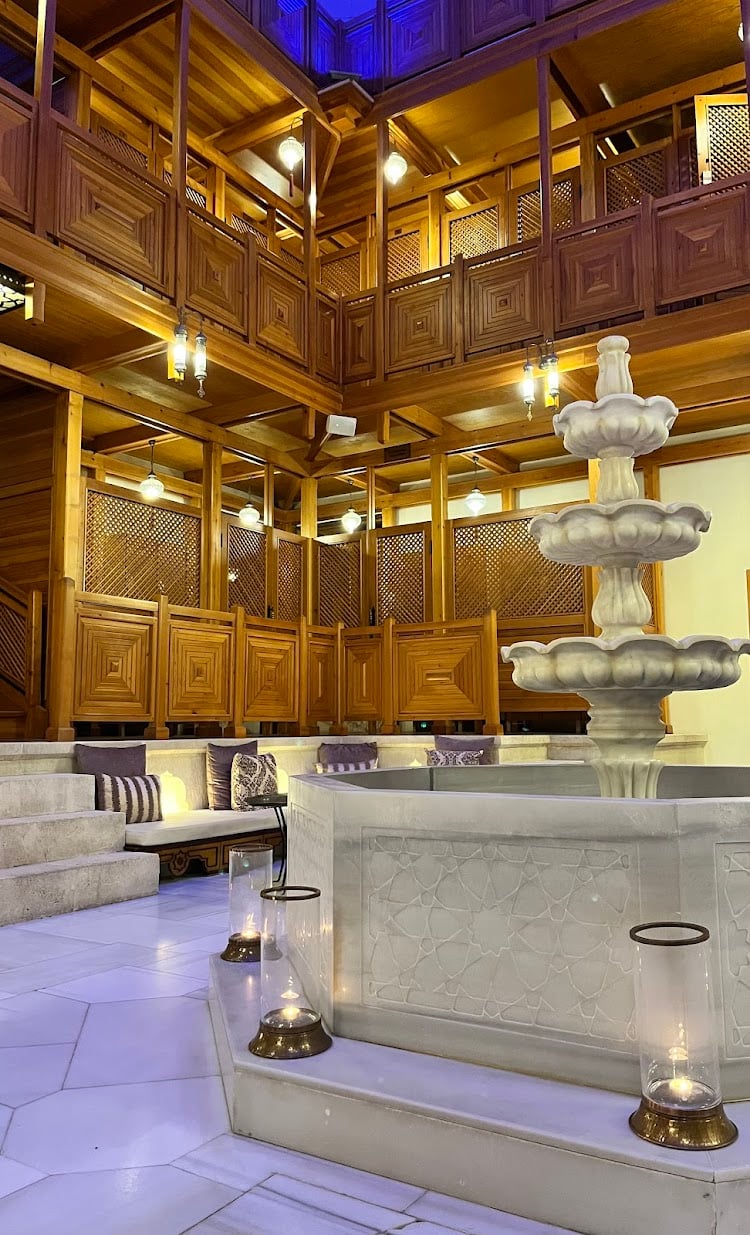
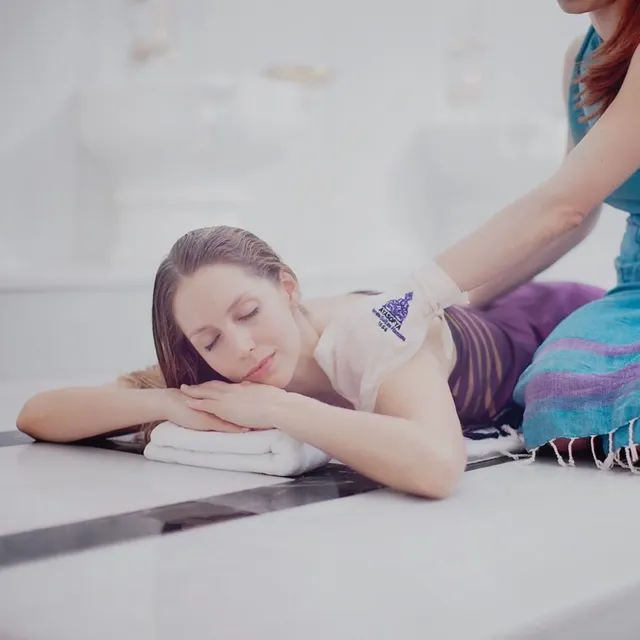
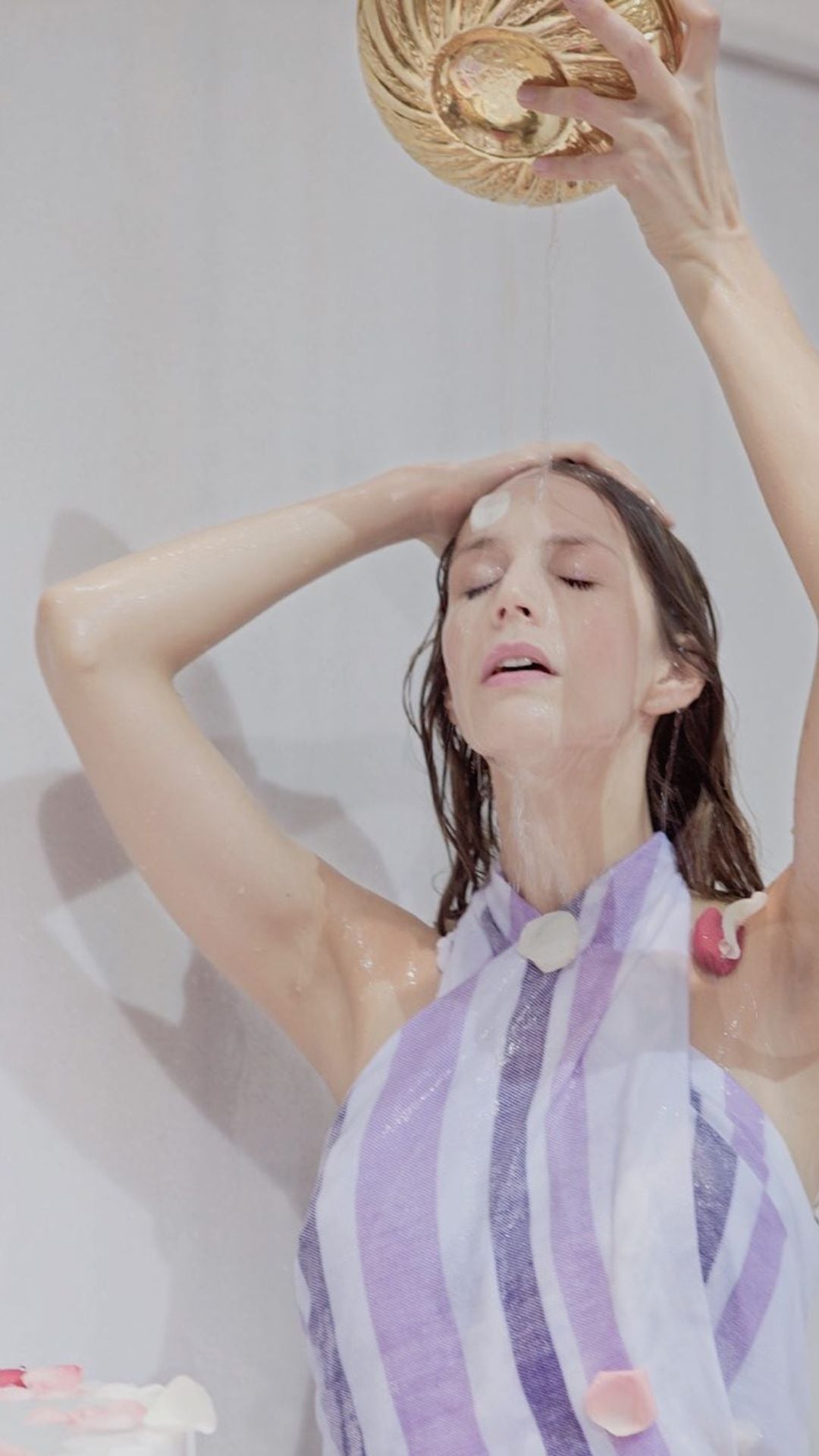
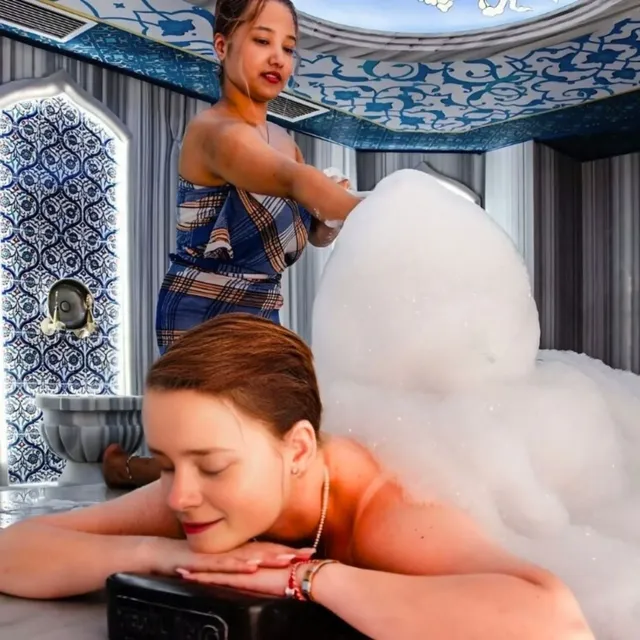
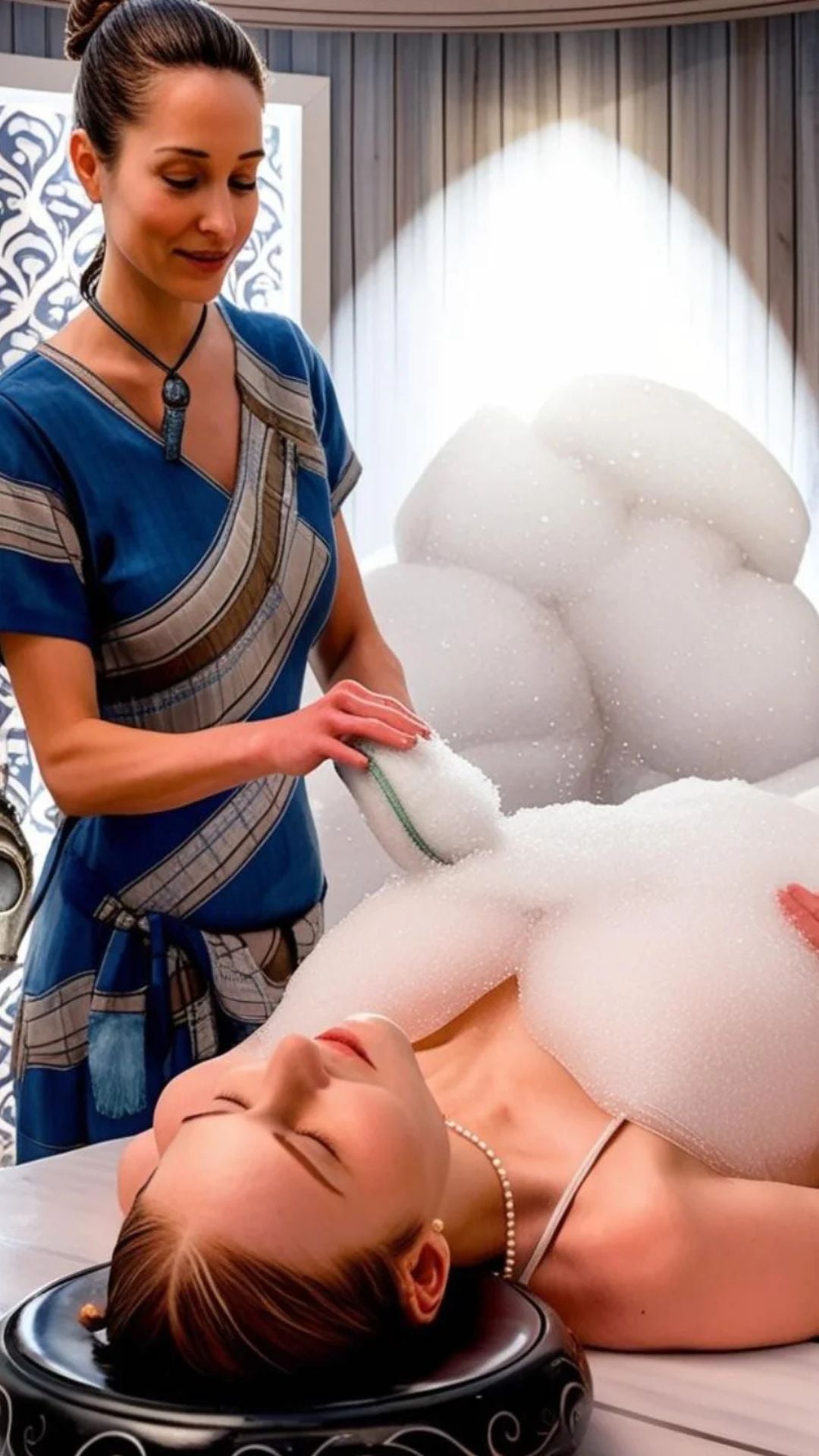
Then the famous part. Your attendant — a tellak for men, a natır for women — scrubs you head to toe with the kese, a coarse mitt that removes skin you did not know you had. Consequently, most people leave a shade lighter than they arrived, and gladly. Next comes the köpük: a cloud of foam whisked from a cloth bag, followed by a soapy massage and, finally, a rinse at the marble basins. Afterward you drift back to the camekan for tea, sherbet, and the specific superiority of being, for example, the cleanest person in Istanbul that hour. In short: heat, scrub, foam, tea — a sequence perfected over five centuries and impossible to do wrong. Nothing requires experience, and everything is optional but the sweating.
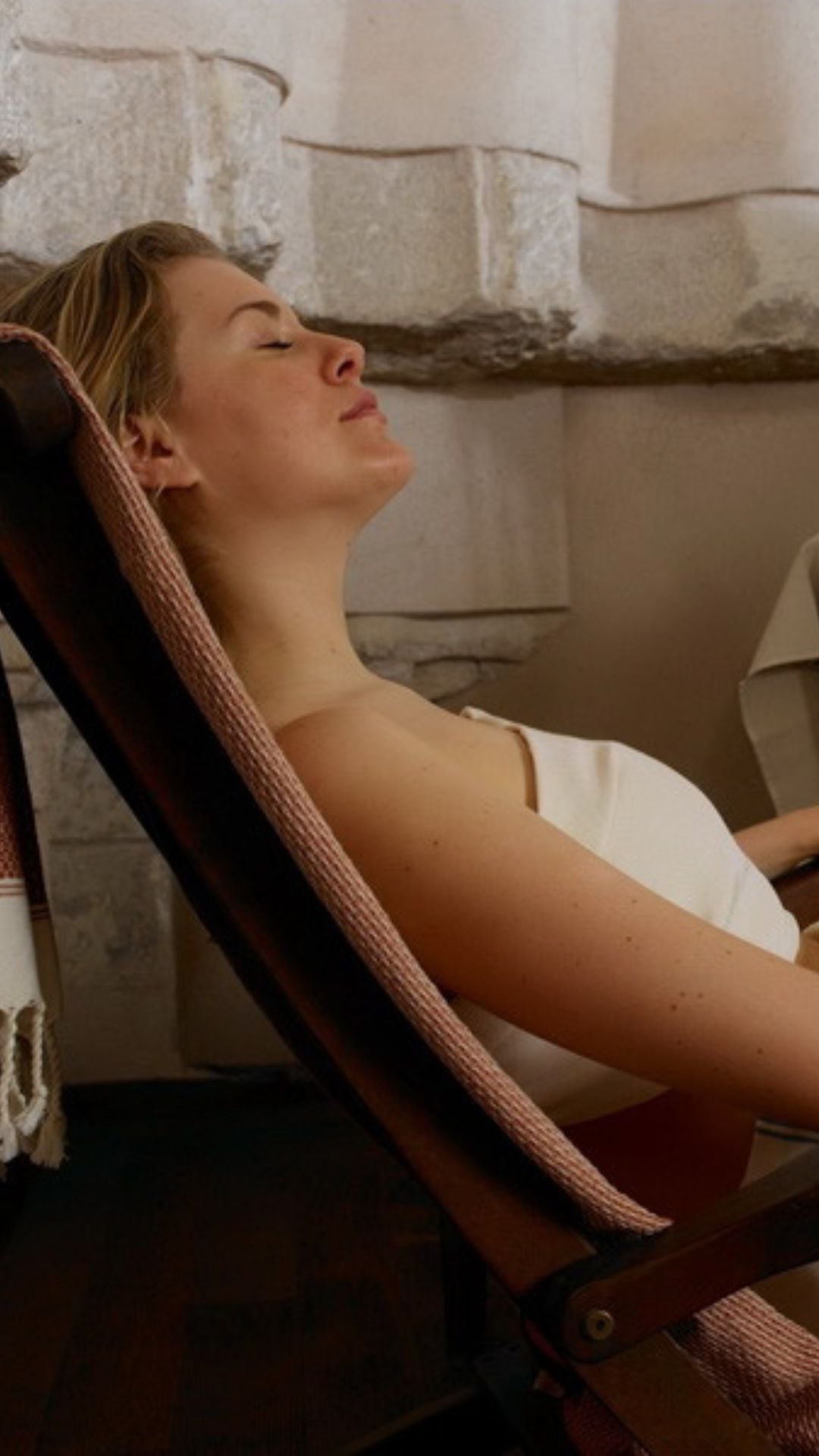
So which parts should you book? The classic package — scrub plus foam wash — is the real thing. Oil massages and add-ons, in contrast, are pleasant extras rather than the tradition. Likewise, plan roughly an hour to an hour and a half, and longer if you intend to nap in the resting hall, which is a legitimate choice.
History
Five Centuries of Steam: A Short Hamam History
The hamam is Rome's bath reborn with Islamic plumbing. The Ottomans inherited Constantinople's bathing culture in 1453 and fused it with the ritual-cleanliness needs of Islam. Subsequently they built hundreds of neighborhood baths across the city. Consequently, the hamam became Ottoman society's great social machine. For women especially, it hosted bridal baths, post-birth celebrations, and the week's real news exchange under its domes. Of the hundreds that once served the city, only around 60 are believed to still operate. Each survivor carries the same architecture: dome, marble, furnace, and the social contract of shared steam. The neighborhood may change; the ritual has not.
The engineering deserves its own fame. The külhan is the wood-fired furnace hidden beneath a hamam. It pushes hot air through voids under the marble floors and clay pipes inside the walls — the Roman hypocaust system, perfected by Ottoman builders. That is why the göbek taşı is warm at dawn and why your feet never touch a cold surface. At Zeyrek Çinili Hamam, the excavated heating system is now literally on display in its museum (reopened 2023).
The great names were built by the great architects. Mimar Sinan raised the Ayasofya Hürrem Sultan Hamamı in 1556 for Süleyman's queen, on the site of Byzantium's Baths of Zeuxippus. Likewise Sinan's: Kılıç Ali Paşa, built in the 1580s for the admiral's waterfront complex, its 14-meter dome the second-largest of any hamam in the city. Meanwhile, Cağaloğlu arrived in 1741 as the last great hamam of the empire, baroque curls and all. These are working baths, not museums — the history comes free with the steam.
Plan your visit
Hamam Practicalities: What to Bring, Wear & Tip
What to bring and wear
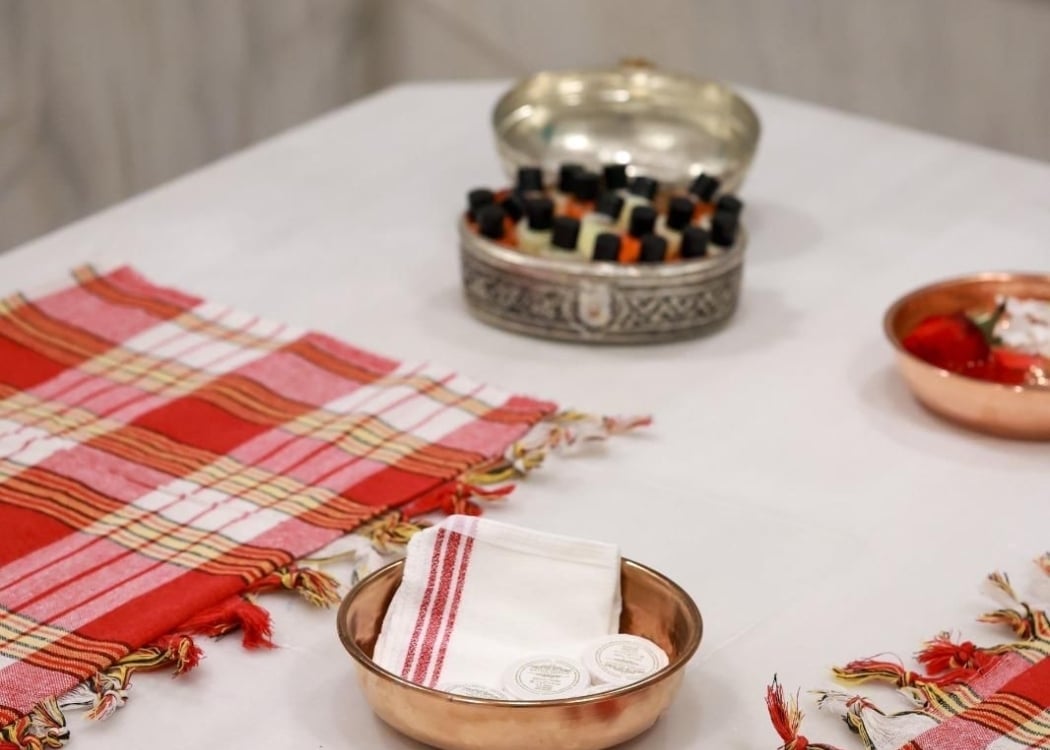
Almost nothing — that is the point. The hamam provides the peştemal wrap, slippers, and usually a kese mitt; additionally, disposable underwear is common and offered at tourist-friendly houses. Bring dry underwear for after, and leave jewellery at the hotel. Notably, glasses fog instantly and phones do not belong in the hot room. In our experience, a hair tie and a bottle of water afterward are the only extras worth packing.
Men, women and mixed sessions
Traditional hamams separate genders, either in twin parallel sections — as at Hürrem Sultan and Cağaloğlu — or, similarly, by schedule in single-space houses. Kılıç Ali Paşa runs women through the daytime and men in the evening, per its published schedule. Some tourist-oriented hamams offer mixed or couples' sessions; in contrast, the historic houses keep the classic split, which is part of the experience.
Tipping and etiquette
Tipping your tellak or natır is customary — a modest cash tip or ten to twenty percent, handed over directly with a teşekkürler at the end. Likewise: keep voices low, shower before treatment, and never point a camera at anyone. Accordingly, the etiquette reduces to one rule: this is a bath, not an attraction, and everyone in it is equally undressed.
When to go
Weekday afternoons are calmest; sunset slots at the famous houses, on the other hand, book out — reserve those ahead. We found a hamam the perfect second act after a bazaar morning; similarly, our team rates it the best cure yet discovered for long-haul flight stiffness. Winter, in fact, is the secret season: marble heat means more when it is raining outside.
Fact-checked against official sources · September 1, 2026 · TURSAB-licensed operator
Tours
Which Istanbul Hamam Should You Choose?
So which door should you pick? Three historic houses cover the choice well, and all three sell their sessions below. For the rest of the famous names — Cağaloğlu (1741, in the "1,000 Places to See Before You Die" list) and Zeyrek Çinili (Sinan, 1540s, reopened 2023 with its own museum and a TIME World's Greatest Places nod) — book directly with the houses.
Ayasofya Hürrem Sultan Hamamı
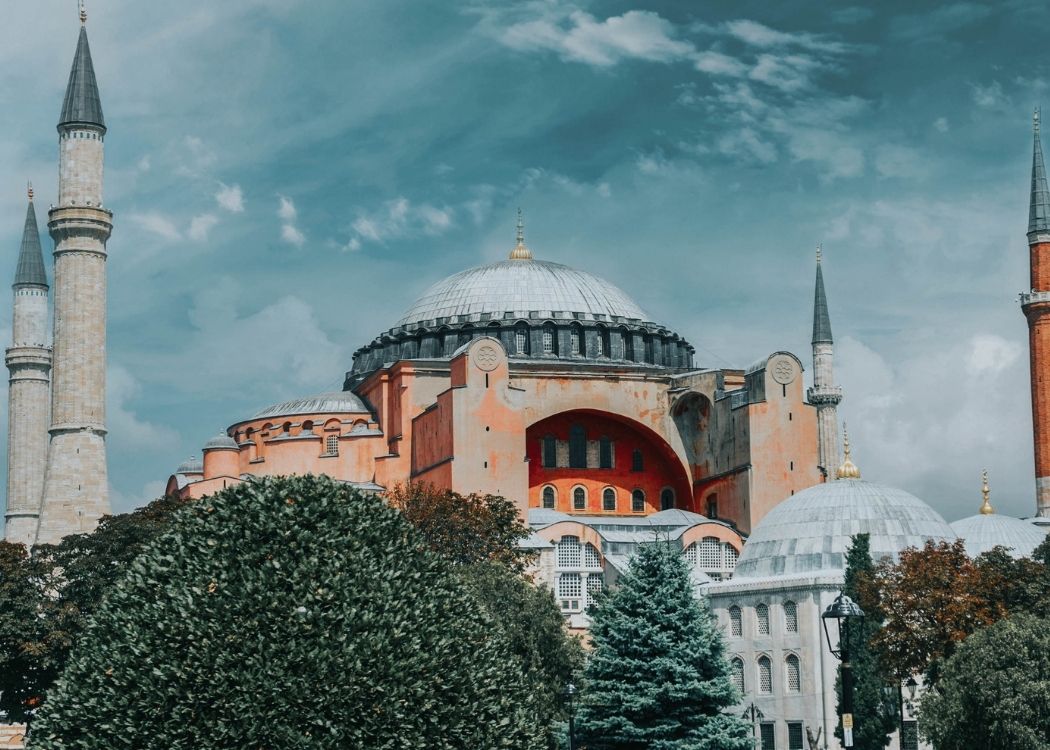
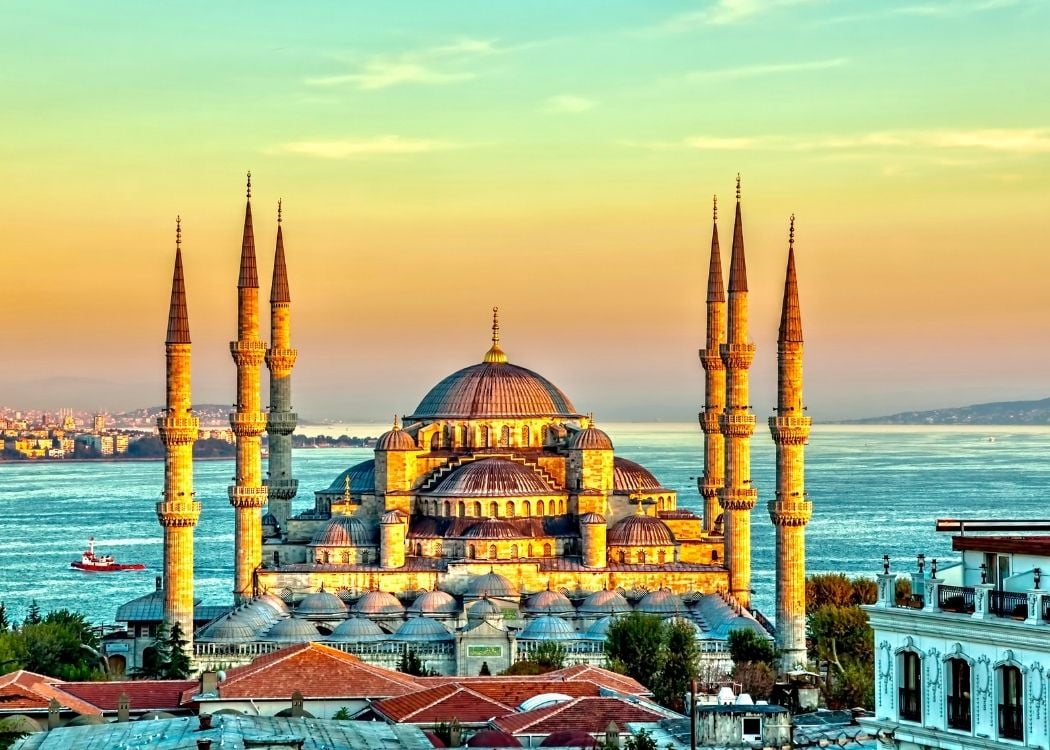
The royal option. Built by Sinan in 1556 for Hürrem Sultan on the site of Byzantium's Baths of Zeuxippus. Restored to silk-and-marble condition in 2011, it runs twin symmetrical halls for men and women. Between Hagia Sophia and the Blue Mosque; the splurge that earns it.
Çemberlitaş Hamamı
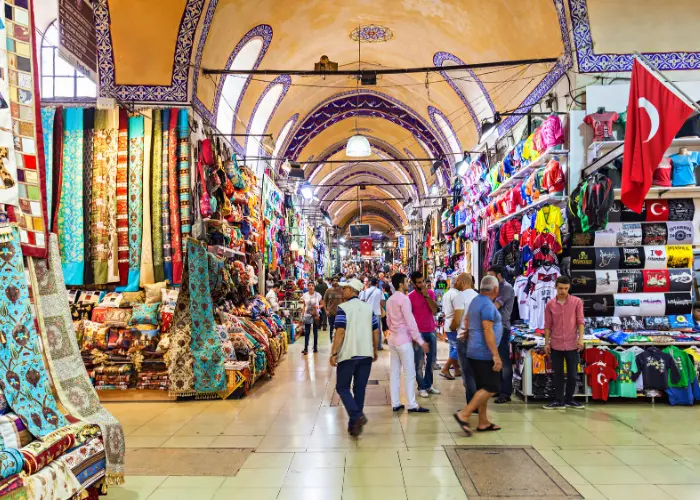
The classic. Commissioned by Nurbanu Sultan in 1584, attributed to Sinan, and running ever since beside the Çemberlitaş column. For example, it is where most first-timers land, and it handles them kindly. Marble halls, honest scrubs, long hours, and the easiest add-on to a Grand Bazaar day — the bazaar is three minutes away.
Ottoman Hamam packages
The flexible option. Package-based sessions — bath, scrub, foam, massage tiers — with couples-friendly scheduling, near the old city. For instance, the right pick when two of you want the ritual together without the traditional gender split.
FAQ
Frequently Asked Questions
You warm up on a heated marble platform, get scrubbed with a coarse kese mitt by an attendant, then get washed in foam and rinsed. Afterward, tea in the entrance hall. Plan roughly an hour to an hour and a half for the classic sequence.
A peştemal — the checked cotton wrap the hamam provides. Disposable underwear is commonly offered and worn, especially in mixed or tourist-oriented sessions. Everything else stays in your locker.
Traditionally yes — either twin sections running in parallel or separate hours in one space. Some modern and tourist-focused hamams offer mixed or couples' sessions. Check the arrangement when you book; both models are common in Istanbul.
A modest cash tip to your attendant — around ten to twenty percent — handed over directly at the end is customary and appreciated. There is no obligation beyond that.
For a landmark splurge, the Ayasofya Hürrem Sultan Hamamı (Sinan, 1556). For classic atmosphere at friendlier prices, Çemberlitaş (1584). For architecture pilgrims, Zeyrek Çinili — reopened in 2023 with its own museum. There is no wrong door among the historic houses.
Less than you fear. The staff run first-timers through the sequence daily, nobody looks at anybody, and the peştemal stays on. The only real mistake is rushing — the heat does its work on its own schedule.
Often, on weekday afternoons. Sunset and evening slots at the famous houses sell out, and couples' packages need booking. Reserve ahead for anything you care about; walk in for spontaneity.
Still have questions?
Our Istanbul travel experts are happy to help.
Nearby