Nur-i Osmaniye and its History
Nur-i Osmaniye is a neighborhood in the Fatih district on the European side of Istanbul. If you follow the slope extending north from Çemberlitaş, you can reach Nur-i Osmaniye Street, the district’s main street. The area takes its name from the Nur-i Osmaniye Mosque, which stands as the defining monument of the neighborhood. Over time, restoration and renovation works in and around the mosque changed the district significantly. The main street was closed to traffic and renewed as a city square, giving the area a more pedestrian-friendly character.
The Nur-i Osmaniye Mosque has not only given the district its name but has also survived as one of its most important historical landmarks. Construction of the mosque began in 1748, and it is regarded as the first baroque mosque built in Istanbul. The mosque and its complex appeared during a period when Westernization trends began to influence architecture, making it a significant point in Ottoman architectural history. Alongside the mosque, a complex including a madrasa, imaret, library, mausoleum, and fountain was also built.
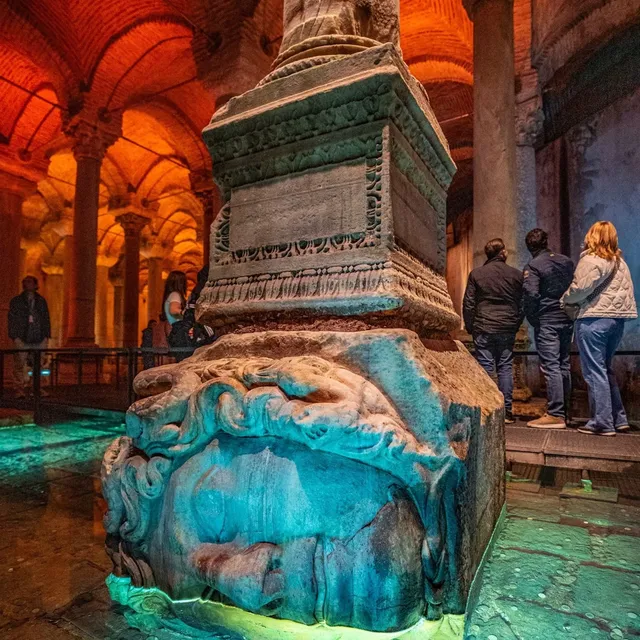
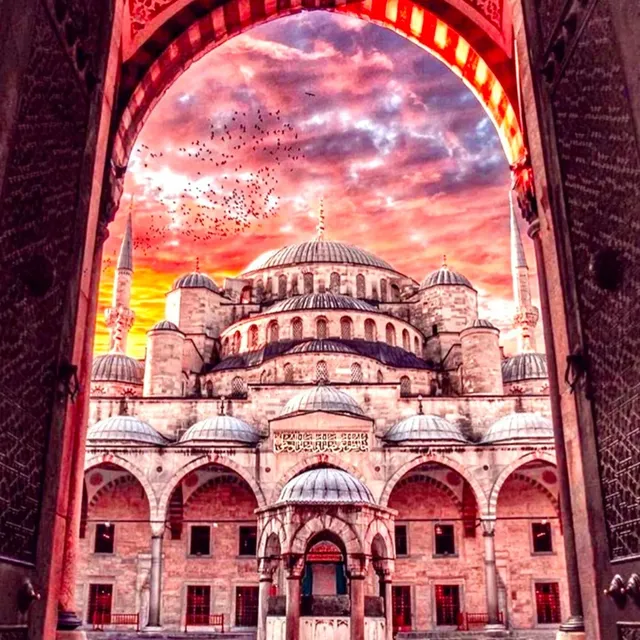
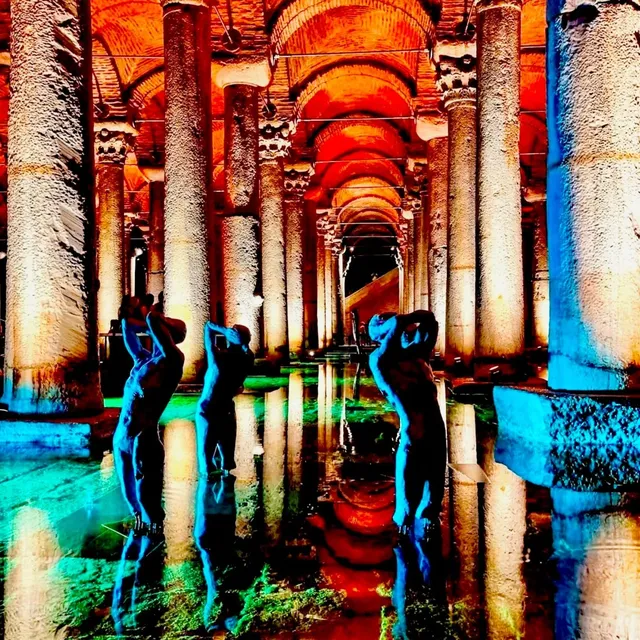
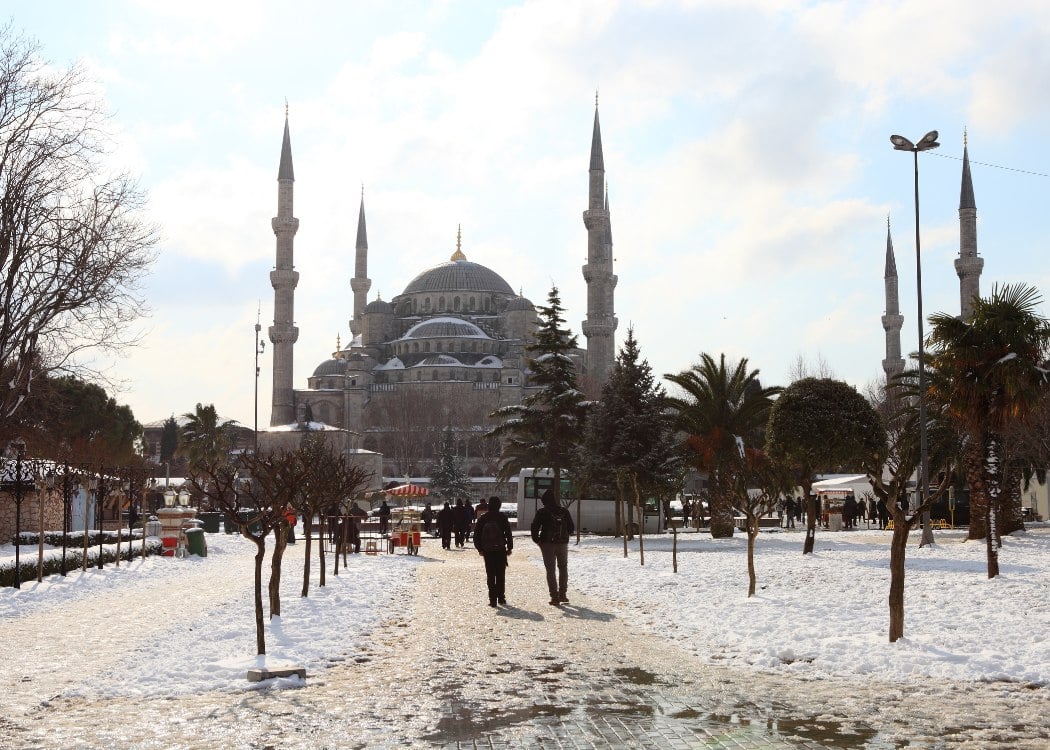
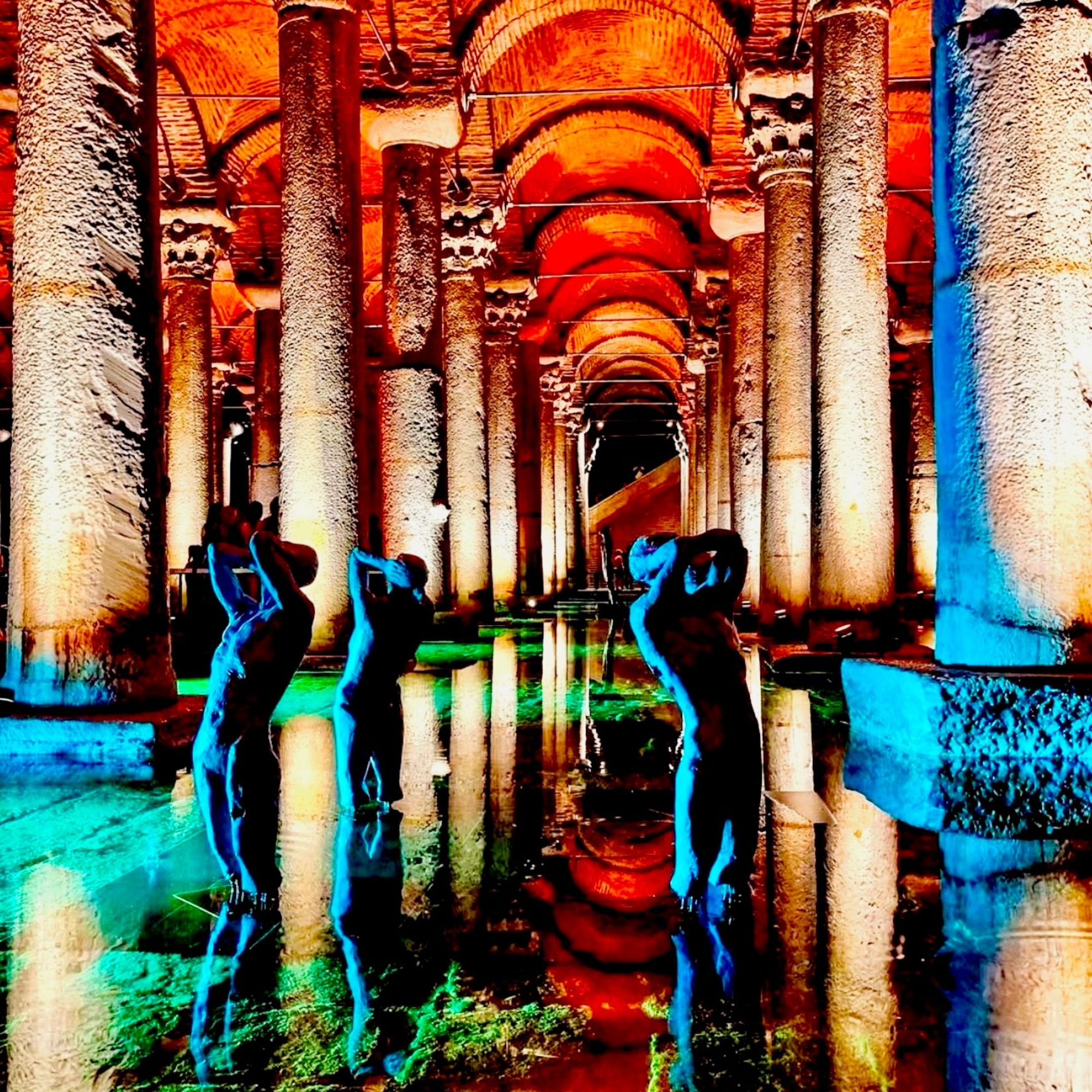
Today, visiting the district means experiencing both this architectural heritage and the commercial life that surrounds it. The area sits close to the Grand Bazaar, and together they form one of Istanbul’s busiest zones for gold and precious stones trade. For visitors, that means an engaging mix of historic setting, shopping streets, and food and drink options. If you are exploring the old city, you can also combine the area with nearby landmarks such as Sultanahmet Square or the Basilica Cistern.
Historically important and still lively, Nur-i Osmaniye appeals to both local and foreign visitors. One of its quieter charms is the peaceful feeling that can still be found despite its central location. After exploring the district, a walk through Istanbul’s historic core can turn the visit into a fuller day out.
What to Buy in Nur-i Osmaniye
Nuru Osmaniye is known as an Orient bazaar, and it is possible to find many cultural second-hand items here. The shopping streets reflect the district’s historical features through stores that carry the atmosphere of an older Istanbul bazaar. If you are interested in cultural household goods, you can browse shops selling handmade carpets and rugs specific to Turkish culture and speak with artisans in person.
As you stroll through the shopping streets of Nur-i Osmaniye, you will also come across shops selling antique goods and clothing. One example mentioned by visitors is Sofa Art & Antiques, located on Nur-i Osmaniye Street close to the Covered Bazaar, where works of art and antiques from earlier times are offered.
There are many places in this district that can fascinate you while walking along its historical roads, and it is easy to feel tempted to buy gifts for loved ones. Known for its Orient Bazaar character, Nuru Osmaniye offers a calm environment with a distinctive atmosphere. Another shop noted in the area is Punto of Istanbul, known for carpets and rugs. In a setting where tea and conversation are part of the experience, artistic rugs often become one of the memorable highlights of a visit.
Restaurants in Nur-i Osmaniye
There are many dining and drinking places in Nur-i Osmaniye, often decorated with cultural elements and known for a warm atmosphere. In these venues, you can try Turkish dishes as well as Turkish coffee and hookah options. Dehliz Restaurant, located on Nur-i Osmaniye Street, is described as a place that stands out with its cultural decoration and welcoming setting. Visitors come for well-known Turkish dishes and leave satisfied with both the food and service.
Another suggested stop is the historical Subaşı Restaurant, located near Nur-i Osmaniye Street and favored by locals. Traditional Turkish cuisine is the main attraction here. You can find Turkish home cooking prepared in one pot, along with kebab and meat dishes, making it a practical choice for visitors looking for familiar local flavors in the historic center.
Why Visit Nur-i Osmaniye
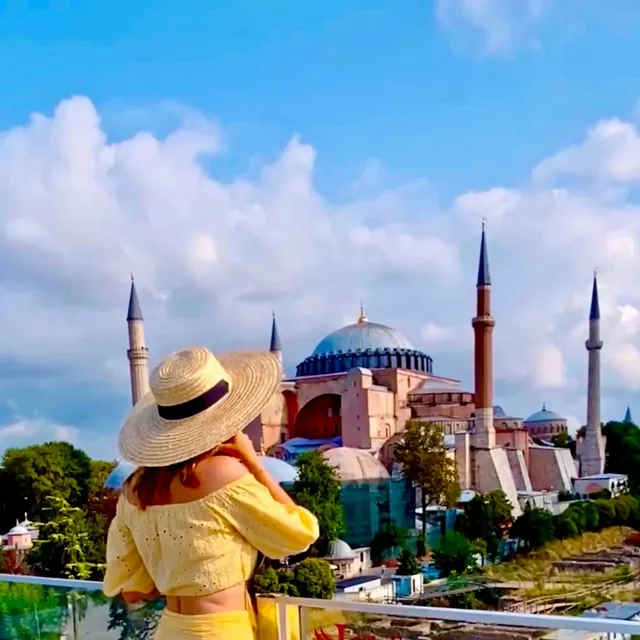
Nur-i Osmaniye brings together several sides of Istanbul in a single walkable area: an important mosque complex, a long-standing shopping culture, antique and carpet stores, and local restaurants. It also benefits from its position in the historic peninsula, making it easy to visit alongside major landmarks such as Hagia Sophia. For a broader historical overview of the mosque itself, you can also consult Wikipedia’s Nuruosmaniye Mosque entry or browse Istanbul heritage resources on GoTürkiye.
If you want to experience a district that reflects Istanbul’s layered identity without leaving the old city, Nur-i Osmaniye is a rewarding stop. Its streets combine trade, architecture, and atmosphere in a way that feels unmistakably tied to the city’s past and present.