As a result of the modernization process that has characterized Turkey’s Republican history since its beginning, Istanbul developed an identity as a modern, global city unique to itself. From an economic and cultural perspective, Istanbul became the heart of contemporary Turkey. Because of the city’s unparalleled historical heritage, it continues to be uniquely important not only for Turkey, but also in the eyes of the world as a whole.
Istanbul, home to many international political, cultural, fine-arts, and sports organizations, has long advanced toward the most elite level of world cities. As a synthesis of east and west, Istanbul carries many of the colors of a world that no longer exists within borders. Turkey’s open door to the West redefined its former status as an imperial capital by becoming a world-class center of trade, business, tourism, and culture.
Republican period and new Istanbul
Losing the capital title
Istanbul, which had served as the capital of three great empires, left this title to Ankara. The population, which was around 850 thousand at the turn of the century, decreased to 700 thousand in the population census of 1927 with the shift into the Republican era.
While efforts for westernization were redirected to Ankara in cultural, political, economic, architectural, and ideological terms, Istanbul was seriously neglected. In its history of more than two thousand years, the city began to be governed from the outside for the first time. Much fewer resources than it produced were allocated to the city, even though it continued to be the economic and commercial center.
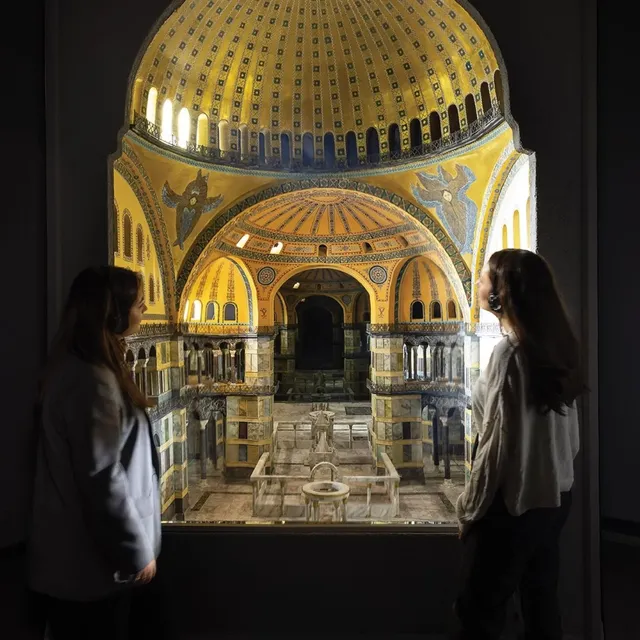
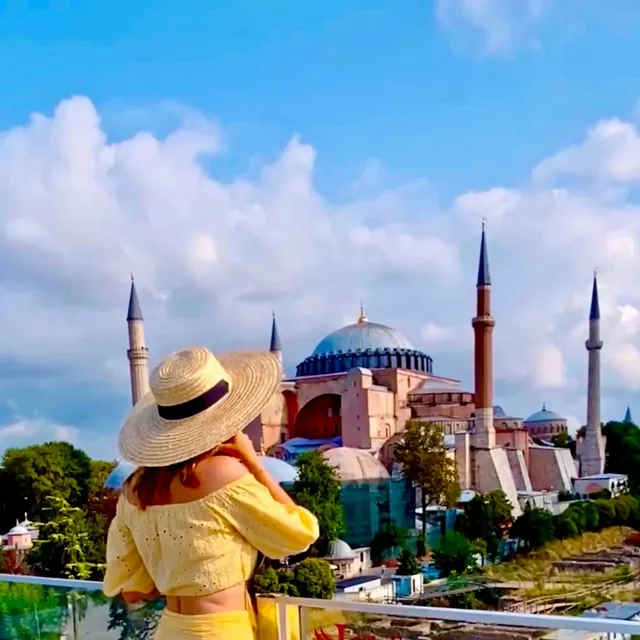
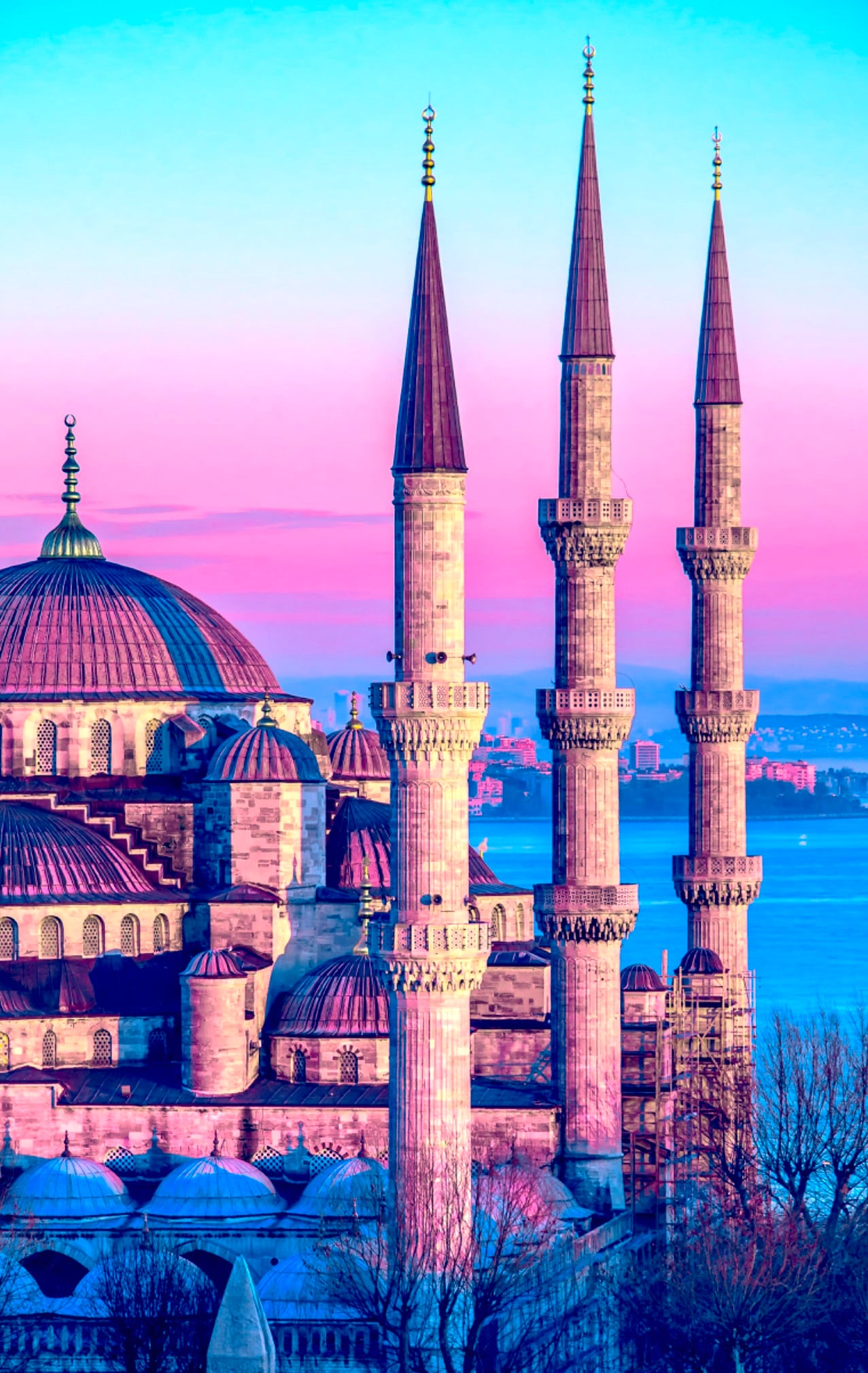
During this period, little was done in terms of urban planning. Changes mostly reflected the ideology of the new state: street names were changed, buildings of the Ottoman dynasty and empire were assigned new functions, and Hagia Sophia was turned into a museum. Imperial institutions were also reopened with new names and purposes. These remained largely symbolic activities. To understand one of these most notable changes, see Hagia Sophia.
First moves of urban planning
The first major moves regarding Istanbul’s urban planning began when Adnan Menderes, leader of the Democratic Party, was in power. Social movements after the 1950s and a population explosion resulted in rapid architectural growth in Istanbul. The modern city image envisioned by Democratic Party executives accelerated this development. Roads opened in spite of the destruction of the historical city changed the fabric of Istanbul.
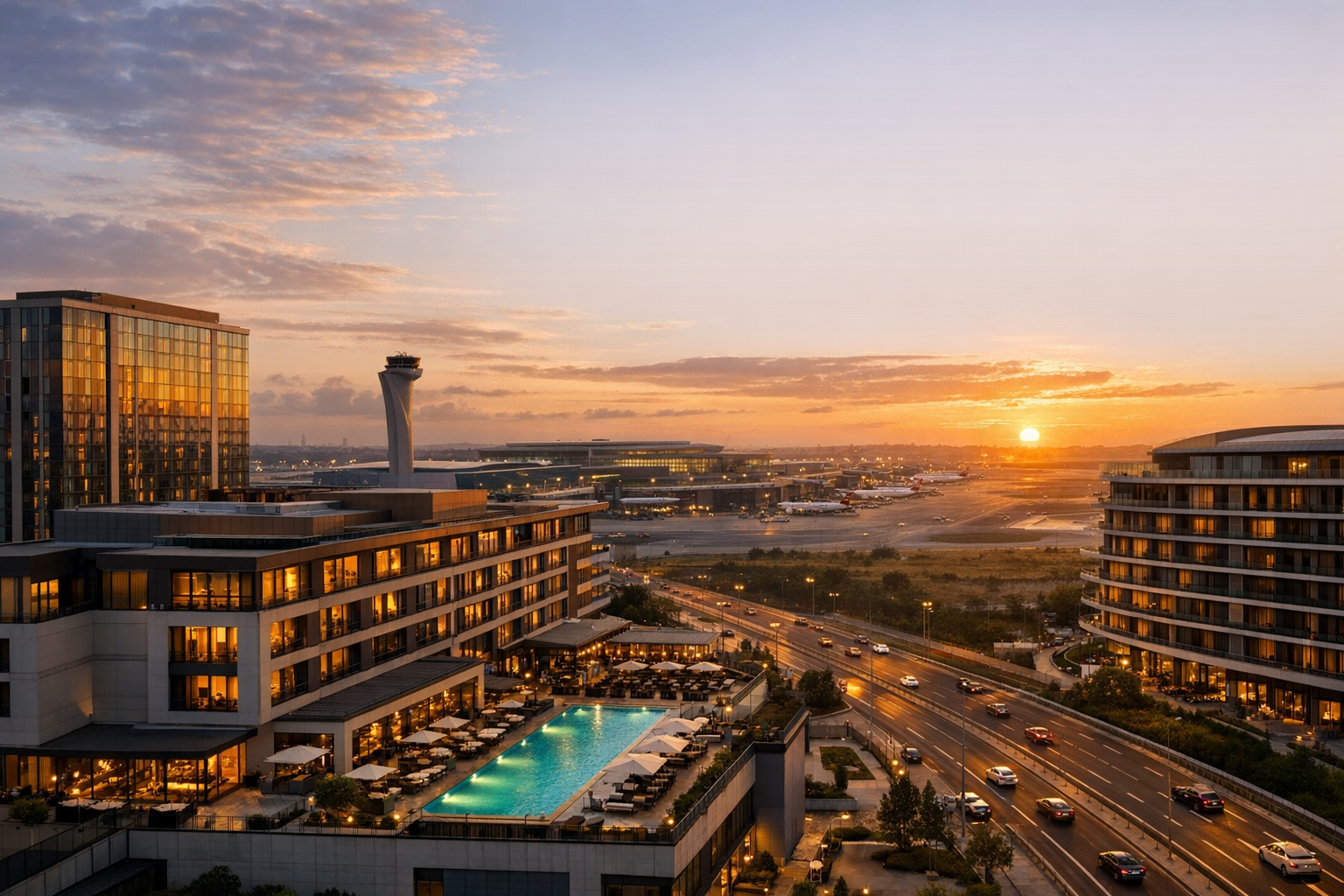
Between 1950 and 1960, many main highways were opened to public use and existing roads were expanded. While these roads were being built, thousands of buildings were demolished. Many historical sites were damaged, and numerous works of art were either transferred or destroyed. In the same period, major buildings such as the Municipality, Hilton Hotel, and Divan Hotel were constructed, reflecting the shift in the city’s architectural canvas.
Between the years 1950–1960, Istanbul still did not undergo truly notable urban planning in a comprehensive sense. This did not begin until the 1970s, after the urbanization works of the Democratic Party period had already become deeply entrenched.
Bosphorus and Fatih Sultan Mehmet bridges
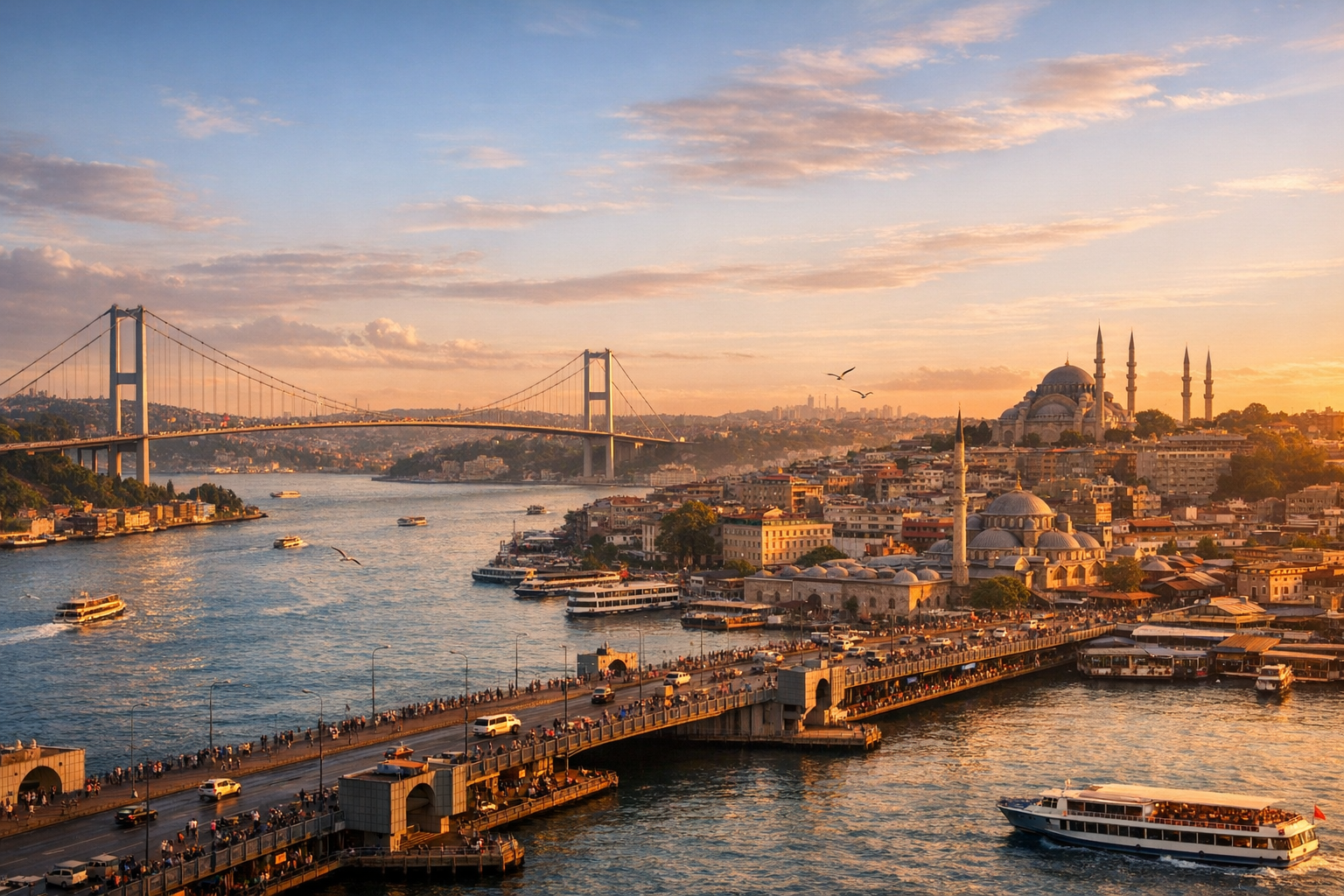
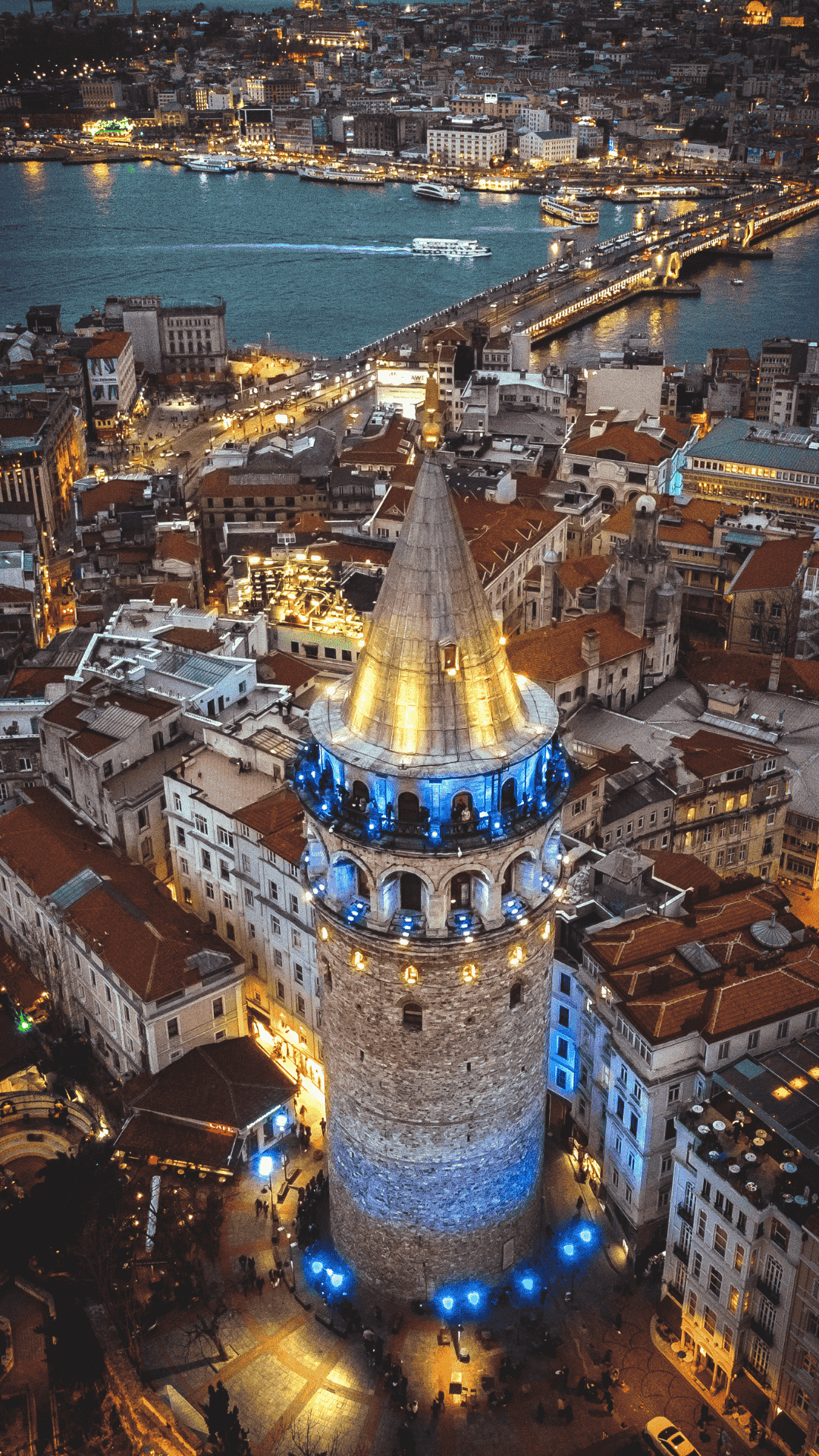
In 1973, the Bosphorus Bridge was opened to service. Together with its approach roads, it led to the emergence of new settlements and new fields of profitability in the neighborhoods of the metropolis. The bridge also marked a new phase in how Istanbul expanded between its two continents. Travelers interested in the waterway that shaped this development can also explore the Bosphorus Cruise experience.
After the 1980s, a second settlement plan was put into action, though it was not as comprehensive as the first. Major works in this plan included the clearance of industrial institutions from the Golden Horn, the opening of the Fatih Sultan Mehmed Bridge in 1988 as the second bridge over the Bosphorus, Tarlabaşı Boulevard, the piled road on the European side of the Bosphorus, the filling of the coast between Kadıköy and Bostancı and its conversion into a highway, the express tram, and a metro project between Taksim and Levent.
These years also saw migration to Istanbul gain speed. The city became surrounded by shanty towns and cheap cooperative housing. At the same time, urban growth and infrastructure projects increasingly shaped the modern image of areas such as Taksim Square.
The 1980s also saw industrial institutions moved out of the city. Thanks to the wider use of the natural gas network and stricter controls on coal consumption, residents of Istanbul experienced winters with greater tranquility regarding air pollution. The water supply problem, one of the city’s most troubling issues, was also handled to a large extent through new water supply facilities and investments in water treatment and distribution.
For broader historical context on the Republic of Turkey and its early transformation, readers can consult Britannica. For a general overview of the period and background chronology, Wikipedia may also be useful.
How the Republican era reshaped Istanbul
The Republican era did not erase Istanbul’s imperial past; instead, it recast the city within a new national framework. Even when the capital shifted to Ankara, Istanbul remained the country’s key economic and commercial center. Over time, transportation projects, migration, industrial relocation, and modernization efforts transformed the city into a vast metropolis while leaving visible traces of both loss and renewal.