A Historical Landmark in Istanbul
Beyazit Square is one of the historic centers of Istanbul and an important stop for visitors who want to understand the city’s commercial, cultural, and political past. Istanbul remained a historically, culturally, and commercially important center during different imperial periods. The reigns of the Byzantine, Roman, and finally Ottoman Empires helped shape the city’s trade and shopping networks. According to the oldest known records, Istanbul was a settled area in the seventh century BC. After that, it continued to attract attention with its position between two continents as well as its climate and natural beauty.
Especially in the Ottoman period, the city’s trade networks were highly developed by the Conqueror of Istanbul, Sultan Mehmet. New structures were added to the historical buildings dating back to ancient times. Historical bazaars, mosques with various architectural styles, passages, and palaces are among these structures. If you want to discover Istanbul and enjoy shopping at the same time, you can find a different opportunity in almost every district.
What Is Beyazit Square?
Beyazit Square, dating back to the Ottoman Empire period, is one of the places to visit for anyone who wants to discover Istanbul through its cultural heritage and historical background. The history of this area goes back much further, and in fact, its foundation is based on a square built before the Ottoman era. In 393 BC, the great square was built by Emperor Theodosius, and it coincided with the same area as Beyazit Square. During this period, there were large bull stones in the middle of the square, and its name was Form Tauri.
Visiting Beyazit Square can be one of the best steps you take to explore Istanbul historically. Because it stands on one of the main transportation axes of the city, it naturally became a place that witnessed many historical events. Located among the central points of Istanbul, the square is also a convenient choice for travelers interested in shopping. Its position close to the city’s historical bazaars and commercial centers brings together history and daily life in a way many tourists appreciate.
Beyazıt Square became a significant political area during the Ottoman Empire and retained its importance after Turkey became a republic. Istanbul University, standing right by the square, plays an important role in preserving the area’s popularity. The square also includes the Beyazit State Library and the Sahaflar Bazaar, and it opens toward the Grand Bazaar, one of the city’s best-known historic markets.
Over its long history, the name of Beyazit Square changed many times. During the Ottoman period, it was also known as the Old Palace Square. Yet its most constant feature has remained the same: it is still a lively, crowded, and interesting urban space for both locals and visitors.
Beyazit Square Attractions
If you are planning to discover Istanbul, Beyazit Square is definitely one of the important places to consider for its historical traces. It has maintained its popularity since ancient times thanks to the madrasas, schools, historical bazaars, shopping areas, and historic buildings around it. During the republican period of Turkey, several cosmetic changes were made to Beyazit Square, making the area even more pleasant to spend time in.
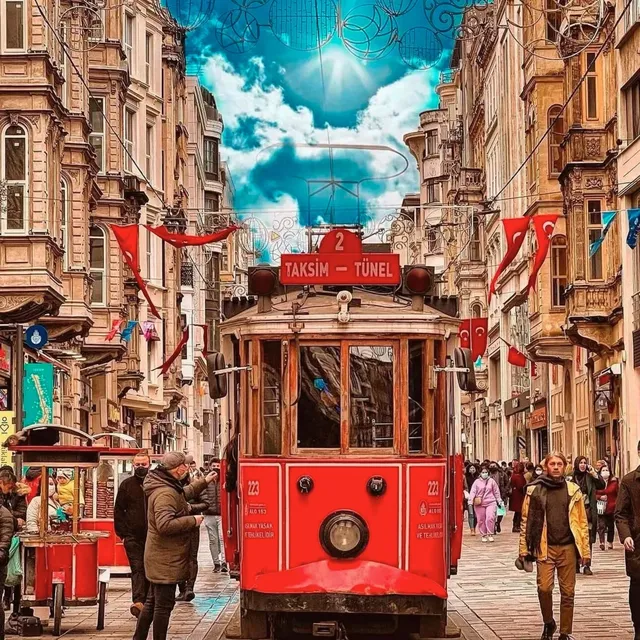
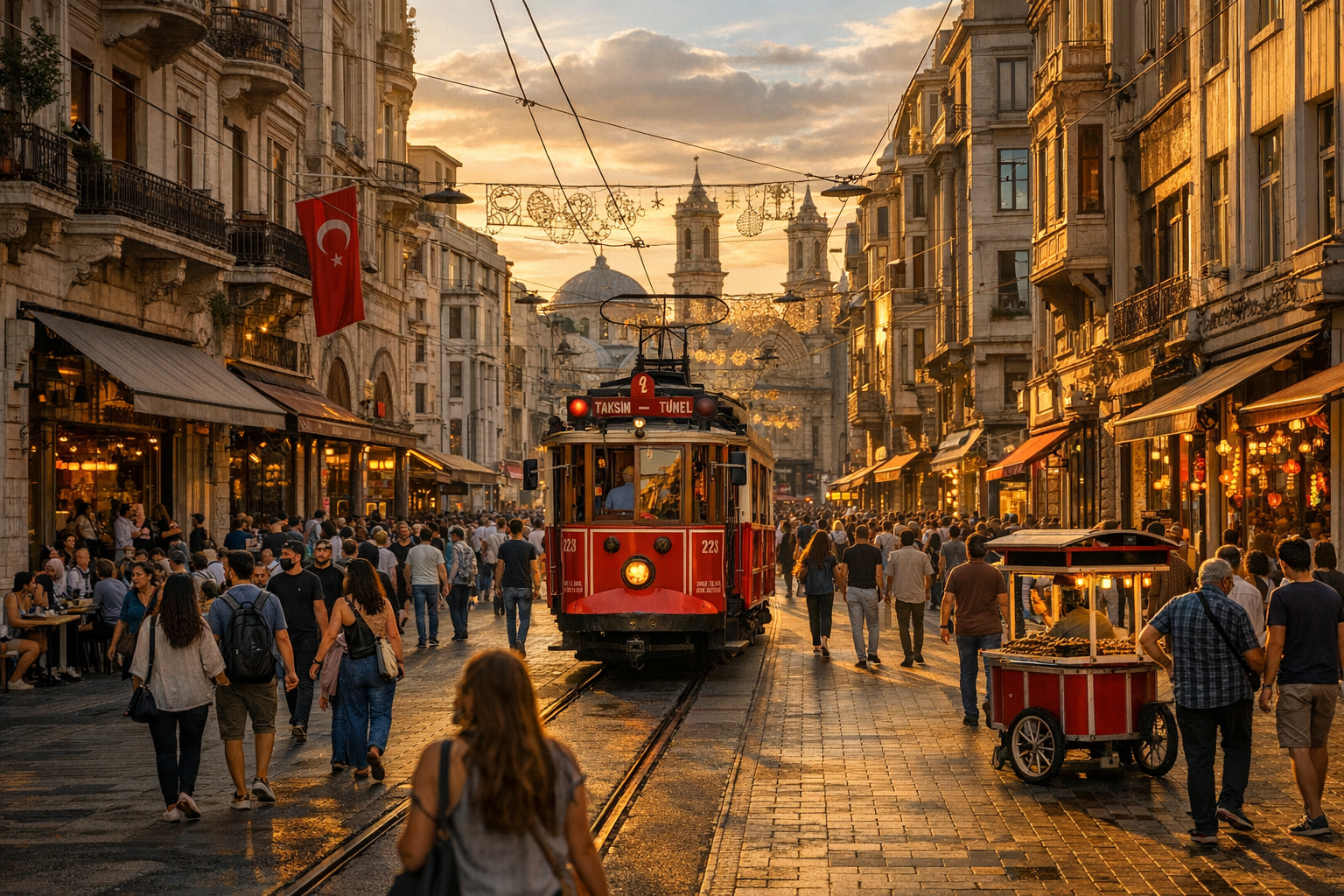
In the early 1900s, a fountain was built in the middle of Beyazit Square. After that, tram and metro lines began to be installed to make transportation easier. Until today, many projects related to Beyazit Square have aimed to strengthen its role as a meeting point. One of the square’s highlights is that it has become one of the popular places for shopping in Istanbul.
Because of its location, Beyazit Square also works well as a starting point for exploring nearby historic sites. From here, visitors can continue toward the Suleymaniye Mosque for another major landmark of the old city, or head into the surrounding market streets for books, souvenirs, and everyday local trade. Those exploring the broader historic peninsula may also want to compare its atmosphere with Sultanahmet Square, another well-known public space in old Istanbul.
For travelers interested in the historical background of the area, general reference material about the square and its wider context can be found on Wikipedia. For current public transportation options in Istanbul, it is also useful to check the official Metro Istanbul website before your visit.
Why Visit Beyazit Square?
Beyazit Square combines several sides of Istanbul in one place. It reflects the city’s long imperial history, preserves its role as a transportation hub, and stays connected to the commercial energy that has defined this area for centuries. Whether your interest is architecture, urban history, shopping, or simply seeing a central gathering place used by locals every day, Beyazit Square remains a rewarding stop.
It is especially appealing for travelers who want to move beyond a single monument and experience how historical layers continue to shape daily life in Istanbul. The square’s surroundings, including educational institutions, libraries, bazaars, and transport links, help explain why it has remained relevant from the Ottoman era to the present day.
Visitor Tips for Beyazit Square
- Combine your visit with nearby bazaars and historic streets for a fuller experience.
- Allow extra time if you want to continue on foot toward the Grand Bazaar and surrounding landmarks.
- Use tram and metro connections to include Beyazit Square easily in a wider old-city itinerary.
- Visit with comfortable walking shoes, as the surrounding area invites exploration on foot.