Sultanahmet: 3 Walking Routes Through Istanbul’s Historic Heart
Sultanahmet is one of the best places to explore Istanbul on foot. Art historian Hayri Fehmi Yılmaz prepared three alternative walking routes to help you discover Sultanahmet and its surroundings step by step. If you want to understand the city beyond its famous skyline, these routes offer a practical way to walk, see, and connect the monuments, streets, and lesser-known structures that make old Istanbul unique.
Most people know little about the city in which they live. Particularly when it is a city like Istanbul, you need to make a special effort to know it. A structure or wall you pass every day without noticing may in fact be one of the important building blocks that makes the city special.
So how can you explore it? First, you need to walk around, see, and understand. A good method is to divide Istanbul into districts, create special routes, and get to know the structures that hold an important place in the city’s history.
Starting with Sultanahmet makes perfect sense. This area gathers some of Istanbul’s most significant monuments within walking distance of one another, from Hagia Sophia and the Blue Mosque to the Basilica Cistern and the remains of Byzantine and Ottoman urban life. You can also compare the district’s global importance through the UNESCO World Heritage context and check broader historical background on Wikipedia.
You can set out on your own or with friends. Below are the three routes exactly as suggested for discovering Sultanahmet and nearby areas on foot.
Route 1: Around Hagia Sophia, Soğukçeşme, Arasta and the Blue Mosque
This route is dense and rewarding, and it is best planned as a full-day walk.
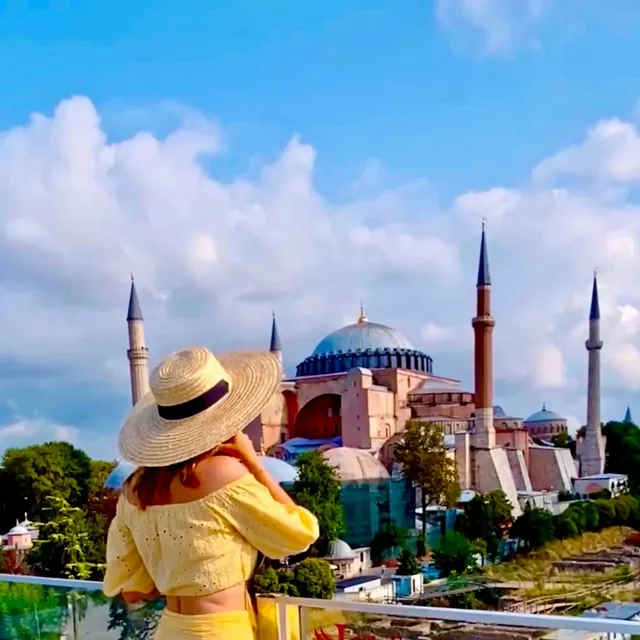
- 1. Hagia Sophia Museum
- 2. Sultan Reshad Three-Faced Fountain
- 3. Caferağa Madrasah – You should definitely spend some time in the Traditional Turkish Arts Education Center and its restaurant.
- 4. Erdebil Lodge – One of the most famous Halveti lodges in Istanbul. The lodge was built by Hızıroğlu Sheikh Yusuf Sinan Erdebil between 1527 and 1528. It has been restored several times and today has been turned into a law office and a shop that sells half-precious stones by the children of the last sheikh.
- 5. Soğukçeşme Street – The only street completely restored within the rampart. Although Istanbulites do not live on it, it remains one of the most beautiful streets in the city.
- 6. Çelik Gülersoy Foundation Istanbul Library – A valuable place for anyone interested in books and documents about Istanbul.
- 7. İkram Garden – A peaceful stop at the end of Soğukçeşme Street, set within a greenhouse and a beautiful garden.
- 8. Sarnıç Restaurant – A good alternative for those who want to dine in a Byzantine cistern with medieval decoration.
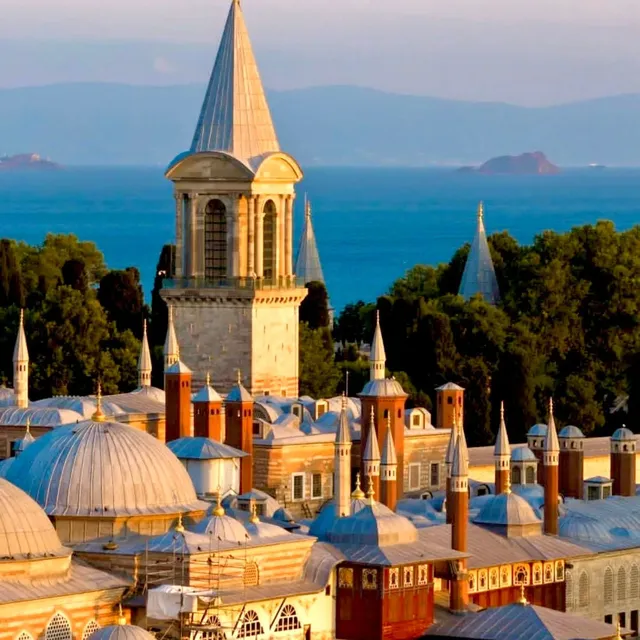
- 9. Sur-u Sultani (Topkapı Palace Ramparts) – One of the most important memoirs of Fatih remaining from the 15th century and a rare work still preserving a medieval atmosphere. Nearby, you may also want to continue to Topkapi Palace.
- 10. Ahmet III Square Fountain – The biggest square fountain built in the Ottoman period, reflecting the joy of the Tulip Age.
- 11. Mahmud I Alms House – An important work in the Ottoman baroque style, especially notable for its door and epigraph.
- 12. Haseki Hürrem Public Bath – Built by Mimar Sinan for Hürrem, with a unique plan in Ottoman bath architecture.
- 13. Green House – A restored 19th-century residence, with a glasshouse and a pink marble pool in the garden.
- 14. Cedid Mehmet Efendi Madrasah (Istanbul Arts Market) – An Ottoman madrasah where traditional crafts such as calligraphy, illumination, marbling and binding are produced and sold.
- 15. Old Sultanahmet Prison (Four Seasons Hotel) – A splendid example of Turkish neoclassical architecture, still bearing the phrase Dersaadet Cinayet Tevkifhanesi over its entrance.
- 16. Ishak Pasha Mosque and Bath
- 17. Dede Effendi House Museum – Home of Hamamizade Ismail Dede Effendi.
- 18. Akbıyık Mosque – Considered the mosque closest to the direction of Mecca in Istanbul.
- 19. Ahırkapı – One of the most beautiful gates on the Marmara coast ramparts.
- 20. Erol Taş Café
- 21. Otluk Kapı – One of the outer gates of Topkapı Palace.
- 22. Merdiven Kulesi remnants (Magnaura Palace remnants) – Remains associated with the great palace called Magnum Palatium by the Byzantine emperors, though the identification as Magnaura Palace has not yet been proven.
- 23. Mosaic Museum – The mosaics, remains of Byzantine imperial palaces, date back to the 6th century. For more on this stop, see the Great Palace Mosaics Museum.
- 24. Sultanahmet Arasta – A 17th-century gun bazaar of side-by-side shops, now known for traditional Turkish arts and carpets.
- 25. Sokollu Mehmet Pasha Palace remnants – High walls opposite the Arasta, remembered as the last traces of a 16th-century vizier’s palace.
- 26. Sultanahmet Foundation Carpet and Rug Museum – Located within the Sultanahmet Mosque Hünkâr Summer Palace.
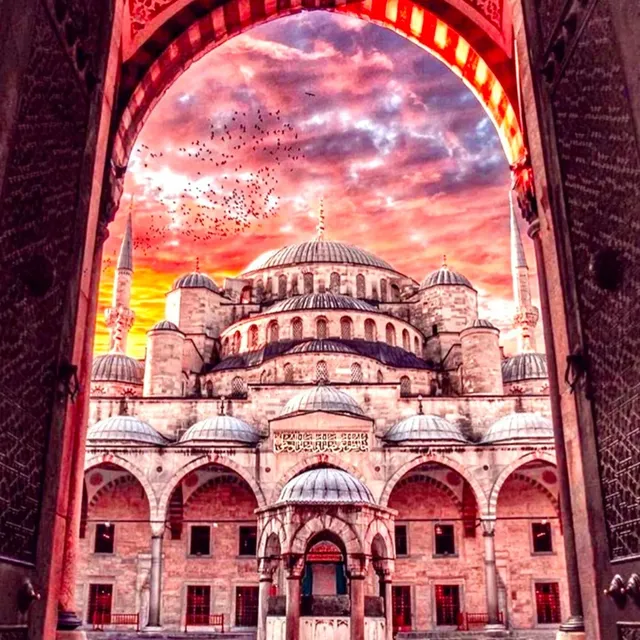
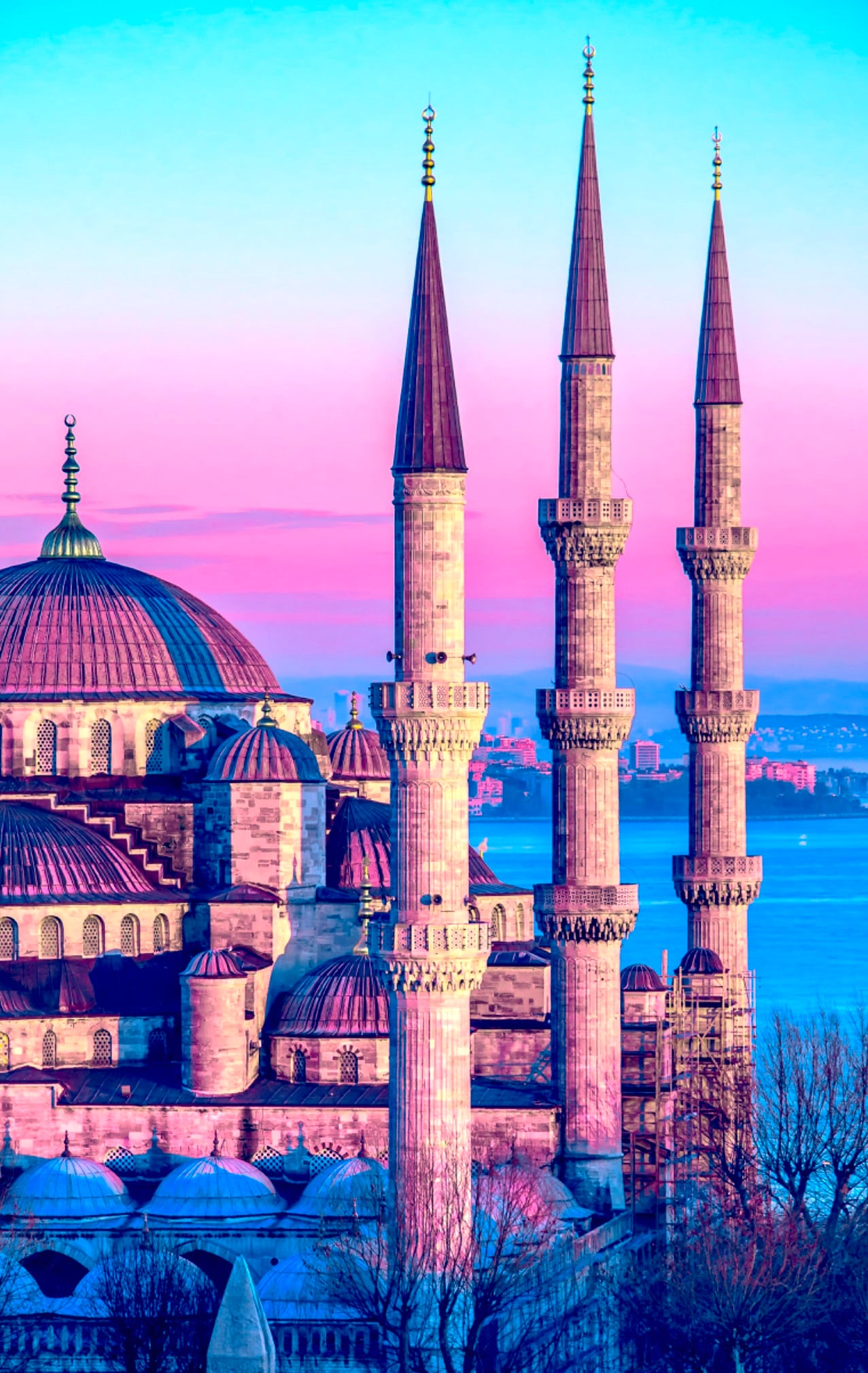
- 27. Sultanahmet Mosque – A magnificent 17th-century building by Sedefkar Mehmed Agha.
- 28. Sultanahmet Tomb – One of the rare surviving tombs with all its components and decoration elements.
Suggested time: one full day.
Route 2: Milion, Yerebatan, Sultanahmet Park and Binbirdirek
This route is shorter and can be completed in about six hours.
- 1. Remnant of the Milion Monument – A remnant of the famous monument marking the beginning of the road from Istanbul to Rome. The 18th-century water scale behind the marble ruins is sometimes mistaken for the monument.
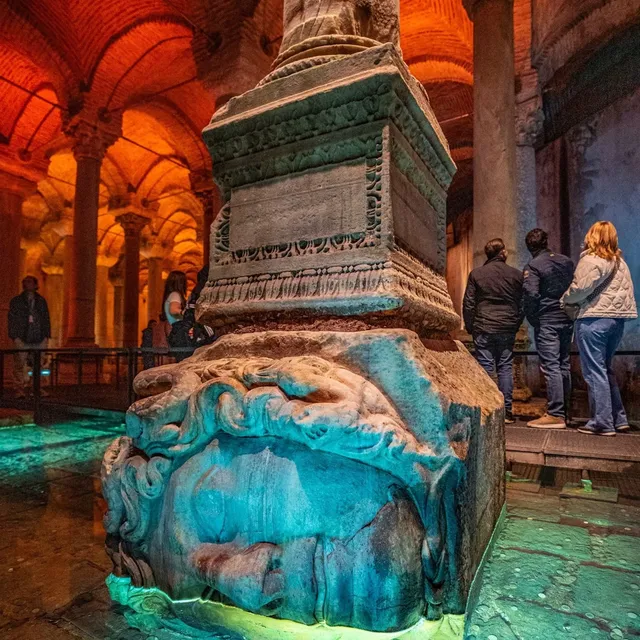
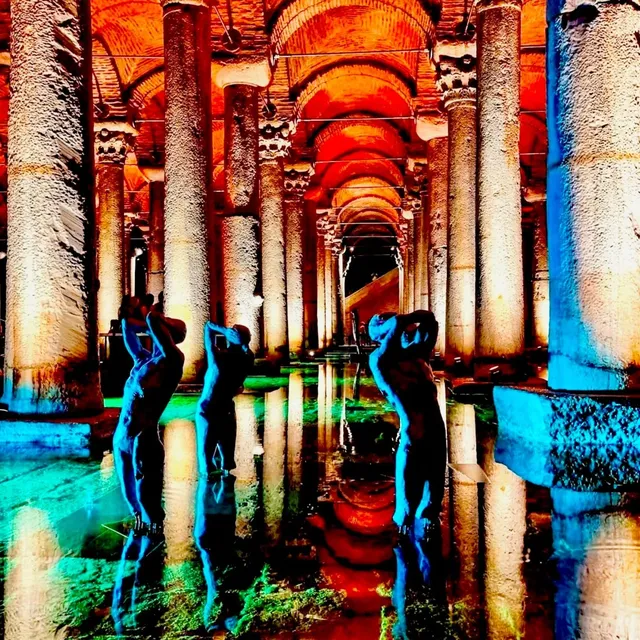
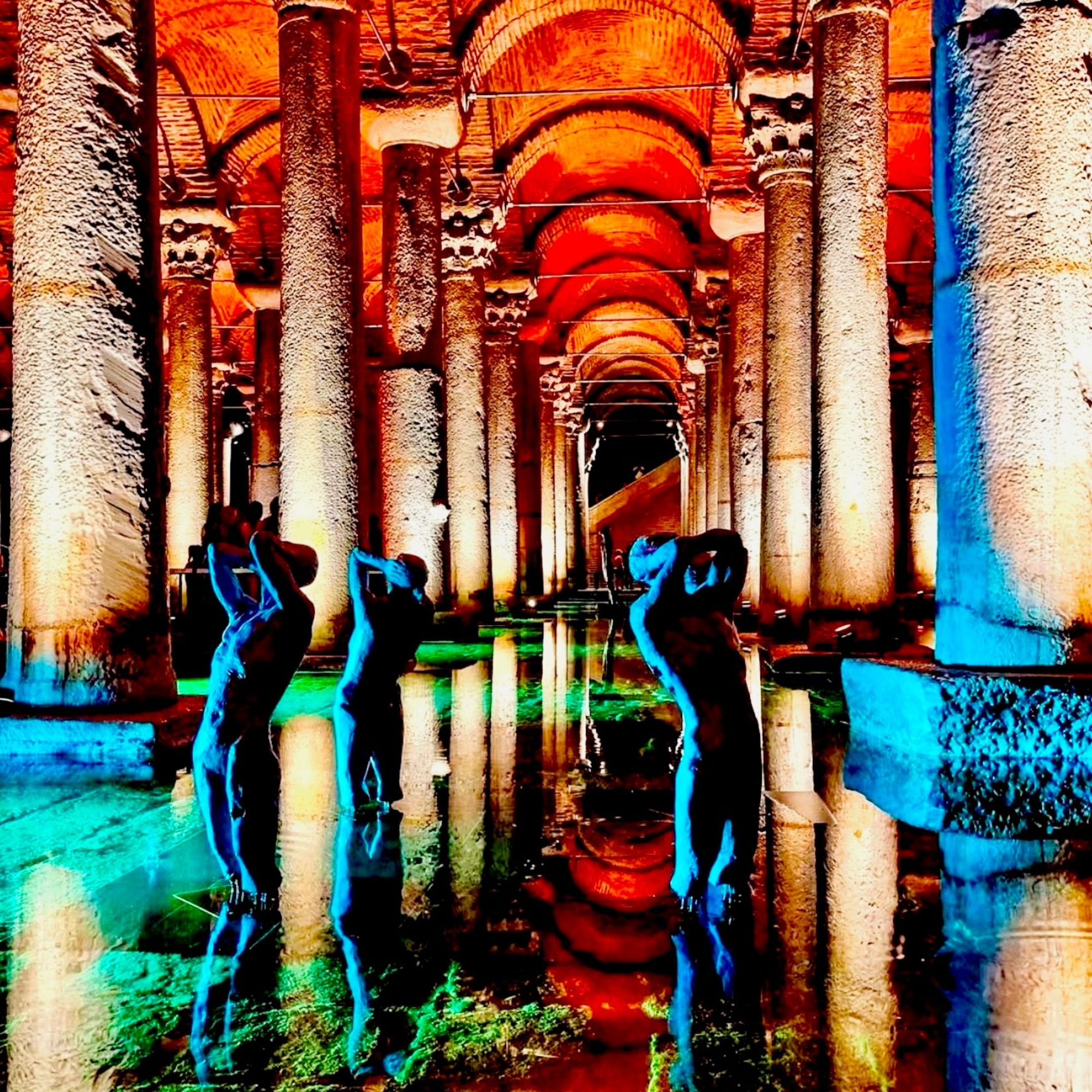
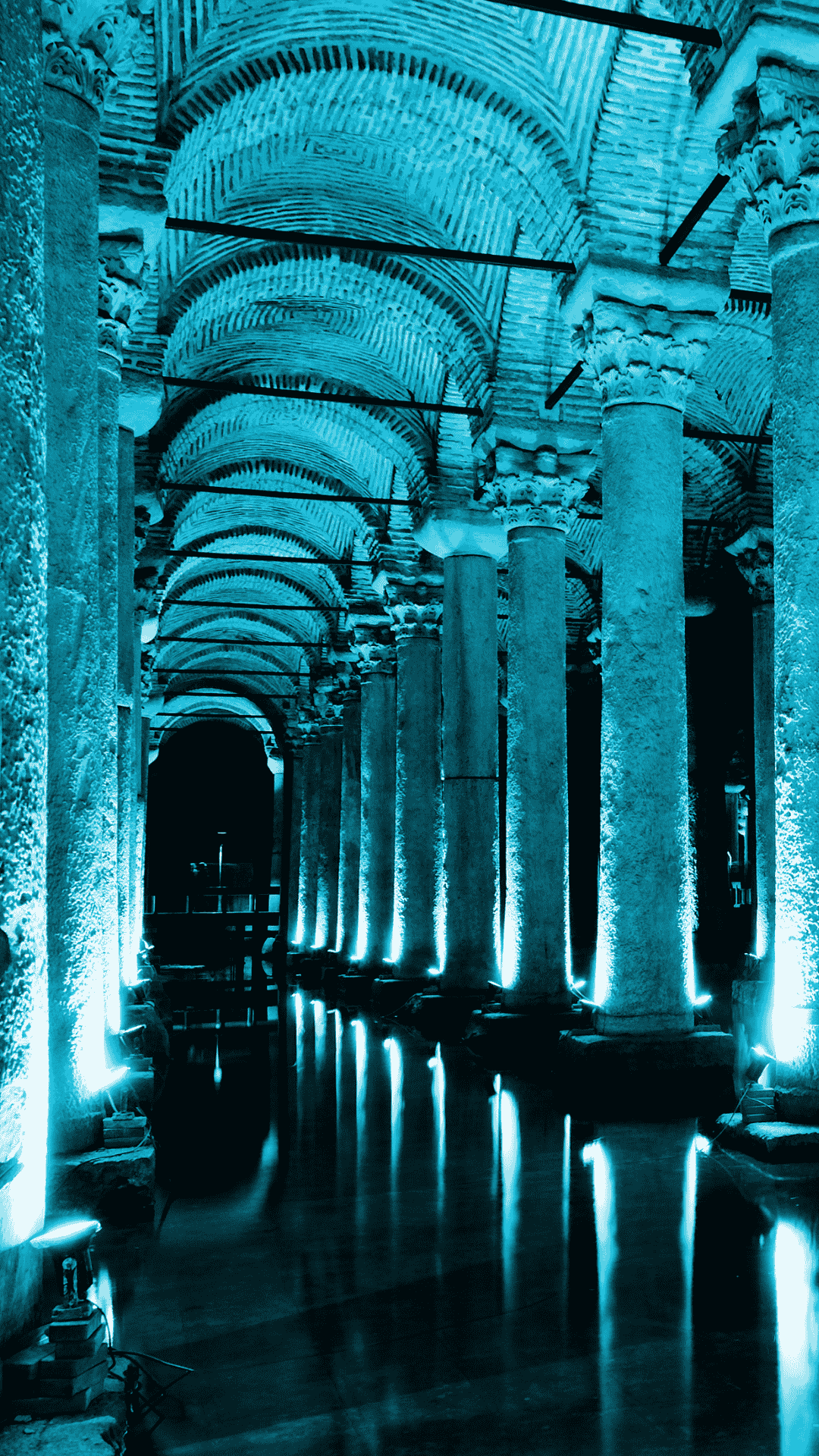
- 2. Yerebatan Palace – One of the biggest cisterns dating back to the 6th century, operated by Istanbul Metropolitan Municipality. The two Medusa heads inside are thought to have been randomly incorporated into the building materials.
- 3. Halide Edip Adıvar Monument – A bust honoring one of the most important female authors in Turkish literature and the speaker of the great meeting protesting the invasion of Izmir.
- 4. Cevri Kalfa Primary School – Today home to the Turkish Literature Foundation, and one of the earliest modern school buildings in Istanbul.
- 5. Sultanahmet Köftecisi – One of the oldest restaurants in Istanbul. It is a must to try its meatballs, bean salad, and irmik helva.
- 6. Firuz Agha Mosque – One of the most beautiful works of the early classical age in Istanbul.
- 7. Ruins of Saint Euphemia Martyrionu – Among the most important Byzantine ruins in Istanbul.
- 8. Ruins of the Lausos Palace – Located within Sultanahmet Park, with walls that can still be seen.
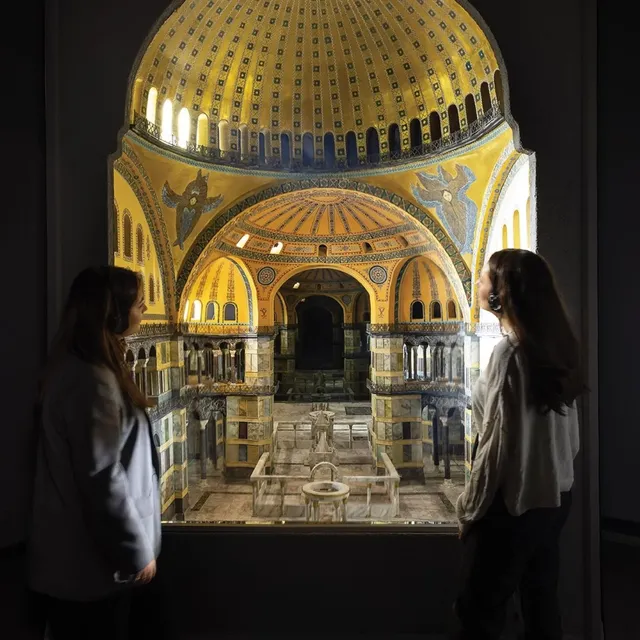
- 9. Binbirdirek Cistern and the Models and Plans of Istanbul Byzantine Monuments Exhibition
Suggested time: approximately 6 hours.
Route 3: Hippodrome, Ibrahim Pasha Palace, Little Hagia Sophia and Kadırga
This route is another full-day walk and reveals a different side of Sultanahmet, stretching from the Hippodrome area toward the sea walls and Kadırga.
- 1. The German Fountain – Prepared in Germany as a present from Emperor Wilhelm II to Abdulhamid II and brought to Istanbul.
- 2. The Obelisk – An ancient Egyptian monument and one of the oldest historical artifacts in Istanbul.
- 3. The Serpentine Column – Brought from the Apollon Temple in Delphi, cast to commemorate the Greek city-states’ victory against the Persians in the Greco-Persian Wars.
- 4. The Chainmail Column – A monument from the same age as the obelisk, once covered with bronze plates.
- 5. Ibrahim Pasha Palace (now Museum of Turkish and Islamic Arts) – The only surviving 16th-century vizier palace in Istanbul, home to one of the richest carpet collections in the Islamic world.
- 6. Ottoman Cadastral Ministry (now Cadastral Registry) – A handsome specimen of Turkish neoclassical architecture connected to one of the courtyards of Ibrahim Pasha Palace.
- 7. Server Dede Shrine – In the courtyard of the Ottoman Cadastral Ministry building.
- 8. The Tombs of the Three Martyrs – Shrines built where Melami sheikh Ismail Mashuki and his followers were martyred.
- 9. The Hollow Fountain – Behind this artifact, one of the three hollow fountains in Istanbul, is a cistern bearing the seats of the Byzantine Hippodrome.
- 10. Ottoman Ministry of Agriculture (now Marmara University Rectorship)
- 11. The Janissary Museum – Located in the front section of the right wing of the rectorship building.
- 12. Hippodrome Sphendone – Among the oldest visible walls in the city, originally built by Roman Emperor Septimus Severus in the late 2nd century and repaired by Emperor Constantinus in the 4th.
- 13. Cistern of Nakilbend Street – Thought to belong to the early Byzantine period.
- 14. Eresin Otel Floor Mosaic with Fishes – Preserved during the construction of the hotel and exhibited today.
- 15. Little Hagia Sophia Mosque – The Church of Saint Sergios and Bakhos, built by Emperor Justinianus.
- 16. Tunnel of Little Hagia Sophia Mosque – A small door in the shore ramparts, thought to have been opened during the Ottoman period.
- 17. Bukoleon Palace and the Imperial Dock – The only beach palace surviving from the Byzantine world and one of the most important parts of the Magnum Palatium.
- 18. Marmara Shore Ramparts
- 19. The Pharos Beacon – A signal tower used to convey news of threats and to light the harbor in front of it.
- 20. Çardaklı Bath
- 21. Kadırga Sokollu Mehmet Pasha Mosque and Complex – A Sinan work famous for its Iznik tiles and for housing four pieces of the Hacer-ul Esved stone brought from the Kaaba.
- 22. Revani Çelebi (Helvai) Masjid – Standing partly ruined beside the Sokollu Mehmet Pasha Mosque.
- 23. Kadırga Dervish Lodge of the Uzbek – A guesthouse-like lodge for itinerant dervishes and Islamic clergy from Central Asia.
Suggested time: one full day.
Tips for Exploring Sultanahmet on Foot
These routes are best enjoyed slowly. Sultanahmet is not only a checklist of major monuments but also a district of walls, courtyards, street corners, cisterns, and layers from Roman, Byzantine, and Ottoman history. Wear comfortable shoes, allow time for pauses, and remember that some buildings may have changing visitor conditions, so it is wise to check official sources before your visit when needed.
If you want to extend your day, nearby highlights such as Sultanahmet Square and the surrounding museums fit naturally into the same walking area.