Inside
What the Mosaics Are: The Palace Floor Under the Bazaar
The Great Palace Mosaics Museum is the small museum that protects, in place, a stretch of the floor of Byzantium's imperial palace. The Great Palace of Constantinople was the sprawling residence that once covered the slope from the Hippodrome down to the sea. The mosaic paved a peristyle courtyard in its northeast quarter. Today roughly 180 square meters of an estimated original 1,872 survive on display (Wikipedia, 2026). The entrance sits in the Arasta Bazaar behind the Blue Mosque. The floor never moved; the museum was, in fact, built over it. You walk where the palace walked.
What makes this floor world-famous? What it shows. Nothing holy — and that is the shock. Across some 150 human and animal figures and 90 themes, the mosaic depicts a wholly secular world. Children herd geese. A boy feeds his donkey. Hunters fight a tiger, a mare nurses her foal, mythical beasts brawl. Notably, there is not a single religious scene in the entire surviving carpet of stone. For the palace of a Christian empire, that absence is the most eloquent statement in the room. The tesserae are the mosaic's individual stones — glass, limestone, and colored stone averaging about five millimeters — laid so finely that the animals still move. Count the shades in one tiger, and you understand why conservators refuse to be rushed.
When was it laid? The honest answer is a hedge. The floor is dated to the sixth century, possibly to Justinian's building boom, though some scholars argue for the era of Heraclius decades later. Either way, meanwhile, it ranks among the finest surviving mosaic floors of late antiquity anywhere. That is precisely why the restoration now underway is being done slowly and, accordingly, without a promised finish line. Turkey's official Culture Portal lists the museum among Sultanahmet's essential sights, and the listing will outlast the scaffolding.
History
Lost Palace, Found Floor: A Short History
The Great Palace itself is Istanbul's greatest missing building. Founded by Constantine and expanded for seven centuries, it was the ceremonial heart of Byzantium. Then it decayed so completely after the empire's fall that the Ottomans built neighborhoods — and eventually the Blue Mosque's complex — over its remains. Consequently, the palace survives today mostly as basements, retaining walls, and rumors under Sultanahmet's streets. The mosaic floor is its one great open window of splendor. Emperors received ambassadors a few courtyards from where the geese-herding children were laid in stone. In other words, the floor is not just fine art. It is the only room of the empire's greatest address you can still stand in — which explains the patience of everyone involved in preserving it.
The rediscovery was a 20th-century detective story. Excavations led by the University of St Andrews uncovered the peristyle floor in two campaigns — 1935 to 1938, and again 1951 to 1954 — digging beneath the Ottoman-era Arasta Bazaar (Wikipedia, 2026). The find was sensational: not fragments, but a continuous pictorial carpet from the palace's own ground. Subsequently, the decision was made to keep the floor exactly where the palace laid it, and to build the museum around the excavation itself.
That keep-it-in-place choice is why the closure exists at all. A floor shown where it was laid needs its shelter, climate, and supports renewed from time to time. The current restoration is the latest round of that care. In other words, the closure is the conservation working as intended. The official museum portal is the single source to watch for a reopening date — news appears there first.
Plan your visit
Visiting in 2026: Status & What to Do Instead
Current status
The museum is closed for restoration with no announced reopening date as of mid-2026 (muze.gen.tr, 2026). Before closure, entry cost €10 and the museum opened daily. Expect the tariff to be revised on reopening. Accordingly, check the official museum portal before planning — and treat any third-party site listing "open" hours with suspicion.
What to do instead
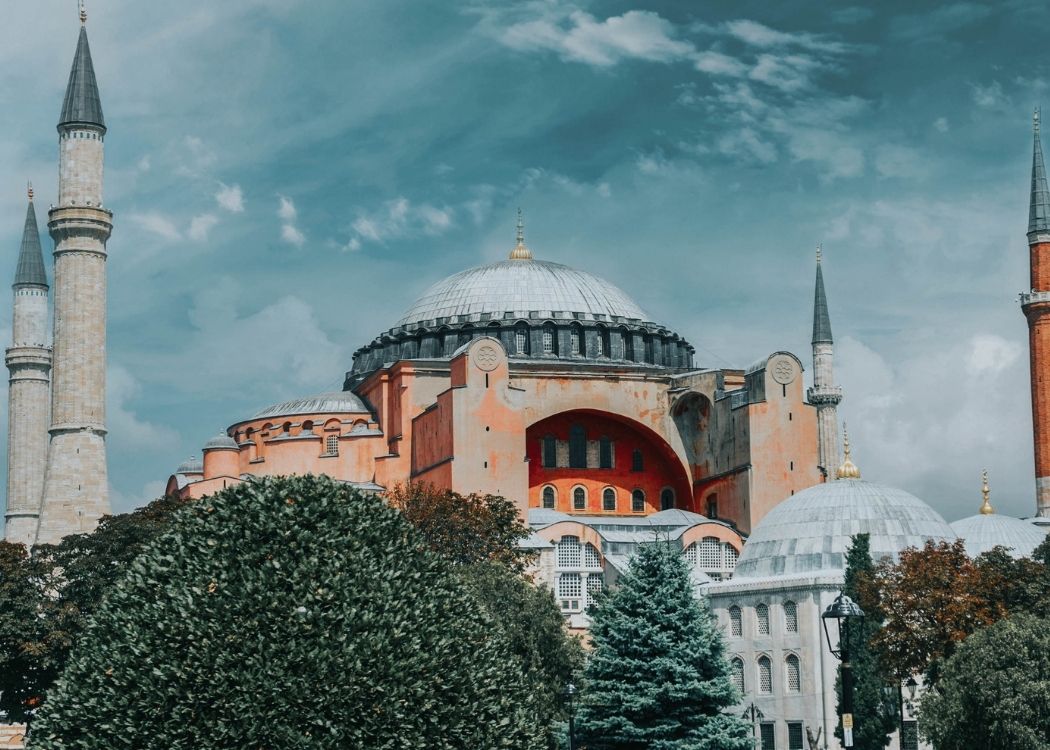
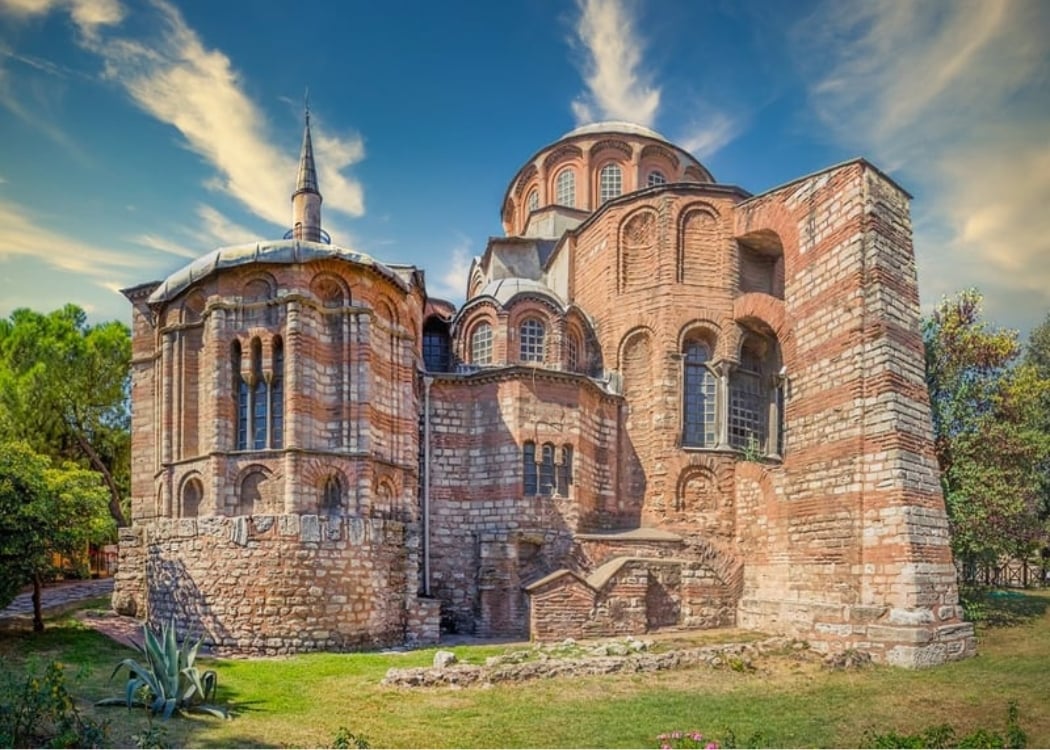
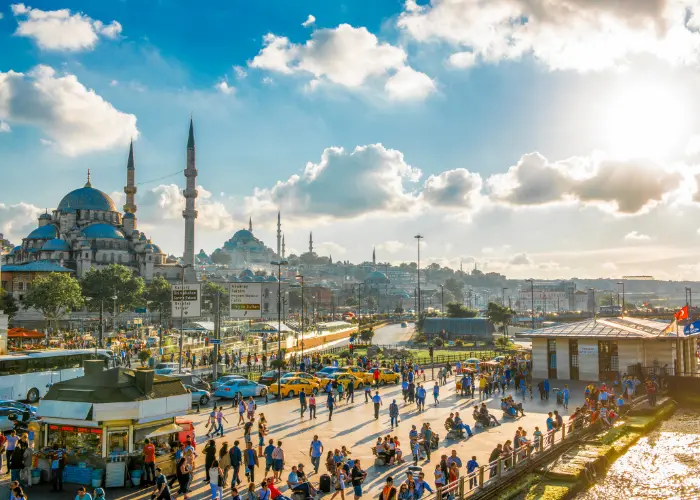
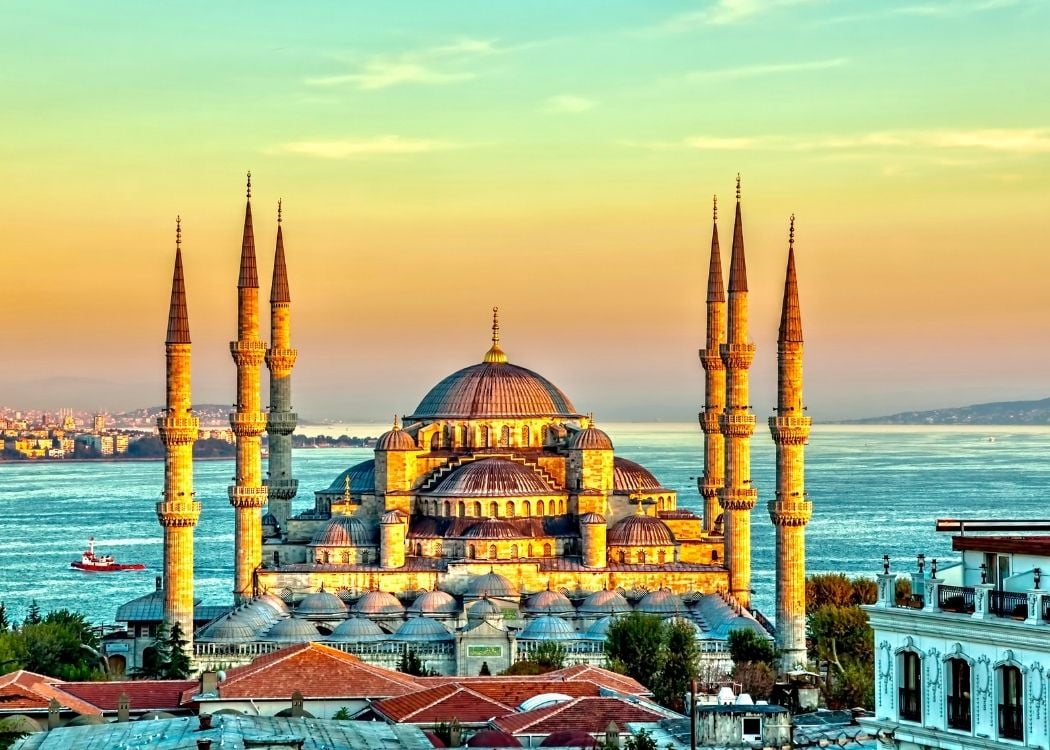
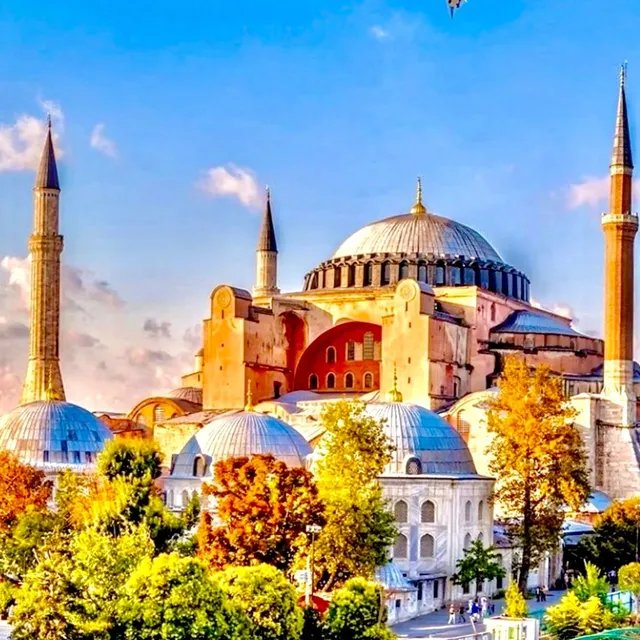
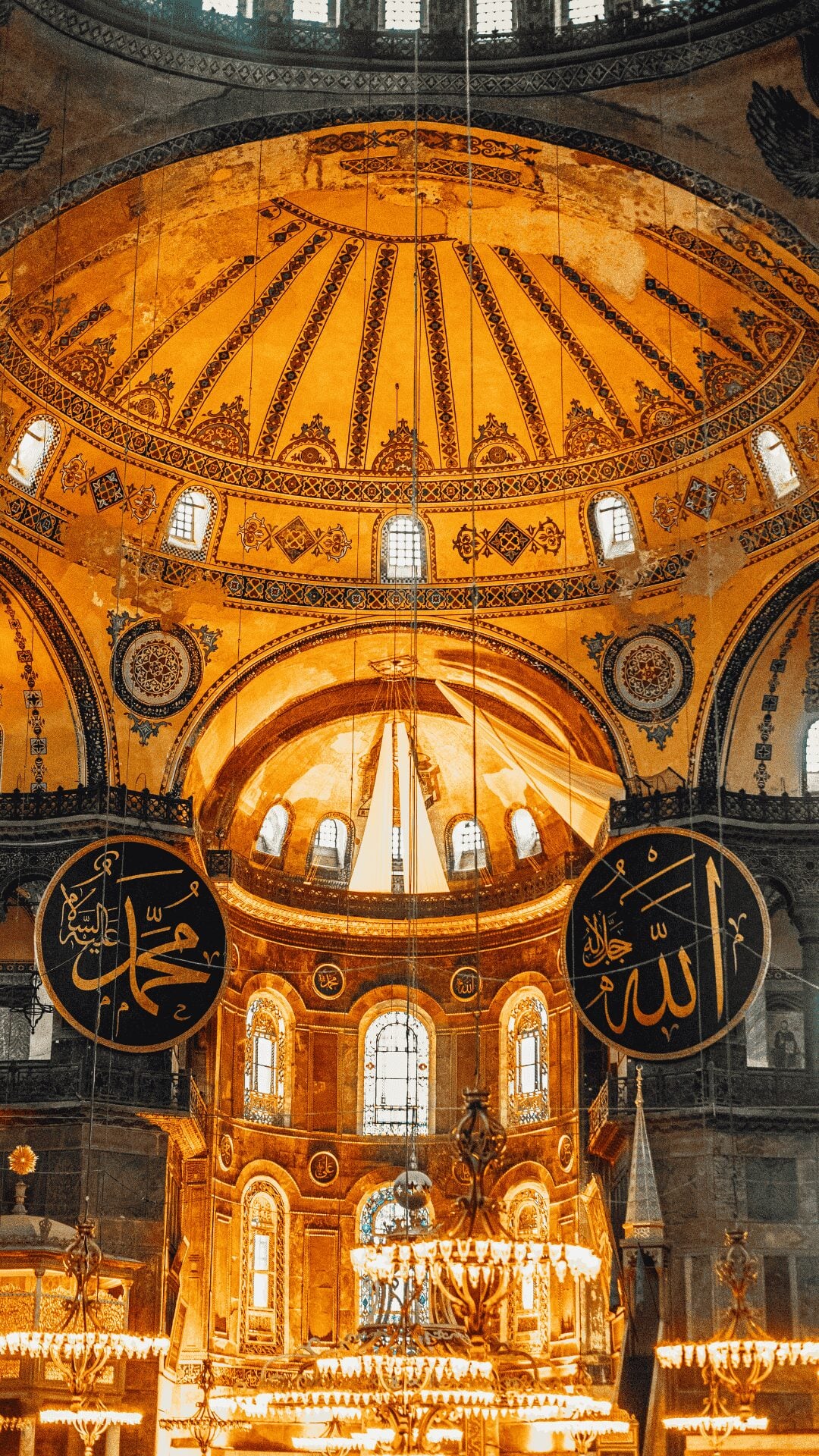
The closure stings less than it might. After all, the nearby streets hold the city's densest sights — for example, three of the city's greatest interiors within five minutes' walk. Want Byzantine art of the same imperial world? The mosaics of the Hagia Sophia galleries and the Kariye Mosque carry the story — Kariye, in fact, shows the art at its absolute peak. For the palace's vanished map, walk Sultanahmet Square. The Hippodrome was the palace's front yard, and the square reads as its ghost.
The Arasta Bazaar detour
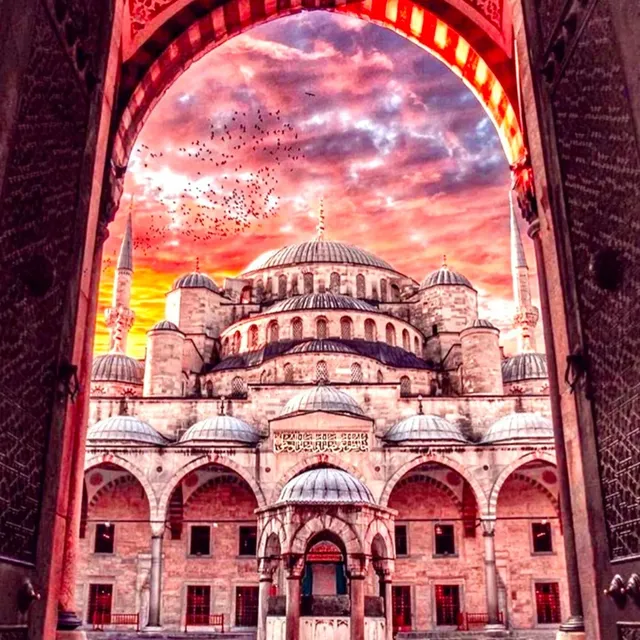
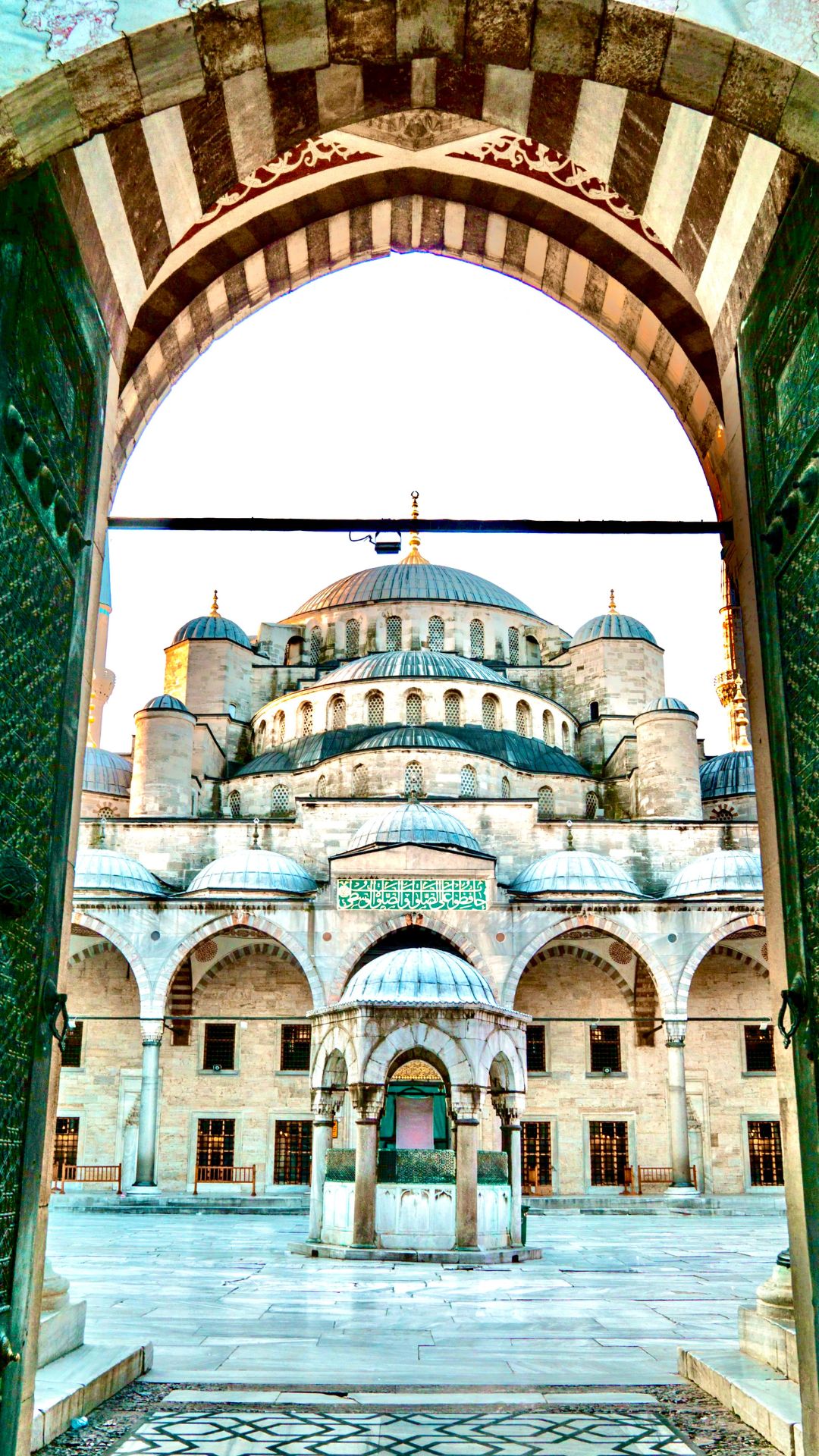
The museum's entrance lane — the Arasta Bazaar behind the Blue Mosque — stays open and is worth the stroll. It is, in fact, a calm, single-alley market on the palace's old ground, likewise built to serve the mosque above it. We found it the least hassled shopping street in the old city. Stand in the alley and you are, in addition, a few meters above the mosaic's level. The palace is directly underfoot.
When it reopens
Expect the museum to return as one of Sultanahmet's best half-hour visits. It is, in short, compact, uncrowded, and unlike anything else on the square. Our team measured pre-closure visits at thirty-five unhurried minutes. In our experience it was the old city's most underrated ticket. A restored version should only strengthen that claim.
Fact-checked against official sources · September 1, 2026 · TURSAB-licensed operator
Tours
Tickets & Alternatives While Closed
No tickets are sold for the mosaics museum during the restoration. The cards below cover the working alternatives next door. Hagia Sophia's galleries carry the mosaic story. Meanwhile, the guided Blue Mosque route walks the palace's old ground. The Museum Pass İstanbul will, similarly, cover this museum again once it reopens. Check current inclusions and prices on the cards.
FAQ
Frequently Asked Questions
No — it is closed for restoration, and the official museum authority (muze.gen.tr) has published no reopening date. Check the official portal before planning; ignore third-party sites listing regular hours.
About 180 square meters of the 6th-century floor of the Great Palace of Constantinople, preserved exactly where it was laid: some 150 figures across 90 secular scenes — hunts, animals, children, and mythical beasts — with not one religious image.
Behind the Blue Mosque, entered through the Arasta Bazaar in Sultanahmet — the floor lies beneath the bazaar's level, on the site of the palace's northeast peristyle courtyard.
They are dated to the sixth century, possibly Justinian's reign, though some scholars argue for the early seventh under Heraclius. Either dating places them among the finest surviving mosaic floors of late antiquity.
Teams led by the University of St Andrews, in campaigns of 1935–38 and 1951–54, digging beneath the Arasta Bazaar. The floor was kept in place and the museum built around it.
Hagia Sophia's gallery mosaics and the Kariye Mosque cover Byzantine mosaic art in the same city; Sultanahmet Square traces the palace's vanished geography; and the Arasta Bazaar — the museum's own entrance lane — remains open.
Still have questions?
Our Istanbul travel experts are happy to help.
Nearby