Historical Functions of Basilica Cistern
During the Byzantine period, Basilica Cistern was built for reserving rainwater and served as the main water reservoir of the city. It is known that Emperor Justinian I built the Underground Cistern around the middle of the 6th century. The structure takes its common English name from a basilica that once stood on the site, while its traditional Turkish name, Yerebatan Sarnıcı, refers directly to its original role as an underground water supply.
Basilica (Yerebatan) Cistern stored water for the Imperial Palace and nearby residences of Constantinople until the conquest of the city by Fatih Sultan Mehmet. After 1453, it continued in use for a short time, but later became unnecessary when the Ottomans developed their own running water system around Topkapi Palace and the wider city.
The cistern remained hidden for centuries. It was rediscovered in 1545 by Petrus Gyllius, described here as a Dutch traveler, during his walks through the city. At the time, houses stood above the cistern, and fishmongers were reportedly selling fish caught from its waters. This mysterious underground space had to wait until 1987, when Istanbul Municipality completed a major cleaning project and opened it to visitors as the so-called Yerebatan Museum.
Surprising Details About Basilica Cistern
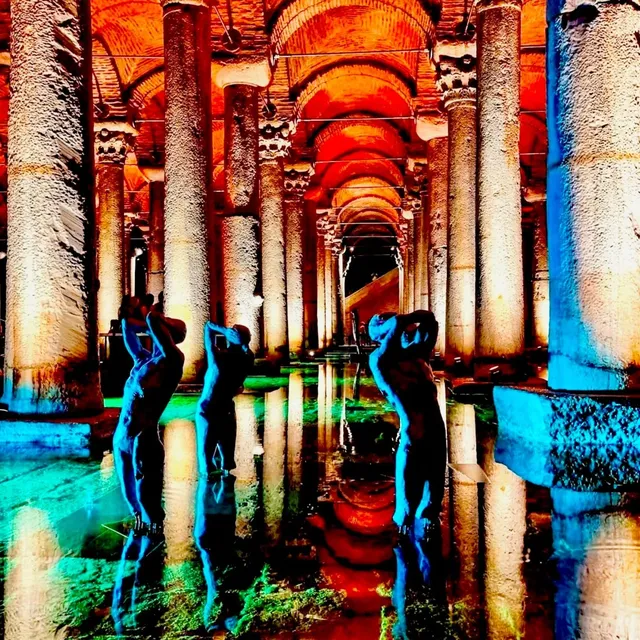
Basilica (Yerebatan) Cistern has a vast rectangular plan, measuring 143 meters by 65 meters, and a water storage capacity of 80.000 m3. One of its most striking features is the forest of columns supporting the ceiling. There are 336 huge columns in Ionian or Corinthian style, arranged in 12 rows of 28 columns each.
Because of this scale and the many architectural details, it can take almost an hour to visit Basilica Cistern in a guided tour if you want to explore it properly. The play of light on the water, the repeated rhythm of the columns, and the underground silence give the space an almost palace-like feeling.
Its mysterious atmosphere has also made it a memorable film location. Underground Cistern appeared in thrillers such as From Russia with Love from the James Bond series in 1963 and Inferno, starring Tom Hanks, in 2016.
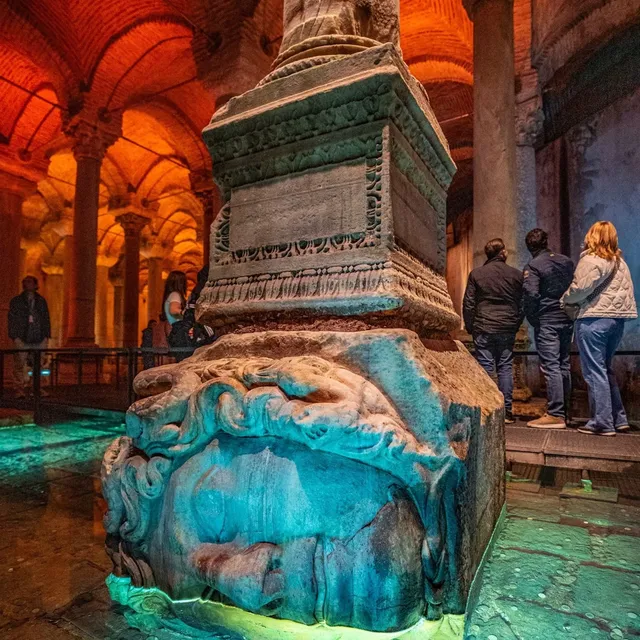
Another famous detail is the pair of Medusa head carvings at one far corner of the building. These two massive stone heads are placed differently: one lies on its side and the other upside down. According to the legend, Basilica Cistern Medusa Head was positioned this way to weaken its power, since Medusa was believed to turn anyone to stone if they looked directly into her eyes.
Basilica Cistern Visit Tips and Museum Information
Today, the cistern welcomes tourist groups, independent travelers, and even concert organizations. According to the original information provided here, Basilica Cistern's opening and closing times are between 9 a.m. and 7 p.m. in high season, while it closes half an hour earlier in winter. As schedules can change, it is wise to confirm current opening hours before your visit.
There is an entrance fee that varies for local and foreign visitors, so it is best to check the latest price on the official or ticketing site before you go. The original guidance also notes that payment is made in cash on the spot, though visitors may prefer to secure current visitor information for Yerebatan Sarnıcı or buy tickets in advance from a reliable seller if available.
If you want to save time, buying Basilica Cistern tickets ahead of your visit may help you avoid waiting in line. Since the monument stands in the middle of Sultanahmet, it is easy to combine with nearby landmarks and create a compact walking route through Istanbul’s historic center.
Visitors planning a broader cultural itinerary sometimes look into museum passes that include major attractions in the area. Since pass conditions can change, always check the latest inclusions and terms on the relevant provider’s website before purchasing.
Why Visit Basilica Cistern in Sultanahmet?
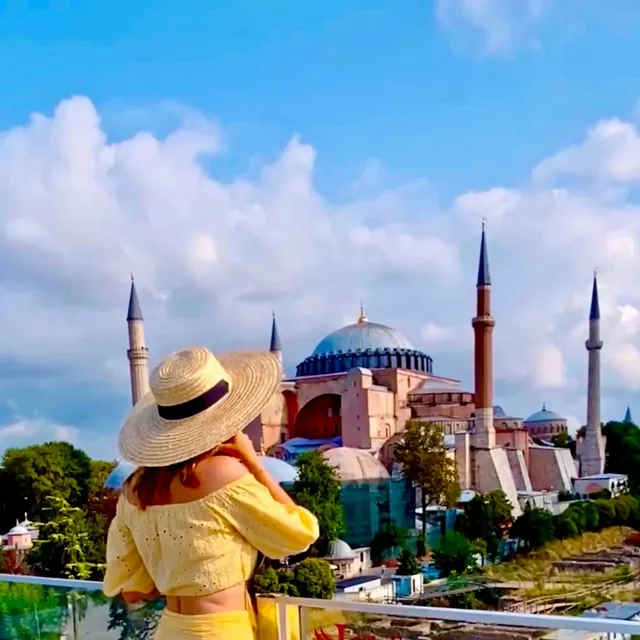
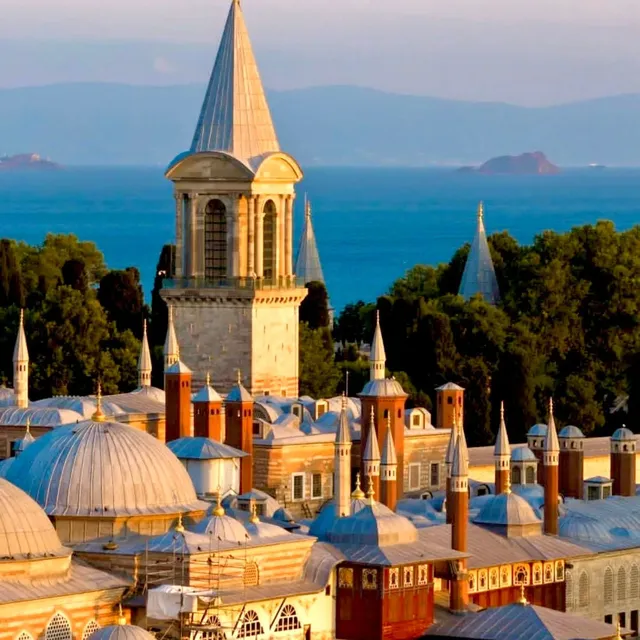
The appeal of Basilica Cistern goes beyond its engineering. It combines Byzantine history, unusual architecture, dim reflections, and legendary details in one place. Few monuments in Istanbul feel this dramatic while still being so central and easy to pair with nearby sights. If your route includes Sultanahmet Square, Hagia Sophia, or Topkapi Palace, this underground landmark fits naturally into the same day.
For historical background on the monument and its long cultural legacy, you can also consult Basilica Cistern on Wikipedia.