
Turkish Traditional Flavors in Istanbul
Turkish traditional flavors are one of the best ways to understand Istanbul. In this city, food and drink are not only about eating well; they are part of daily life, hospitality, conversation, and memory. From a foamy cup of Turkish coffee to a street-side simit, from Bosphorus fish to baklava, Istanbul brings together centuries of culinary habits that still shape the city today.
As you explore neighborhoods around the Grand Bazaar, the Spice Bazaar, or the Bosphorus shoreline, you will come across many of these tastes in their natural setting. What follows is a practical introduction to some of the most familiar and distinctive traditional flavors you can experience in Istanbul.
How About a Bubbly Turkish Coffee?
The coffee plant was brought to the Arabic Peninsula by merchants coming from Ethiopia in the 10th century. Its first use that is similar to the current one is seen around the city of Mocha in Yemen in the form of drinking coffee juice. Those who used coffee in roasted form first have been the Turks. Traditions reigning for hundreds of years are effective in the whole process, from cooking to service, for Turkish coffee produced by milling Arabica-type high-quality coffee beans.
This special hot drink is brewed in special pots called cezve. The tastiest Turkish coffee is brewed gradually in a copper coffeepot over low flame. It is served in small cups, usually accompanied by a glass of water. For many Turkish people, nothing can take the place of abundantly bubbled Turkish coffee.
As the old saying goes, “A cup of coffee has a memory of forty years.” Turkish coffee was also inscribed on UNESCO’s Intangible Cultural Heritage list; you can read more on UNESCO.
A Peculiar and Unique Taste: Turkish Delight
Among the leading foods known around the world as a traditional Turkish flavor comes Turkish delight. It is also one of the classic sweets offered to guests. Starch and a sugar solution form the basis of this traditional confection, which becomes even more attractive with additions such as almond, pistachio, hazelnut, cream, and rose.
The history of Turkish delight dates back to the 14th and 15th centuries. It was initially made with grape molasses and honey, and later with refined sugar in the middle of the 18th century.
Well-Steeped Tea in Thin Elegant Glasses
Turkey is one of the biggest tea producers in the world. Tea comes second after water among the beverages most consumed throughout the country. Turkish people commonly have breakfast accompanied by tea, and over the years tea culture in Turkey has acquired a character of its own.
Tea is brewed in a two-piece appliance called a çaydanlık. The key point of making tea in Turkish style lies in the steeping process. After the water in the lower section boils, it is added over the tea placed in the upper teapot. Then the flame is reduced and the tea is left to steep. Once well brewed over low heat, it is served in thin elegant glasses.
Like Turkish coffee, Turkish tea has a strong taste and a strong place in social life.
The Fish in the Bosphorus Is Distinctive
Fish culture in Turkey, a peninsula enclosed by sea on three sides, is quite sophisticated. This culture reaches a special point in Istanbul, a city through which a sea passes. The part of the city that gets the greatest share of this pleasure is undoubtedly the Bosphorus line.
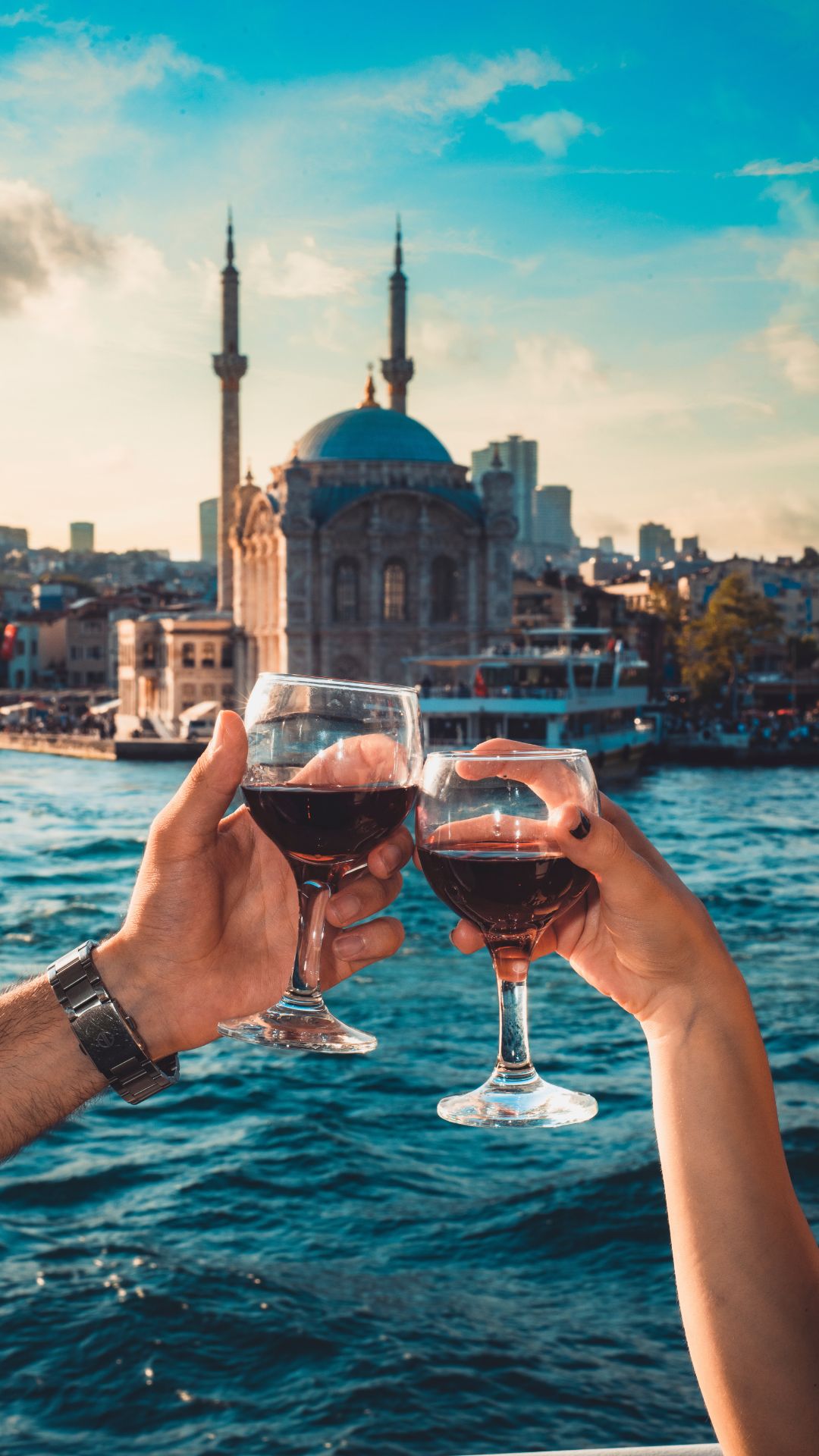
Along this route, it is possible to enjoy many tastes built around fish. Traditional Turkish appetizers prepared from flavors of the sea can make a fine beginning to the meal, and rakı often accompanies it. If you want to connect the meal with the scenery, a Bosphorus Cruise offers another way to experience this atmosphere.
The Most Special Turkish Dessert: Baklava
Here is the traditional Turkish dessert: baklava. An indispensable sweet of Turkish cuisine, baklava is also the traditional dessert of national festivals.
It is a pastry of phyllo dough and nuts. Phyllo is a simple flour-and-water dough stretched to paper thinness and cut into sheets on trays. Dry fruits such as walnut and pistachio are sprinkled between the sheets. After the trays are baked, a hot syrup made of sugar and water is poured over them and then left to cool.
Enjoy the Traditional Delight: Hookah (Nargile)
It is not definite which community used hookah first. However, its place in Turkish culture is known to date back to the 17th century during the Ottoman Empire. Smoked over a period of 2 to 2.5 hours on average daily, hookah was used as a tool for chitchat. Admired by women as well as men, it had the social function of bringing people together. Today, as a traditional delight, it survives in hookah cafés.
The hookah is composed of four sections: the mouthpiece, fold (upper section), frame (the lower section filled with water), and flexible tube. A special oak wood is used to fire the hookah, giving it a pleasant aroma.
The Guest of Honor of the Çilingir Sofrası: Rakı
Today, the whole world accepts the fact that rakı was first produced within the boundaries of the Ottoman State. One reason it is called “lion’s milk” is that it was served in lion-engraved cups in old Ottoman pubs, and another is its milk-like color. It is thought that the word rakı comes from the Razaki grape used in arrack, or according to another view from arak, derived from roots of the date fruit in the Eastern Mediterranean.
The inclusion of arrack in daily life dates back to the second half of the 1800s. While depicted as a sign of masculinity in the past, rakı is also admired by women today. It can be drunk straight or with water, and is usually enjoyed at a çilingir sofrası, a table set with rich meat dishes, hors d'oeuvres, and fruit.
Let Sherbet Sweeten Your Taste
Sherbet is one of the traditional beverages of the Ottoman period. It is usually prepared by boiling fruits such as cherry, orange, apricot, and plum, then adding sugar or honey. There are also varieties prepared with violet, bergamot, rose, and lemon.
It can accompany meals or be offered to guests. In Ottoman tradition, it was offered to guests in the palace. Offering sherbet to people visiting a mother and her newborn baby is still a common custom.
A Tasty Stand-Up Snack: Simit
Simit is a ring-shaped savory roll baked in the oven and covered with sesame seeds. It is the traditional and most common representative of stand-up snacks in Istanbul.
Sold from barrows equipped with display windows on many busy streets of the city, simit has also become a menu item in special simit shops. It is offered in varieties with olives, sausage, and kashar cheese.
Thanks to its affordable price and familiar taste, it is widely consumed. Around historic areas such as Sultanahmet Square, it remains one of the easiest local bites to find.
Traditional Fast Food: Lahmacun
Lahmacun comes from the Southeastern cuisine. It is a kind of thin round dough topped with spicy meat filling and onion and baked in the oven. In addition to spicy and non-spicy versions, vegetarian lahmacun has also appeared in recent years. Peymacun, prepared with cheese, is another variety.
It is eaten rolled and most commonly accompanied by ayran.
A Sui Generis Flavor: Badem Ezmesi (Almond Paste)
Badem ezmesi is a sweet prepared with almond, cultivated for 3500 years in Iran and China. It is a traditional sweet with roots in the Ottoman palaces of Edirne, once the capital city of the Ottoman State. It is prepared with almond kernel, sugar, and egg white to achieve a formable consistency.
The soft almond paste is used as a filling in pastries and candies. Almond kernels are scalded, peeled, dried, and pounded into powder. Sherbet is poured over the pounded almond and the mixture is blended thoroughly. Sometimes fragrant ingredients are added during kneading, or grated coconut is sprinkled on top.
If you happen to go to Bebek, do not neglect to stop by the renowned Bebek Badem Ezmecisi.
You Will Be Addicted to This Flavor: Kebab
Kebab is of Eastern Mediterranean and Southeastern Anatolia origin. It is a traditional meat dish cooked over a coal flame. The most widespread examples are Adana and Urfa kebab made with minced meat. Shish kebab, grilled on a skewer, also has varieties such as red meat shish and chicken shish.
It is served on a plate with various garnishes and can also be eaten in rolled bread. In Istanbul, kebab is best enjoyed in special meat restaurants called ocakbaşı (“fireside”), where guests sit around a large coal fire and watch the cooking process.
There Is No Way of Neglecting Döner
Döner is a type of kebab derived from the method of roasting lamb on a spit over fire, traditionally done on special days, feasts, and other ceremonies. Starting in the second half of the 19th century, döner kebab was first prepared with red meat, and later sausage and chicken döner types became widespread.
Döner is served on a plate or in rolled bread. The variety prepared with butter and tomato paste sauce and generally served with yoghurt is known as İskender Kebap. Döner remains one of the most commonly consumed foods.
Meyhane and Pubs
“I wandered around all the pubs of Istanbul tonight”*
Pubs are places where people eat, drink, talk deeply, and share heart-to-heart conversations. This experience, enjoyed with special appetizers and rakı, is irreplaceable.
*Münir Nurettin Selçuk
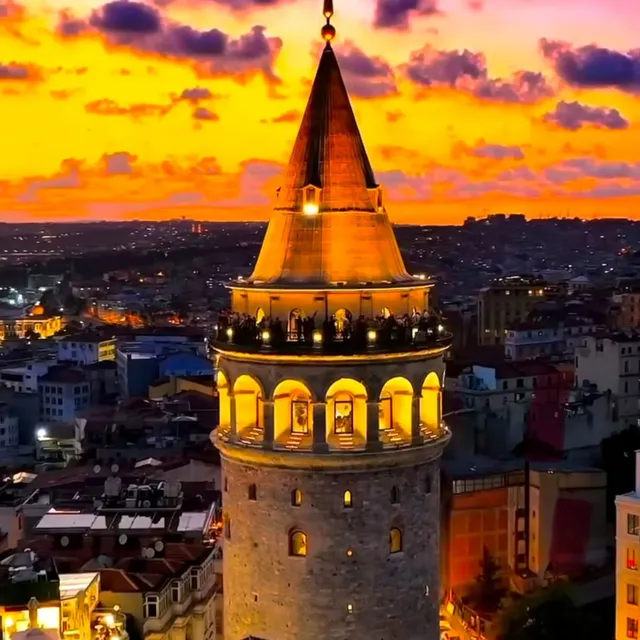
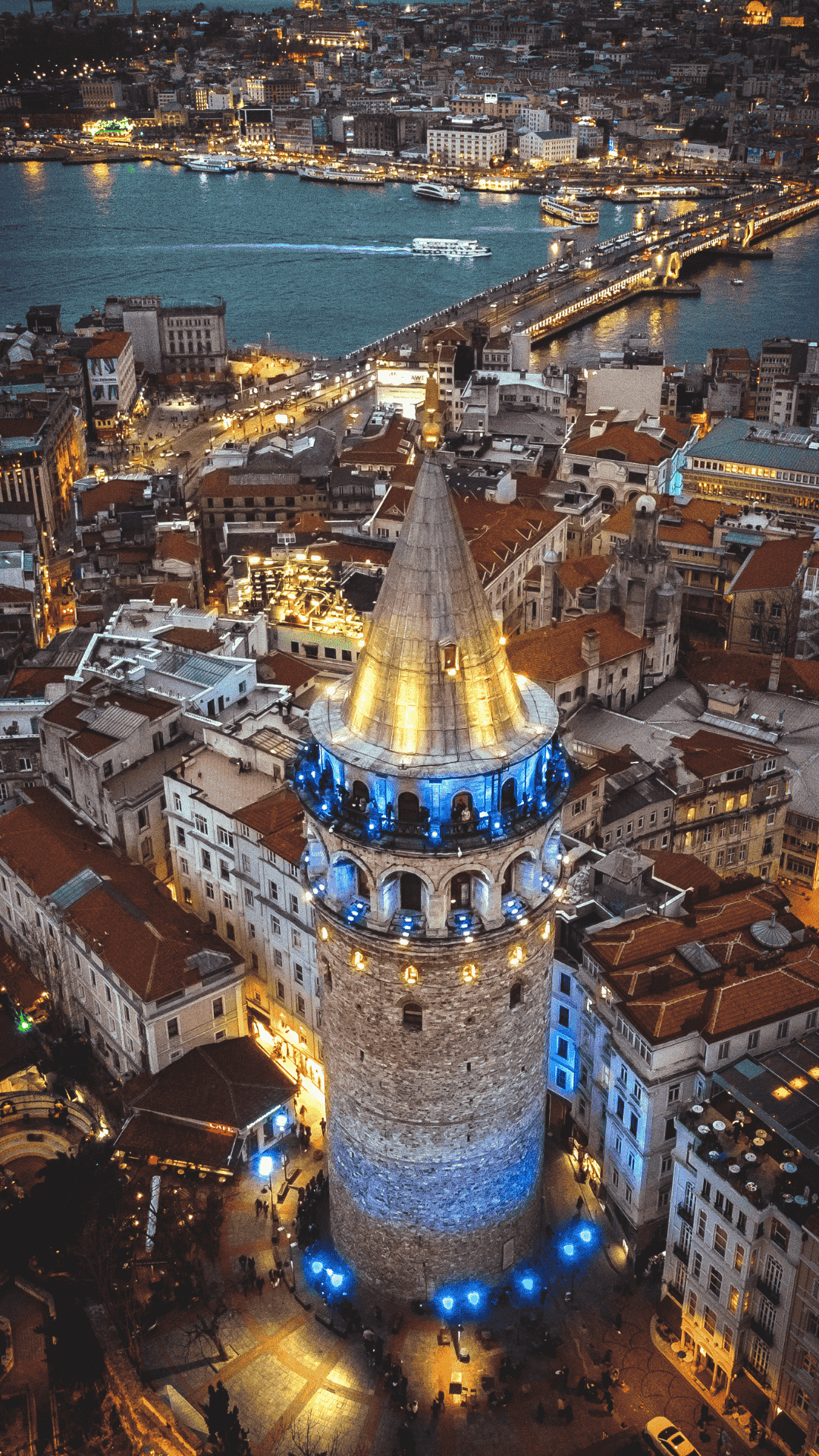
The introduction of Turks to pub culture dates back to the 15th century. At that time, pub culture was especially common in districts such as Galata, Tahtakale, Kadıköy, Ortaköy, Tarabya, Kumkapı, Balık pazarı, Yeniköy, and Çengelköy, where non-Muslim communities lived in greater numbers. In the area around Galata Tower, there are around 200 pubs. This district was being commemorated with the pubs there.
During the Ottoman period, there were three kinds of pubs: regular, established, and mobile pubs. Today, especially around Balık Pazarı in Beyoğlu, as well as in Kumkapı, Adalar, and the Bosphorus area, many meyhanes and pubs keep this culture alive. For general background on Turkish cuisine and food culture, see GoTürkiye.
FAQ About Turkish Traditional Flavors in Istanbul
Where should I start if I want to try Turkish traditional flavors in Istanbul?
A good start is with Turkish coffee, simit, baklava, döner, and tea. These are easy to find across the city and give a clear introduction to everyday tastes as well as classic sweets and drinks.
What is the difference between Turkish coffee and Turkish tea in local culture?
Turkish coffee is often linked with ritual, conversation, and hospitality, while tea is part of daily life from breakfast onward. Both are social drinks, but tea is generally consumed more frequently throughout the day.
Is rakı always served with food?
Rakı is commonly enjoyed at a table with appetizers, meat dishes, or seafood rather than consumed on its own. This style of dining is part of the well-known çilingir sofrası and meyhane culture.
What are the best street foods among traditional Turkish flavors?
Simit and lahmacun are among the best-known traditional street or quick foods in Istanbul. Döner is also widely available and can be eaten as a fast meal in bread or served on a plate.
Can I find these flavors in historic parts of Istanbul?
Yes. Many of these foods and drinks can be found in historic and central areas of the city, especially around busy squares, bazaars, Bosphorus districts, and older neighborhoods known for dining and social life.