
Topkapi Palace and Its Unique Architecture
Among the best places to visit in Istanbul, Topkapi Palace Museum stands out for its remarkable history. Built by Sultan Mehmed the Conqueror after the conquest of Istanbul, the palace hosted dozens of Ottoman sultans and many powerful figures in history. Construction began in 1460 and was completed in 1478 on a land area of 700,000 square meters.
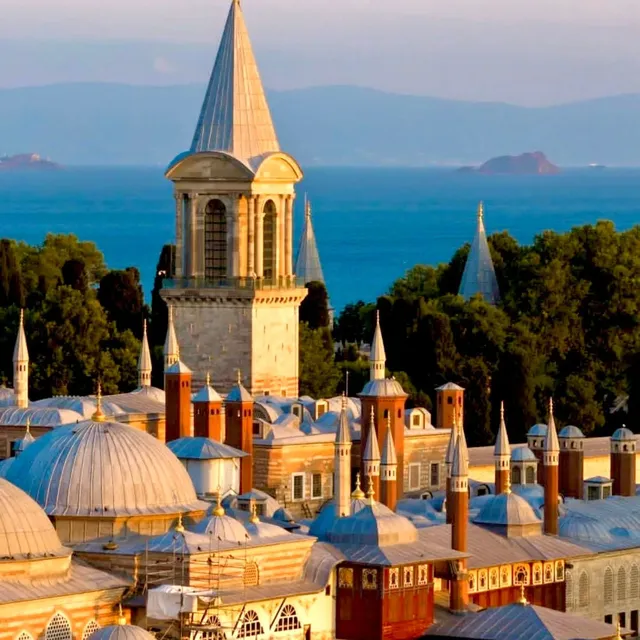
The palace is located in Sarayburnu, at the tip of the historic Istanbul peninsula, between the Bosphorus and the Golden Horn. With its commanding position, Topkapi Palace can be seen from many parts of the city and has never lost its importance thanks to its unique setting and structure.
For 400 years of the Ottoman Empire, especially during the eras of Fatih Sultan Mehmet and Sultan Abdülmecid, Topkapi Palace maintained its central importance. It functioned not only as a residence, but also as a center of education, administration, and art. After the proclamation of the Republic of Turkey, it was opened to the public as a museum and became the first museum of the Republic of Turkey.
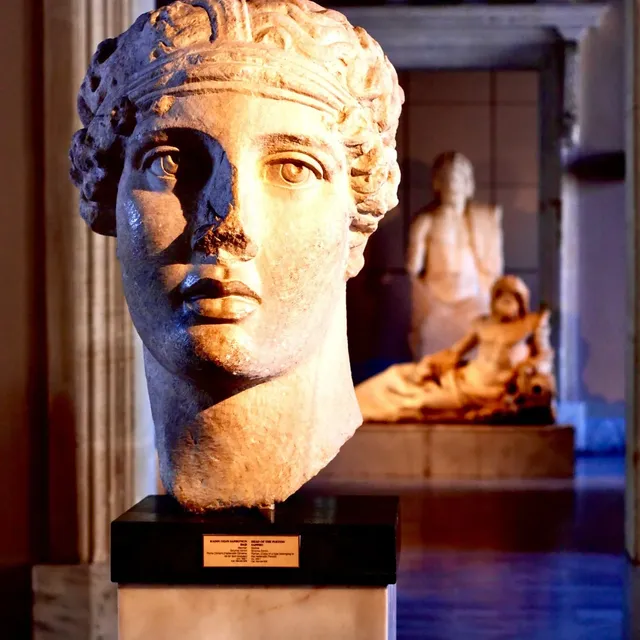
Today, the Topkapi Palace Museum has an interior space of 400,000 square meters. With its collections, architectural structures, and approximately 300,000 archive documents, it is considered one of the largest palace museums in the world. The palace continues to attract both local and international visitors throughout the year.
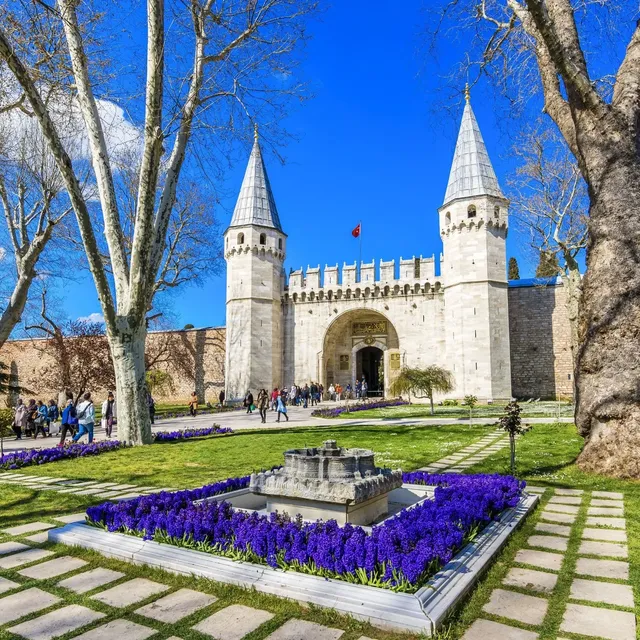
Surrounded by gardens and squares, the palace consists of four interlocking courtyards. Each courtyard had a different function and was used by different groups within palace life. The spaces used by statesmen were separate from those used by the sultan’s concubines, and the sultan’s family members occupied yet another part of the complex. This layered layout helps visitors understand the scale and organization of the Ottoman court.
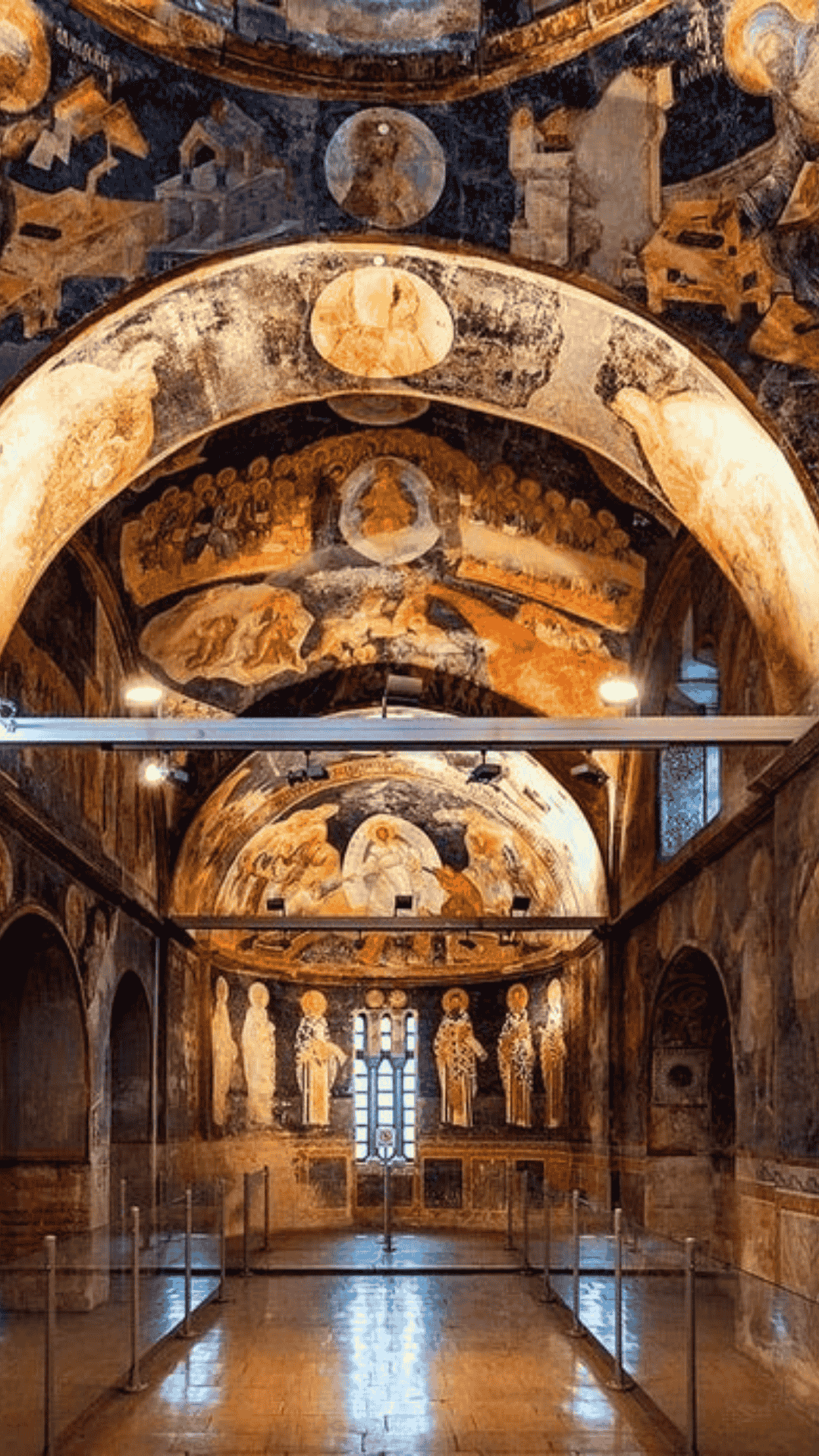
Topkapi Palace combines an aesthetic appearance with Ottoman architectural character and later Baroque influences. Alongside its grandeur, the palace also includes more intimate corners favored by the sultan and his family. Fine details decorate otherwise plain walls, and the palace’s many rooms and sections reveal different aspects of palace life.
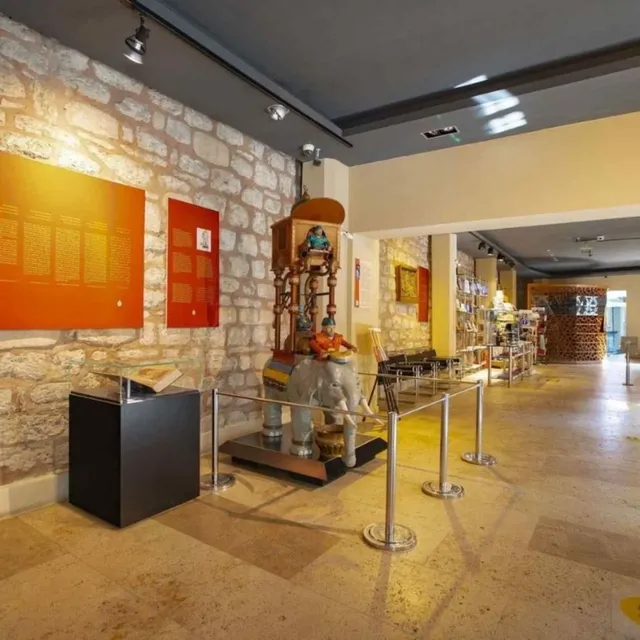
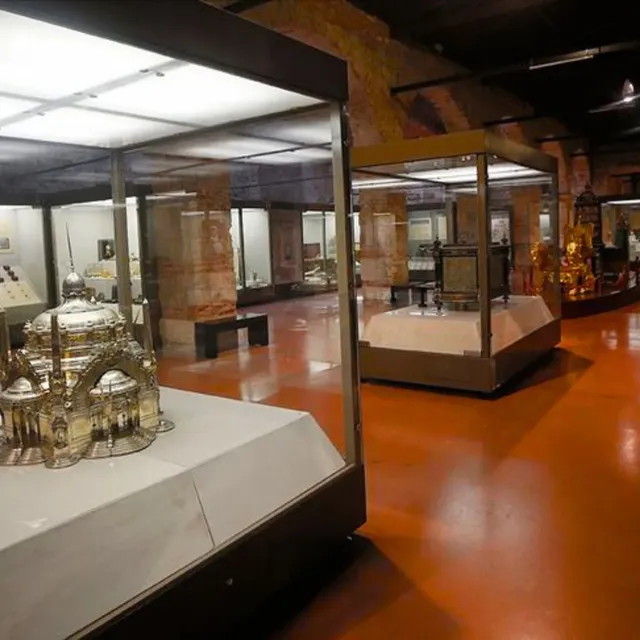
The precious jewels in the palace, clothes belonging to the sultan and his family, items of religious importance, and historical furniture draw particular attention. As one of the busiest museums in Istanbul, the palace receives thousands of visitors throughout the year and remains popular in every season. If you are planning a day around the historic center, you can also pair your visit with nearby landmarks such as Hagia Sophia and the Basilica Cistern.
Catchy Features About Topkapi Palace
- Topkapi Palace hosted 400 years of the 600-year Ottoman period and was included in the UNESCO World Heritage framework in 1985 as part of Istanbul’s historic areas. You can read more on UNESCO.
- After a major fire in 1574, the kitchen, harem, and supply room of the palace were restored by Mimar Sinan on the order of Selim II.
- Topkapi Palace combines European Baroque architecture with traditional Ottoman architecture, and today only some parts of the palace are open to visitors.
- The palace attracts visitors from all over the world as well as strong interest from local tourists.
- It served as the home of not only the sultan and his family, but also important statesmen and clergy, while also housing thousands of servants.
- Topkapi Palace became famous for its entertainment and feasts. Food for thousands of people was prepared during the day, and the palace also hosted regular events.
What to Expect During a Visit
A visit to Topkapi Palace is not only about seeing a former royal residence. It is also a chance to understand how the Ottoman court was organized through courtyards, service areas, ceremonial spaces, and private quarters. Because the complex is large and richly layered, many visitors combine it with nearby stops in Sultanahmet Square to make the most of the day.
Before you go, it is always a good idea to check current visitor information and museum details from official or trusted sources. For general background, you can also review the overview on Wikipedia.