
History of Istanbul Anatolian Fortress Museum
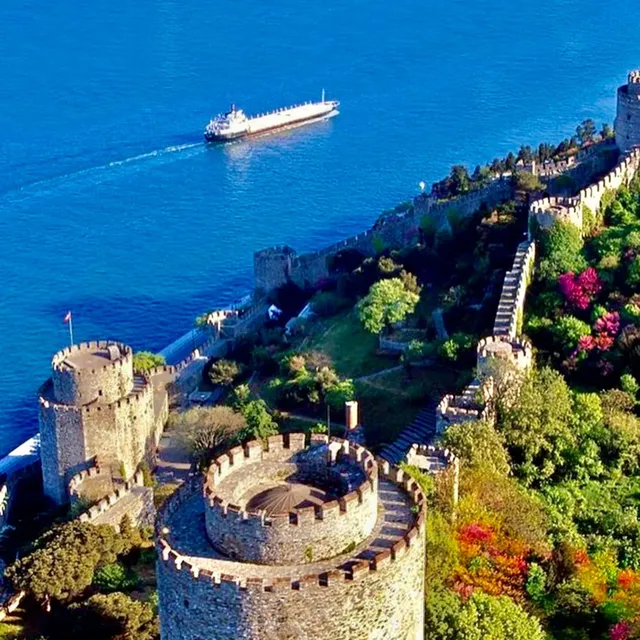
Sultan Yıldırım Bayezid commissioned Anadolu Hisarı in 1394. His aim was to support the Ottoman effort to conquer Istanbul by obstructing aid reaching the Byzantine Empire through the Black Sea.
The fortress was renovated in 1452 by Sultan Mehmed the Conqueror during the construction of Rumeli Fortress on the opposite shore. Together, these two strongholds created a strategic choke point on the Bosphorus during the final and successful blockade of the city.
For a broader historical overview of the site, you can also consult Wikipedia’s Anadolu Hisarı entry.
Why Anadolu Hisarı Matters
Anadolu Hisarı is among the oldest surviving Ottoman military structures in Istanbul. Although modest compared with larger imperial monuments such as Topkapi Palace, its position tells an essential part of the story of how the Ottomans controlled the Bosphorus and prepared for the conquest of the city.
The hisar was also used for some time as a prison. Later, it played an important role in stopping the Kazakhs attacking the Bosphorus in the 17th and 18th centuries. In the following years, it lost its military importance, yet it remains one of the most beautiful places in Istanbul.
Location and Setting on the Bosphorus
One of the best things about visiting Anadolu Hisarı is its setting. The fortress rises in a scenic waterfront area where the Bosphorus and the Göksu River meet, giving the neighborhood a calm and historic atmosphere. Even if you are primarily interested in architecture or military history, the surrounding views make the stop especially rewarding.
This part of the city pairs well with a Bosphorus Cruise, since the fortress is best appreciated as part of the wider geography of the strait. Seeing both Anadolu Hisarı and Rumeli Fortress helps visitors understand how strategic the narrowest parts of the Bosphorus were.
What to Expect When Visiting
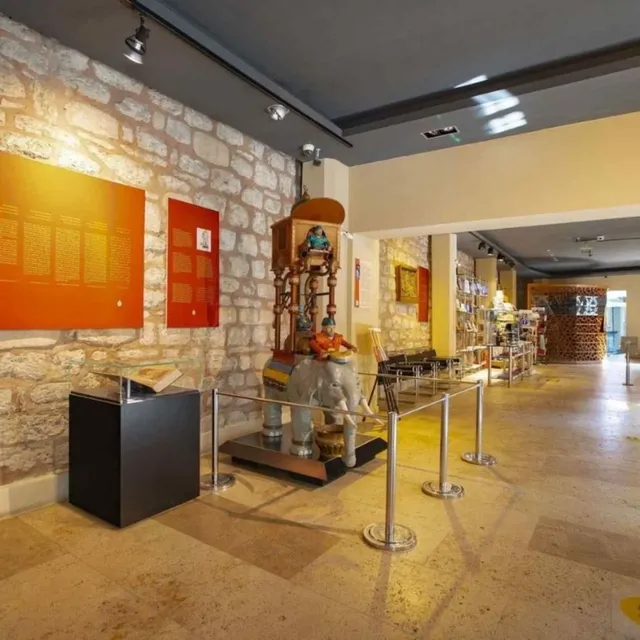
Visitors usually come to Anadolu Hisarı for its historical significance, waterside setting, and photo opportunities rather than for a large museum-style experience. The fortress is a compact monument, so it works best as part of a half-day Bosphorus itinerary.
If you are planning a visit, it is wise to check the official museum resources or current local listings for the latest access information. Policies can change over time for heritage sites in Istanbul.
Phone: +90 212 263 53 05
Nearby Places to Combine With Your Visit
A trip to Anadolu Hisarı can easily be combined with other Bosphorus landmarks on either side of the strait. The most obvious companion site is Rumeli Fortress, which stands directly opposite and completes the historical picture of Ottoman control over the waterway.
If you want to expand your day further, you can continue toward waterfront neighborhoods and other scenic stops on the Bosphorus. Travelers who enjoy Istanbul’s layered history may also want to balance this military landmark with major Byzantine and Ottoman monuments such as Hagia Sophia on another day.
Tips for Visiting Istanbul Anatolian Fortress Museum
- Go with time to enjoy the Bosphorus scenery, not just the fortress itself.
- Pair the visit with Rumeli Fortress to better understand the strategic history of the strait.
- Wear comfortable shoes if you plan to explore the surrounding neighborhood on foot.
- Check current visitor information before you go, especially if you are planning a museum-focused itinerary.
Why Add It to Your Istanbul Itinerary?
Anadolu Hisarı may not be as famous as Istanbul’s grand imperial monuments, but it offers something distinctive: a direct connection between geography, military strategy, and the making of Ottoman Istanbul. Its historic towers, waterside position, and quieter atmosphere make it a memorable stop for travelers who want to see another side of the city.
If you are building your to-do list for Istanbul, this fortress deserves a place on it—especially if you enjoy Bosphorus views, lesser-known historical sites, and meaningful context for the conquest of the city.