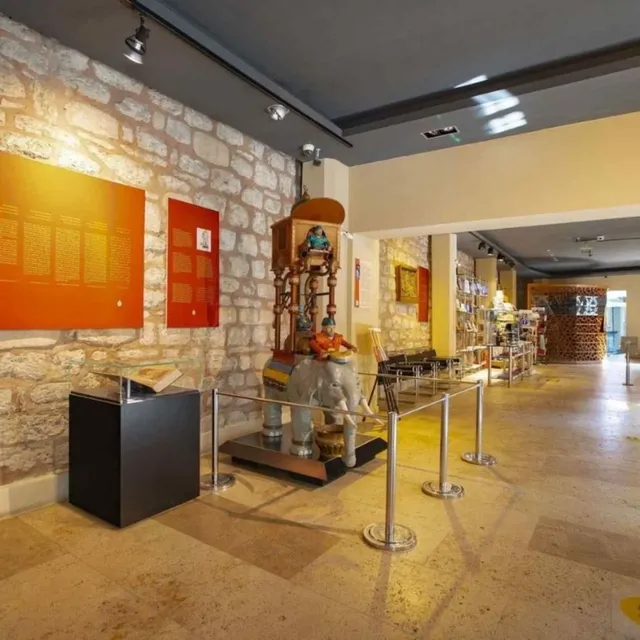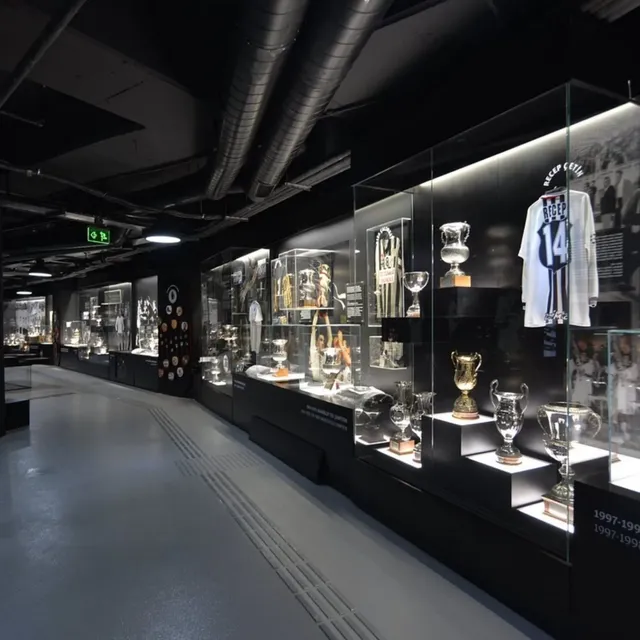
The building was converted to a museum in 2002, exhibiting what remained from its banking period. Then in 2009 it was closed down and restored. Since 2011, the building has been the home of SALT Galata Istanbul. The building itself is worth seeing because it represents 19th-century architecture, but it is also a great place to spend time with its café and library. If you are into art, this museum is art itself. It feels different from many other museums you will see in Istanbul.
Salt Galata Library is presented as one of the most modern libraries in Istanbul. Right at the entrance there is a café/restaurant where you can eat and drink, and it has an amazing view.

One of the best parts of the museum is that it is free. Salt Galata opening hours are given as Tuesdays to Saturdays from 12.00 to 20.00 and Sundays from 12.00 to 18.00. On the last Thursdays of the month, the museum is open until 22.00. As hours can change, it is still wise to check the official site before visiting. If you are wondering how to get there, there are several convenient options: bus, train, metro, or ferry. The M2 metro line, Marmaray train, Heybeliada-Karakoy-Eminonu ferry line, and bus 28T all take you to a spot near Salt Galata. You can also check Istanbul public transport updates on metro.istanbul.
What’s Inside Salt Galata Museum
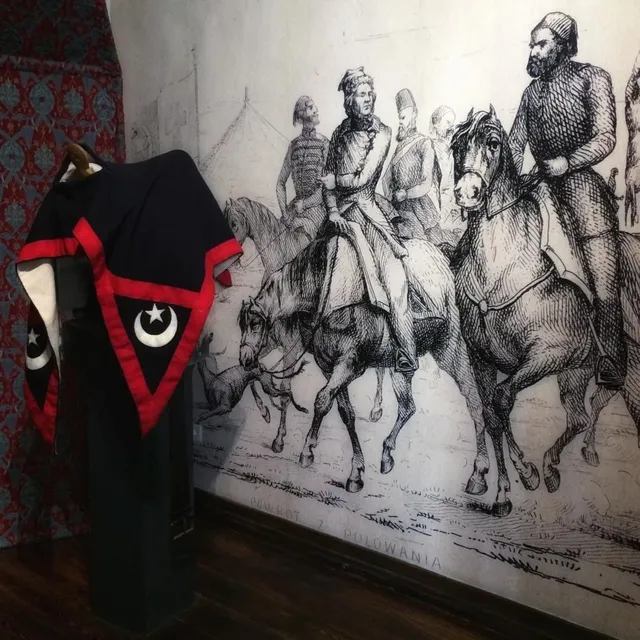
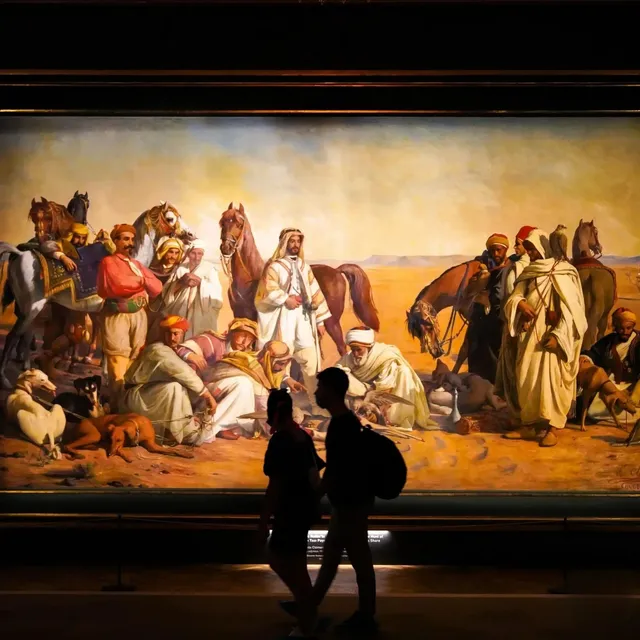
Even though the building itself is a work of art, there are also many exhibitions taking place in Salt Galata. It is best to follow the calendar from the website and plan your visit accordingly. At one point, for instance, there was an exhibition called Our Happiness Pictures by an artist described as one of the representatives of photorealism in Turkey. The exhibition brought criticism to widespread popular culture and its reflections on Turkey. There was also a conference with a famous architect on architecture publishing. Programs change, but this gives a sense of the venue’s cultural range.
The Ottoman Bank museum remains part of the experience, so if that subject interests you, it is worth seeing as well. For visitors who enjoy the overlap of architecture, urban memory, and institutional history, this is one of the most rewarding corners of the building.
SALT Research contains a library with physical and digital documents and sources. These include archive materials covering Turkey, the Mediterranean Basin, and the South-East Basin from the end of the 19th century to today. Sources on art history, architecture, and design from the late Ottoman Empire to the early years of the Republic of Turkey are also present. For history lovers, especially art history enthusiasts, it offers a very good combination.
Eating and Spending Time at Salt Galata
There are two restaurants inside. One is the Salt Galata Restaurant or café, and the other is called Neolokal. Salt Galata Café is where you can receive service at any time of the day and enjoy a peaceful atmosphere. Neolokal is described as a place to taste examples of Turkish and Aegean cuisine and was stated to be open from 18.00 to 02.00; as with all venue details, check the official site before going.
If you do not want to eat at SALT Galata but still want to taste local cuisine, you can simply walk around Karakoy and choose from what feels like an infinite number of options. The area is one of the easiest neighborhoods in Istanbul for combining culture, coffee, and food in a single afternoon.
Discover Beyond Salt Galata Museum
After exploring SALT Galata, you will realize there are still many things to do in Karakoy and the wider Beyoglu district. You can begin with Bankalar Caddesi, the street where the building stands. As the name and history suggest, the structure once belonged to a major bank, and the street itself carries that financial and architectural legacy.
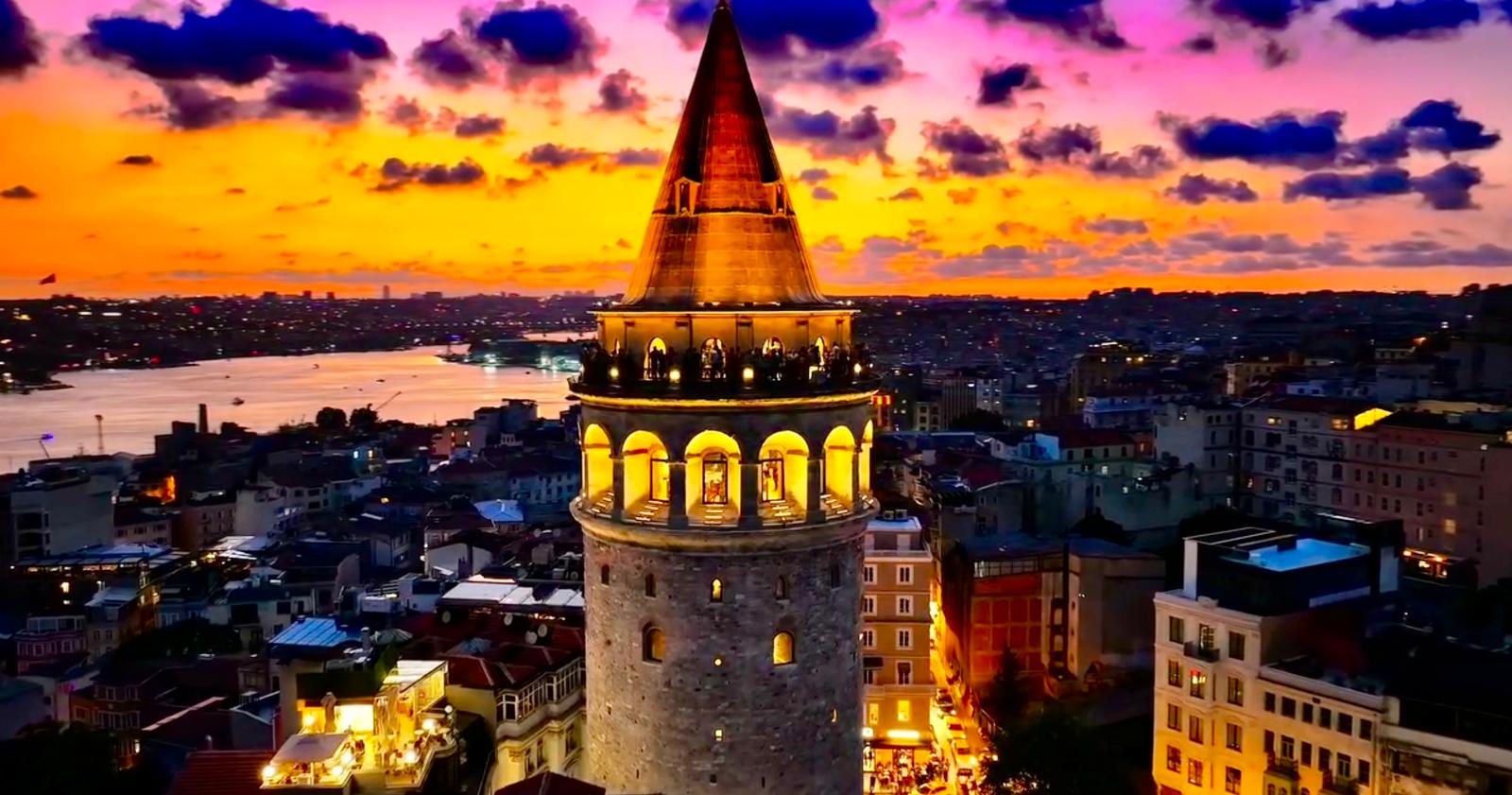
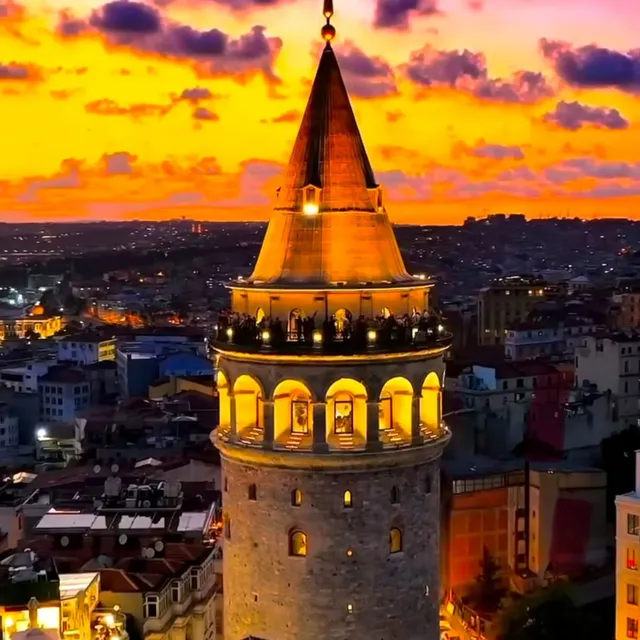
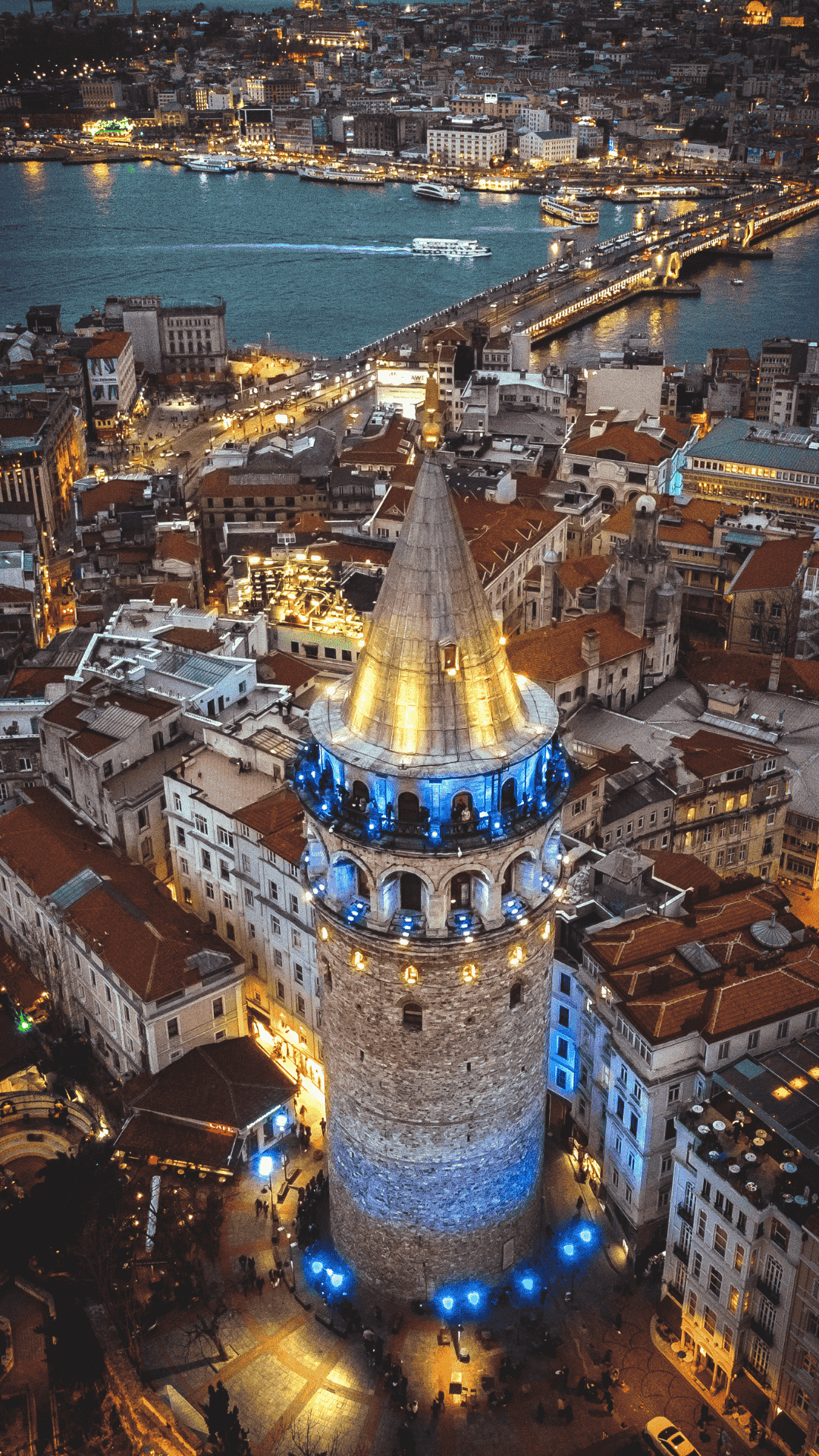
Next, as the name SALT Galata suggests, Galata Tower, one of Istanbul’s icons, is quite nearby. It would be a shame to leave the neighborhood without going up the tower. There is also a local legend claiming that couples who climb it together become married. Whether you believe the legend or not, the tower and its surroundings are among the most memorable places to explore after your museum visit.
If you continue strolling toward Karakoy, you will come across boutique stores selling antique clothing, gift shops with miniature Galata Tower souvenirs, and many cafés where you can sip coffee, taste pastries, or sit down for a refreshing drink. Last but not least, you may also see the Kamondo Stairs, a must-visit attraction when in Karakoy. The stairway was built by the Kamondo family, remembered as a major banker family in the Ottoman Empire.
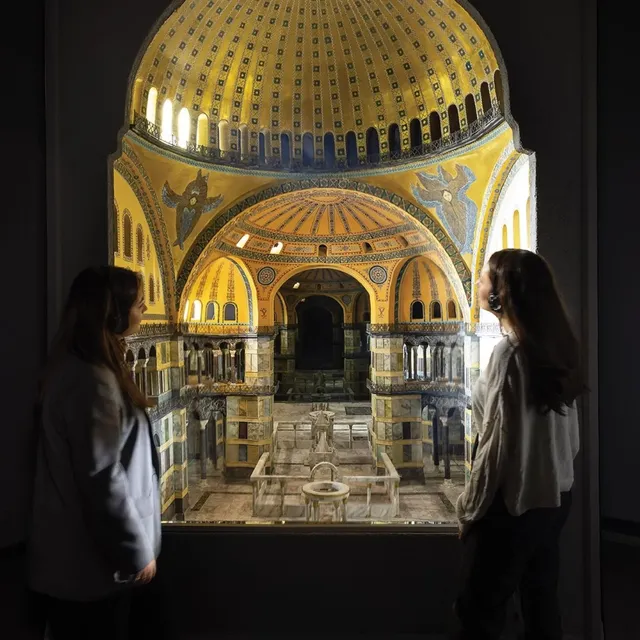
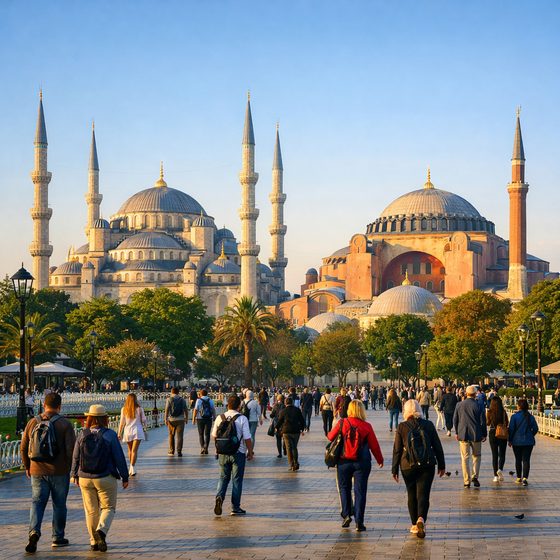
Because of its location, Salt Galata also fits well into a longer day out. You can pair it with a walk toward the Golden Horn or continue toward other historic areas on the European side. If your Istanbul itinerary includes major landmarks such as Hagia Sophia, Salt Galata offers a completely different experience: quieter, more contemporary, and strongly tied to research, exhibitions, and urban memory.
For a broader background on the building and institution, you can also review the overview on Wikipedia. In the end, Salt Galata stands out not only as a museum-like cultural venue but also as a place where architecture, archives, exhibitions, and daily city life meet under one roof.