
Discover Istanbul at the Archaeological Museums
The desire to gather and preserve historical artifacts in Istanbul goes back to the time of Mehmet the Conqueror. Still, the official foundation of the Istanbul Archaeological Museums as Müze-i Hümayun in 1869 marks the formal beginning of museum history in the Ottoman Empire. The Müze-i Hümayun, which contained archaeological works collected in Hagia Irene, formed the basis of what became the Istanbul Archaeological Museums.
When Hagia Irene proved inadequate for the growing collection, the Tiled Kiosk, built during the reign of Mehmet the Conqueror, was converted into a museum. It was restored and reopened in 1880, and today it continues as an important part of the museum complex.
In 1881, the appointment of Osman Hamdi Bey as museum director became a turning point in Turkish museology. Between 1887 and 1888, Osman Hamdi Bey carried out excavations at Mount Nemrud, Myrina, Kyme, other Aeolian necropolises, and the Lagina Hekate Temple. During his excavations in Sayda (Sidon), he entered the necropolis of the kings of Sidon and returned to Istanbul with several sarcophagi, including the famous Alexander Sarcophagus.
The earliest building in the complex is the Tiled Kiosk, dated to 1472 CE. Today, the Tiled Kiosk Museum displays examples of Turkish tiles and pottery and stands as one of the earliest examples of Ottoman civic architecture.
What Will You Find in the Museum?
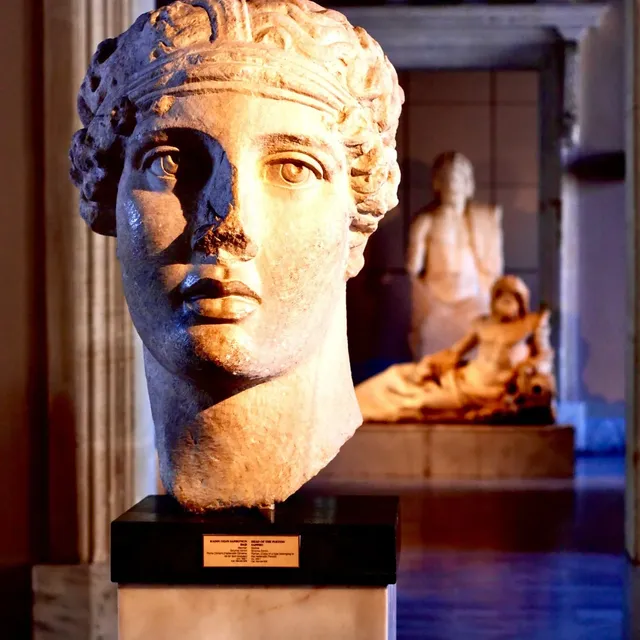
The Istanbul Archaeological Museums are valued not only for the scale of their collection but also for the historic importance of their buildings and galleries. Visitors come to see celebrated funerary monuments and archaeological finds that connect Istanbul with the wider history of the ancient world.
- Alexander Sarcophagus
- Sarcophagus of the Mourning Women
- Lycia Tomb
- Tabnit Tomb
- Tiled Kiosk collections of Turkish tiles and pottery
- Ancient Oriental Works connected with the broader museum complex
These works, especially the sarcophagi brought from the Sidon King Necropolis, helped define the museum’s international reputation and made the need for a larger museum building unavoidable.
Close History of Istanbul Archaeological Museum
The Istanbul Archaeological Museums are counted among the top ten museums in the world that were established specifically as museum buildings. In 1883, Osman Hamdi Bey founded the Sanayi-i Nefise school, or Academy of Fine Arts, in the building that today houses the Museum of Ancient Oriental Works. This building was designed by Alexander Vallaury, who would later design the classical building of the archaeology museum as well.
The Archaeological Museum is one of the few museum buildings from that period constructed specifically for this purpose. It is also one of Istanbul’s most elegant neo-classical structures. On the pediment above the entrance, the inscription “Asar- Atika Müzesi” appears in Ottoman Turkish, meaning Museum of Antiquities. The tughra on the inscription represents Sultan Abdulhamid II.
The arrival of major finds from the Sidon King Necropolis excavated by Osman Hamdi Bey between 1887 and 1888—including the Alexander Sarcophagus, the Sarcophagus of the Mourning Women, the Lycia Tomb, and the Tabnit Tomb—made a new museum building necessary. The classical building of the Istanbul Archaeological Museum, designed by Alexandre Vallaury, opened on June 13, 1891, directly across from the Tiled Kiosk.
For a broader background on the institution and its development, you can also check the overview on Wikipedia.
Location of Istanbul Archaeology Museum
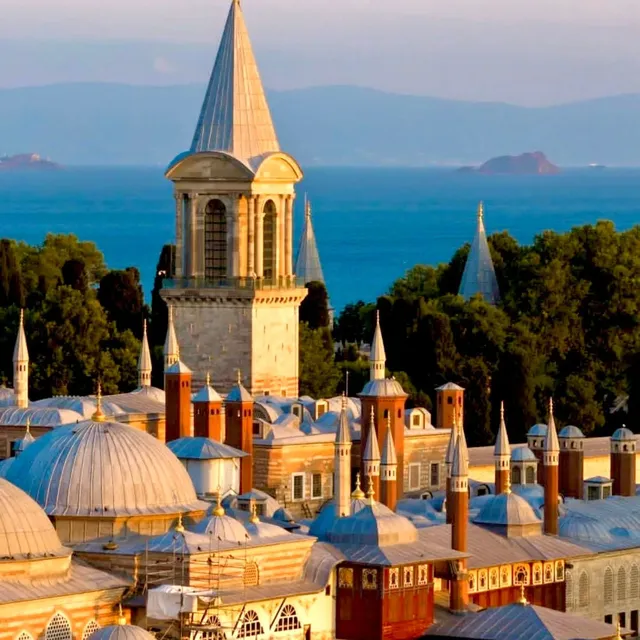
The complex stands in the Sultanahmet neighborhood on Istanbul’s historic peninsula, on Osman Hamdi Bey hill between Gülhane Park and Topkapi Palace. You can reach it easily either by walking down the slope from the first court of Topkapi Palace or by coming up the hill from the main gate of Gülhane Park.
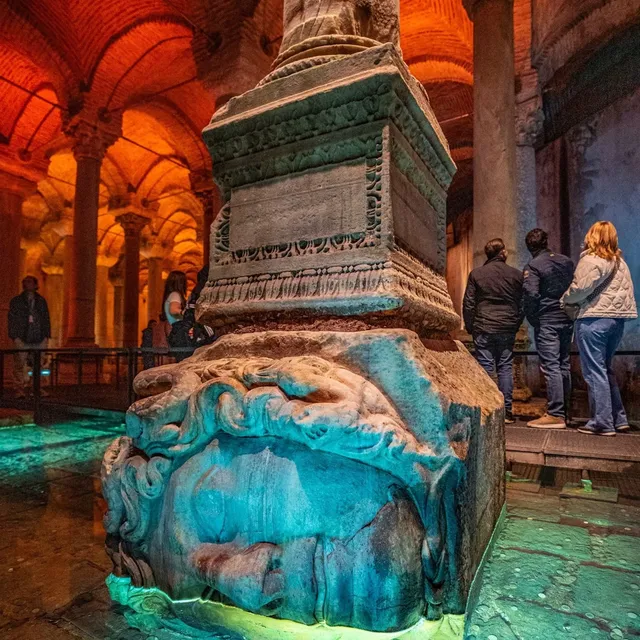
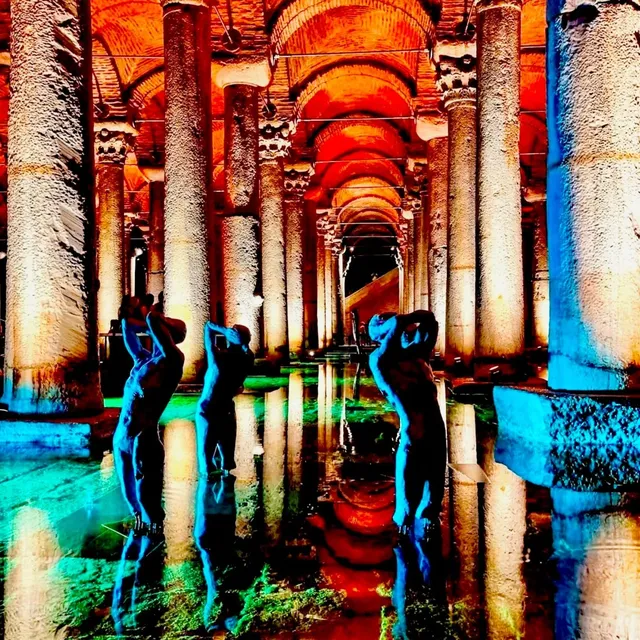
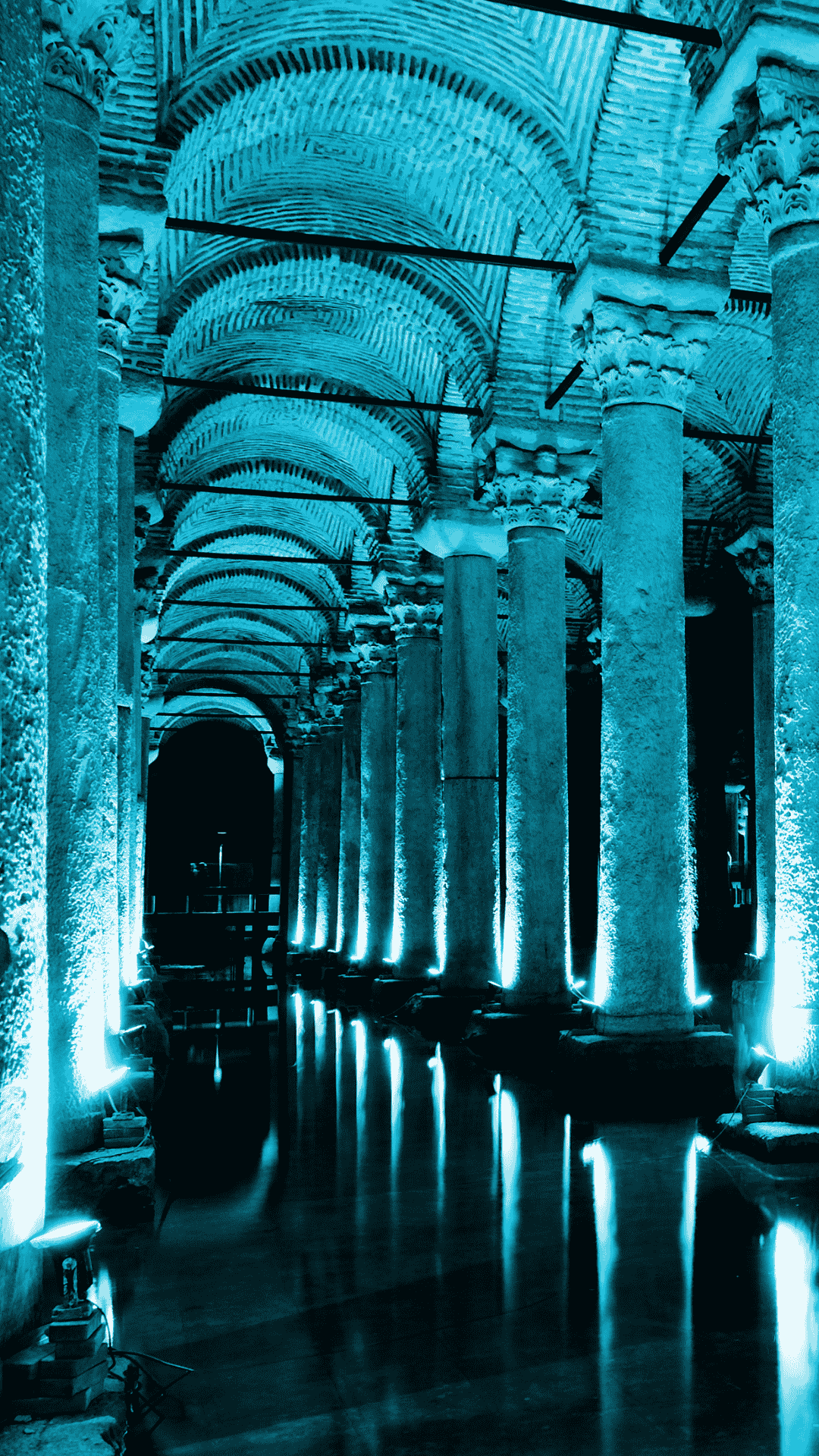
Because of its central setting, the museum pairs naturally with a day in Sultanahmet. Many visitors combine it with nearby landmarks such as Basilica Cistern or a walk around Sultanahmet Square. For official museum-related information in Turkey, it is also worth checking trusted local museum resources such as muze.gen.tr.
Why Visit the Istanbul Archaeological Museums?
This museum complex brings together architecture, archaeology, and museum history in one place. It tells the story of collecting, preserving, and presenting artifacts in the late Ottoman period while also allowing visitors to see some of the best-known ancient works in Istanbul. Its location near the city’s major historic monuments makes it especially convenient for travelers interested in the old city.
If you want to understand how Istanbul connects the Ottoman world with older civilizations of Anatolia, the Levant, and beyond, this museum remains one of the most rewarding places to visit.
Plan More Time in Istanbul
Istanbul offers far more than one museum visit. After exploring the archaeology museum, you can continue discovering the city’s layered past through its palaces, squares, monuments, and waterfront districts. From imperial landmarks to neighborhood walks, there is always more to explore in Istanbul.