As US and European universities dominated the global reputation of higher education through the 20th century, many strong universities elsewhere did not receive the same attention. Still, some of them are better than many universities in Europe or the US. For example, Boğaziçi University is considered one of the best universities in Europe for humanitarian and social sciences, even if it did not always get the same level of fame internationally.
By 2004, Turkish universities were increasingly able to show the world the quality of education they offer. Today, Istanbul stands out as one of the best places to discover that for yourself.
When East meets West, you see things you may have never seen before and live a very different experience, with both positive and negative sides. One of the best ways to live this experience is at a Turkish university in Istanbul. Beyond the classroom, students also get to know the city through places such as Taksim Square, the waterfront, and historic neighborhoods.
Study in Istanbul: University Types
Turkish universities are split into two main types: public universities and private universities. Unlike in many other countries, both types are under the rule of the higher education ministry, and the same laws are applied to both. This helps control the standards of education regardless of the type of university and makes sure that the education process does not go below the required standards.
In general, private universities offer far more quotas for international students than public universities. Because of that, you can usually find more foreign students in private universities than in public ones. In addition, the majority of programs offered in private universities are in English, unlike public universities, where most programs are offered in Turkish.
Admission Requirements for International Students
To enroll in a public university, an international student usually must enter the international students exam known in Turkish as YOS. According to the grades of this exam, high school grades, age, and quotas, a student may be accepted and receive an acceptance letter.
For private universities, it is not obligatory to enter the YOS exam because private universities work with a system that has more quotas. This means they can accept students with less intense competition. However, a student must prove English speaking, reading, listening, and writing ability through an international English certificate such as IELTS or TOEFL IBT, or simply join the English proficiency exam held separately by each university.
Since rules can change over time, it is always wise to check official university admissions pages and public transport access through sources such as metro.istanbul when planning your daily student life in the city.
Education Standards and Recognition
Studying standards and education curricula in Turkey are set according to European standards, and the Turkish certificate is accredited in more than 196 countries around the world. Some universities follow low standards, some medium standards, and some high standards, but all of these standards are designed according to European and world conditions, even the lower ones.
That is why you can find many Turkish universities ranked highly and better than many universities in other parts of the world. We are talking about KOC University, Boğaziçi University, Istanbul University, Istanbul Technical University, and many others.
For a general background on higher education in the country, you can also review public information on Wikipedia.
Cost of Studying in Istanbul
Relatively, and compared to universities in many European countries, studying in Turkey is not expensive. International students also often have the opportunity to get a partial or full scholarship.
Costs vary by university, department, and language of instruction, so it is best to check the official site of the university you are considering for current tuition fees and scholarship details.
Education Consultancies and Agents
Like any other country in the world, you can find many education consultancies and agents in Turkey that offer free registration support and partial scholarships. These agencies are not necessarily crooks, because some have official representative contracts with universities and may offer a special discount on tuition fees that can reach up to 75%. For some students, registering through one of these education consultancies and agents can therefore be a good opportunity.
One of the most important things to know is that Turkey has more than 200 universities, so it is easy to get confused about what to choose. For that reason, contacting an education consultant who understands education in Turkey and its system can be helpful. After you explain your study goals and future plans, the consultant may offer options that match your situation and plans. You can also benefit from support with registration and possible discounts on tuition fees.
An example mentioned by students is PROVADA Education Consultancy, which is described as having a helpful and professional team.
Student Life in Istanbul
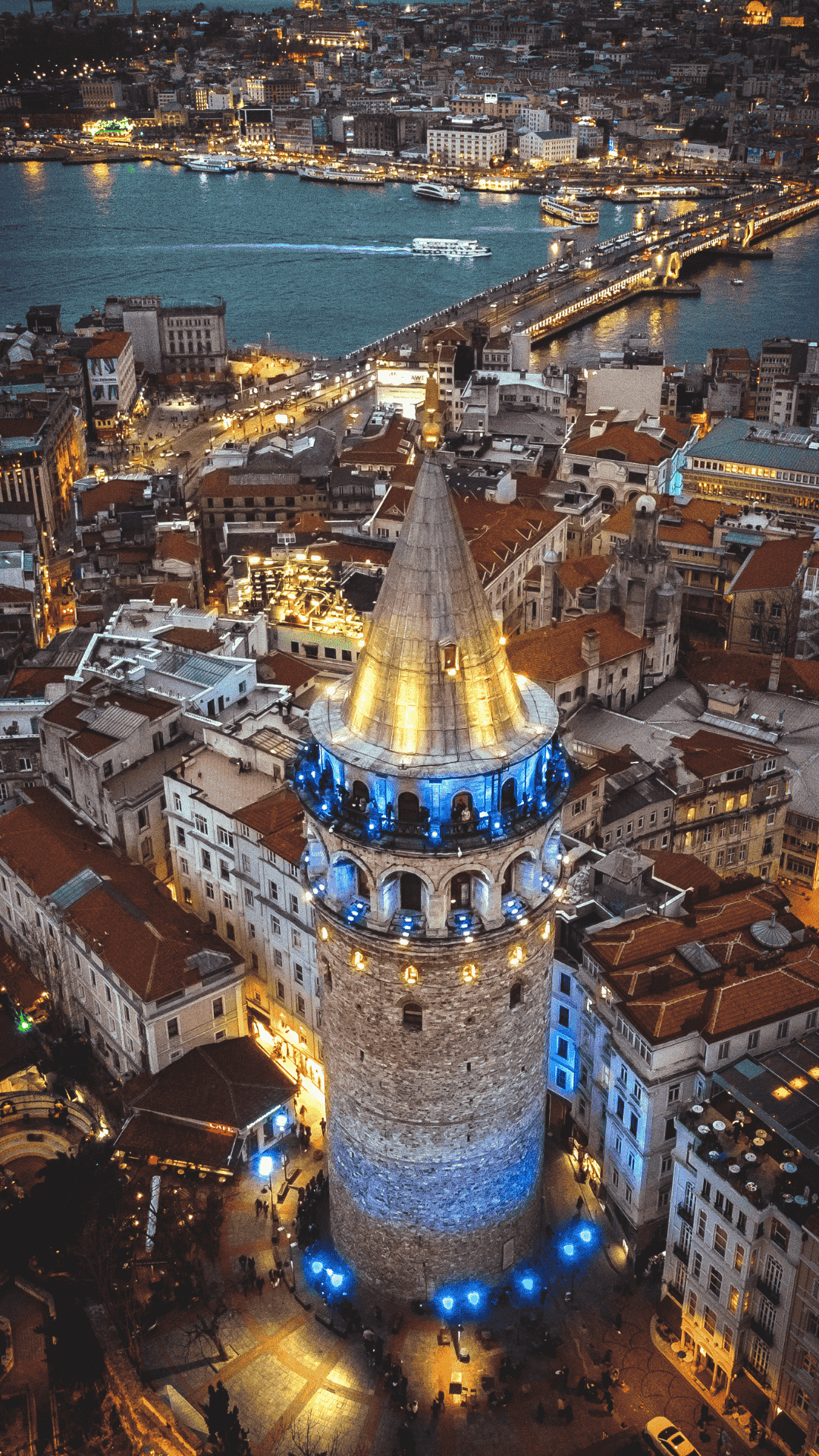
One reason many students choose Istanbul is that the city itself becomes part of the education experience. It is a place where history, daily life, and modern urban culture exist side by side. On weekends, students often explore landmarks like Galata Tower or relax with a Bosphorus Cruise to get a wider sense of the city they are living in.
That combination of academic opportunity and cultural discovery is a major part of what makes studying here memorable.
Final Thoughts
Istanbul can be a strong option for students who want recognized education, a wide range of universities, and a unique social and cultural environment. Whether you choose a public or private university, it is important to compare programs carefully, check current requirements, and make sure the university matches your academic goals and language level.