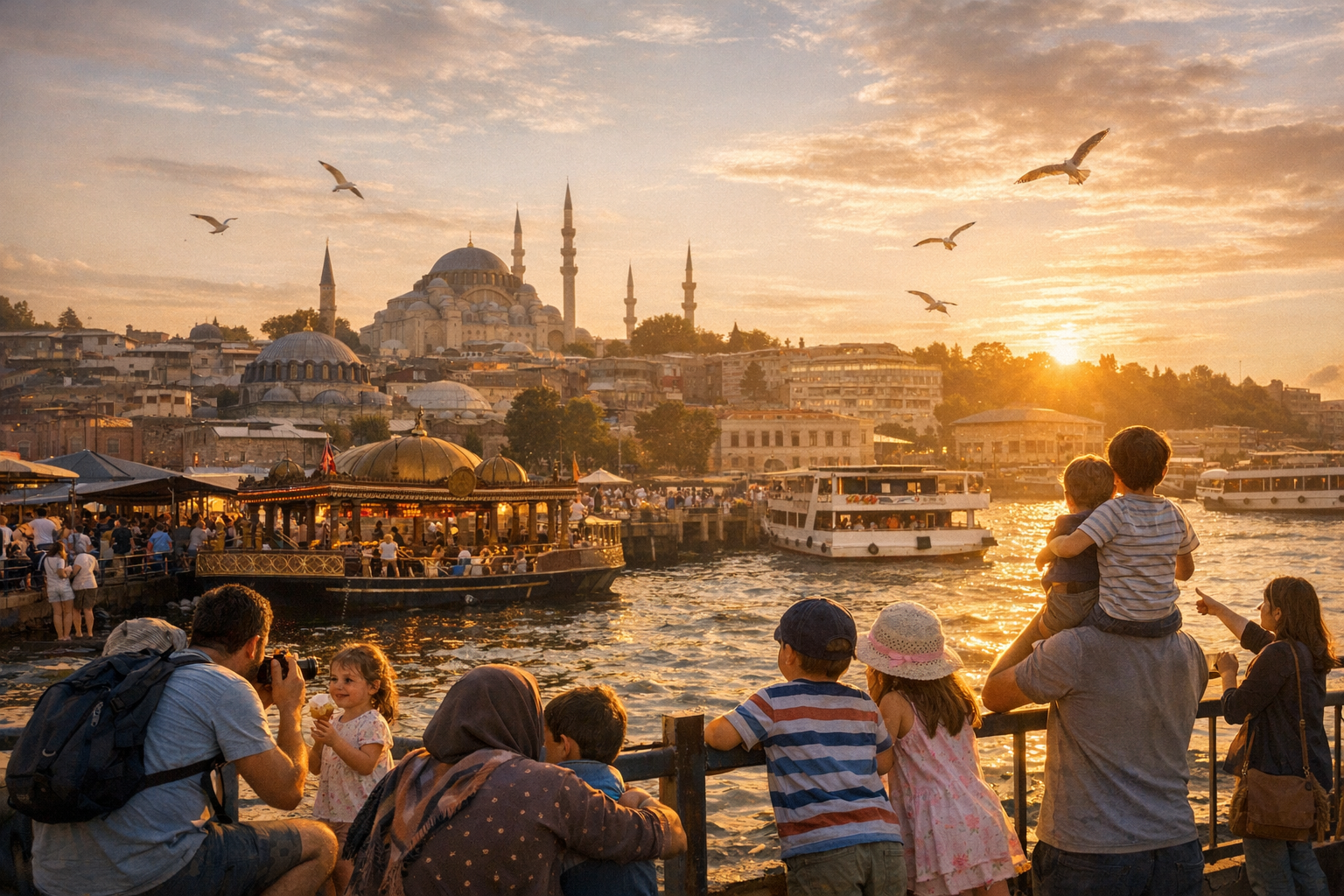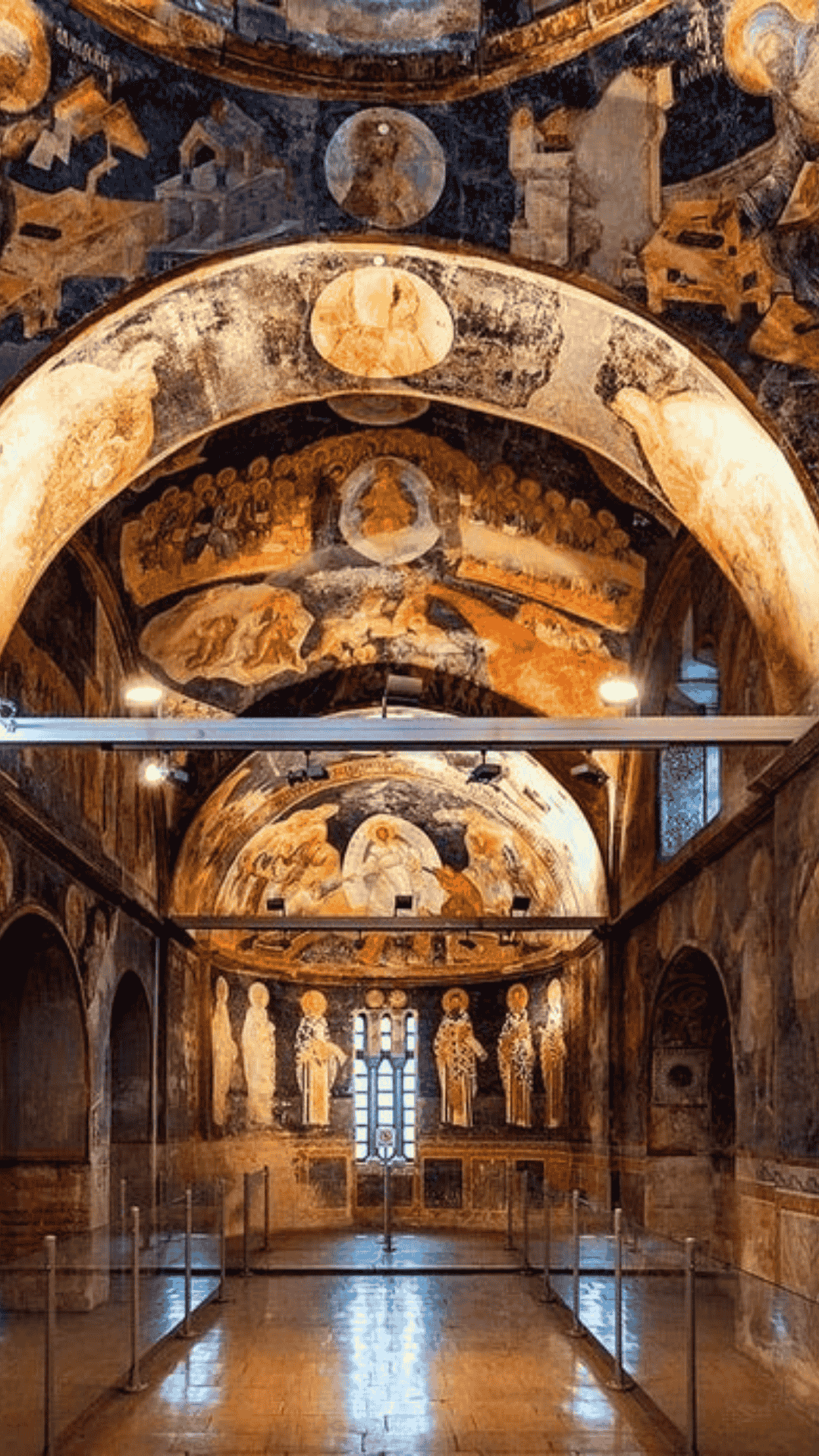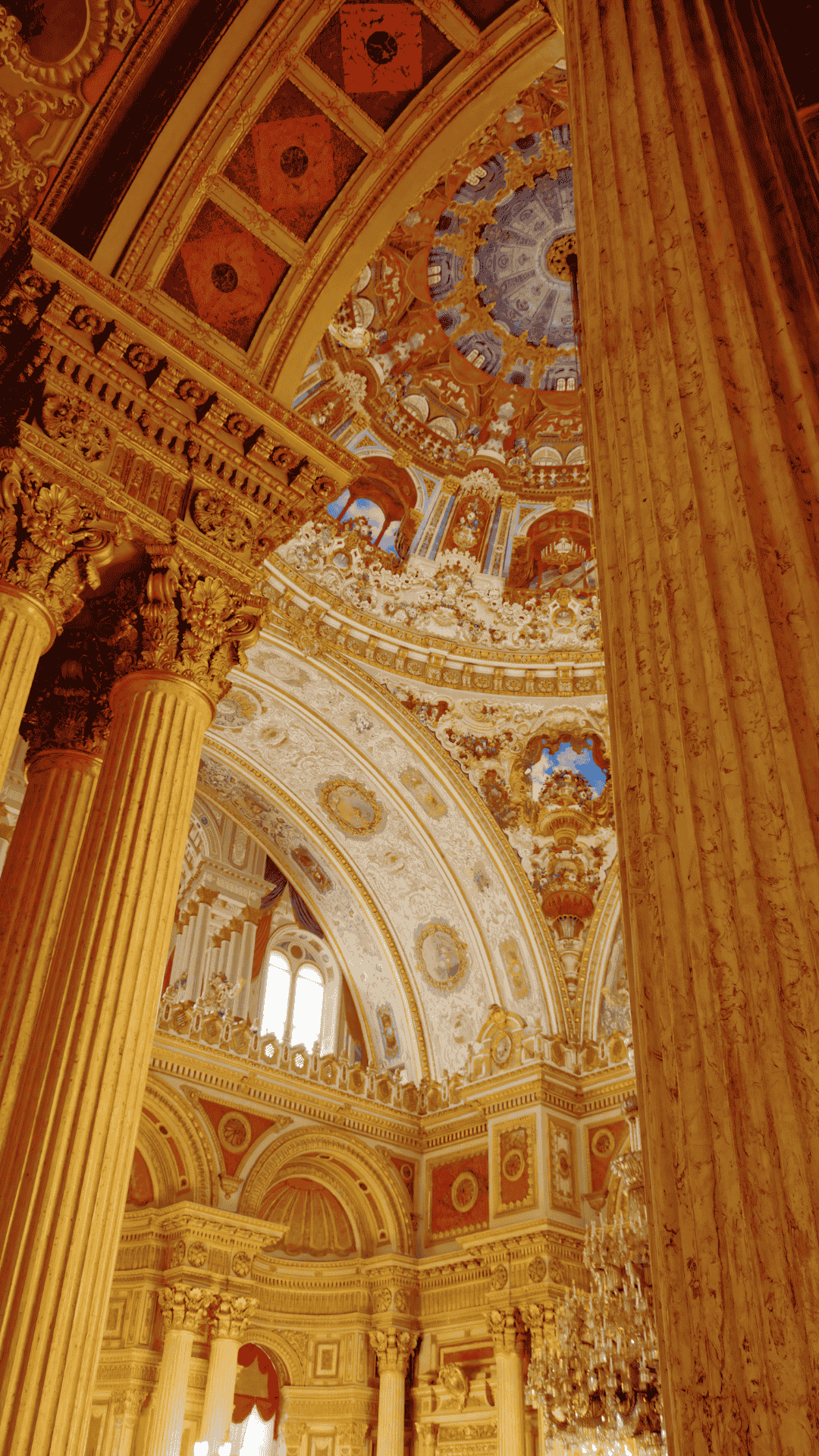
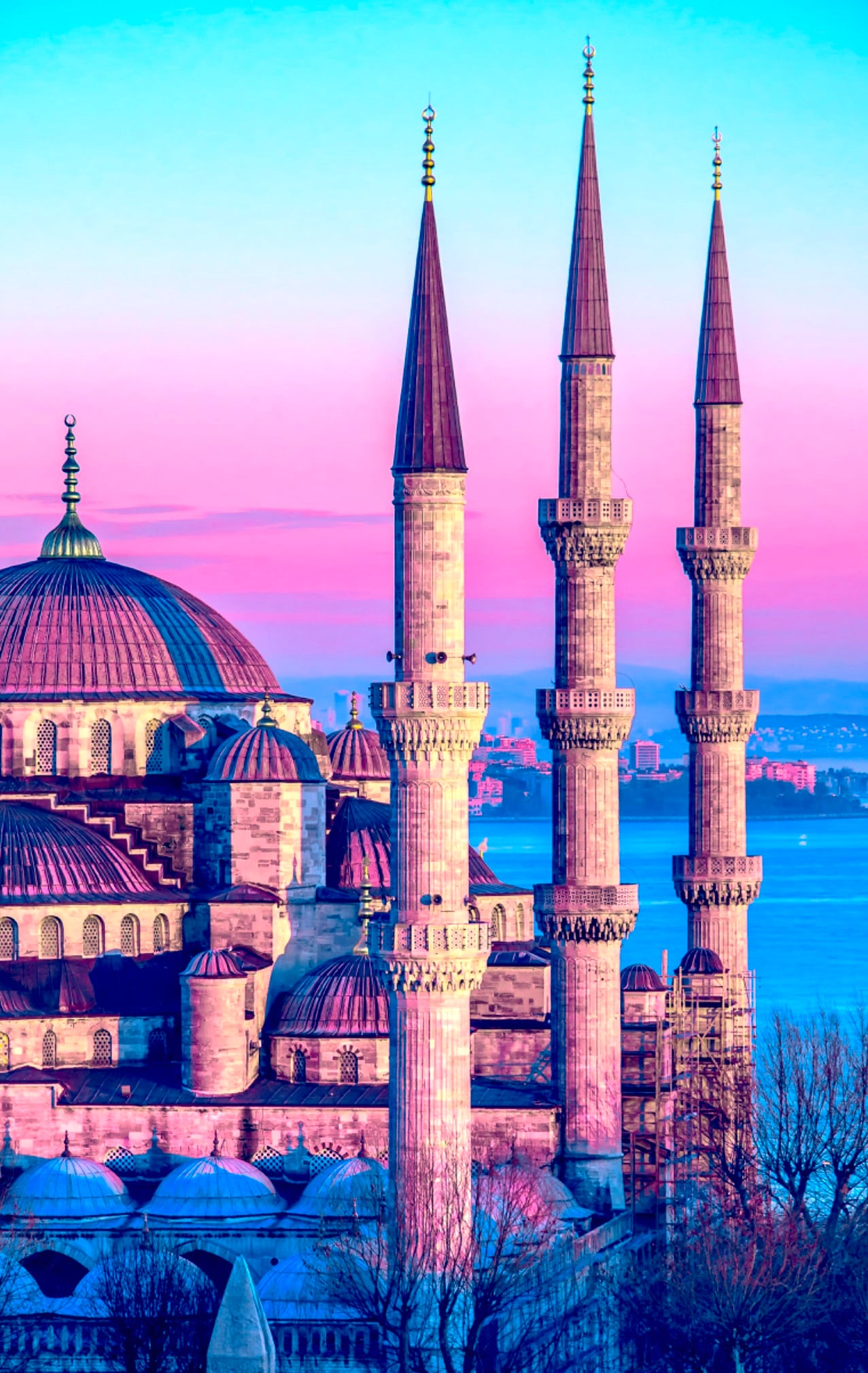
The district where the mosque stands is also called Eyüp Sultan. Over the centuries, the complex was damaged by natural disasters and later repaired, which is why what you see today reflects both its original importance and later restorations. Even so, the site continues to impress with its scale, beauty, and enduring significance.
Eyup Sultan Mosque history and architecture
Eyup Sultan Mosque was built in 1459 during the reign of Sultan Mehmet the Conqueror in the Eyüp area of Istanbul. Planned as a social complex, the mosque reflects an architectural idea with deep historical roots. Although the concept remained under consideration for a long time, the project was ultimately carried out in 1459 and became one of the earliest imperial-era religious complexes of Ottoman Istanbul.
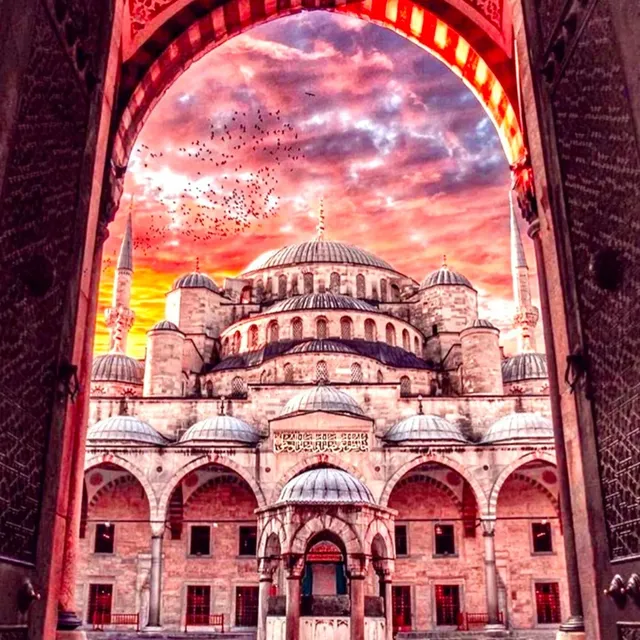
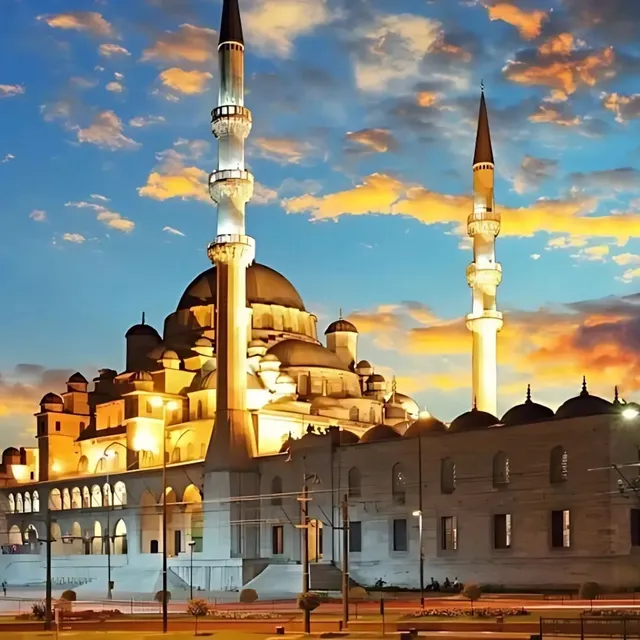
The mosque has one central dome and twenty smaller domes around it. Its design stands out not only for the dome arrangement but also for the wider complex, which includes numerous sepulchers and tombs. This gives the site a powerful historical and spiritual character that goes beyond the main prayer hall.
Although it preserved its majesty for centuries, the 1766 earthquake led to a major restoration. After that, the building plan was redrawn. For this reason, the mosque seen today reflects both its 15th-century foundation and its later rebuilding. It remains one of the places considered especially sacred by many Muslim visitors, while also drawing tourists interested in Ottoman architecture and Istanbul history.
Eyup Sultan Mosque is widely regarded as one of the notable examples of Ottoman architecture. After its construction, it became one of the most visited worship sites of the Ottoman period. Today, it continues to be among the most visited religious and cultural landmarks in the city. If you are exploring other major Ottoman-era monuments, you may also want to see Suleymaniye Mosque and Hagia Sophia.
Why Eyup Sultan Mosque matters to visitors and worshippers
Eyup Sultan Mosque attracts both Muslim visitors and international travelers. For many people, it is a place of devotion; for others, it is a meaningful cultural stop that reveals another side of Istanbul beyond the busiest tourist squares. The site remains lively with worshippers, and this living religious tradition helps preserve the spirit of Eyüp Sultan.
The mosque and the surrounding structures are spread over a rectangular area. The building, with its protruding mihrab, is covered by 21 domes, including a central dome with a diameter of 17.5 meters. At the four corners, there are Baroque fountains associated with sacred and healing water. These details add another layer to the experience, especially for visitors interested in the symbolism and ritual life of Ottoman religious complexes.
The central courtyard is also memorable for its atmosphere. Around Eyup Sultan Mosque, you can see a mighty plane tree, cypress trees, and historic cemeteries that frame the complex and reinforce its sacred identity. The setting feels calm, contemplative, and deeply connected to the city’s religious memory.
Notable graves and the wider setting
Several well-known names from Turkish literary, political, and historical life are buried in the area. Among them are Ahmet Haşim, Fevzi Çakmak, Necip Fazıl, Ziya Osman Saba, and Sokullu Mehmet Pasha. Their presence adds another cultural and historical dimension to the mosque complex and the surrounding cemetery landscape.
For many visitors, the appeal of Eyup Sultan Mosque lies in this combination of sacred space, architectural beauty, and historical depth. It is not simply a monument to look at; it is a place where Istanbul’s spiritual life, Ottoman legacy, and urban memory continue together. That is why many travelers consider it one of the most rewarding places to visit in the city.
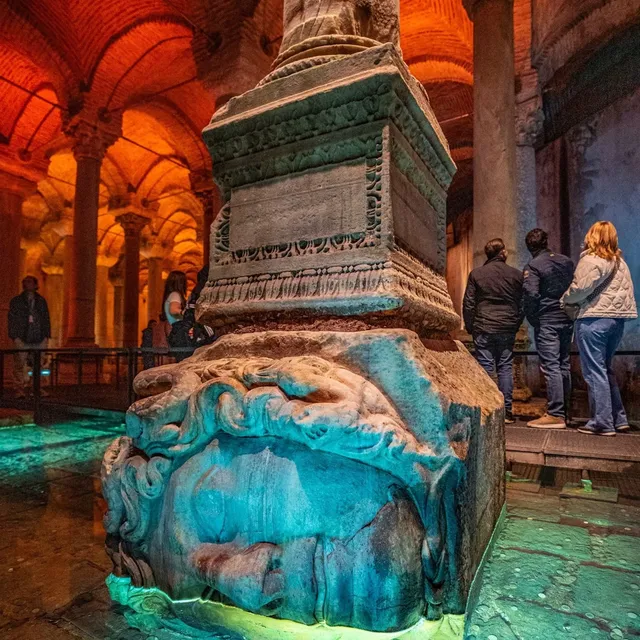
If you want to continue your route after the mosque, the nearby Golden Horn offers another way to appreciate the historical setting of this part of Istanbul. You can also compare its atmosphere with other major monuments such as the Basilica Cistern, which presents a very different but equally memorable side of the city.
Planning your visit
Because Eyup Sultan Mosque is an active place of worship, visitors should dress respectfully and be mindful of prayer times. As with many historic mosques in Istanbul, modest clothing and quiet behavior help ensure a respectful visit for everyone. Since visitor arrangements may change, it is best to check current transportation details through official city transit sources such as IETT or Metro Istanbul before you go.
For general historical background, you can also review the overview on Wikipedia. Once you arrive, take time to explore not only the mosque itself but also the courtyard, cemetery surroundings, and the wider Eyüp neighborhood, which all contribute to the experience.
FAQ about Eyup Sultan Mosque
What is Eyup Sultan Mosque known for?
Eyup Sultan Mosque is known for being one of the most sacred and respected religious sites in Türkiye. It is admired for its Ottoman architecture, long history, and its importance as both a worship site and a major cultural landmark in Istanbul.
When was Eyup Sultan Mosque built?
The mosque was built in 1459 during the reign of Sultan Mehmet the Conqueror. Although the site later underwent major restoration, especially after the 1766 earthquake, its origins date back to the early Ottoman period in Istanbul.
Can tourists visit Eyup Sultan Mosque?
Yes, tourists can visit Eyup Sultan Mosque. Since it is an active place of worship, visitors should be respectful, dress modestly, and pay attention to prayer times. This helps preserve the spiritual atmosphere of the site for worshippers and travelers alike.
What can you see around Eyup Sultan Mosque?
Around the mosque, visitors can see the courtyard, cypress trees, a large plane tree, cemeteries, fountains, and the graves of several notable historical and literary figures. The wider Eyüp area and the nearby Golden Horn also make the visit more rewarding.