Inside
Inside Ortaköy Mosque: A Palace That Prays
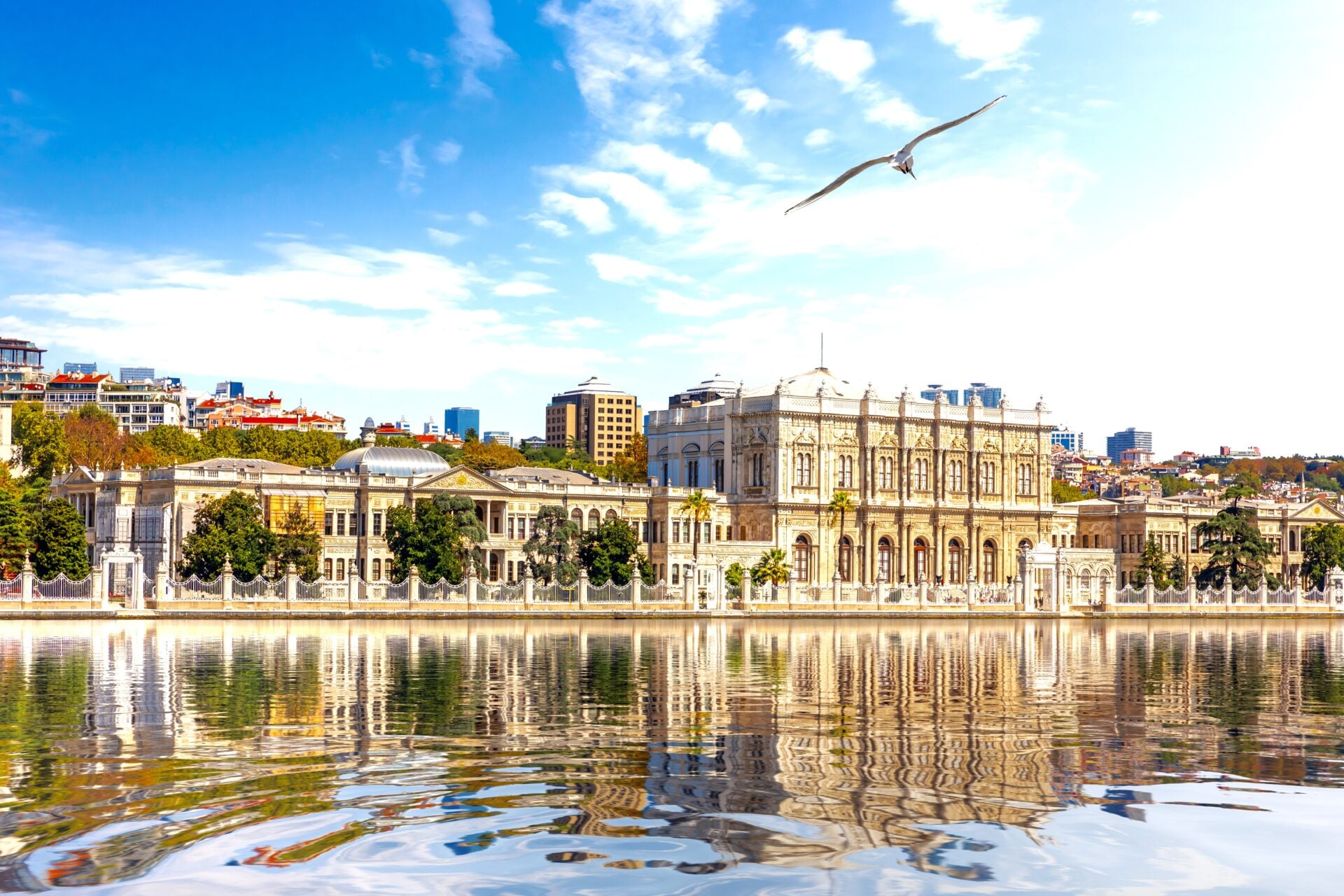
Step inside and the surprise lands: this is palace architecture wearing a mosque's plan. The Balyan family — the same court architects who built Dolmabahçe up the shore — flooded the little hall with light through enormous windows. As a result, the Bosphorus itself becomes the decoration. Pink mosaic columns, a marble mihrab, and a crystal chandelier do the rest. In contrast to the candle-lit hush of the old imperial mosques, Ortaköy feels like a ballroom that happens to face Mecca. So why does it feel so unlike every other mosque in the city? Because the same hands drew both: this is Dolmabahçe's chapel, in spirit and in style, scaled down to human size and pushed out over the water.
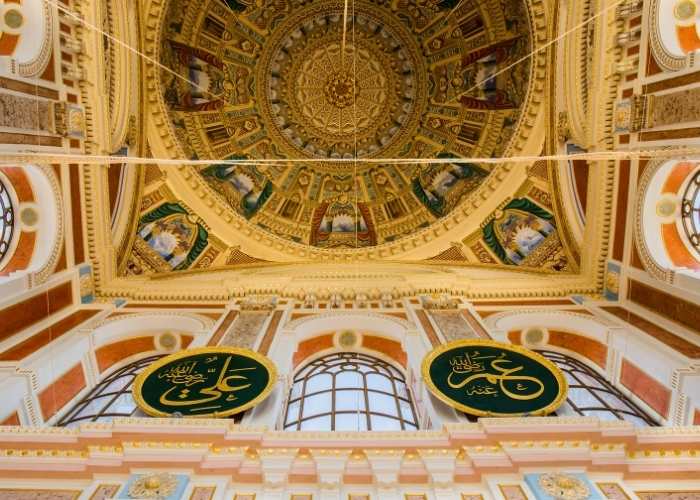
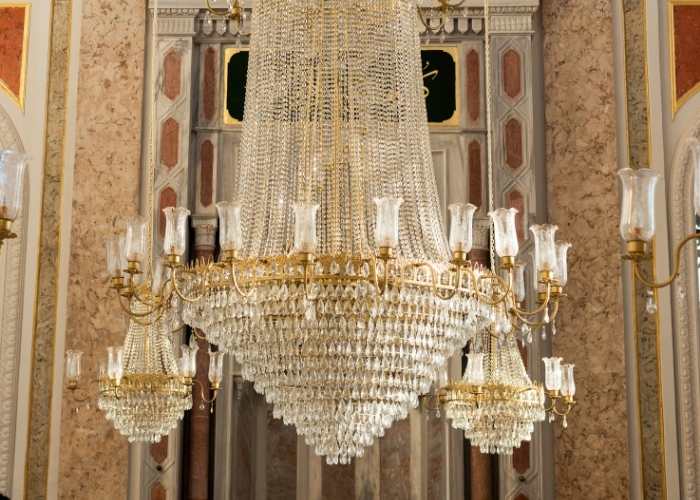
Look up at the calligraphy roundels, because they hide the building's best secret. Sultan Abdülmecid I, who commissioned the mosque, was a trained calligrapher — and the panels inside are, in fact, his own hand. Likewise his the taste throughout: this was a personal project, not a committee's. Few monarchs anywhere decorated their own monuments; notably, this one signed his in ink. Ask the attendant to point out the tuğra panels — most visitors photograph them without knowing whose hand they hold.
Then there is the square. Kumpir is Ortaköy's famous baked potato — split open, whipped with butter and cheese, and loaded from a counter of a dozen toppings — and the stalls lining the square have turned it into a food pilgrimage of its own. Which toppings? Everyone argues; nobody leaves hungry. The stalls all look identical and locals still swear by their own — pick by queue length and you will do fine. In our experience the right order is: mosque first, kumpir second, waterfront railing third, and the bridge photo whenever the light says so. Our team measured the whole ritual — interior, potato, photos — at a happy ninety minutes.
History
Ortaköy Mosque History: The Sultan's Waterfront Jewel
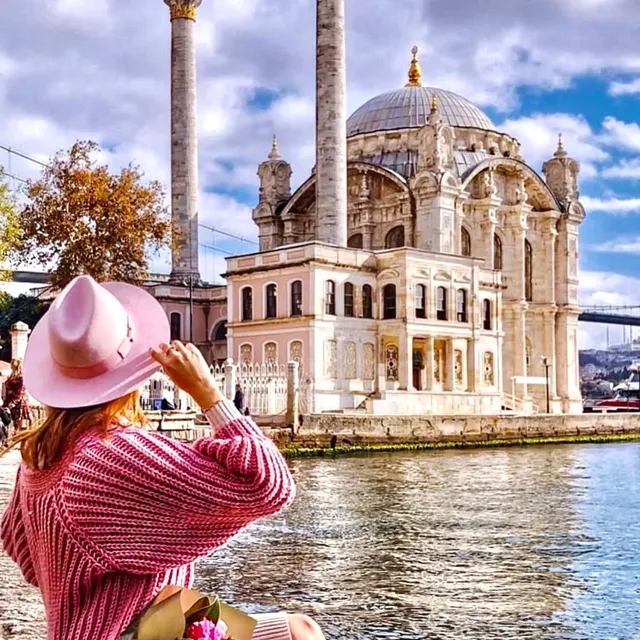
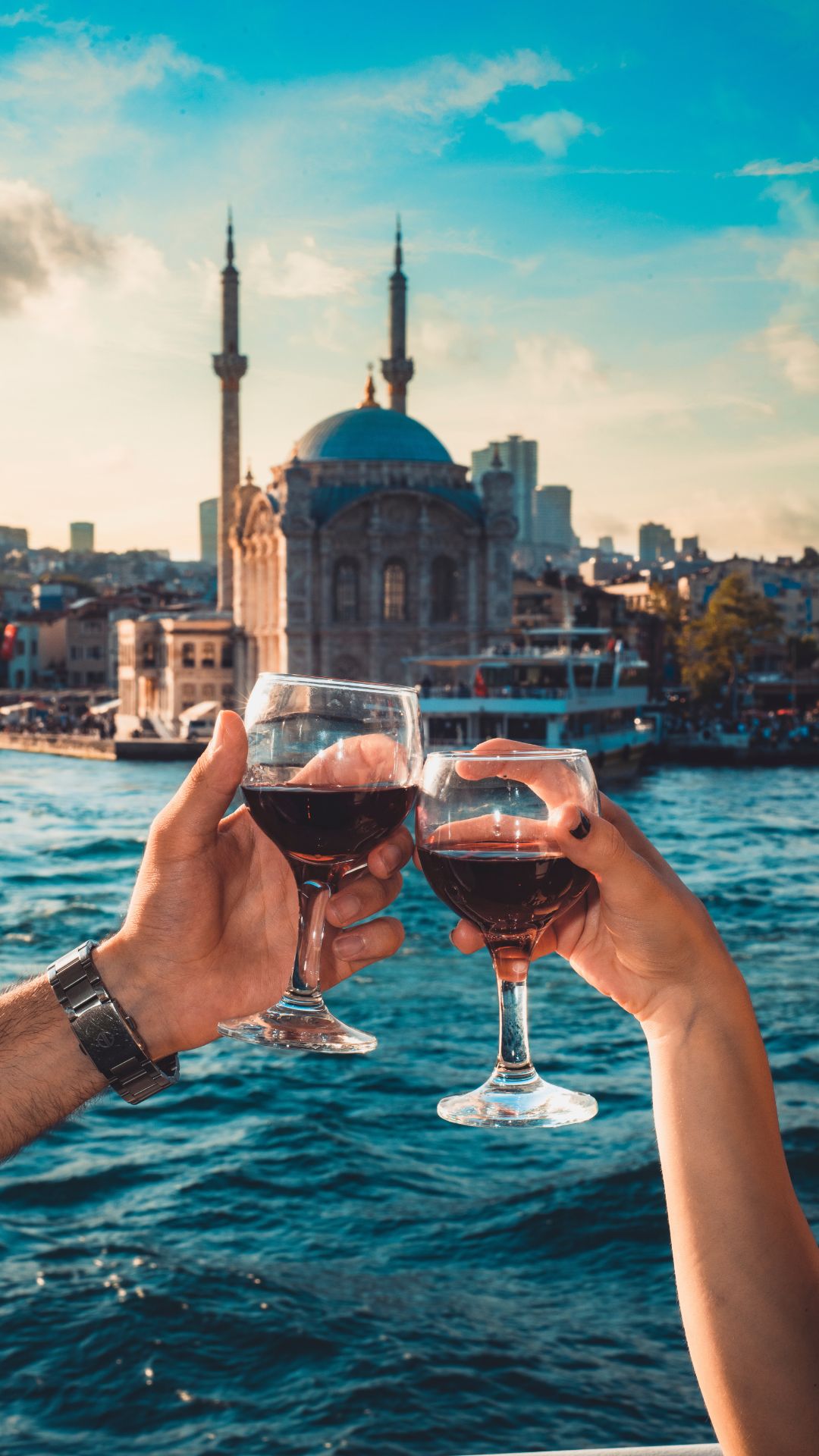
The full name is Büyük Mecidiye Camii — Abdülmecid I's grand mosque. It rose in the mid-1850s, completed around 1854-56, in the same burst of imperial building that, for instance, produced Dolmabahçe Palace. The exact year is genuinely disputed among historians, which suits a building this relaxed about ceremony. The architects were Garabet Balyan and his son Nigoğayos, and they gave the empire's most European decade its most European mosque: Neo-Baroque curves, colossal windows, and a waterfront stage. Accordingly, the mosque reads best from the sea — it was designed to be seen from passing boats, and every Bosphorus cruise still obliges it with a slow pass.
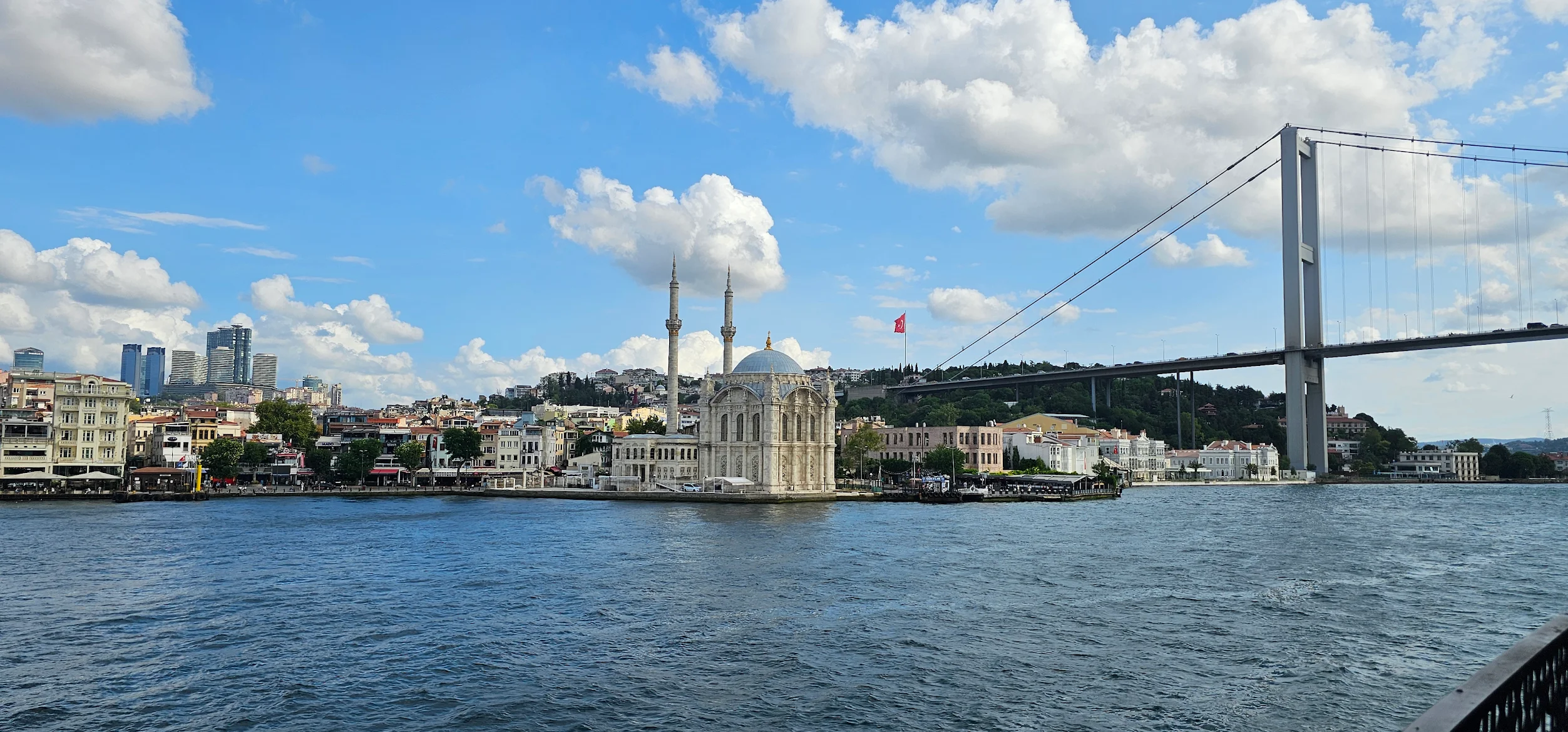
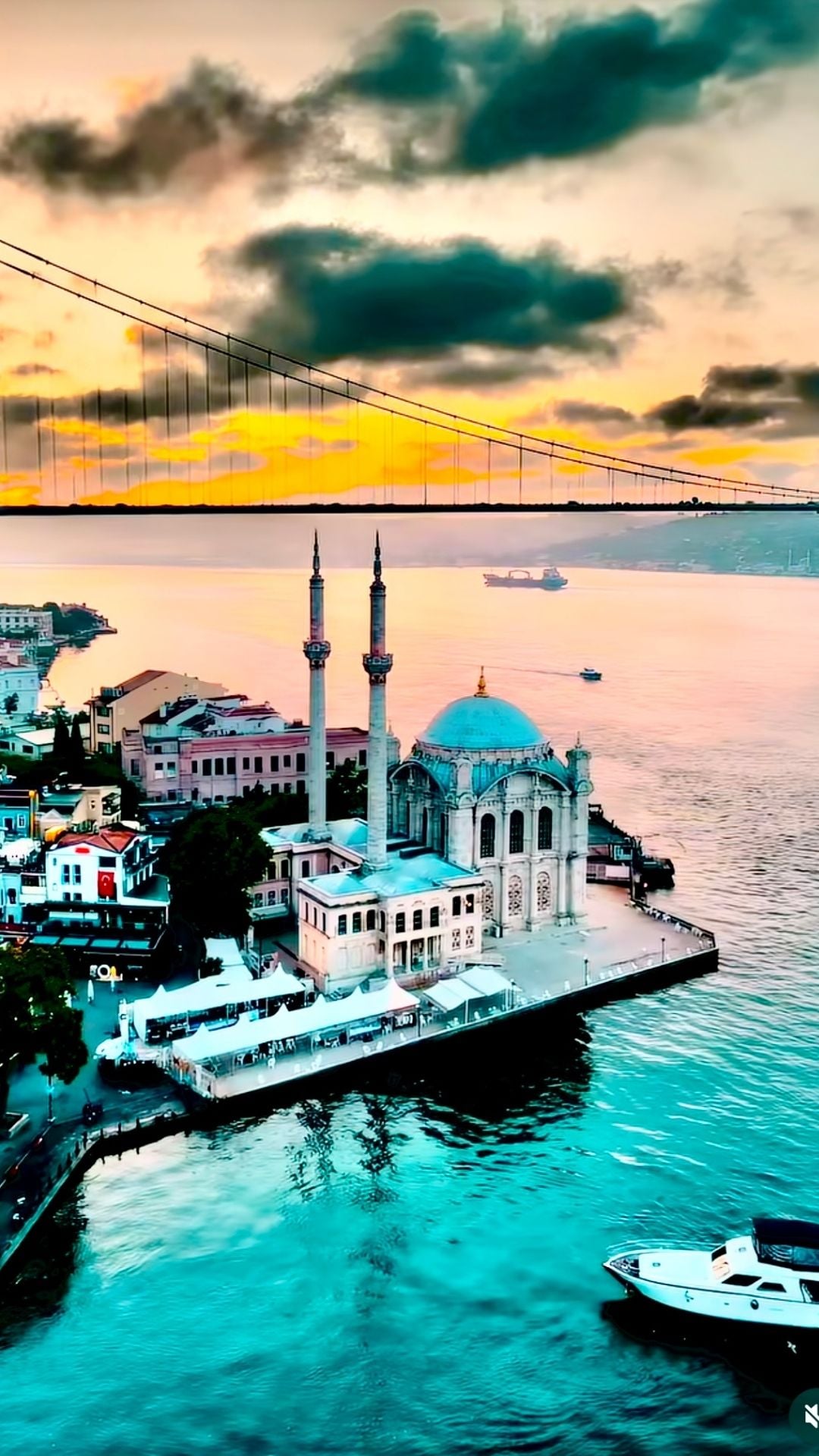
The site had a rougher first act. An earlier mosque of 1720 stood here until the Patrona Halil uprising of 1731 wrecked it. The sultan's replacement, over a century later, upgraded a neighborhood mosque into a Bosphorus landmark, and gave the shore its defining silhouette. Subsequently the 15 July Martyrs Bridge rose directly behind it in 1973 — and accidentally composed the most photographed juxtaposition in Istanbul: 1850s lace against 1970s steel.
Time and salt air are hard on waterfront marble. A comprehensive restoration by the General Directorate of Foundations ran from 2011 to 2014, and the mosque reopened in June 2014 in its current bright-white state. Consequently, what you photograph today is both faithful and fresh — the building's third life on the same pier.
The neighborhood around it kept its own layered story. Ortaköy — "middle village" — was for centuries one of the Bosphorus's famously mixed quarters, where mosque, church, and synagogue still stand within a few hundred meters of each other. For example, walk two streets inland and you pass the Etz Ahayim synagogue and the Greek Orthodox church of Ayios Fokas within minutes. The square's cosmopolitan food scene is not a tourist invention; it is the village's oldest habit wearing new aprons.
Plan your visit
Visiting Ortaköy: Hours, Dress Code & Getting There
Opening hours
The mosque opens daily outside the five prayer times. It closes to visitors for roughly half an hour around each prayer, and through Friday midday. What if you arrive during prayer? Wait it out in the square — the timing works itself out with a tea. Prayer times shift daily; accordingly, check a prayer-times app rather than fixed clock times, and fill any wait with the square outside.
Entrance fee
Entry to Ortaköy Mosque is free. It is a working mosque — no ticket, no queue, donations optional.
What the neighborhood charges for, in contrast, is everything around it: the kumpir, the coffee, and the waterfront tables with the bridge view.
Dress code
Shoulders and knees covered; women cover their hair inside, and scarves are, additionally, available at the entrance. Shoes come off at the door. Likewise, keep voices low and cameras away from worshippers — the small hall makes etiquette visible.
Getting there and timing
Ortaköy sits on the Beşiktaş shore road, and there is no metro or tram stop — buses from Kabataş and Beşiktaş pass constantly, and a taxi from Taksim takes about fifteen minutes outside rush hour. Similarly easy: pair it with Dolmabahçe, twenty minutes' walk down the same shore. We found golden hour the magic slot: the white marble goes honey-colored and the bridge lights come on. Weekday mornings, meanwhile, give you the interior nearly alone. Weekend afternoons, in contrast, belong to the kumpir queue.
Fact-checked against official sources · September 1, 2026 · TURSAB-licensed operator
Tours
Ortaköy Tours & Nearby
No ticket needed here — so what adds value? The self-paced audio guide unpacks the Balyans, the sultan's calligraphy, and the square's history at your own speed. For the postcard from the water, a Bosphorus cruise passes the mosque close enough to wave — it is the second landmark on every northbound run. In addition, city-pass holders should check current inclusions for the shore. Prices sit on the cards below.


FAQ
Frequently Asked Questions
Yes — it is a working mosque with no entrance fee. You pay only for optional extras like an audio guide, or for the kumpir you will inevitably buy outside.
Daily, outside the five prayer times; the mosque closes to visitors for about half an hour around each prayer and through Friday midday prayers. Check a prayer-times app on the day.
For the frame: the delicate 1850s Neo-Baroque mosque stands directly beneath the Bosphorus Bridge, creating Istanbul's most photographed old-meets-new shot. Inside, the calligraphy panels were written by Sultan Abdülmecid I himself.
Garabet and Nigoğayos Balyan — the court architects of Dolmabahçe Palace — for Sultan Abdülmecid I, completed in the mid-1850s. Its formal name is Büyük Mecidiye Camii.
Ortaköy's signature street food: a giant baked potato whipped with butter and cheese, then loaded with toppings of your choosing. The stalls beside the mosque square have made it a destination in itself.
Golden hour, from the waterfront railing south of the mosque — the marble warms and the bridge lights switch on behind it. Early mornings offer the same frame with fewer people in it.
Still have questions?
Our Istanbul travel experts are happy to help.
Nearby