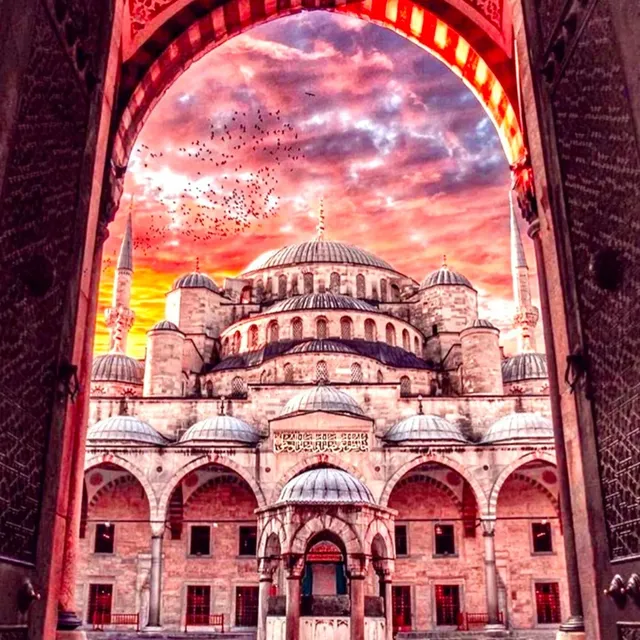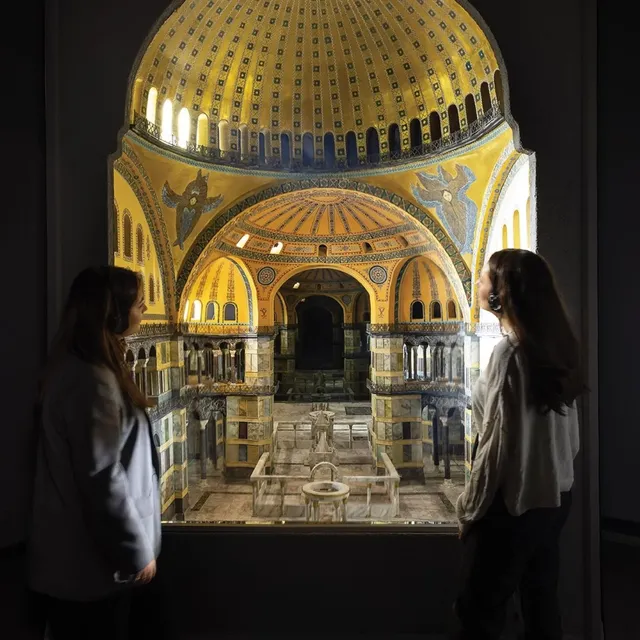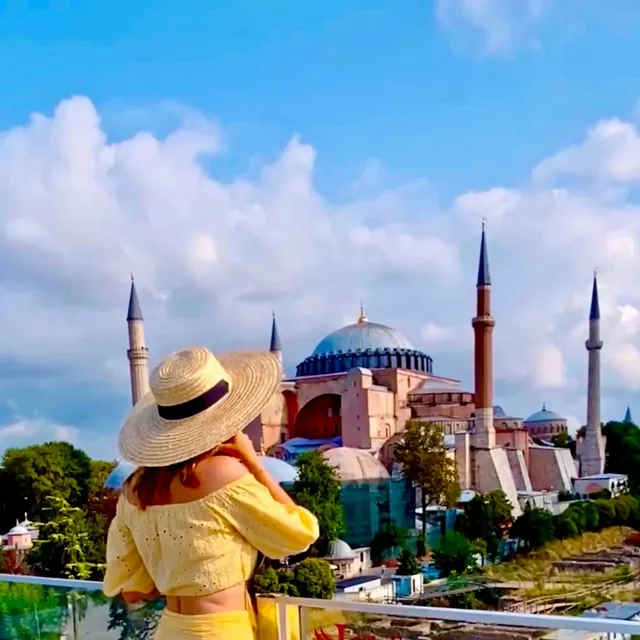
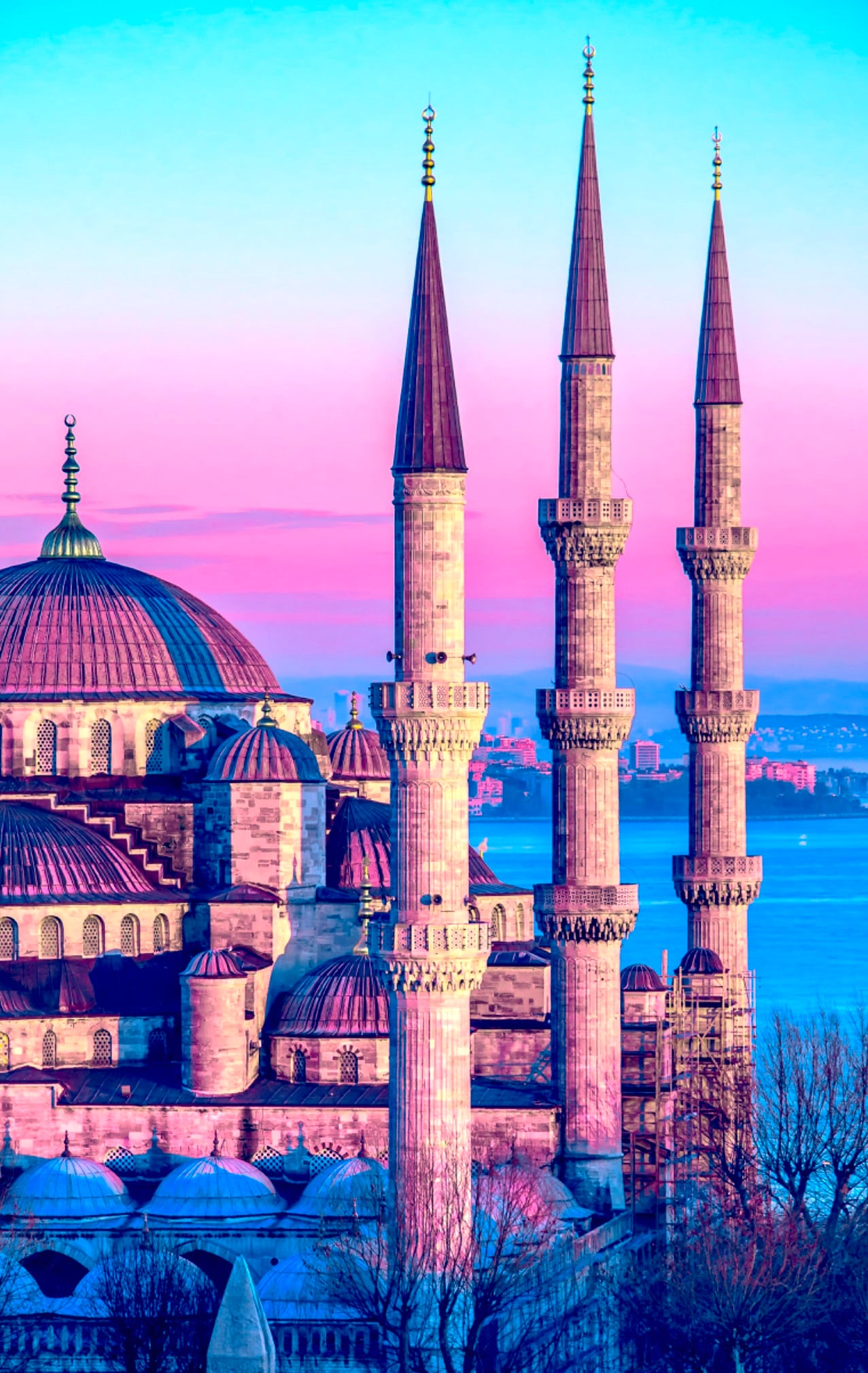
If you are planning a wider day around Sultanahmet Square, it helps to understand the mosque not just as a monument but as part of a living historic district. Its position opposite Hagia Sophia is one of Istanbul’s most memorable urban views, where two major monuments from different eras face one another across the square.
Why Was the Blue Mosque Built?
Sultan Ahmed I commissioned the mosque in the early 17th century as an imperial statement of faith and beauty facing Hagia Sophia. He was young when he took the throne and sought to leave a devotional legacy in the city’s spiritual and civic heart. The complex included not only the main prayer hall but also a madrasa, hospice, and market components, echoing the Ottoman ideal that a mosque anchors neighborhood life. When you stand in the courtyard, you can sense this intent: a gathering place for worshippers, scholars, and visitors under one vast sky.
Why Is It Called the Blue Mosque?
The name comes from the interior. Tens of thousands of İznik tiles in soft blues and sea greens lift the space with light. Calligraphic bands in elegant scripts unfold around the arches and galleries. In daylight, the color reads cool and clear; after sunset prayers, it feels deep and calm. This palette—stone, ceramic, and light—is why so many visitors remember their first sight of the prayer hall for years.
History of the Blue Mosque in Its Architecture
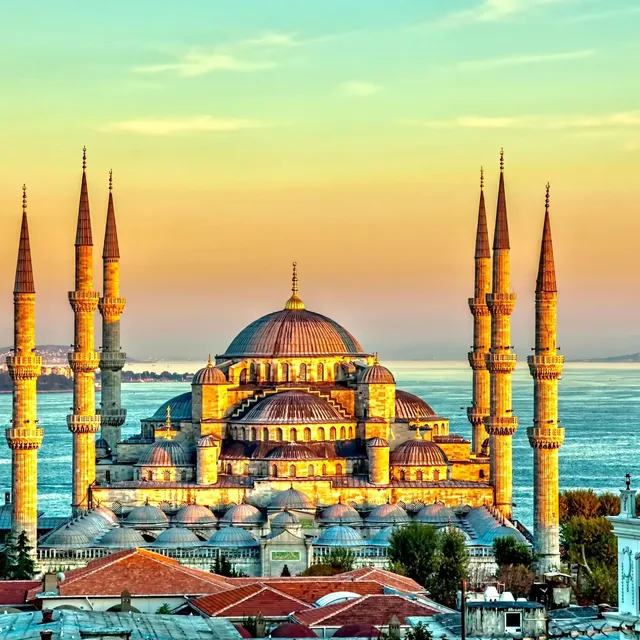
The plan is a conversation between domes and space. A central dome rests on semi-domes that step down to arcades, balancing vertical drama with a wide floor for worship. Architect Sedefkâr Mehmed Ağa, a pupil of Sinan, refined proportions so the hall feels both grand and gentle, with low-hanging chandeliers keeping light close to the people while openings high above draw your eye to the heavens.
The Famous Blue İznik Tiles
Tiles tell a quiet story of craft. Patterns echo tulips, carnations, and abstract leaves. No single panel shouts; together they form a steady rhythm that frames prayer and reflection. If you are interested in details, bring a small notebook and mark motifs you love—you will start noticing relationships across walls and arches.
The Dome and Interior Design
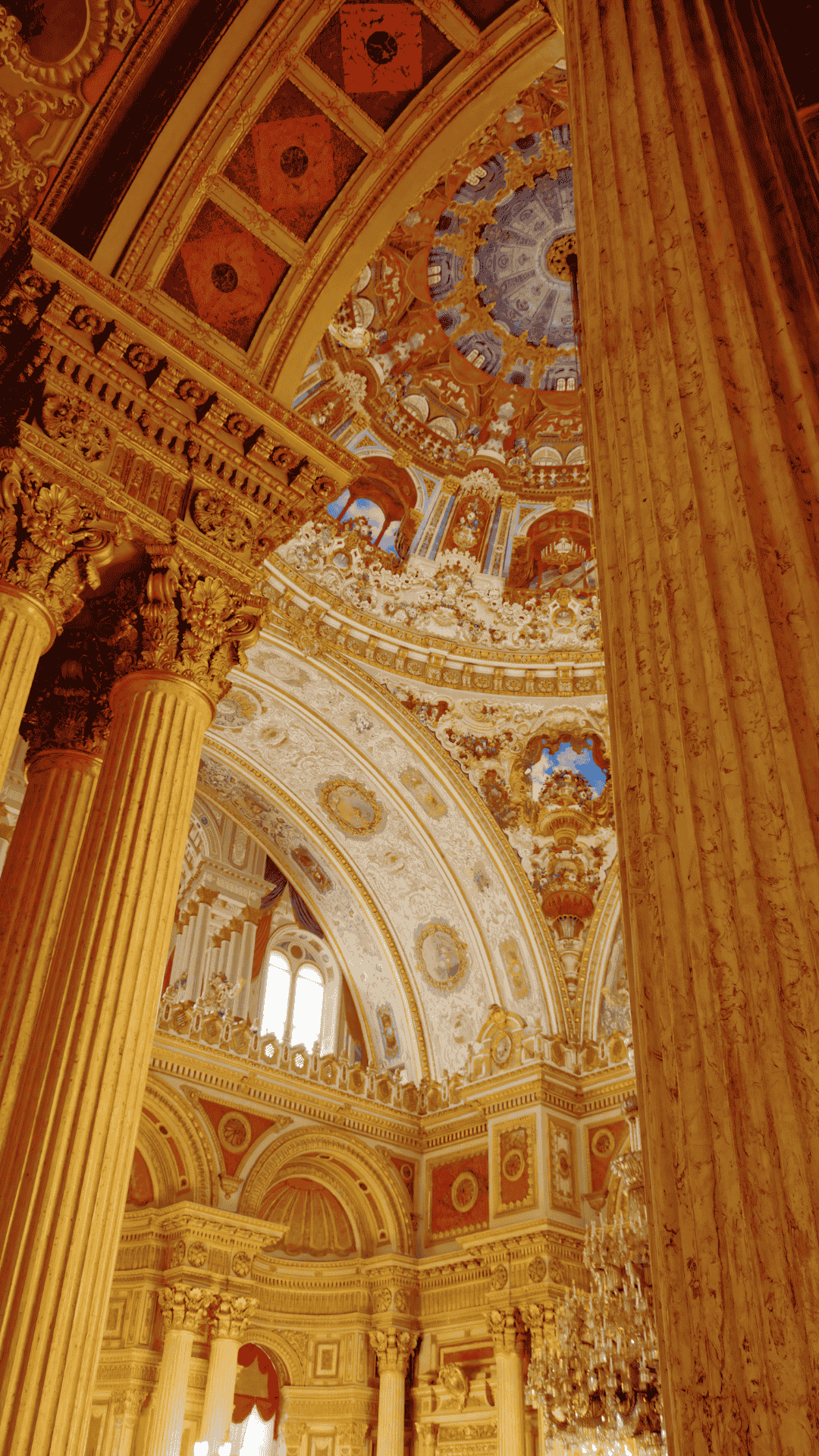
Look up and breathe. The dome and half-domes rise like layered shells. Massive piers carry the load, but careful carving and paint soften their weight. Light comes in through many windows, so the hall glows rather than glares, and the carpet absorbs sound so whispers float. This is a building designed for people to stand together in peace.
The Six Minarets Controversy
Six minarets were unusual. Tradition says the number sparked debate because the Great Mosque in Mecca also had six at that time. The solution: Mecca gained another minaret, and Istanbul kept its six. Today the skyline reads instantly: the Blue Mosque on one side of the square, Hagia Sophia on the other—two different centuries in a single frame.
What the History of the Blue Mosque Tells Us About Its Plan
Form followed devotion and community needs. The prayer hall is vast, yet circulation is clear; courts and gates handle crowds without harsh bottlenecks; and the complex supports study and charity. When you learn the history of the Blue Mosque, the architecture starts to feel inevitable—built to hold people gently at scale.
The Blue Mosque and UNESCO
The mosque sits within the “Historic Areas of Istanbul” World Heritage property, which covers Sultanahmet, Süleymaniye, Zeyrek, and the Land Walls component areas. The listing recognizes the unique skyline and layers of Byzantine and Ottoman masterpieces that define the city’s identity. You can read the official overview on UNESCO.
Visiting the Blue Mosque Today
Entry is free. Visitors are welcome outside prayer times; the mosque pauses visits around each daily prayer. Typical visiting windows published by independent guides and visitor pages show morning openings, midday pauses, and late-afternoon access, with exact hours adjusted seasonally. Always check the day’s posted schedule near the courtyard entrance.
Blue Mosque opening hours and prayer-time closures. Expect short closures five times a day; each closure often spans the call to prayer and about 60–90 minutes around it. Early morning after Fajr or mid-afternoon between prayers are calm times for photos and quiet viewing. For current transport and city-planning help, official Istanbul resources such as GoTürkiye can be useful alongside posted information at the site.
About restoration status. After a multi-year restoration period that phased areas on and off view, the mosque reopened to worshippers and visitors in 2023; visits now run normally, with only occasional localized works that do not affect the overall route.
Tips for Tourists Visiting Sultanahmet Mosque
Blue Mosque dress code. Shoulders and knees should be covered; women cover hair with a scarf. Attendants provide wraps if needed. Remove shoes before entering and carry them in the plastic bag provided. Keep voices low, avoid blocking worship spaces, and pause photos when prayers begin.
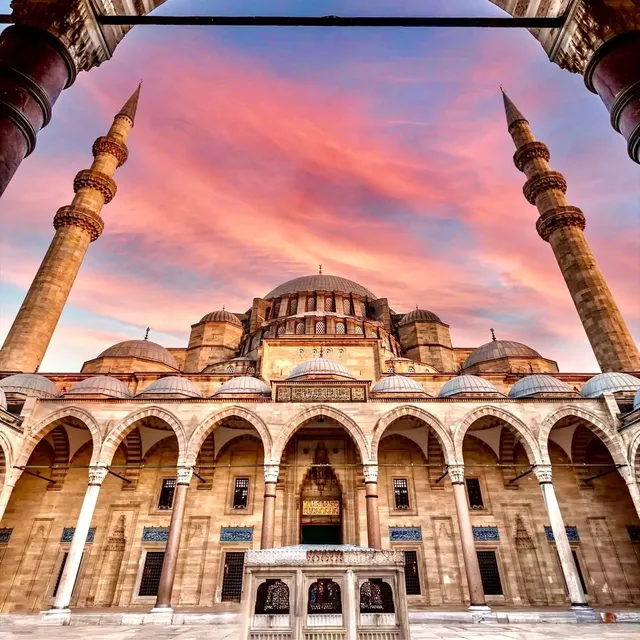
Photography and timing. Non-flash photos are polite; tripods are often restricted. If you want a wide interior shot, arrive early and work quickly so others can pass. For exterior frames, step back to the courtyard arcades and use the arches as a natural border.
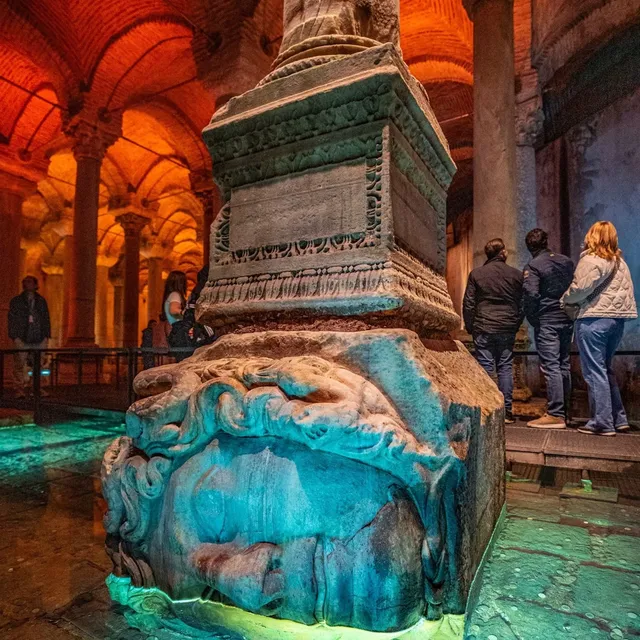
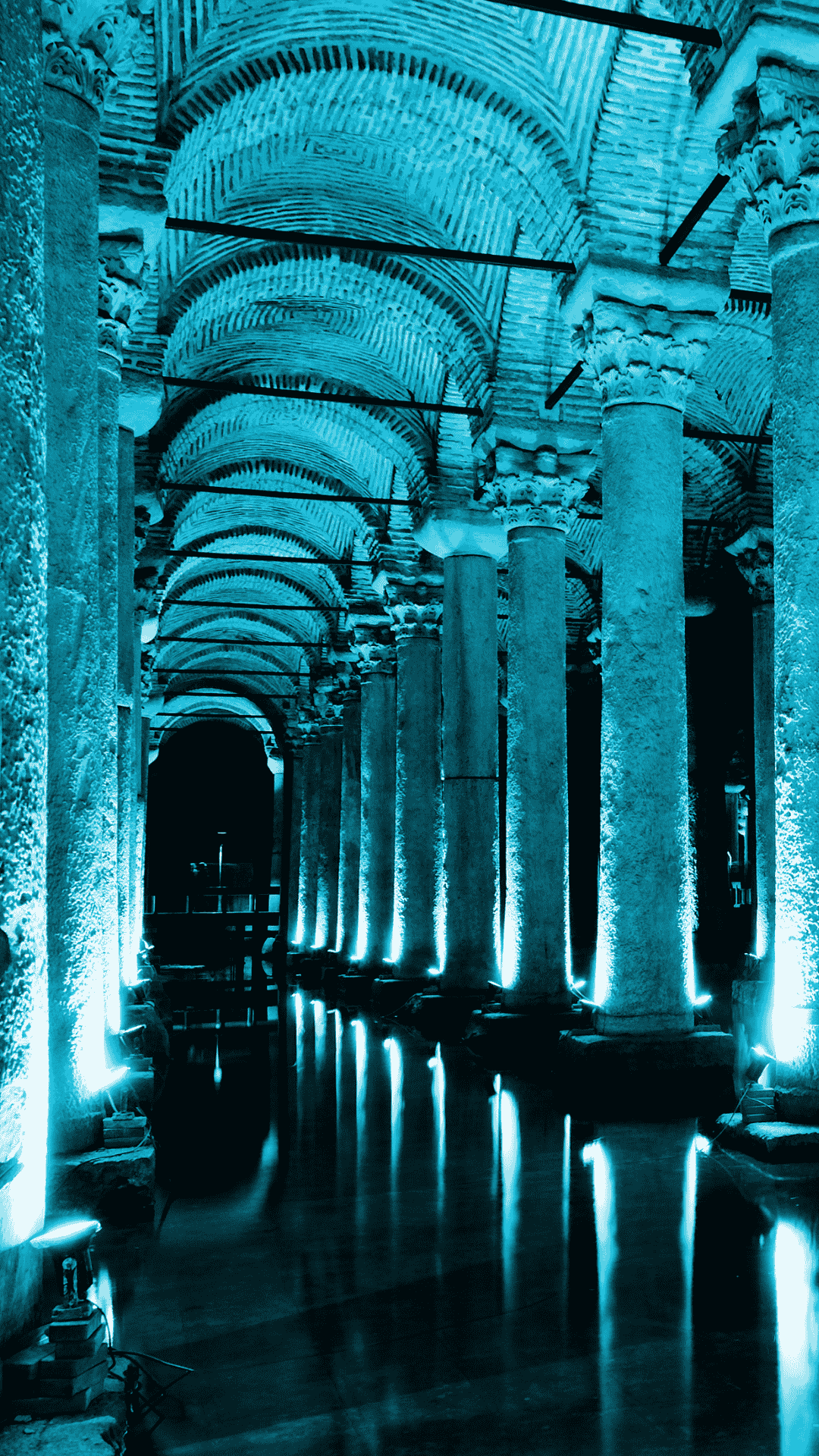
Combine your visit with nearby sights. Hagia Sophia is across the square, while Topkapi Palace and the Basilica Cistern are a short walk away. This makes the area easy to explore on foot if you want to build a classic historic-center route.
Practical Visiting Details
Opening hours and prayer times. Expect visitor access from morning to late afternoon, pausing for prayers; seasonal daylight shifts adjust exact windows. The most reliable approach is simple: check the day’s schedule at the entrance and leave a little flexibility in your plan.
Tickets and cost. There are no tickets for entry; guided tours, audio guides, or hosted experiences are optional add-ons purchased from reputable providers. If any extra services matter to you, check the official site or current provider pages before you go.
Beyond the square. After your visit, you can continue deeper into the old city or slow the pace with a walk through nearby streets. Many travelers pair the mosque with a longer Sultanahmet loop, while others use it as a quiet anchor before moving on to busier landmarks.
Closing Note
Carry two things away from your visit: a gentle sense of the history of the Blue Mosque and a calm plan for your next steps in the city. Understanding why it was built, how it was crafted, and how it lives today will color every glance at Istanbul’s skyline.