Over time, the collection was relocated several times. During the Second World War, the works were dispatched to Konya and kept indoors for protection. In 1948, the museum reopened under the name “Nautical Museum” in the boat shed of Dolmabahçe Palace. It was later moved to the “Cartwright’s Lodge” of the palace before finally settling in the former Beşiktaş Tax Office building, where it remains today. In 1970, a “Gallery of Rowboats” was constructed in the museum complex.

What to see at the Istanbul Nautical Museum
The historical rowboats gallery is the most striking part of the museum and represents its most interesting section. It includes a remarkable range of marine-related objects, with the unique imperial rowboats of the Ottoman period preserved in their original form and displayed for visitors.
The most valuable masterpiece in this gallery is the cruise galley belonging to Sultan Mehmed IV, who reigned between 1648 and 1687. This original galley is 40 meters long, 5.90 meters wide, and weighs 140 tons. It has 24 pairs of oars, each rowed by three people, making a total of 144 oarsmen. Its pilothouse is especially admired as an elegant example of Turkish craftsmanship.
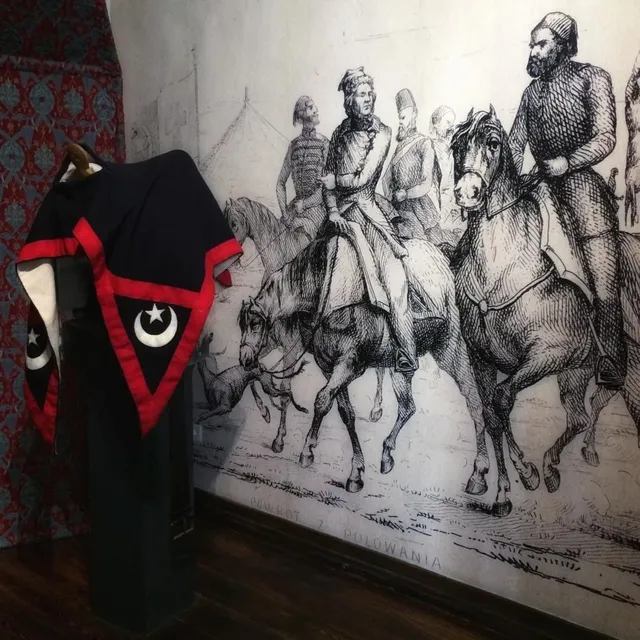
The garden of the museum has also been arranged as an outdoor exhibition area. Visitors can see the mosaic reproduction of Piri Reis’s map, three wall maps showing the boundaries of Ottoman dominance, busts of famous Turkish sailors, and other objects that are not affected by weather conditions. Original mines, torpedoes, naval cannons, and old booklets related to marine institutions are also exhibited here.
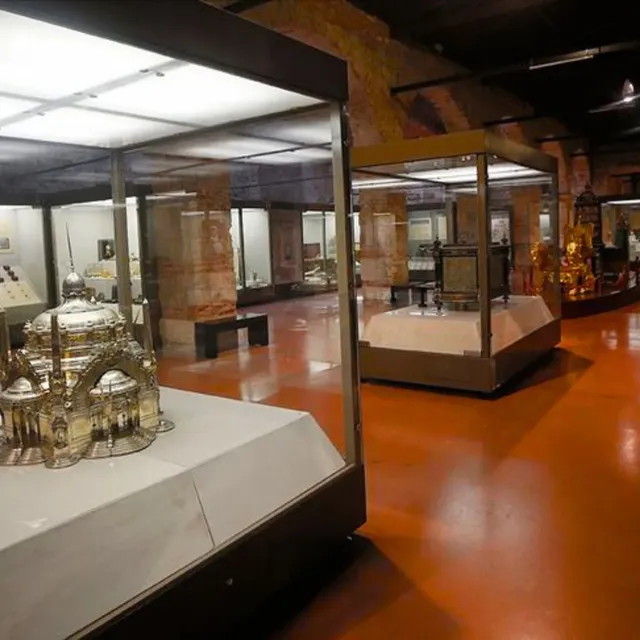
According to the museum information provided in the original text, there are currently 3,472 works of art in the Nautical Museum. In the Historical Naval Archive, around 25 million historical written documents from the Ottoman Admiralty period are hosted.
History of the museum in Beşiktaş
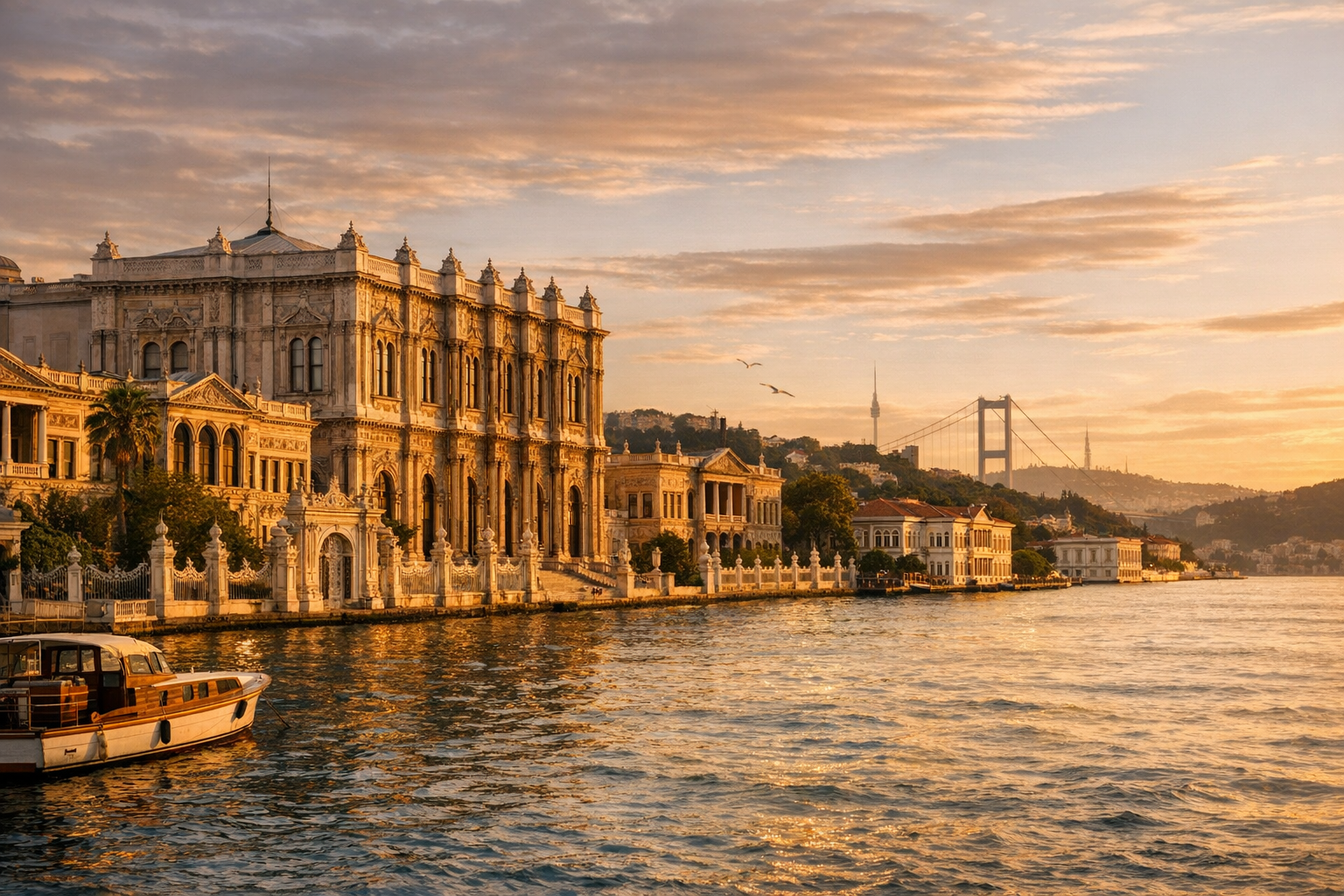
The story of the museum is closely tied to Istanbul’s maritime identity. From its beginnings in the Taşkızak Shipyard to its later years near Dolmabahçe and its current Beşiktaş location, the institution reflects the importance of naval culture in Ottoman and Turkish history. Its location near the waterfront also makes it a natural stop while exploring the Bosphorus side of the city.
If you are planning a day in Beşiktaş, the museum can be combined easily with nearby landmarks and a walk along the shore. Many visitors also pair the area with a Bosphorus Cruise to experience Istanbul’s maritime heritage from the water as well as from the museum galleries.
Visitor information
The museum can be visited on all days of the week between 09.00 and 17.30, except for Monday and Tuesday.
- Location: Near the Barbaros Hayrettin Pier, Beşiktaş
- Telephone: 0212 327 43 46
As schedules and entry policies may change, it is wise to check official sources before your visit. For broader background on the institution and its history, you can also review resources such as Wikipedia and transport updates from IETT if you plan to arrive by public transit.
Why visit
The Istanbul Nautical Museum stands out because it preserves a rare part of the city’s heritage that many travelers overlook. While Istanbul is often explored through imperial palaces, mosques, and bazaars, this museum offers a focused look at the Ottoman naval world through original ceremonial boats, military objects, maps, and archives. It is especially rewarding for visitors already exploring nearby Beşiktaş landmarks or heading toward the Bosphorus waterfront.
For travelers interested in Ottoman history more broadly, the museum also complements visits to places such as Topkapi Palace, where imperial life can be understood from a different perspective.