
Suleymaniye Mosque
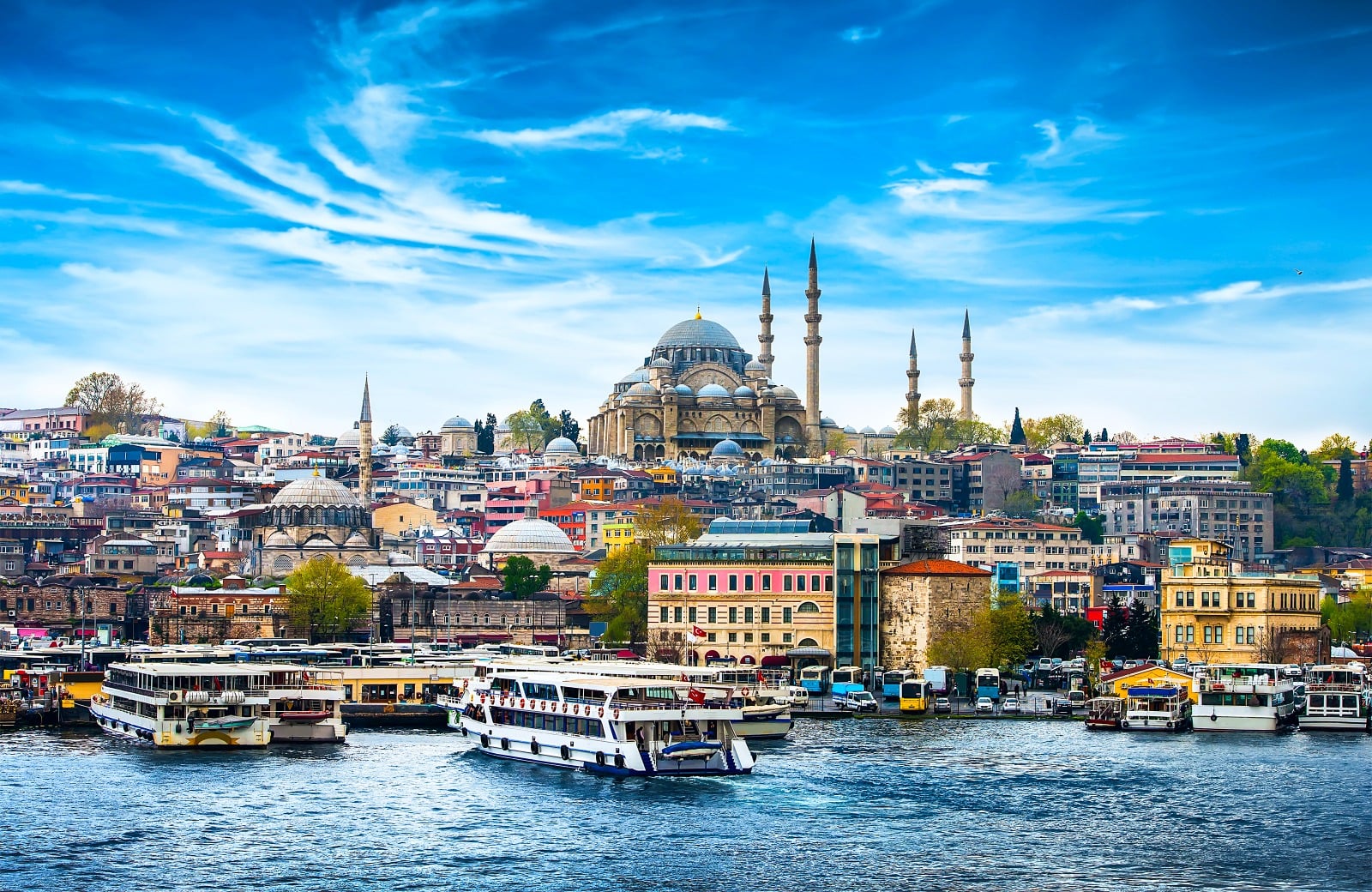
Among the many imperial mosques in Istanbul, the Suleymaniye Mosque is one of the most striking. That impression comes not only from its immense scale, but also from its magnificent hilltop setting, historic importance, and grand design. As one of the city’s most imposing landmarks, it is hard to miss and even harder to skip on an Istanbul itinerary.
History of the Suleymaniye Mosque
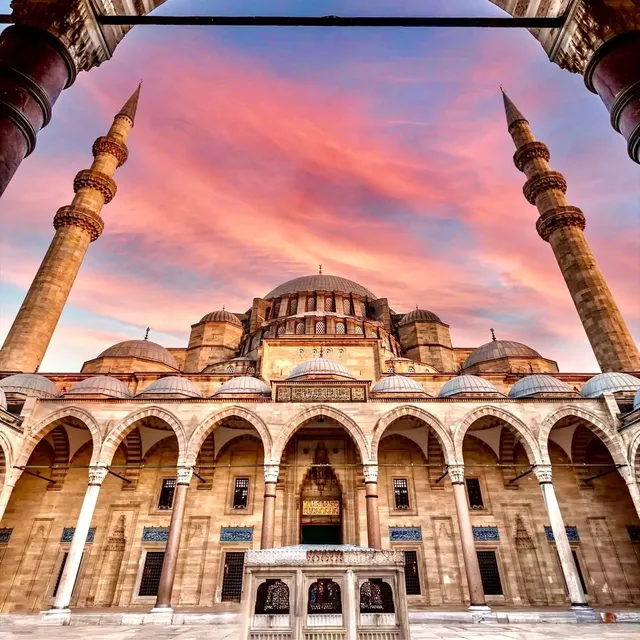
The Suleymaniye Mosque stands atop one of the seven hills on which Istanbul was built. Because of this setting, it is both a major city landmark and one of the places that offers visitors some of the best views in the city. The mosque was built between 1550 and 1557 by the Ottoman Empire’s most famous imperial architect, Mimar Sinan, on the orders of Suleyman I, also known as Suleyman the Magnificent.
But the complex was never intended to serve only as a place of worship. The Suleymaniye Mosque was planned as a large social and religious complex that once included a soup kitchen, a library, a madrasa, a preparatory school, and gardens for leisurely walks. While the mosque remains an active place of worship, some sections of the larger complex are no longer used in their original way and serve visitors in different forms today. For example, what was once a soup kitchen is now a small cafe called Daruzziyafe, where you can enjoy a cup of tea.
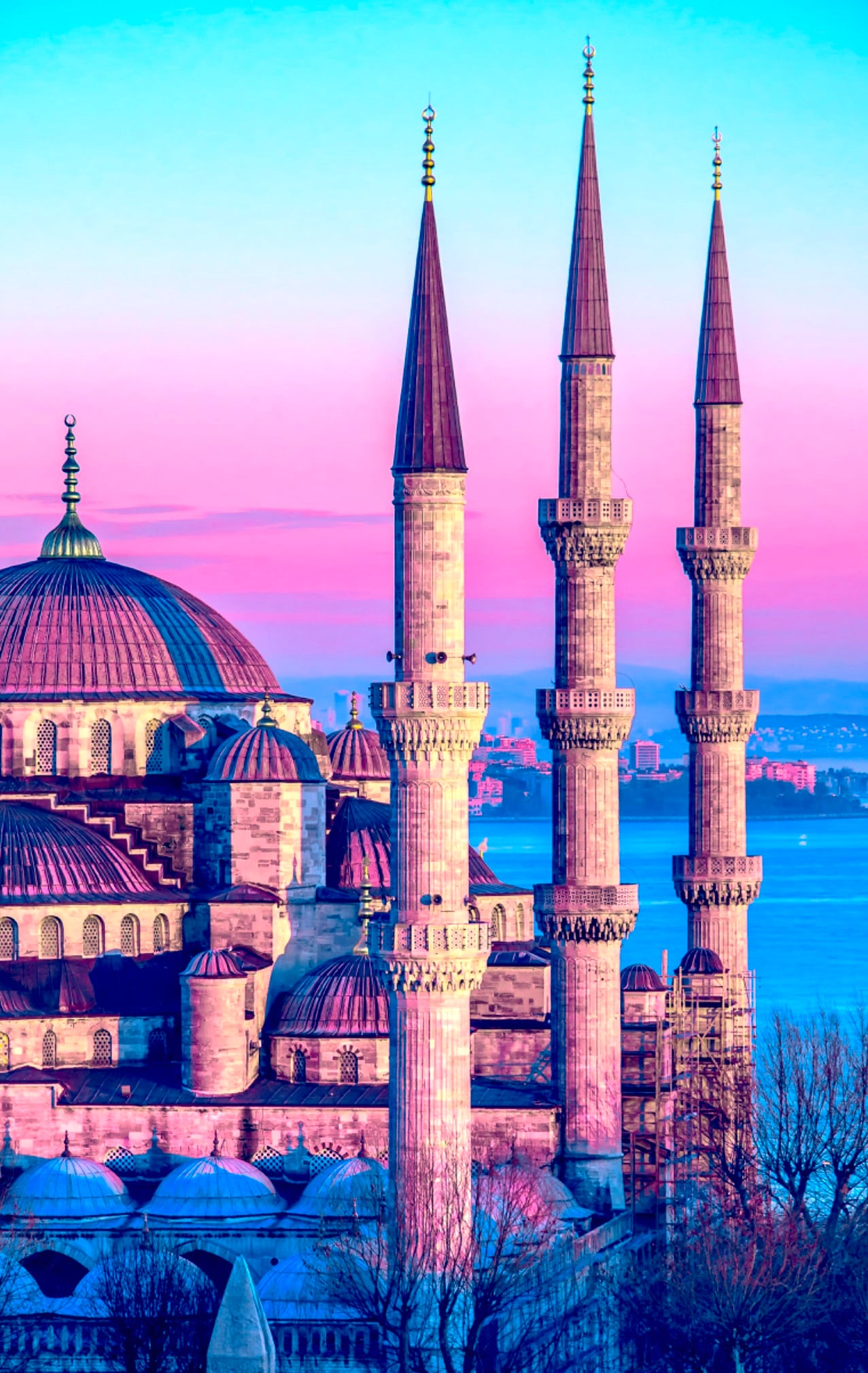
The mosque carries enormous historical value for several reasons. First, it was built by Mimar Sinan, often considered the most talented Ottoman architect. Second, the grounds hold the tombs of major historical figures: Suleyman the Magnificent and his wife Hurrem Sultan, formerly known as Roxelana, are buried here. The mosque was also conceived as a testament to Suleyman I’s accomplishments during his reign. Its four minarets are said to signify that Suleyman I was the fourth sultan to rule after the foundation of the Ottoman Empire.
Suleymaniye Mosque in Recent History
The mosque has gone through major restoration more than once. The first major restoration took place in the 17th century after a fire in 1660 caused serious damage. After the fire, architect Fossati was commissioned to oversee restoration work. During that process, the interior style changed considerably, taking on more baroque characteristics. As a result, the mosque’s earlier interior appearance can no longer be known in full.
Later, during World War I, the courtyard was used as a weapons depot. Another fire broke out during this period and caused further damage. The mosque was restored again, with the second major restoration completed in 1956.
Visiting the Suleymaniye Mosque
The Suleymaniye Mosque is open to visitors every day of the week. Visiting hours are given as 9 am to 6 pm, except during prayer times. Entry is free, though donations are encouraged. As opening times and visitor rules may change, it is wise to check current information before you go.
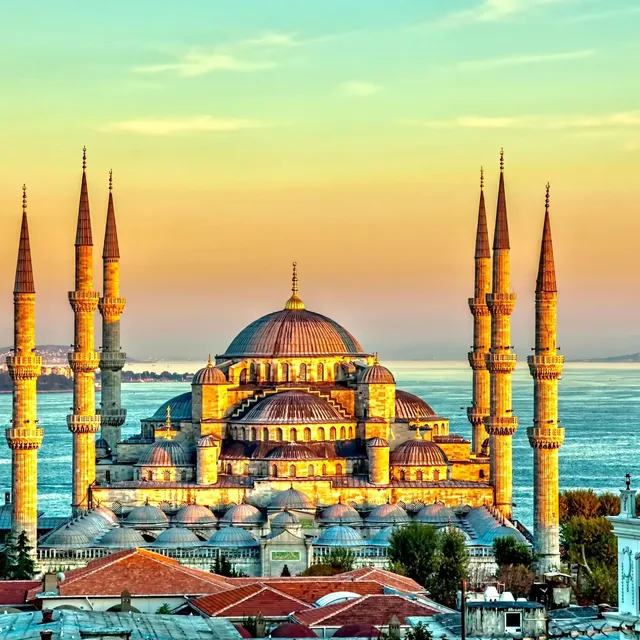
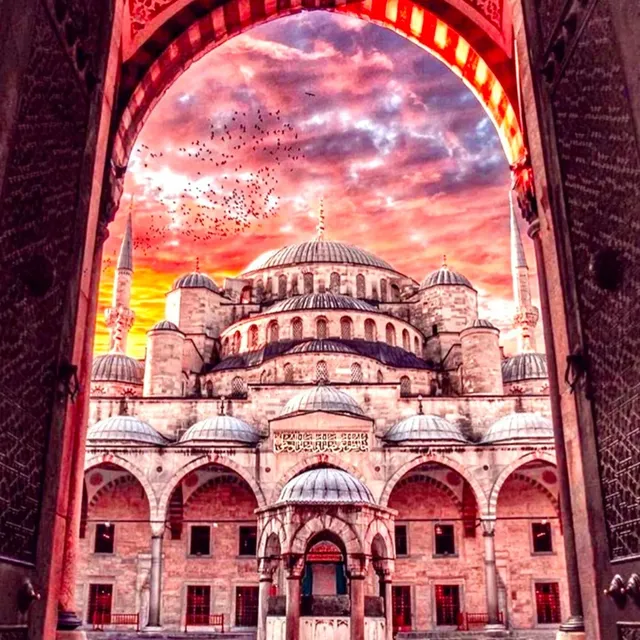
Because of its strategic location, the mosque offers more than an impressive interior and skyline presence. It is also close to several of Istanbul’s best-known sights. You can combine your visit with the Blue Mosque, the Grand Bazaar, or the Spice Bazaar. If you enjoy walking through historic districts, this part of the city rewards you with both monuments and panoramic views.
One practical route is to begin your day at the Grand Bazaar, walk on to the Suleymaniye Mosque, and then continue downhill toward the Spice Bazaar. If you do the route in reverse, be prepared for a steeper uphill walk from the Spice Bazaar side. Travelers comparing the city’s great imperial mosques often pair a visit here with the Blue Mosque to decide which atmosphere they prefer.
For broader background on the monument and its architectural context, you can consult resources such as Archnet or the overview on Wikipedia.
Why Visit the Suleymaniye Mosque?
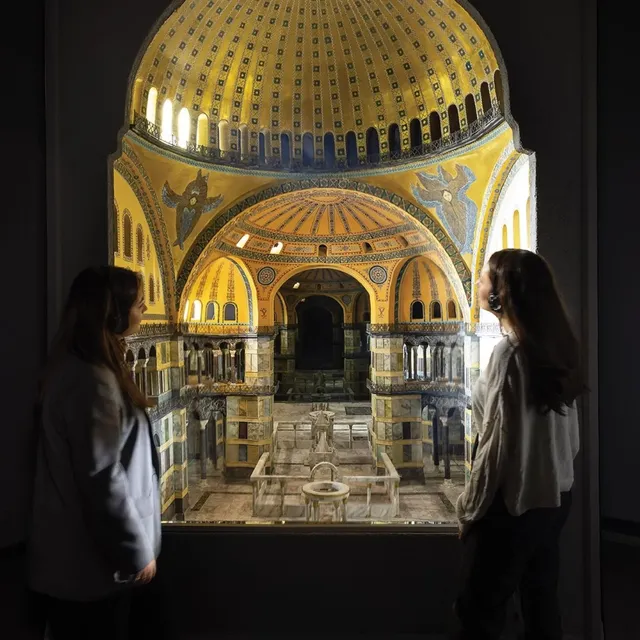
What makes this mosque especially memorable is the combination of architecture, history, and setting. It is an active religious site, a major work of Mimar Sinan, the resting place of Suleyman and Hurrem Sultan, and a viewpoint over Istanbul all at once. Even visitors who have already seen famous sites such as Hagia Sophia often find that Suleymaniye offers a calmer and more spacious experience.
If you want to understand the power, aesthetics, and urban vision of the Ottoman Empire in one place, the Suleymaniye Mosque remains one of the clearest places to do it.