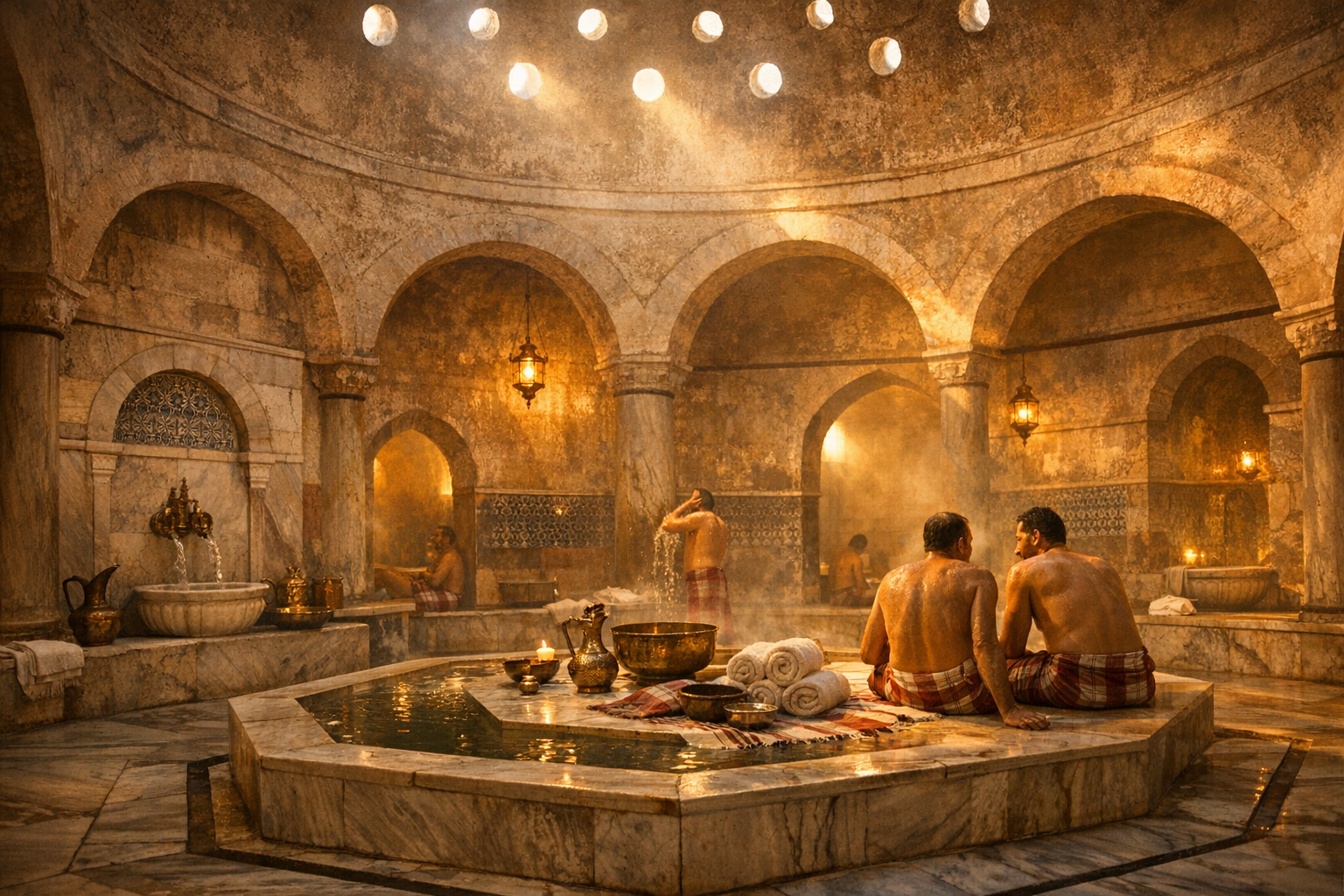
With their colorful ceremonies, remarkable architecture, and traditional objects that reflect the richness of Turkish culture, hammams have long attracted visitors from around the world. They also became a subject of interest for many European artists. Even though they are not used as widely today as in the past, they remain an important cultural heritage that deserves to be preserved.
As a living part of Anatolian culture in Istanbul, these baths continue to fascinate both locals and travelers. Below, we have compiled several mesmerizing hammams worth visiting, including the Turkish bath that was listed among the New York Times’ “1000 Places to See Before You Die.” If you want a broader introduction before choosing one, see our guide to the Turkish Bath (Hammam) experience in Istanbul.
Historic Turkish Bath Places in Istanbul to Visit
Çemberlitaş Turkish Bath
Çemberlitaş Turkish Bath stands out with its unique story and its location near some of Istanbul’s most visited landmarks, including Hagia Sophia, Sultanahmet, the Grand Bazaar, the Spice Bazaar, and Eminönü. Because of this central position, it easily ranks among the memorable things to do in Istanbul.
The bath dates to the 16th century and is also described as the longest-running business in Turkey. It was built by Mimar Sinan at the request of Nurbanu Sultan, the wife of Sultan Selim II, to generate income for the Valide-i Atik Complex in Üsküdar. The structure is striking for its geometric form and its entrance inscription. As one of the works from Sinan’s late master period, it carries traces of the famous architect’s craftsmanship in nearly every detail.
Historical Galatasaray Turkish Bath
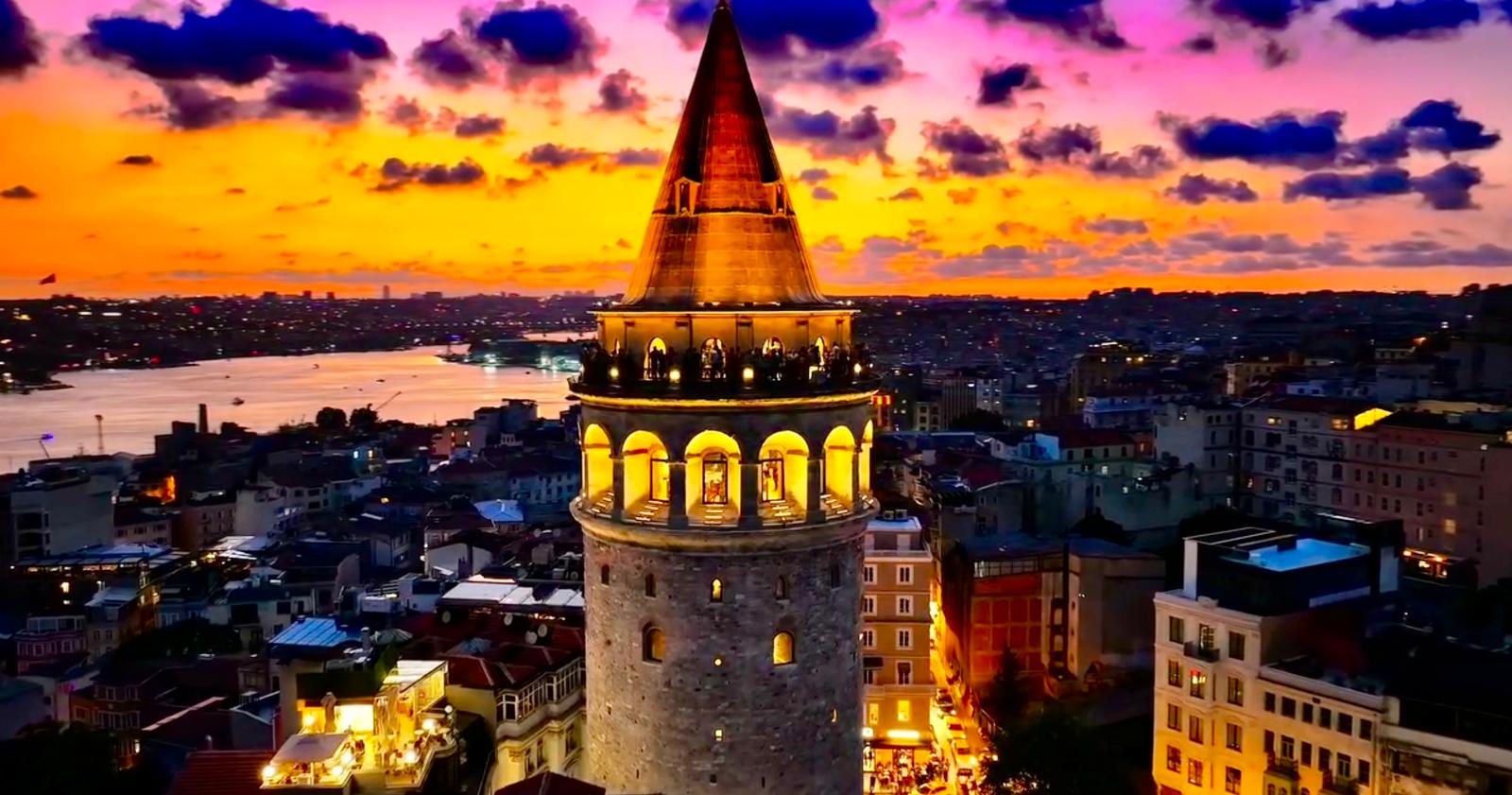
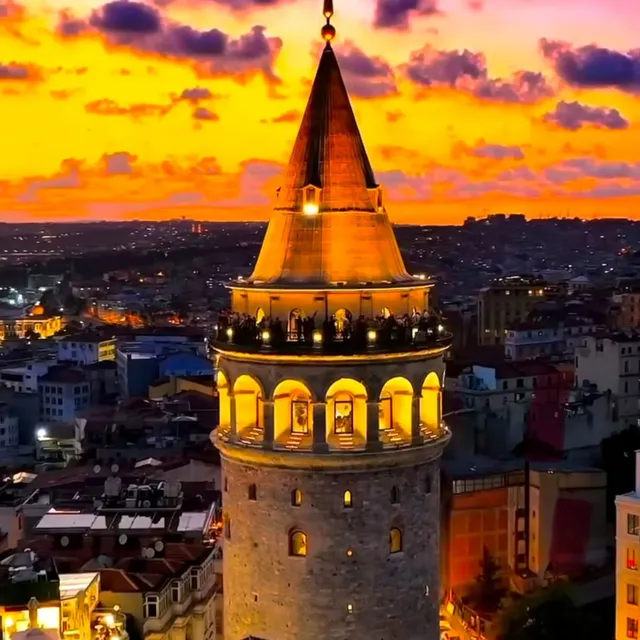
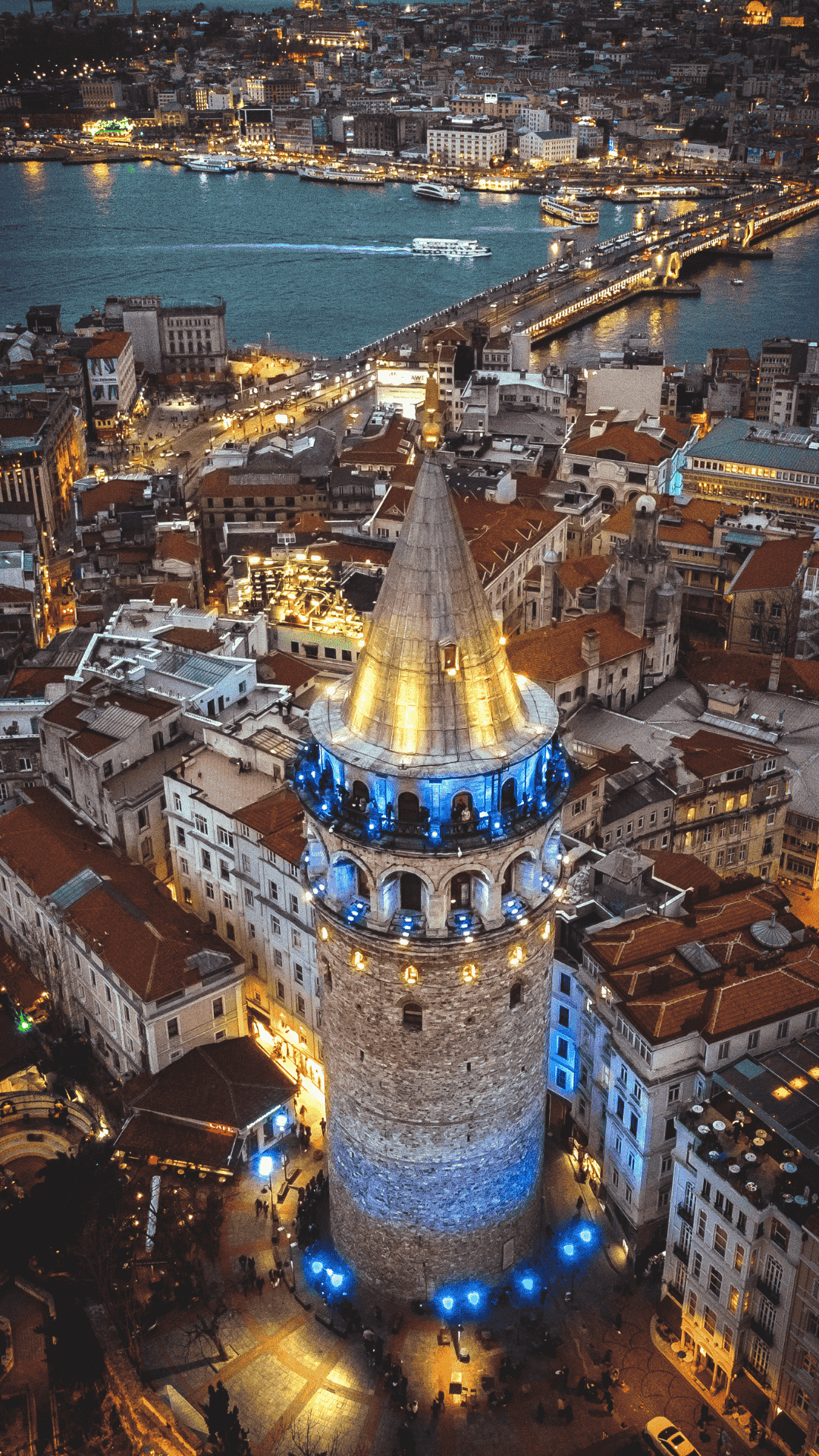
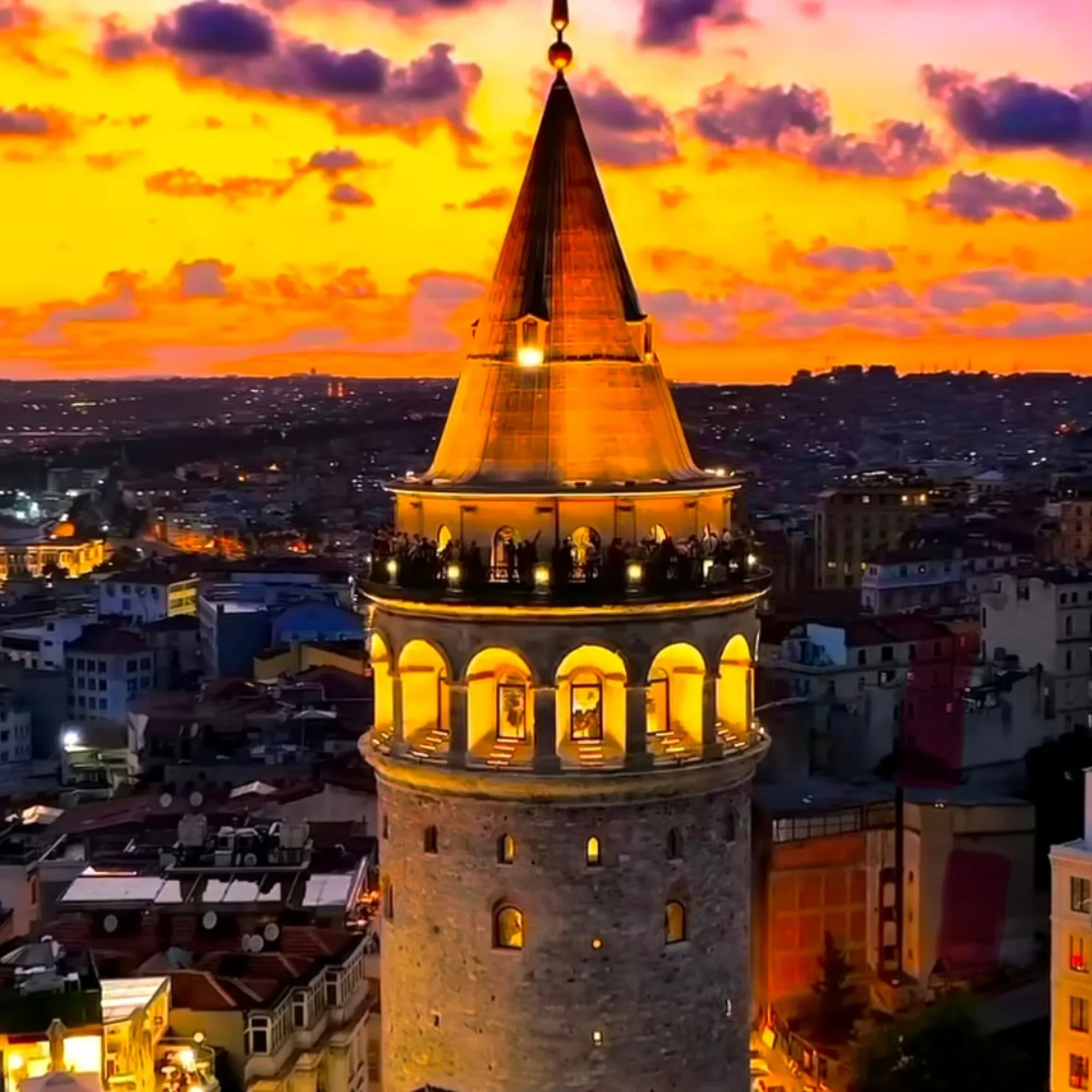
In the final centuries of the Ottoman Empire, Istanbul was home to many communities living side by side. Beyoğlu, formerly known as Pera, was one of the city’s most culturally diverse districts. Today, it is still known for its closeness to landmarks such as Galata Tower, Galatasaray High School, Istiklal Street, and Taksim Square.
Galatasaray Turkish Bath was built in 1481 at the request of Sultan Bayezid II. Along with its notable architecture, the hammam is remembered for its story. According to the account, Sultan Bayezid met Gül Baba, a respected figure of the period, while strolling through the area where Galatasaray High School now stands.
Gül Baba asked the sultan to build a complex that included a large school and a large hammam that would survive for centuries. Sultan Bayezid accepted this wish, and Galatasaray High School—where many figures important to Turkish literature were educated—was established together with Galatasaray Turkish Bath in 1481.
Çinili Turkish Bath
Çinili Turkish Bath, located in Üsküdar and reachable by public transportation, is another bath worth visiting in Istanbul. Dating to the 17th century, it has impressed many artists with its historical qualities and beautiful architecture. It has also appeared in films and photographs.
Today it remains one of the important tourist attractions on the Asian side of the city. Built by order of Kösem Sultan, the bath was part of a complex that also included four other structures, including a mosque, a library, and a police station. Although it is known as the “tiled” bath, the tiles that gave it this name were unfortunately stolen and never found again.
Cağaloğlu Turkish Bath
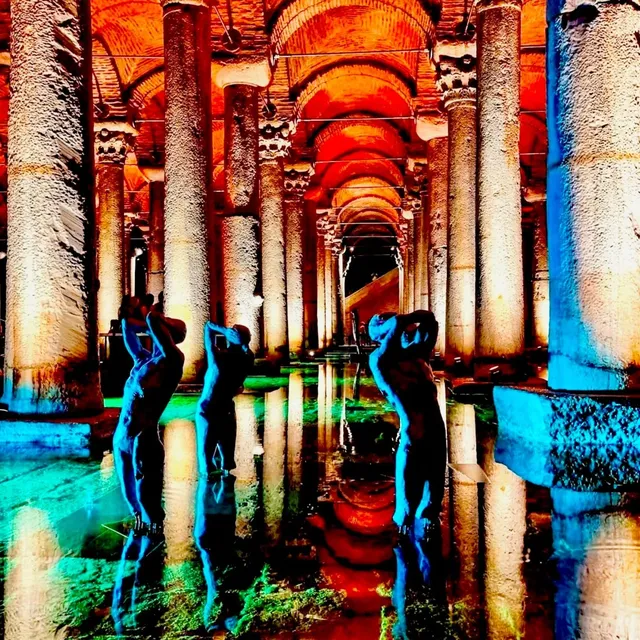
Cağaloğlu Turkish Bath is another notable stop for anyone interested in Istanbul’s historic hammams. Located in the Fatih district, it is close to the Basilica Cistern and can be reached easily by public transportation.
Dating to the 18th century, Cağaloğlu Turkish Bath was built by Sultan Mahmut to provide income for the Sultan Mahmut Library located in the Hagia Sophia Mosque. Its Baroque style sets it apart from the classical Ottoman baths and makes it the latest example of this architectural type in Istanbul.
Cağaloğlu is also the only hammam included in the New York Times’ list of “1000 Places to See Before You Die.” The bath has remained an important attraction for many years, and it is also associated with an engraving published in 1838 by the Irish writer Robert Walsh.
Ağa Turkish Bath
Ağa Turkish Bath is located about 400 meters from Taksim Square, one of Istanbul’s best-known urban centers. It was built in 1454 by order of Fatih Sultan Mehmet, one year after the conquest of Istanbul. The site was once used as a hunting ground for the sultan and his sons, and for that reason the structure was initially built as a hunting lodge, with the upper floor serving as a hammam.
Until the final years of the Ottoman Empire, Ağa Turkish Bath differed from other hammams in Istanbul because it was reserved exclusively for sultans. After the establishment of the Republic of Turkey in 1923, it was purchased by an Armenian woman and opened to public use for the first time.
Why These Hammams Still Matter
These baths are not only places to unwind; they are also witnesses to Istanbul’s architectural, social, and cultural history. Their foundations were linked to charity, public life, and imperial patronage. Their continued presence helps preserve a tradition that shaped everyday life in the city for centuries.
If you plan to visit one, it is a good idea to check the official website or current visitor information in advance, since services and access details may change over time. For more background on Turkish bath culture in Turkey, you can also consult GoTürkiye and general historical context at Britannica.
What Is Istanbul Tourist Pass
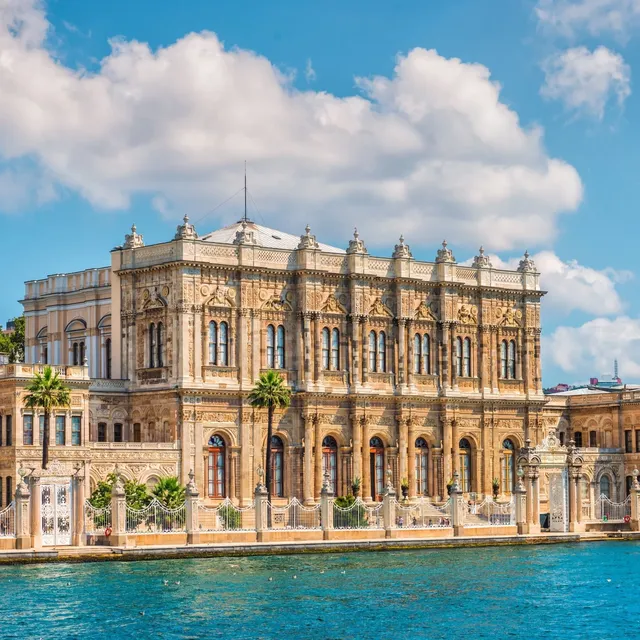
The Istanbul Tourist Pass gives access to more than 40 attractions, including some of Istanbul’s best-known sights such as Hagia Sophia, Dolmabahce Palace, and the Basilica Cistern. According to the original claim, these attractions are included in the price of the pass, and visiting all included attractions may cost more than buying the pass itself. Since inclusions and savings can change, it is best to check the official provider site for current details.