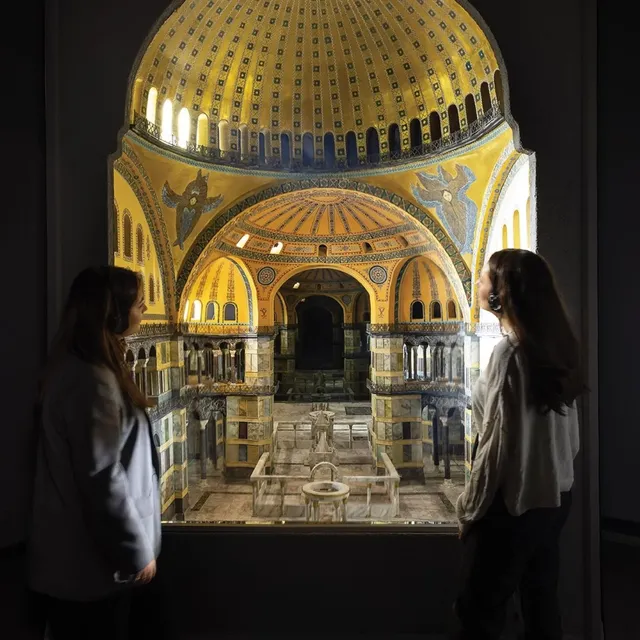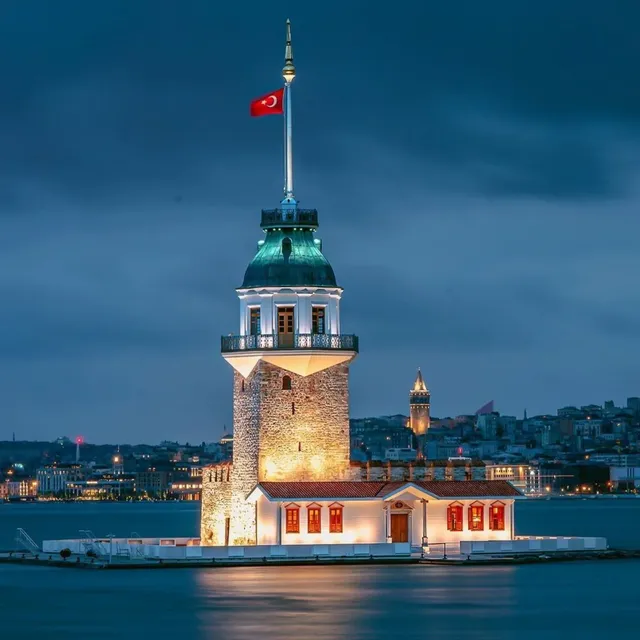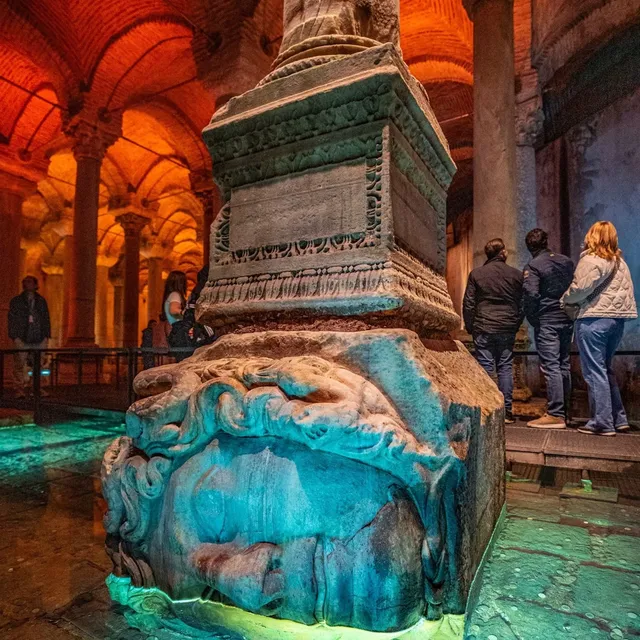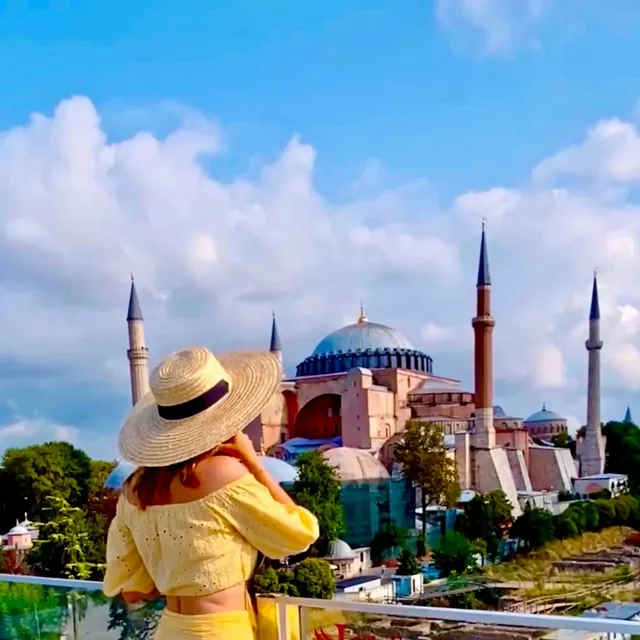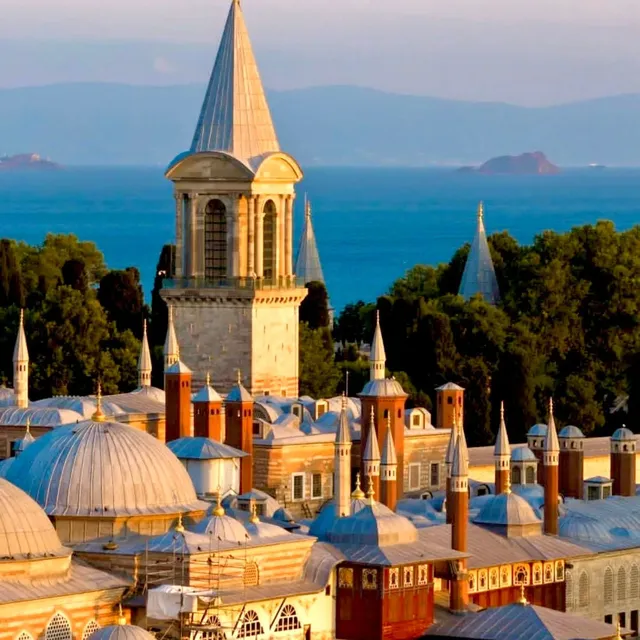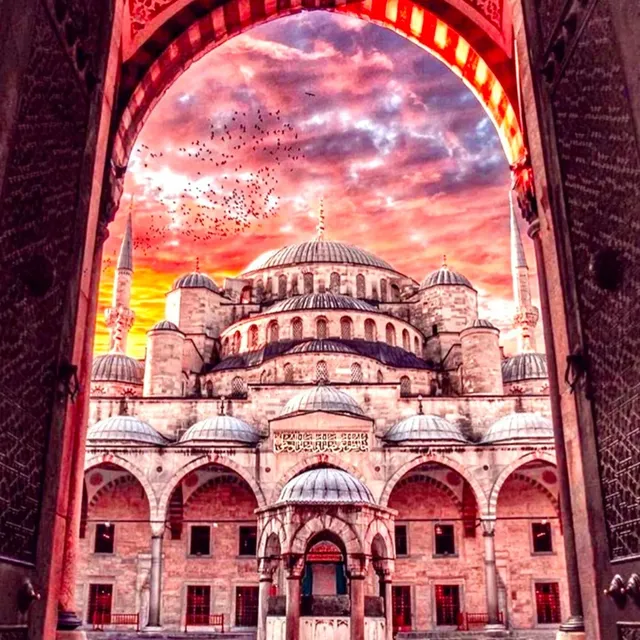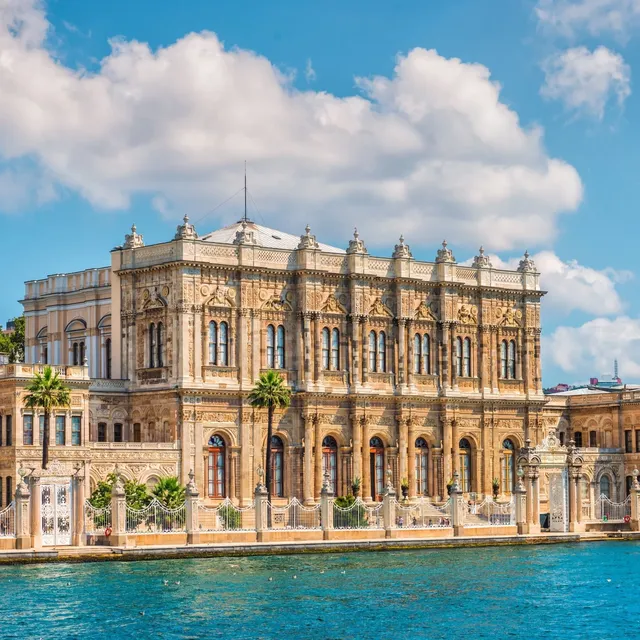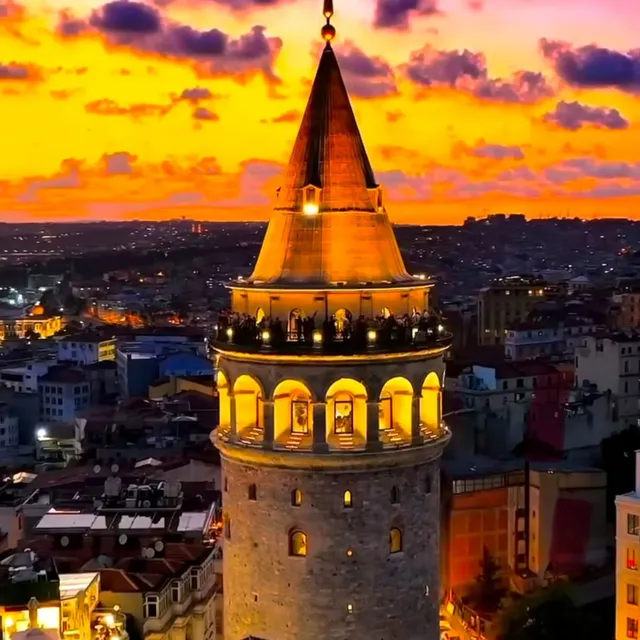
Istanbul, often seen as Turkey’s cultural capital, is a compelling place for people looking to live in Turkey. As Turkey’s economic center, with a population of 17 million people and world-famous sights such as Hagia Sophia, the city draws people from across the globe, especially those hoping to work or invest in Turkey. Istanbul also stands out for its infrastructure and ongoing property development projects. Alongside these developments, public transportation continues to expand, making daily life more connected across the city.
Because of its economic potential, Istanbul is associated with some of the country’s most important infrastructure developments. The third bridge over the Bosphorus, together with connections to Istanbul Airport, has helped encourage further real estate development and long-term urban expansion. For practical public transport information, expats can also check official networks such as Metro Istanbul and IETT.
Expat in Istanbul: accommodation and neighborhoods
The cost of living in Istanbul is often considered low compared with many other European cities, and there are options for both families and single expats. Still, apartment quality can vary significantly from one neighborhood to another, so location matters. Some Anatolian districts, such as Kuzguncuk and Beylerbeyi, are known for their historical character. Since these areas are also close to the Bosphorus, living there can be especially appealing.
Apartments in the city center may be rented for as low as 2,500 Turkish Liras per month, while prices usually rise closer to the shoreline. A basic flat in Bebek or Kadikoy may cost around 4,000 Turkish Liras. Rentals are highest in Şişli and Beşiktaş, where prices typically start at 3,000 liras and may reach 15,000 liras. For a more affordable flat, the inner parts of Şişli and Mecidiyeköy are often worth considering, with rents ranging from 2,000 to 4,000 liras. As rental markets change quickly, it is wise to verify current prices before signing a contract.
When choosing an area, many expats balance commute times, budget, and lifestyle. Bosphorus-side districts may offer charm and scenery, while more central locations can make access to work and transport easier. Neighborhoods on both the European and Asian sides have their own rhythm, so it can be helpful to explore several parts of the city before deciding where to settle.
Working for expats in Istanbul
Istanbul, Turkey’s economic powerhouse, accounted for 40% of the country’s overall Gross Domestic Product (GDP) in 2018. It is widely regarded as Turkey’s most outward-looking metropolis, and it offers international professionals attractive opportunities across many sectors. For anyone researching the economy and the employment market in Istanbul, the city remains one of the strongest options in the country.
The labor market in Istanbul can be accessible to foreigners. Fields such as media and the arts, as well as specialized finance, are often open to international perspectives and may be more comfortable operating in English for strong English-speakers. Foreign workers are also regularly needed in tourism, and a good command of English is highly valued in customer-facing roles in hotels and entertainment venues. In some cases, expats may also find roles at the local branch of a company headquartered in their home country.
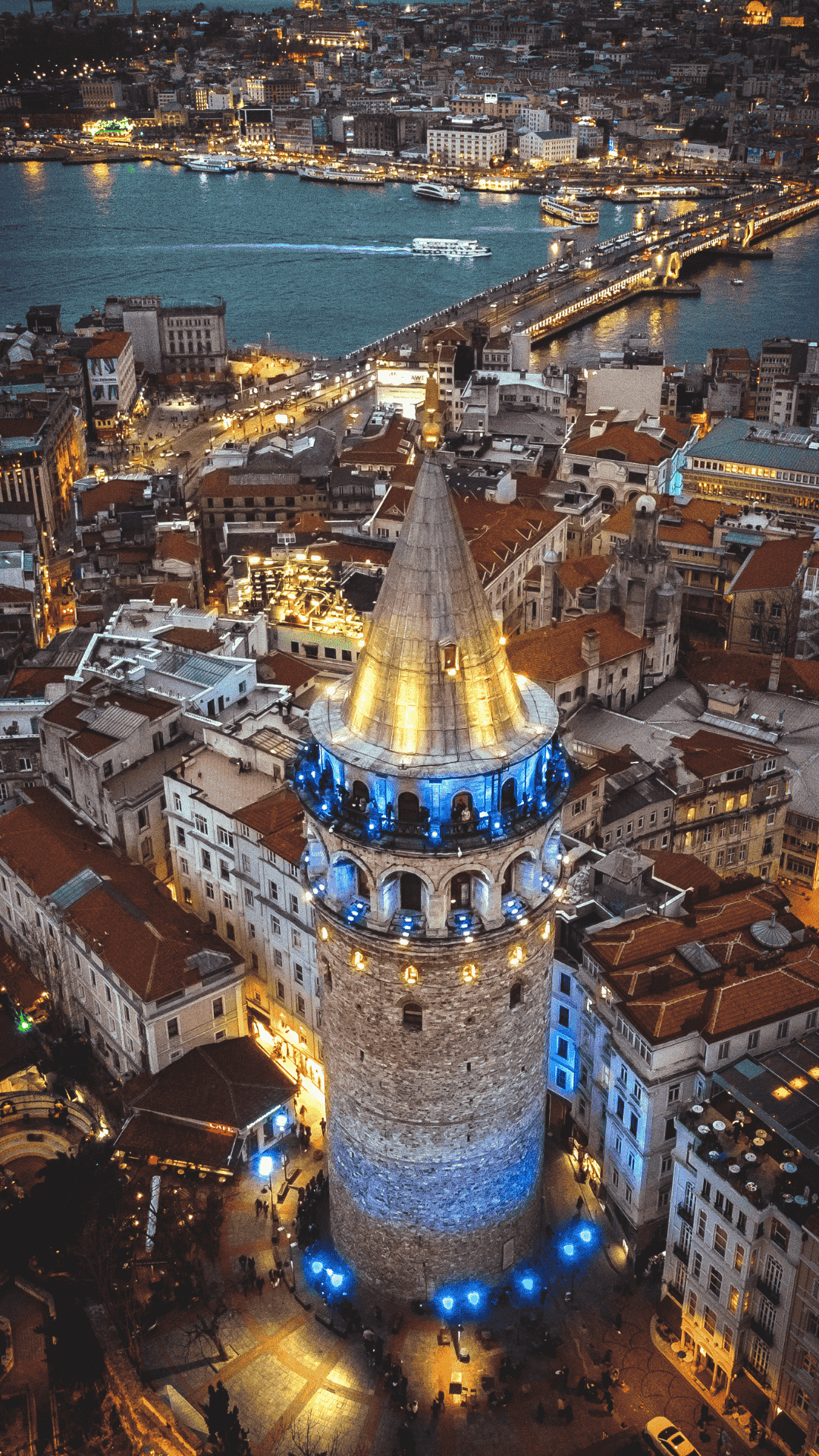
Outside work, many newcomers find that understanding the city’s layout helps them settle in faster. Central hubs such as Taksim Square can be useful reference points, while waterfront areas and historic districts reveal the mix of business life and culture that defines Istanbul. Taking time to explore places like the Grand Bazaar can also help new residents feel more connected to everyday life in the city.
How to get a job in Istanbul
Before moving or even visiting Istanbul, it is smart to contact a company or someone in the local business community. Starting with relevant professional connections on LinkedIn can be a practical first step.
A strong network is often the most useful tool for finding a job, no matter where you are relocating. If you do not yet have local contacts, attending networking events and Meetups can improve your chances of meeting the right people. For many expats, introductions and recommendations can be just as valuable as formal applications.
It is also worth preparing for a job search by updating your CV, clarifying whether your field requires Turkish language ability, and researching commute options before accepting an offer. Since Istanbul is a very large city, travel time can have a major effect on daily life.
What daily life is like for an expat in Istanbul
One of Istanbul’s biggest strengths is variety. The city combines major business districts, historic neighborhoods, cultural landmarks, and waterside communities in a way few places can. That means expats can shape very different lifestyles depending on where they live and work. Some prefer fast-paced central districts, while others choose calmer residential areas on the Bosphorus or the Asian side.
The city’s continued infrastructure growth supports that flexibility. Expanding public transport, large-scale development, and connections across the Bosphorus make it easier than before to live in one district and work in another. For many newcomers, this mix of career opportunity, cultural depth, and urban energy is exactly what makes Istanbul appealing.
If you are considering a move, the best approach is practical: research neighborhoods carefully, confirm current rental prices, begin building a network early, and learn how transport links affect your routine. With the right expectations, living in Istanbul can offer both professional opportunity and a rich day-to-day experience.
FAQ
Is Istanbul a good city for expats?
Yes, Istanbul can be a strong option for expats because it combines economic opportunity, international business activity, and a rich cultural environment. It appeals especially to people interested in work, investment, or a large city lifestyle with access to historic and modern neighborhoods.
Is living in Istanbul affordable compared with other European cities?
The original comparison in this guide suggests that living in Istanbul is relatively cheap compared with many European cities. Housing costs vary widely by district, though, and rents can rise significantly in central or Bosphorus-side areas, so checking current listings is essential.
Which areas are mentioned as good places to live in Istanbul?
Kuzguncuk and Beylerbeyi are highlighted for their historic character and Bosphorus location. Bebek, Kadikoy, Şişli, Beşiktaş, and Mecidiyeköy are also mentioned, mainly in relation to rental costs and location, giving expats a range of options depending on budget and lifestyle.
What jobs are available for foreigners in Istanbul?
The article points to opportunities in automotive manufacturing, electronics, media, the arts, specialized finance, and tourism. Customer service roles in hotels and entertainment can especially value strong English, while international company branches may also hire foreigners who speak their native language.
How can an expat find work in Istanbul?
Building a professional network is one of the most practical ways to find work in Istanbul. Reaching out to companies before arrival, using LinkedIn, and attending networking events or Meetups can help newcomers connect with employers and improve their chances of finding suitable roles.