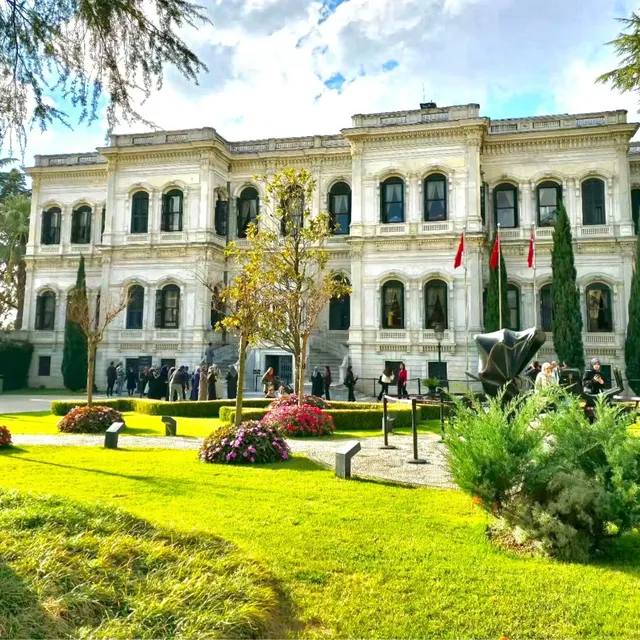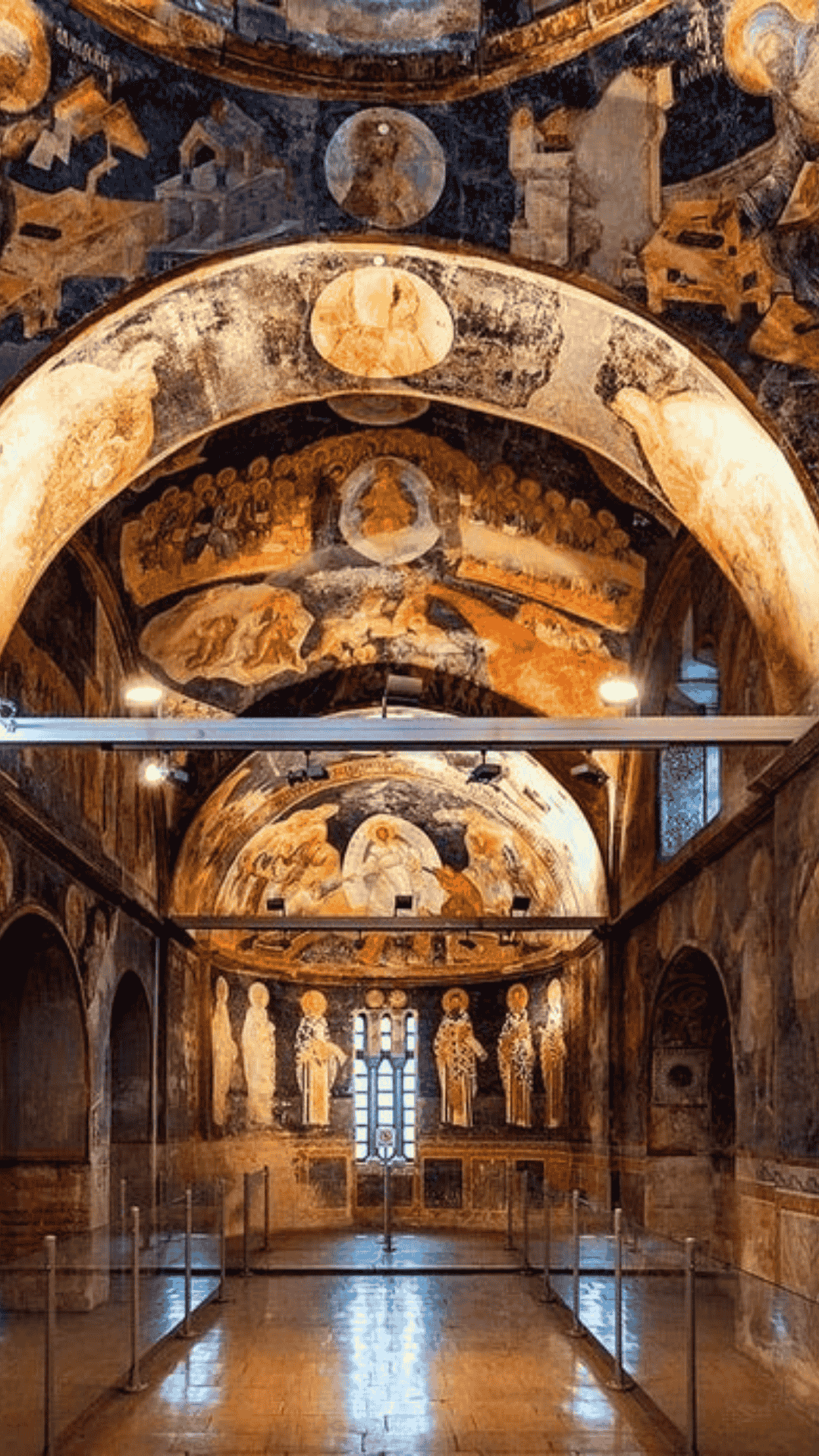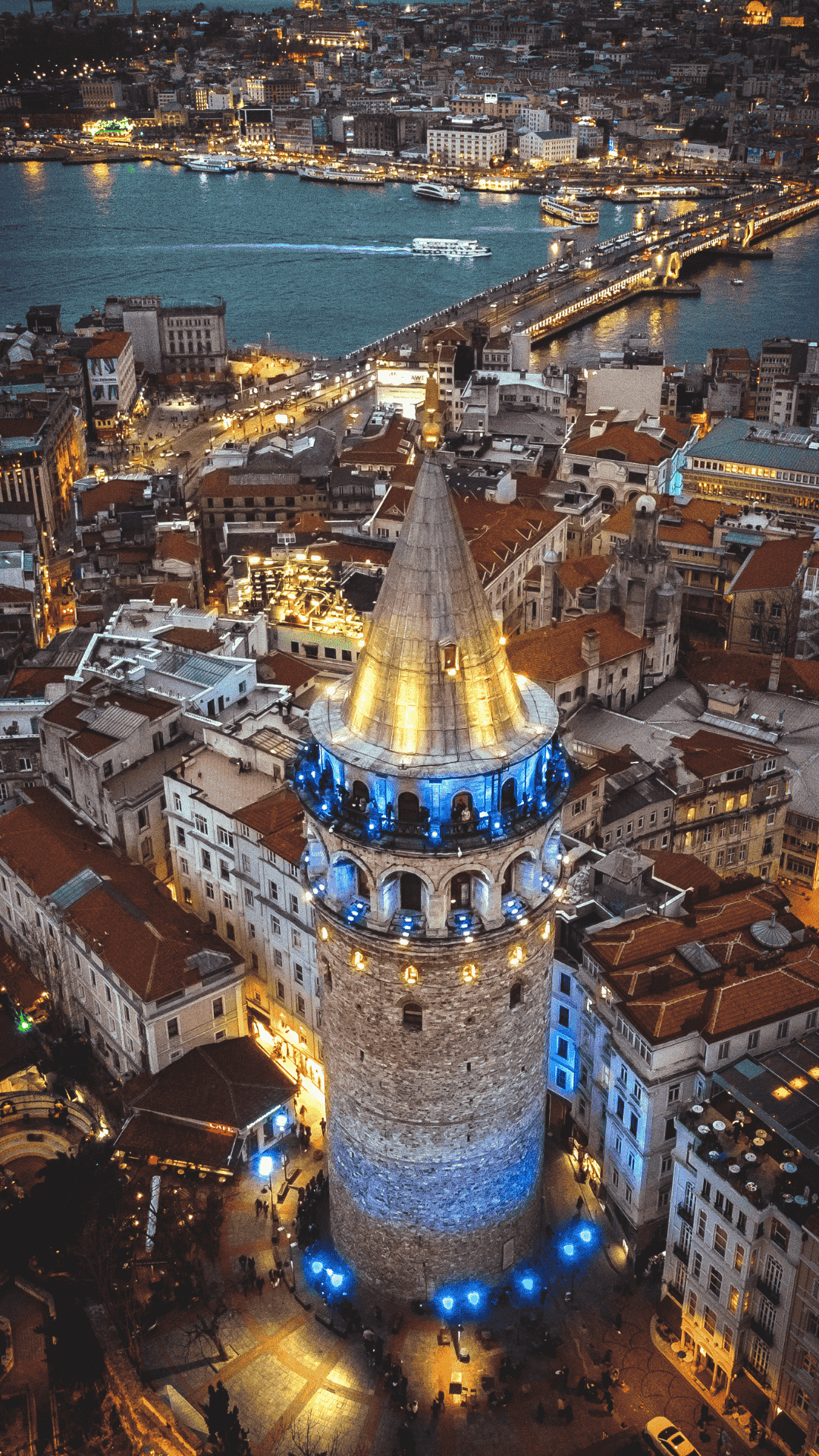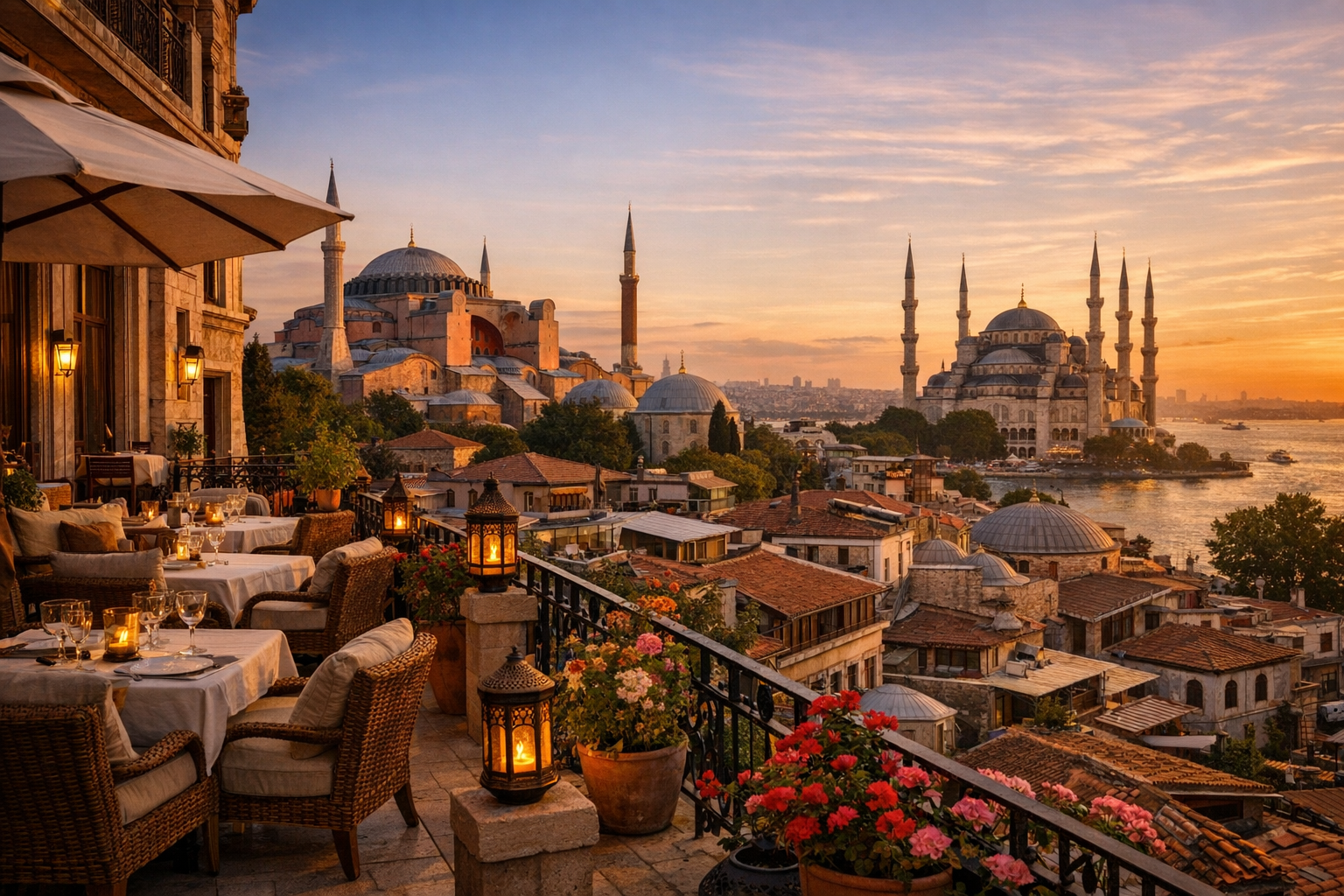
In the following years, the original villa was expanded with several villas and smaller summer palaces during the reigns of Sultan Mahmud III, Sultan Abdülmecid, and Sultan Abdülaziz. During the reign of Sultan Abdülhamid, with new building additions, it took the name Yıldız Palace and became the fourth administrative center of the Ottoman Empire after the Eski Saray (Old Palace), Topkapi Palace, and Dolmabahce Palace.
Yildiz Palace history and Ottoman importance
What makes Yildiz Palace especially notable is its role in the later Ottoman period. Rather than being a single standalone structure, it developed as a wider palace complex with different buildings added over time. This layered growth gives the site a character distinct from earlier imperial residences and helps explain why it became such an important administrative center.
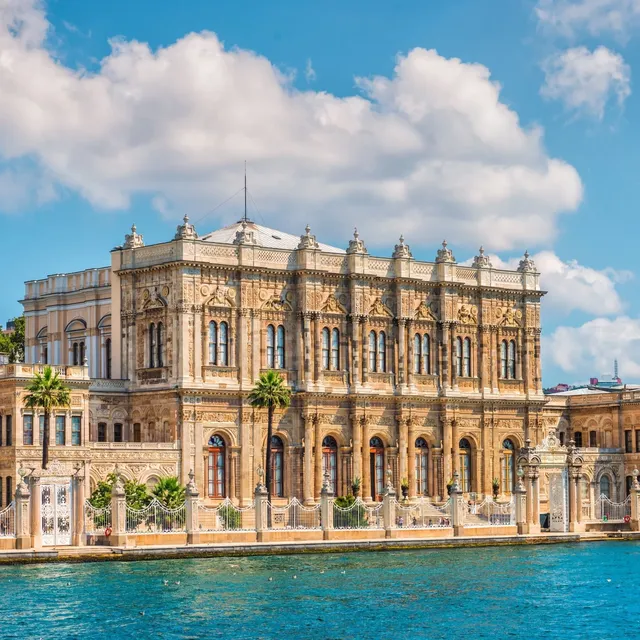
Its location in Beşiktaş also places it within one of Istanbul’s historically significant districts, not far from other major Bosphorus landmarks. If you are exploring imperial architecture across the city, Yıldız Palace is a natural companion to places such as Ortakoy Mosque and the waterfront palaces along the Bosphorus.
The Şale Villa at Yildiz Palace
One of the most important parts of Yıldız Palace is the Şale Villa. The villa is composed of three main buildings constructed adjacent to one another at different times inside a garden. It is known that the first of these three villas was built in 1880 by the architect Sarkis Balyan, the second one, known as the Merasim Villa, in 1889 by the architect D’Aranco, and the third one in 1898.
The villas have three floors and are made of wood and stone. There are a total of 60 rooms and 4 saloons, and visitors can see many details reflecting the influences of Baroque and Islam in the design and decoration of the palace. This blend of styles is one of the features that makes the complex so memorable.
Interior details worth noticing
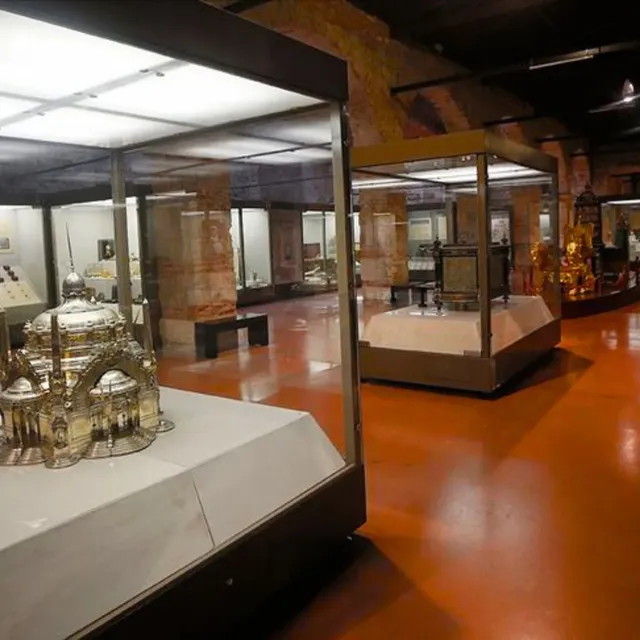
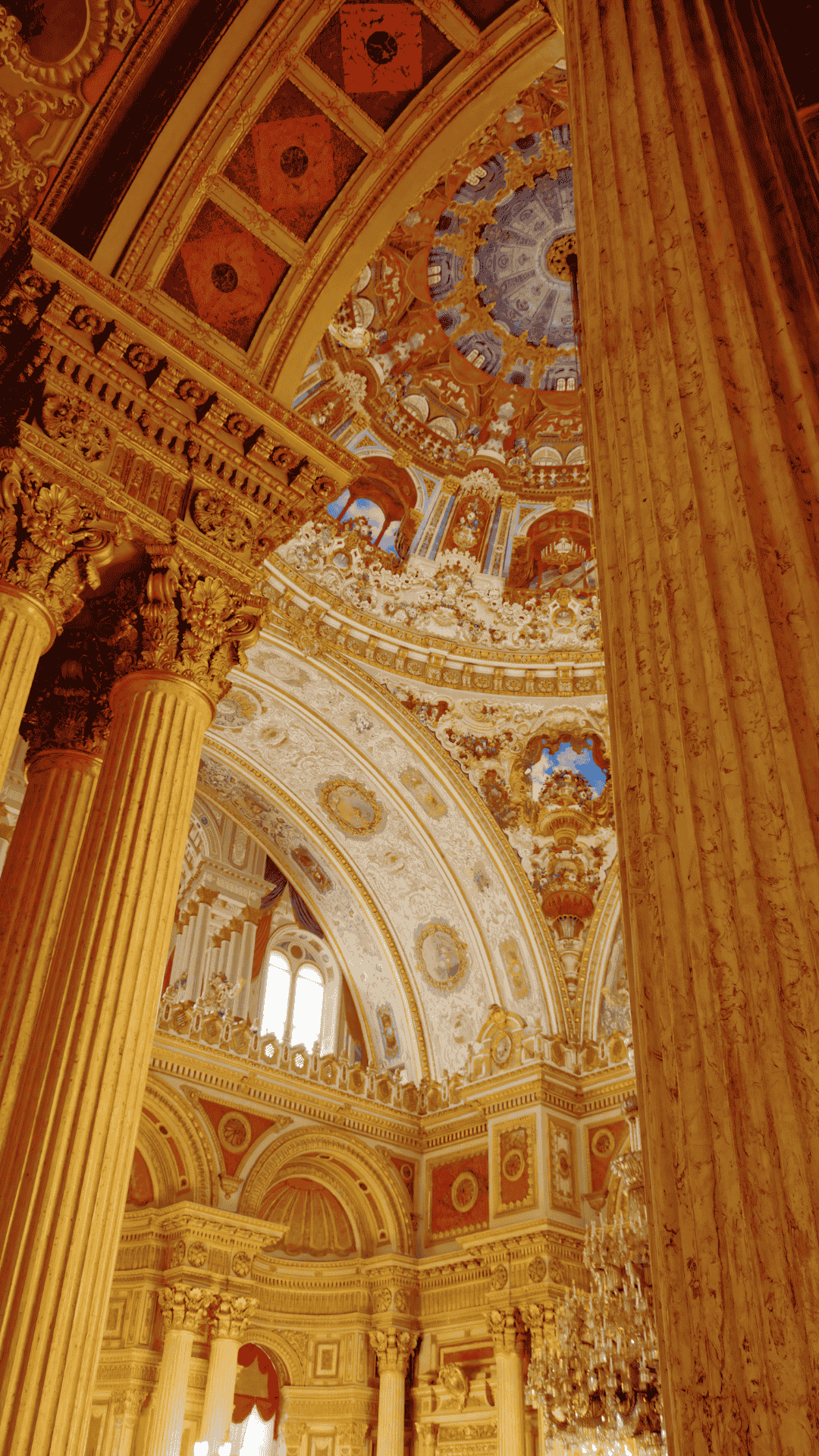
The most appealing parts of the palace include the Yellow Saloon, whose ceiling is decorated with scenery pictures, and the Saloon with Mother-of-pearl, which stands out for its inlaid mother-of-pearl decoration. Another striking space is the Ceremony Saloon, whose floor is covered with a single Hereke carpet from one wall to another, while its ceiling is decorated with golden gilded panels.
Valuable objects from various European countries, china vases, and engraved furniture inside the palace are among the typical characteristics of Ottoman palaces. These details help convey both the ceremonial importance of the complex and the refined tastes reflected in its interiors.
Planning a visit to Yildiz Palace
You can visit Yıldız Palace between 09.30 and 17.00 during summer time, and between 09.30 and 16.00 during the winter season. As opening conditions may change, it is a good idea to check the official site before your visit.
Address: Barbaros Bulvarı (Boulevard), Yıldız Park, Beşiktaş
Telephone: 0212 259 89 77
For the most reliable current visitor information, you can also review official resources from Millî Saraylar. For broader background on the palace and its historical setting, Wikipedia provides an overview.
Why Yildiz Palace deserves a place on your itinerary
Yıldız Palace offers a different perspective on Istanbul’s imperial heritage. While many visitors first think of earlier centers of Ottoman power, this palace reflects the empire’s later administrative and artistic world. Its gardens, layered construction, ceremonial rooms, and decorative richness make it rewarding for travelers interested in architecture, political history, and court culture.
If you are building a palace-focused route through the city, pairing Yıldız Palace with Topkapi Palace and Dolmabahce Palace helps create a fuller picture of how Ottoman imperial life evolved over time.