If you are wandering through neighborhoods near the Grand Bazaar or planning a stop around the Spice Bazaar, adding a dessert break to your route is always a good idea. Below are some of the best-known traditional sweets mentioned in Turkish culinary culture, along with notable Istanbul names associated with them.
Traditional Turkish Desserts You Should Know
Sütlaç
The word “rice pudding” comes from ‘milky soup.’ Its equivalent in old Turkish dictionaries is 'uwa'. The origin story is fascinating. A dessert made of rice, milk, and sugar was prepared for a person with an upset stomach. Because it contains milk, this healing dessert is called ‘milky soup,’ or ‘sütlü aş’ in Turkish. After a while, it evolved into rice pudding, sütlaç. In addition to the sherbet-based side of traditional Turkish desserts, the milky ones are also quite famous.
Galata Muhallebicisi
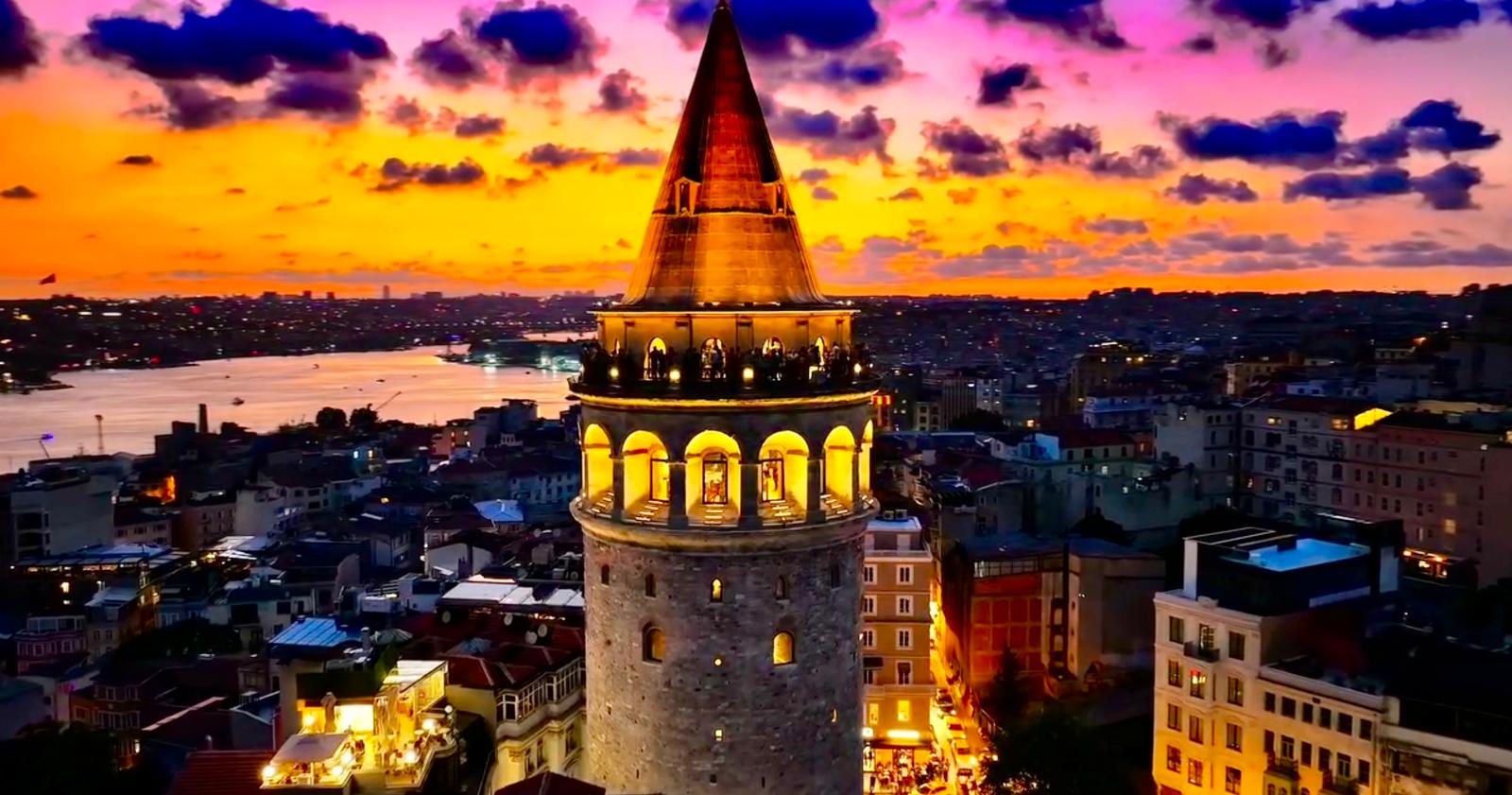
Contrary to the latest fashion in Nişantaşı, you may be surprised by this place, whose showcase centers on traditional Turkish desserts. The experience and taste quality coming from Bankalar Muhallebicisi, which opened in Istanbul Galata in 1879, came together under the roof of “Galata” in 2009, where traditional recipes were blended with today’s expectations. The word “Gala” means milk in Greek. Therefore, the brand, staying close to old values, offers almond paste with coffee, following the tradition.
Tavukgöğsü
Tavukgöğsü was first made by the Romans, and believe it or not, it contains chicken breast. Later, it passed to Byzantium and Turks. At the end of the Middle Ages, tavukgöğsü production in Europe ceased. The Turks adopted this dessert and, in addition, invented kazandibi. This dessert, once made in mansions and palaces, later spread among the public. You can try it with both tea and Turkish coffee; it stands out for a taste that melts in the mouth and for the lightness it leaves behind.
Tarihi Sarıyer Muhallebicisi
Would you like to go to Historical Sarıyer Muhallebicisi, which has made a name for itself with its traditional Turkish desserts produced using organic products for 90 years? It is presented as a beautiful place to try tavukgöğsü, one of the famous milk desserts.
The late Hacı Şakir Göçmen, who migrated at the age of 17, established the Historical Sarıyer Muhallebicisi in Istanbul’s Sarıyer district in 1928, despite many difficulties. This brand, which first served in a tiny shop, grew over the years by earning customers’ appreciation and became an organization serving many people.
Helva (Halva)
Halva is described as one of the foods present throughout life, after water and bread: at weddings, funerals, raki tables, in the army, and more. In the Ottoman Empire, which had a broad culinary culture and territory, dessert was one of the most varied parts of the cuisine. Among Turkish desserts, halva was one of the most widespread. It was so important that there was a separate dessert kitchen called the “helvahane” in the palace kitchen.
When we look at the history of halva, derived from the word “hulviyyat,” meaning “sweet” in Arabic and generally referring to sweets, some sources say it goes back to 12th-century Byzantium, while others continue its journey as far back as 3000 BC. For general historical background on halva and related culinary traditions, you can also see Britannica.
Helvacı Yakut Efendi
There is a hidden history in the halvah of Yakub the Helvacı, whose taste is said not to be forgotten once tried. Helvacı Yakub Efendi gave lectures in the Şehzade Mosque during the reign of Suleiman the Magnificent. On Fridays, he would distribute halva to the congregation after Friday prayers under the great plane tree in the garden of the Şehzade Mosque. According to known rumors, you could never see the bottom of his cauldron. The halva he cooked was known as “endless halva” and became famous for its abundance. This event, repeated every Friday, later gained symbolic value.
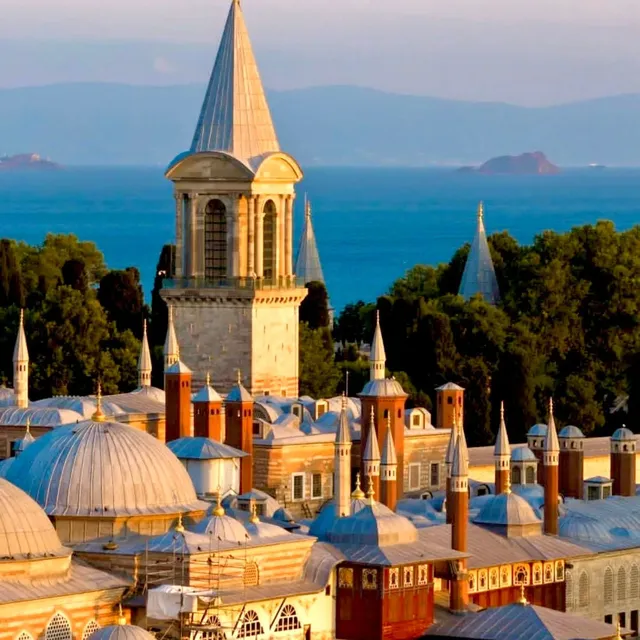
To understand the larger imperial setting in which desserts such as helva gained prestige, a visit to Topkapi Palace adds useful context, especially when thinking about Ottoman palace kitchens and culinary culture. You can also browse broader cultural background on Turkey through GoTürkiye.
One of the Most Preferred Traditional Turkish Desserts: Baklava
Everyone knows baklava, the layered dessert filled with various nuts and glazed with syrup. But have you ever wondered about the story of baklava? According to the tale shared here, in Antep, Memik was in love with a girl named Lava. No matter what Memik did, he could not confess his love. One day, a dervish gave him a recipe and said that whoever tasted this food would remember him.
Then Lava and her mother came to Memik’s place one day, and Memik offered them the dessert he had prepared. It was the best dessert Lava had ever eaten, and she could not take her eyes off Memik. Lava thought about both Memik and the dessert for years. This dessert came to be referred to as the sweet that made Lava look at Memik; since “to look at” means “bak” in Turkish, the name baklava is said to have derived from that story.
Where Should You Eat Baklava?
One of the city’s most assertive addresses for baklava is Karaköy Güllüoğlu, which has been in service since 1843. It is notable for being the first baklava maker in Istanbul and for preparing baklava for years without compromising its quality. At Güllüoğlu, options such as walnut, pistachio, chocolate baklava, pistachio bridal pack, dry baklava, baklava for diabetics, şöbiyet, dolama, and baklava burgers are brought together.
While looking through the menu, it may be difficult to decide which one to choose. A practical suggestion is the mixed baklava option, which lets you taste several flavors at once. If you are already exploring the historic center around Sultanahmet Square, planning a separate dessert stop in Karaköy can be a rewarding addition to your day.
Why These Desserts Still Matter
What makes these sweets memorable is not only taste but also continuity. Sütlaç reflects the importance of milk desserts in Turkish cuisine. Tavukgöğsü shows how an unusual recipe survived through centuries. Helva connects dessert with ritual, memory, and sharing. Baklava remains one of the most recognized Turkish sweets, yet it still carries local stories and strong ties to craftsmanship.
Together, these examples show the variety within traditional Turkish desserts and why they continue to appeal to both locals and visitors in Istanbul.