While different types of döner are typically served on a plate over rice, döner is also sold with pide (long bread) and as dürüm (wrap). The most famous dish made with döner is probably İskender Kebab, in which döner is combined with tomato sauce and butter, and served with yoghurt.
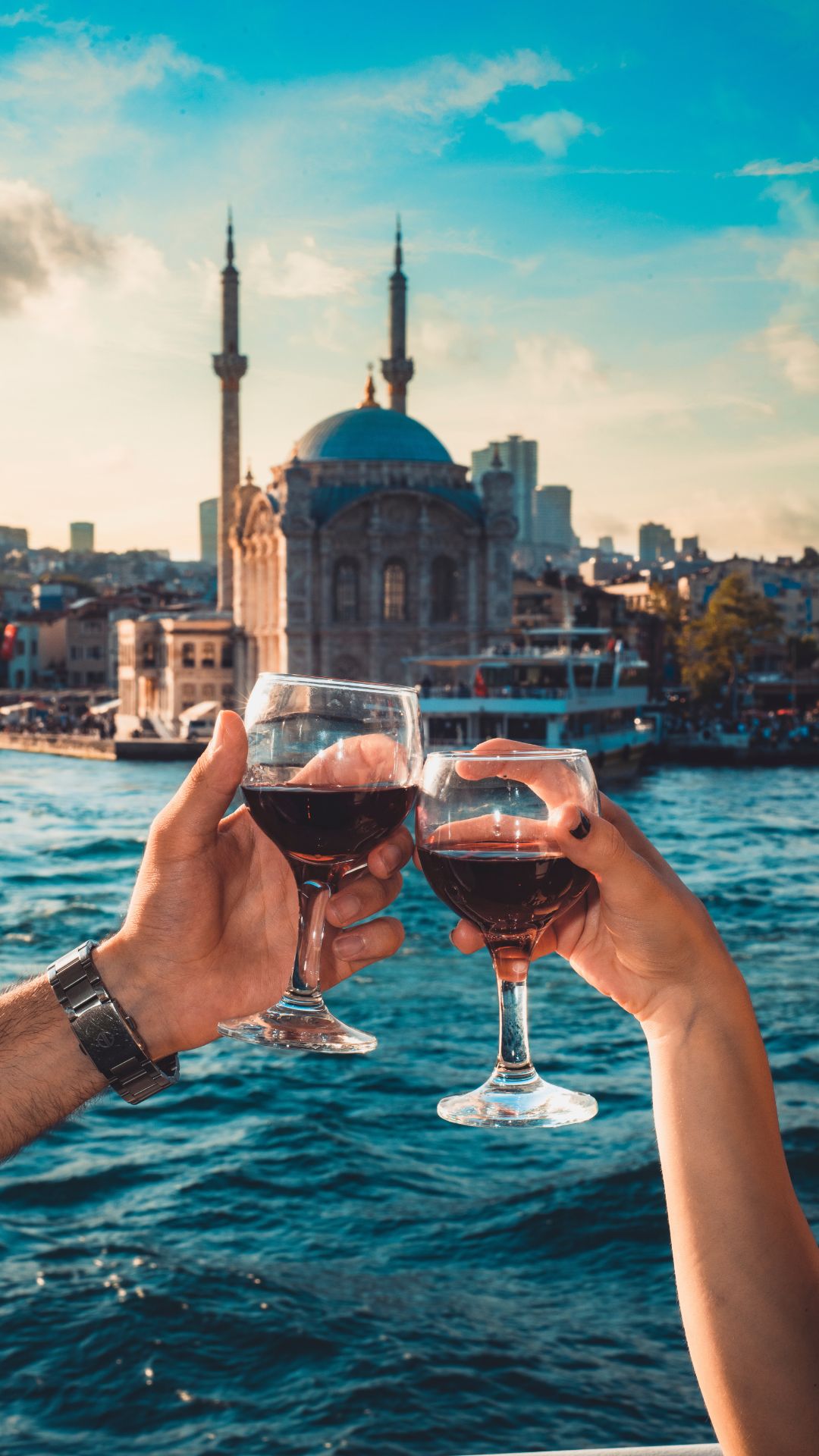
Eating fish on the Bosphorus is another superb Istanbul experience. Turkey’s sophisticated culinary culture involving fish stems from the fact that the country is surrounded by seas on three sides. The Bosphorus is a popular fishing ground where many different species of fish with substantially different flavors are caught. For this reason, the area of Istanbul most associated with seafood is Boğaziçi. You can sample both seasonal fish and seafood mezes at restaurants all along the Bosphorus, on both the European and Asian sides. A scenic Bosphorus Cruise can also help you discover the shoreline that shaped this food culture.
Traditional flavors and meyhane culture
Meyhanes are unique places in Istanbul. Alcohol is drunk, and special mezes are eaten with rakı. Deep conversations take place, troubles are cast away, and then the music starts and the dancing begins. Meyhanes remain indispensable for long evenings among friends.
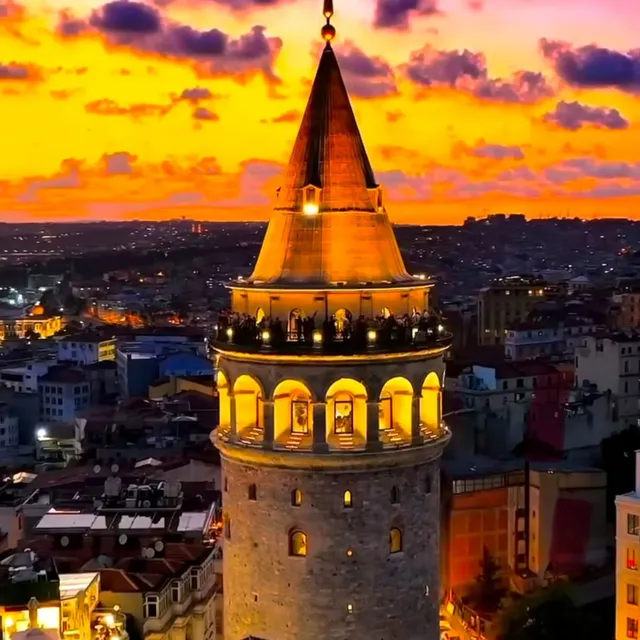
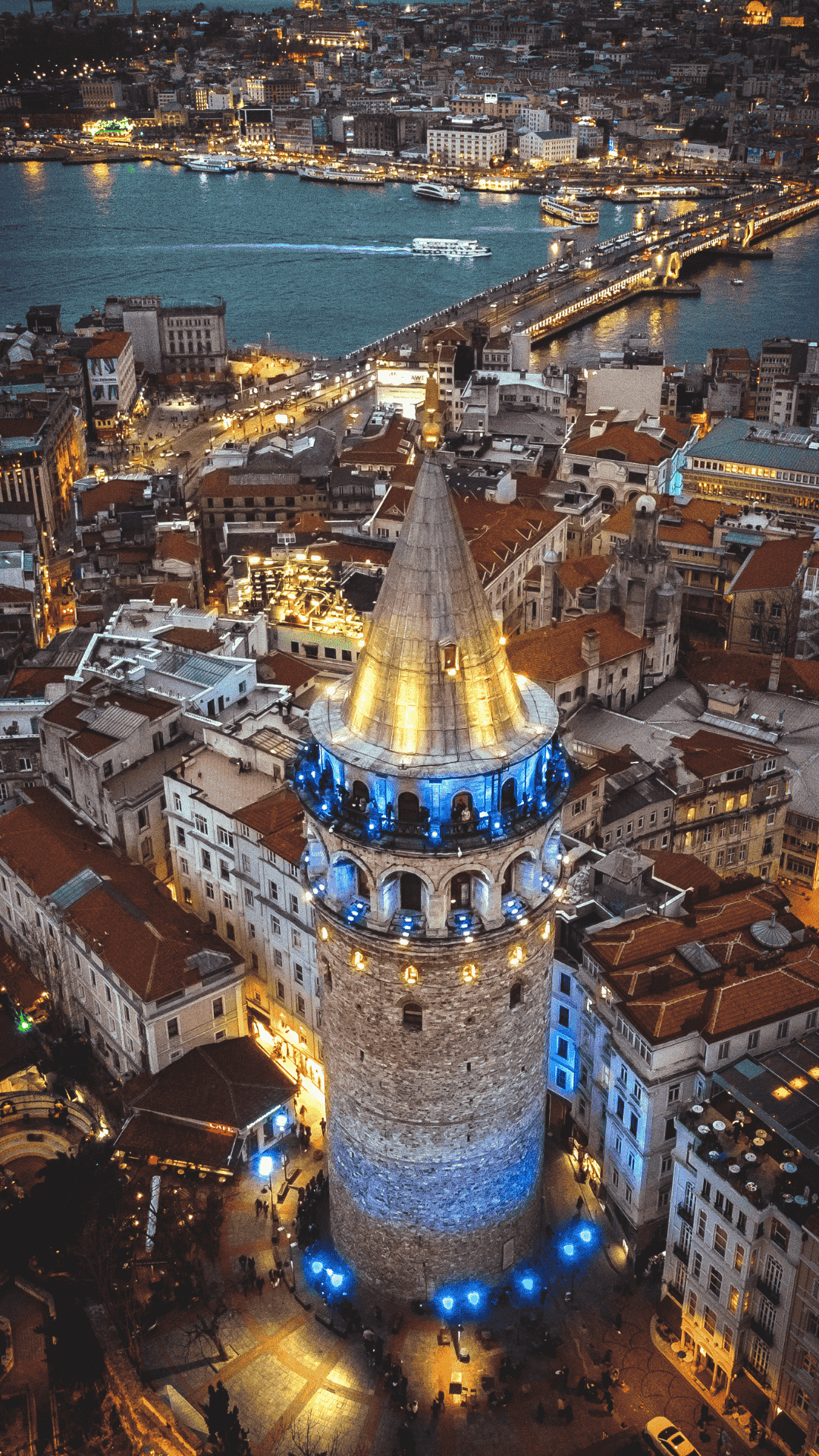
The history of meyhane culture among Turks stretches back to the 15th century. At that time, it was prevalent in neighborhoods such as Galata, Tahtakale, Ortaköy, Tarabya, Kumkapı, Balık Pazarı, Kadıköy, Yeniköy and Çengelköy, areas inhabited by non-Muslim communities. In the area near Galata Tower alone, there were hundreds of meyhanes.
During the Ottoman period, there were three kinds of meyhanes: regular, established and mobile. Today, meyhane culture is still especially associated with Beyoğlu’s Balık Pazarı as well as Kumkapı, Adalar and the Bosphorus line.
The king of the table: rakı

Rakı, an alcoholic beverage with a history not as old as wine or beer, was first produced by the Ottomans. Because rakı was known as “lion’s milk,” it was served in containers decorated with embossed figures of lions. Its color does indeed resemble milk. Rakı is produced from the razaki grape, and in the past it was also known by such names as “araka” and “araki.”
First, water is added to both dry and fresh grapes. After the mixture becomes must, the process of fermentation begins. Later, after this mixture is distilled, its extraction becomes a type of alcohol known as “suma,” which is essentially rakı before it has been flavored with anise. Finally, after aniseed is added, the suma is fermented again and turns into rakı.
Rakı is traditionally drunk according to certain customs. Above all, it is consumed slowly at a table set specifically for this purpose, adorned with different kinds of mezes, hot dishes, meats and fruit. Rakı can be drunk with water or dry, and ice may be added if desired.
The exquisite flavor of kebabs
Kebab is the general name given to different types of meat roasted over a coal fire. Among the most common types are the spicy Adana kebab and the mild Urfa kebab, both made from minced meat, as well as shish kebabs made from small pieces of veal or lamb. Kebabs are typically served with different vegetables such as tomatoes and eggplant.
Kebabs are often eaten at restaurants known as ocakbaşı, where one can sit around the coal fire and watch the grilling process. Kebabs can also be eaten as dürüm with various condiments, and it is even possible to eat on your feet at dürüm restaurants.
Lahmacun: Turkish fast food
Lahmacun is a dish particular to Turkey’s Southeastern cuisine. It is made from a mixture of onions, spices and minced meat spread over a thin layer of dough and cooked over a coal flame. Lahmacun can be spicy or mild. There is also a similar dish known as peymacun, made with cheese and parsley.
It is often eaten rolled with condiments. Ayran, a salty yoghurt drink, is the most appropriate beverage alongside it.
Fruit syrup: a sweet voyage
Fruit syrup, or şerbet, is a traditional Turkish drink prepared by boiling fruits such as apricots, cherries, plums and oranges together with sugar or honey. This Ottoman-era beverage was an essential part of both palace cuisine and home cooking. It was once so popular that fresh fruit syrups stored in glass containers could easily be found at candy shops every day.
Today, fruit syrup is typically drunk with a meal and is often offered to guests. In particular, it is customary to offer fruit syrup when visiting a family to propose a marriage engagement or after the birth of a child.
Narghile in Istanbul
The term narghile, also known as hookah or water pipe, comes from the Persian word nargil, meaning coconut. Narghiles play an important role in many Eastern cultures and became part of Turkish culture during Ottoman times. Some accounts place this in the 16th century, while others associate its spread with the 17th century. In either case, the narghile became closely tied to conversation and social life.
Narghile cafés remain prominent in many areas of Istanbul. Large numbers can be found in neighborhoods such as Tophane, Çemberlitaş, Beyoğlu and Kadıköy. The hookah itself is described as having four sections: the mouthpiece, fold, frame filled with water and flexible tube. Various tobacco flavors, such as banana, apple and cocoa, are also offered in many places today.
Simit: a sesame feast
Simit is one of the most traditional and common foods in Turkey. Made from flour, formed into a ring and baked in an oven, it is usually covered with a generous quantity of sesame seeds. Simit is both inexpensive and flavorful.
You can find fresh simit at almost any hour of the day in bakeries and shops selling baked goods. You may also come across simit sellers walking through the city’s busiest streets with glass-paneled carts. In recent years, specialized simit chains have also become popular, offering different types of simit, including olive, sausage and kashar cheese varieties.
How about a bubbly Turkish coffee?
The coffee plant was brought to the Arabian Peninsula by merchants coming from Ethiopia in the 10th century. Its first use in a form similar to today’s is seen around the city of Mocha in Yemen as “drinking coffee juice.” Those who first used coffee in roasted form were the Turks. Traditions that have lasted for hundreds of years shape the entire process, from cooking to service, of Turkish coffee prepared by milling high-quality Arabica-type coffee beans.
This special hot drink is brewed in special pots called cezve. The tastiest Turkish coffee is brewed gradually in a copper coffeepot over a low flame. It is served in small cups accompanied by a glass of water. For many Turkish people, nothing can take the place of abundantly bubbled Turkish coffee.
As the saying goes, “A cup of coffee has a memory of forty years.”
A peculiar and unique taste: Turkish delight
Among the leading foods known around the world as a traditional Turkish flavor is Turkish delight. Starch and sugar solution form the basis of this sweet, which is especially preferred for offering to guests. It becomes even more attractive with additions such as almond, pistachio, hazelnut, cream and rose.
The history of Turkish delight dates back to the 14th and 15th centuries. It was initially made with grape molasses and honey, and then with refined sugar from the middle of the 18th century onward.
Well-steeped tea in a thin elegant glass
Turkey is one of the biggest tea producers in the world. Tea comes second only to water among the beverages most consumed throughout the country. Turkish people commonly begin breakfast with tea, and over time tea culture in Turkey has developed a very distinctive character.
Tea is brewed in a two-part appliance called a çaydanlık. The essential point of Turkish-style tea is the steeping process. After the water in the lower section boils, it is poured over the tea in the upper teapot. Then the flame is reduced and the tea is left to steep. Once well steeped over a low flame, it is served in thin elegant glasses.
The fish in the Bosphorus is distinctive
Fish culture in Turkey, a peninsula enclosed by sea on three sides, is highly sophisticated. This culture reaches one of its most memorable expressions in Istanbul, the city through which a sea passes. The Bosphorus line is undoubtedly the part of the city that enjoys the richest share of this tradition.
It is possible to enjoy countless fish dishes in the restaurants located along this line. Traditional Turkish appetizers made with flavors from the sea can be excellent starters, and rakı often accompanies the meal. For more on the strait itself, see UNESCO’s broader context on Istanbul’s heritage at UNESCO.
The most special Turkish dessert: baklava
Baklava is one of the indispensable sweets of Turkish cuisine and a traditional dessert of festivals. It is made from layers of phyllo dough and nuts. Phyllo is a simple flour-and-water dough stretched until paper-thin and cut into sheets laid on trays. Nuts such as walnut and pistachio are sprinkled between the layers.
After the trays are baked, a hot syrup made of sugar and water is poured over the pastry and then left to cool. This traditional dessert may be enjoyed with ice cream or cream.
A sui generis flavor: badem ezmesi
Badem ezmesi, or almond paste, is a sweet prepared with almond. It is described as a traditional sweet with origins in the Ottoman palaces of Edirne, which was once a capital of the Ottoman State. It is made with almond kernel, sugar and egg white, cooked to a formable consistency.
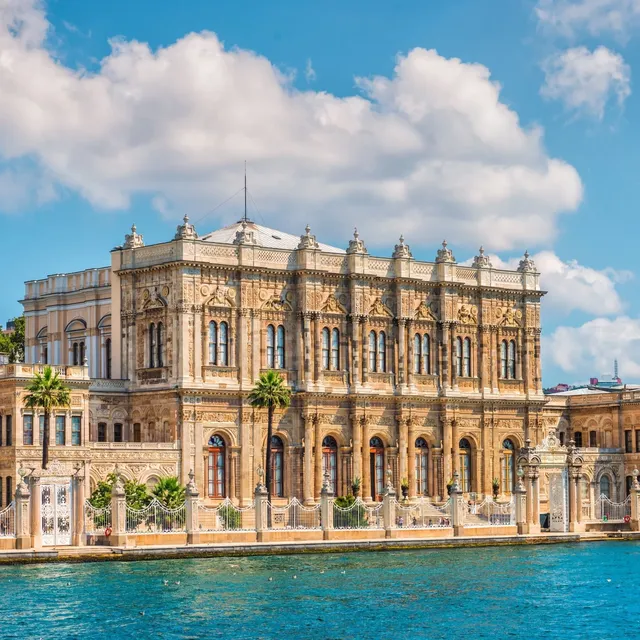
Soft almond paste is used as a filling in pastries and candies. The almond kernel is scalded, peeled, dried and pounded into powder. Sherbet is poured onto the pounded almond and mixed thoroughly. Sometimes fragrant ingredients are added during kneading, or grated coconut is sprinkled over it. If you happen to visit the Bosphorus neighborhoods after seeing Dolmabahce Palace, you may also notice how closely such old sweets remain tied to Istanbul’s historic districts.
There is no way of neglecting döner
Döner is a type of kebab derived from the traditional method of roasting lamb on a spit over fire on special days, feasts and other ceremonies. Starting in the second half of the 19th century, döner kebab was first prepared with red meat, while sausage and chicken versions later became widespread.
Döner varieties are served on a plate and also enjoyed in rolled bread. The variety prepared with butter and tomato paste sauce and generally served with yoghurt is known as İskender Kebap. Döner remains one of the most widely consumed foods in Turkey.
Meyhane and pubs
“I wandered around all the pubs of Istanbul tonight”
Pubs and meyhanes are places where people eat, drink and talk heart to heart. The pleasure of gathering around special appetizers and rakı remains irreplaceable in the city’s social life.
The encounter of Turks with pub culture dates back to the 15th century. It was especially common in districts such as Galata, Tahtakale, Kadıköy, Ortaköy, Tarabya, Kumkapı, Balık Pazarı, Yeniköy and Çengelköy, where non-Muslim communities predominantly lived. Around the Galata area, this culture became one of the district’s defining characteristics.
Today, the tradition continues above all in Balık Pazarı in Beyoğlu and in the meyhane neighborhoods of Kumkapı, Adalar and the Bosphorus region. If you are exploring nearby historic quarters, Spice Bazaar is another good stop to understand how taste and trade have long been connected in Istanbul.