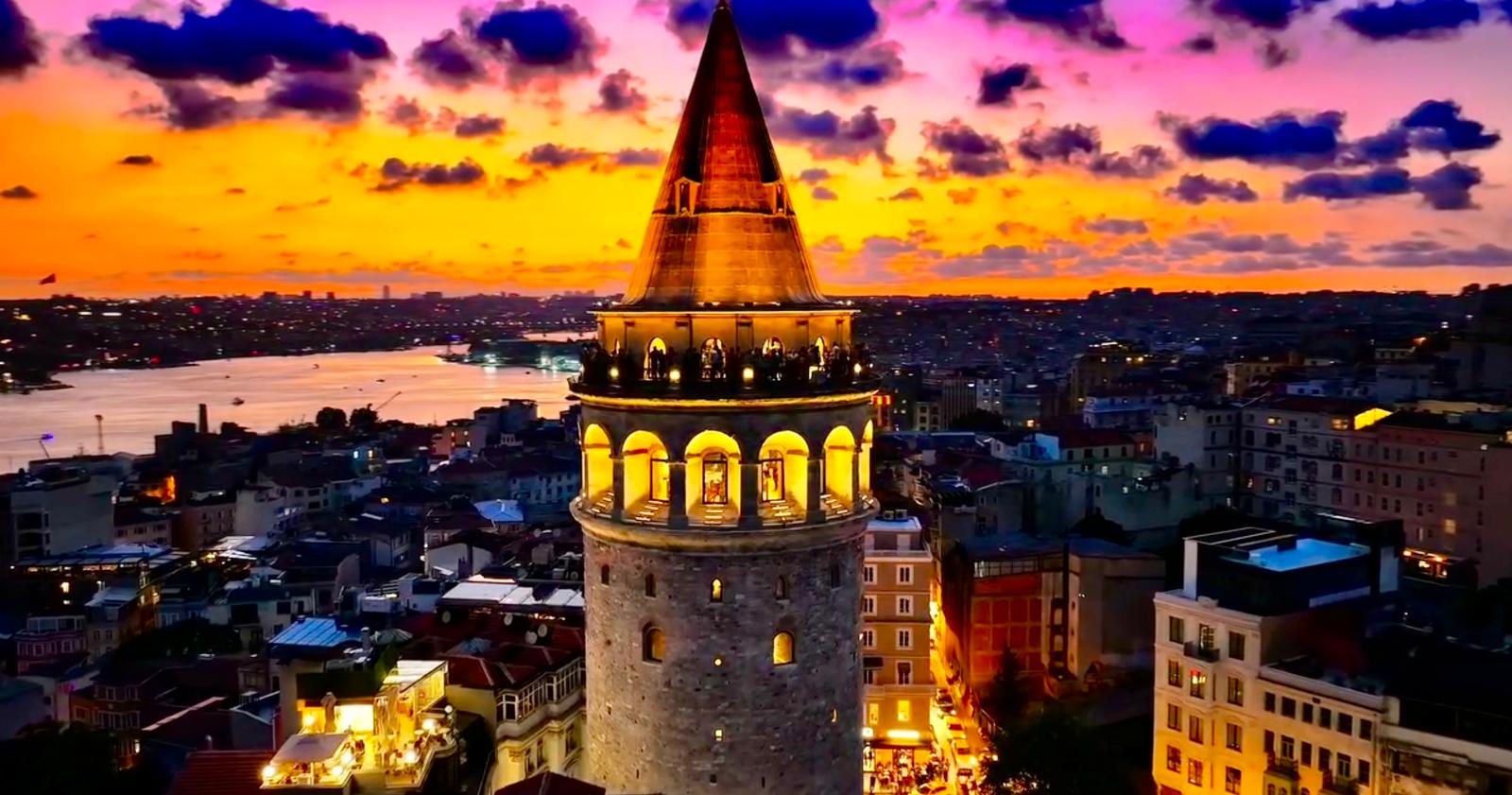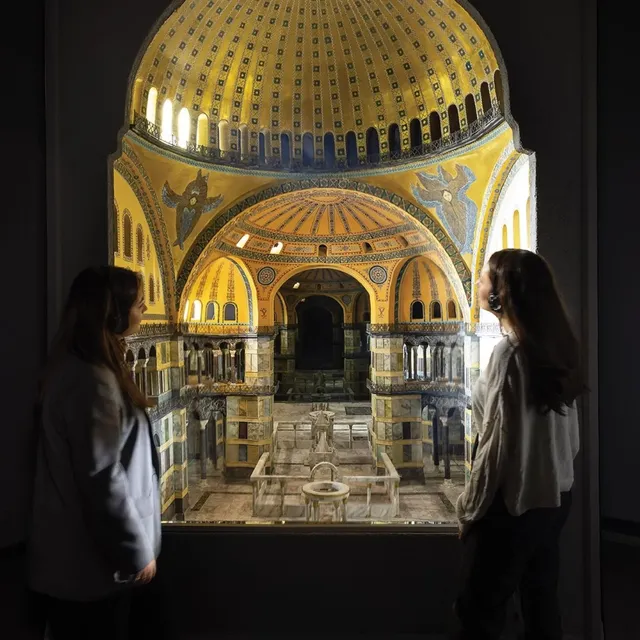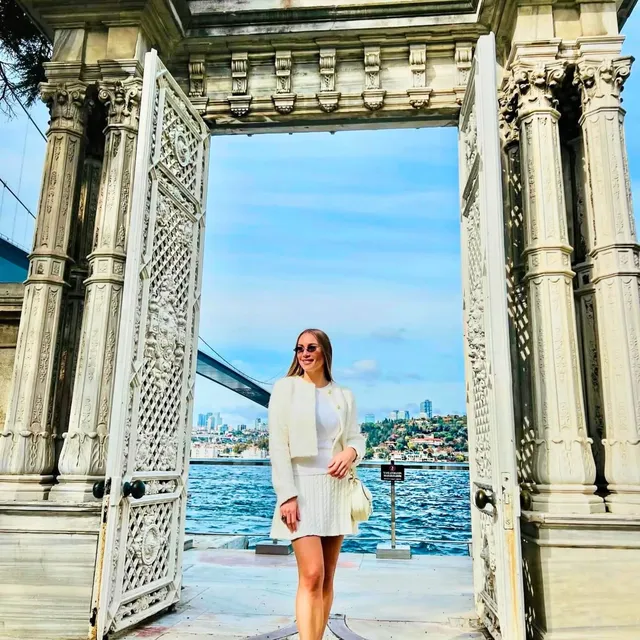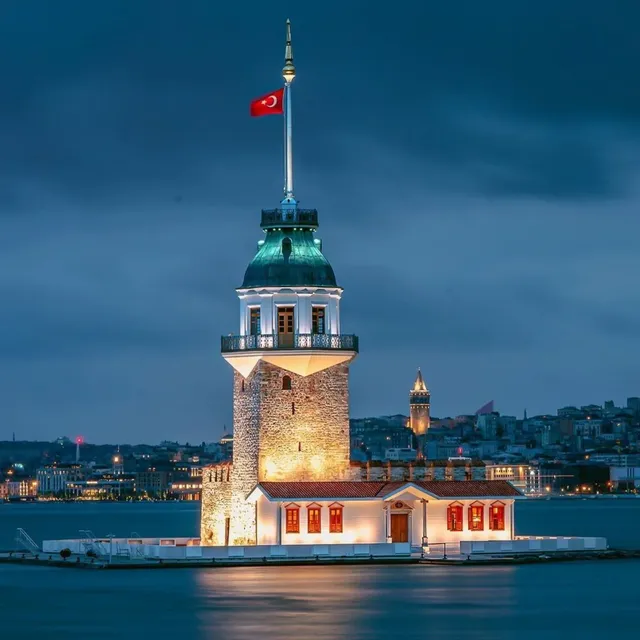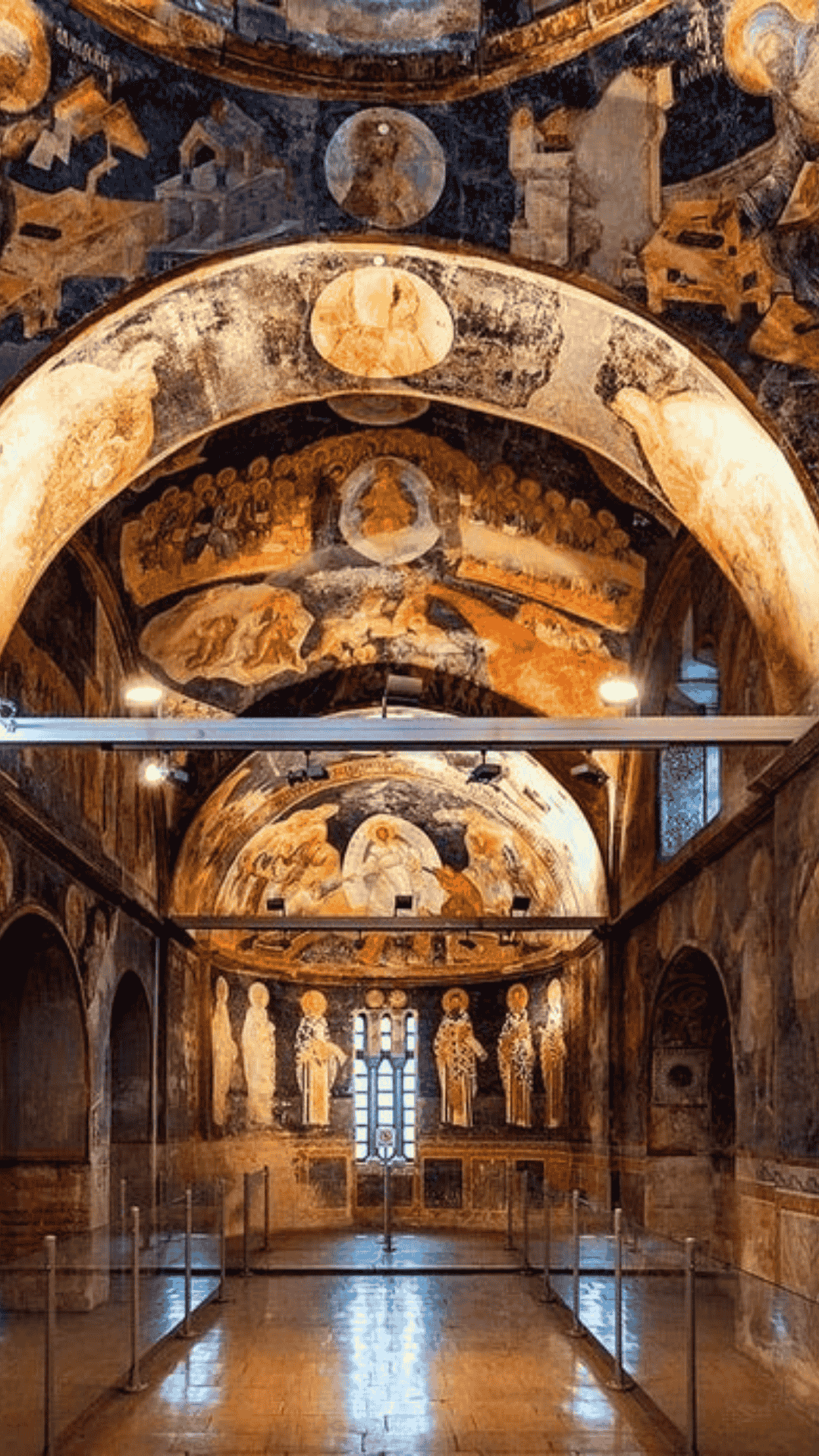
These beautiful historical palaces and mansions of Istanbul reflect the city’s layered past and can help you decide where to begin if you are planning a trip. Many visitors pair palace visits with landmarks such as Topkapi Palace, Dolmabahce Palace, or even a scenic Bosphorus Cruise to better understand how these waterfront residences relate to the city itself.
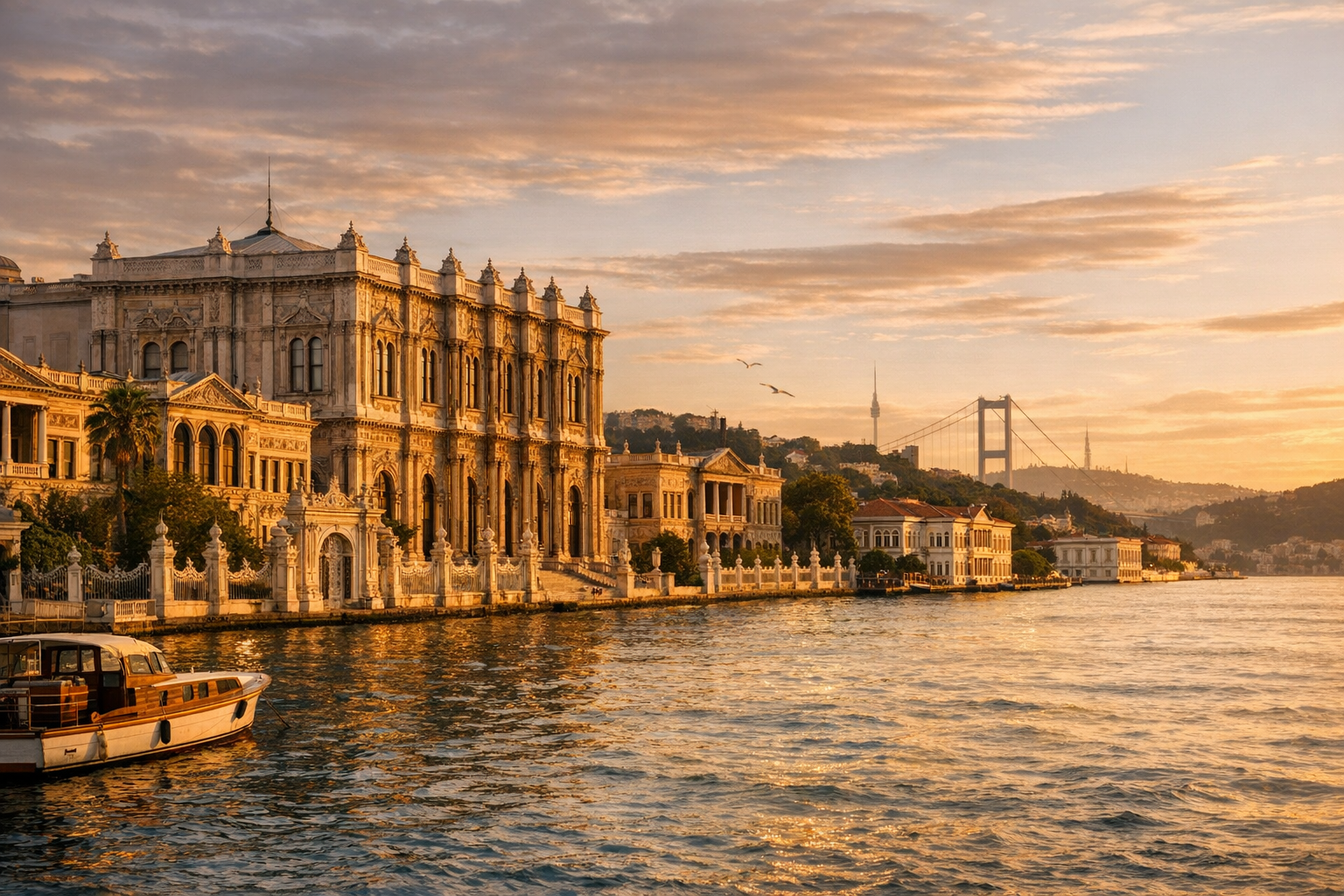
Historical Palaces and Mansions You Can See in Istanbul
Çırağan Palace
This historical palace, named after the torch festivals known as Çırağan Festivals, was called Kazancıoğlu Gardens in the 17th century. The palace, which houses beautiful examples of stone masonry, hosted important meetings in its time. Today, many social activities and events are held at Çırağan Palace, which has been converted into a hotel with added buildings.
Dolmabahçe Palace
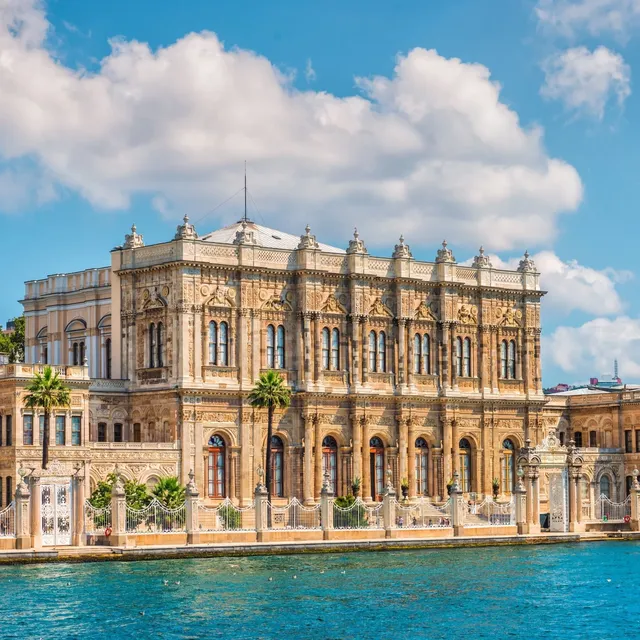
Dolmabahçe Palace, located in one of the most special and beautiful parts of Istanbul, was used for the administration of the empire during the Ottoman Empire and today serves as a museum.
Before the construction of the historical palace, the Ottoman Navy was anchored where it now stands. Over time, when the area became a swamp, it was transformed into a private garden where the sultans could rest. The construction of Dolmabahçe Palace began during the reign of Sultan Abdülmecit I and was completed in 1855.
Today, Dolmabahçe Palace is considered among the National Palaces and sheds light on history with its architecture, craftsmanship, and collection. The bed and room where Mustafa Kemal Atatürk, the last visitor of the historical palace, passed away is also open to visitors. For current visitor information, it is best to check the official National Palaces website at millisaraylar.gov.tr.
Topkapı Palace
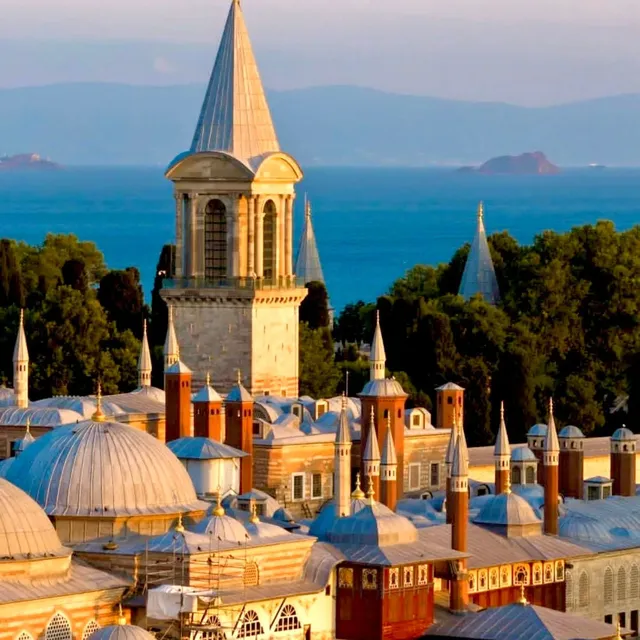
Topkapı Palace, which has one of the most beautiful views on the European side, was built by Fatih Sultan Mehmet between 1460 and 1478. From the 15th century to the 19th century, it was used as the administrative center of the Ottoman Empire until Dolmabahçe Palace was completed. Located on an area of 80,000 square meters, the historical palace also carries the title of being the first museum in the history of the Republic.
Topkapı Palace consists of six sections: Bab-ı Hümayun, Sofa-i Humayun, Alay Square, Enderun Courtyard, Divan Square, and Harem. There are many artifacts of great historical importance, from Muhammad’s beard to the Chinese collection, from the Spoonmaker’s Apple to the Hagia Irene Church in its courtyard. If you plan to explore this area in depth, you may also want to see Hagia Irene.
Yıldız Palace
The area where the historical palace stands used to be a hunting ground. It was built by Mihrişah Sultan, the mother of Selim III, and its construction was completed in 1807. During the reign of Albulhamit, the administrative center was moved from Dolmabahçe Palace to Yıldız Palace in case of a sea siege. Yıldız Palace gained importance years after its construction. The building, which served as the Military Academies building for a while, was opened to the public after 1994.
With its forest air and unique Bosphorus view, Yıldız Palace is considered one of the rare places where natural and historical beauty come together.
Beylerbeyi Palace
Beylerbeyi Palace, whose construction was started by Sultan Abdulaziz in 1861, was used as a summer palace by the sultans in the last periods of the Ottoman Empire and also played a role in hosting foreign state officials.
Beylerbeyi Palace is one of the places to visit in Istanbul for its marble workmanship, interior furniture, Bosphorus view, and ability to stay cool even in hot weather because it was designed as a summer palace. You can not only visit this beautiful building but also have breakfast there. Since prices and availability can change, check the official site before you go.
Adile Sultan Palace
Adile Sultan Palace was built by Sarkis Balyan in 1858 as a gift to Adile Sultan, the sister of Sultan Abdülmecit. With the death of Sultan Abdülmecit, his brother Sultan Abdülaziz took the throne and set out to give Abdülmecit’s testamentary gift. Adile Sultan Palace is one of the important places to visit on the Anatolian side.
The hall of the historical palace, where graduations, seminars, weddings, and various events take place, has a capacity of 500 people. At the same time, there is a garden for 1000 people in the palace.
Ihlamur Mansion
It is claimed that Ihlamur Mansion is a ceremony mansion because of the Merasim Mansion and the Maiyet Mansion built by Abdülmecit. Maiyet Mansion, made of cut stone and designed with two rectangular plans, is simpler in terms of architecture compared to the Merasim Mansion. It is said to have been used by sultans and harem women.
Ihlamur Mansion, which consists of three separate sections, namely the Ihlamur District with Pool, the Garden of Love, and the Hacı Hüseyin Vineyard, was built by Sultan III and transformed into a private garden during the reign of Ahmet.
Malta Mansion
Located in Yıldız Park and built as a cedar mansion in 1871, Malta Mansion is also known as Tent Mansion. The historic mansion, which was the place where Murat V was hiding during his efforts to ascend to the throne, was not used for 40 years after Abdülhamit’s exile. In 1941, it was transferred to the Istanbul Metropolitan Municipality.
Planning Your Palace Route
If you want to experience Istanbul’s palace culture in a more connected way, it helps to group visits by area. Topkapı Palace works well with other historic peninsula stops, while Dolmabahçe, Çırağan, and Yıldız connect naturally to the Bosphorus line. Beylerbeyi and Adile Sultan Palace can be combined with a day on the Anatolian side.
For background on the wider history of Ottoman palaces, a concise starting point is the overview at Britannica. As always, confirm current access rules and ticket details on official sources before visiting.