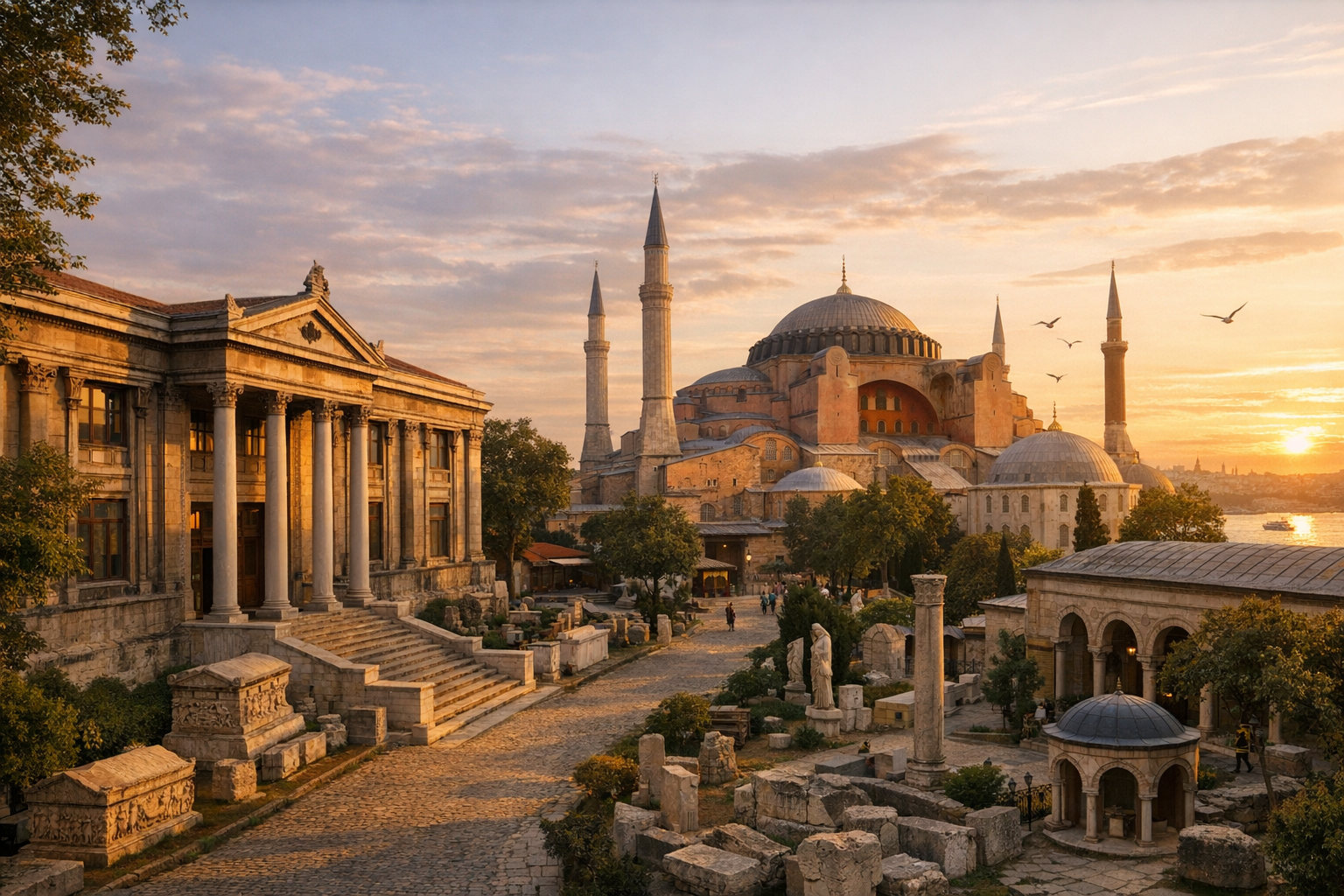
The Story of Mihrimah Sultan Mosque
The Mihrimah Sultan Mosque is tied to one of the most memorable stories in Istanbul architecture. The name Mihrimah comes from the Persian words Mihr-u Mâh, meaning “sun and moon,” and this meaning is often linked to the two mosques built by Mimar Sinan for Mihrimah Sultan. Their relationship in popular memory, the symbolism of the name, and the placement of the two buildings have made them especially fascinating for visitors interested in Ottoman history.
The mosque at Üsküdar is situated on Istanbul's seventh-highest hill. The mosque in Edirnekapı, on the other hand, was erected in a more isolated position and stood prominently there for a long time. This setting is often interpreted as a reflection of Mimar Sinan's secret love for Mihrimah Sultan. According to the well-known story, the sun sets behind the sole minaret of the Edirnekapı mosque every year on March 21, the day of Mihrimah Sultan's birthday, if you can find a place where both Mihrimah Sultan mosques are visible at the same time.
After that, the moon is said to rise between the minarets of the mosque in Üsküdar, giving life to Mihrimah Sultan’s name, “sun and moon.” Whether visitors approach this as legend, symbolism, or an example of Mimar Sinan’s brilliance, it remains one of the most compelling stories attached to any mosque in Istanbul. If you are exploring other major Ottoman works by Sinan, the nearby Suleymaniye Mosque also offers important insight into his architectural style.
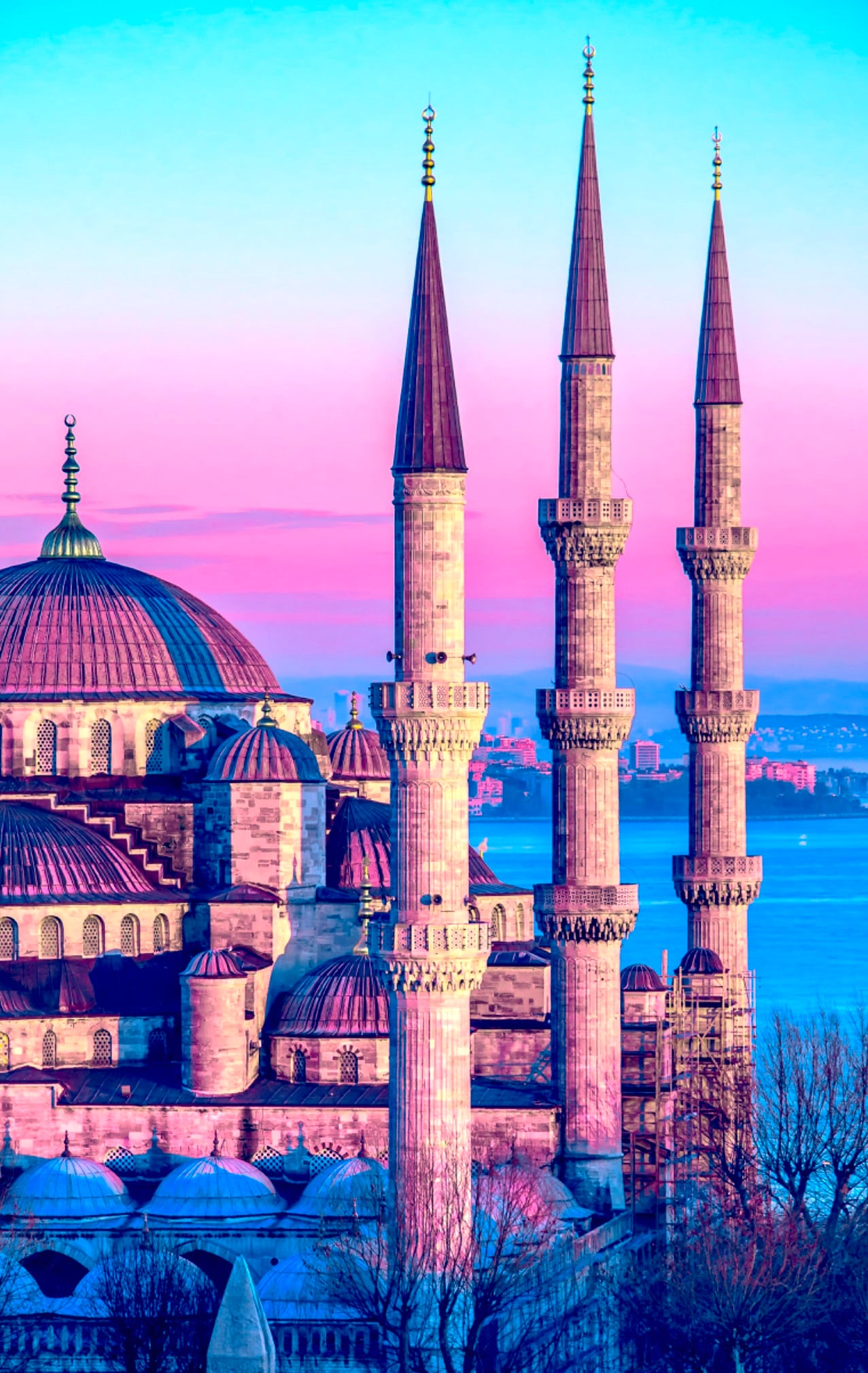
Architecture of Mihrimah Sultan Mosque
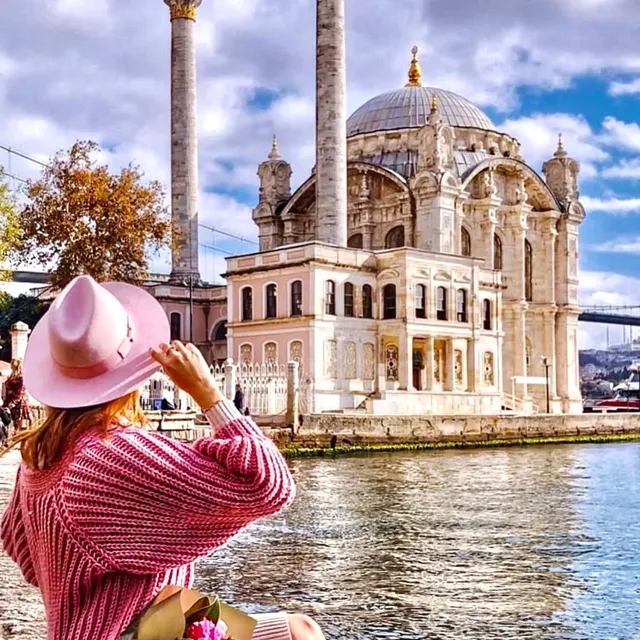
Although the Üsküdar mosque is the smaller of the two, it is still a monumental structure. It features the large central dome that became one of Mimar Sinan’s signatures, surrounded by three smaller domes. Looking up at the main dome gives visitors a remarkable sense of scale, and the spacious interior emphasizes the height of the vaults. The tall, slender minarets and the modest Islamic verses on the interior walls add to the elegant atmosphere.
Even though the structure is more than 500 years old, it does not feel outdated. Its interior architecture and restrained ornamentation continue to impress. Like many traditional Islamic complexes, it includes a minbar inside and an ablution fountain, or şadırvan, outside. Gray cut stones were used on the exterior of the Üsküdar mosque, while the interior includes polished marble that stands out visually, especially on the minbar.
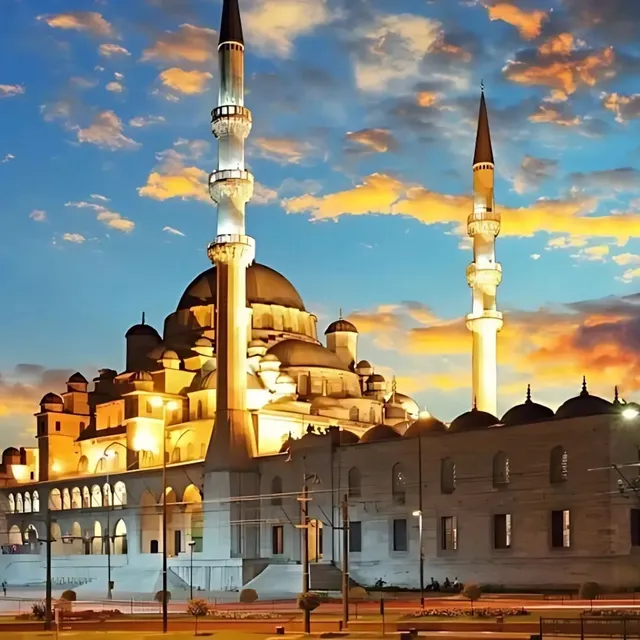
The second Mihrimah Sultan Mosque in Edirnekapı is larger and slightly more elaborate than the first. Its exterior includes a broad courtyard with an ablution fountain, grassy sections, and semi-open porticoes supported by granite and marble columns. Although it has only one minaret, its tall and slender form makes it highly striking along the main road.
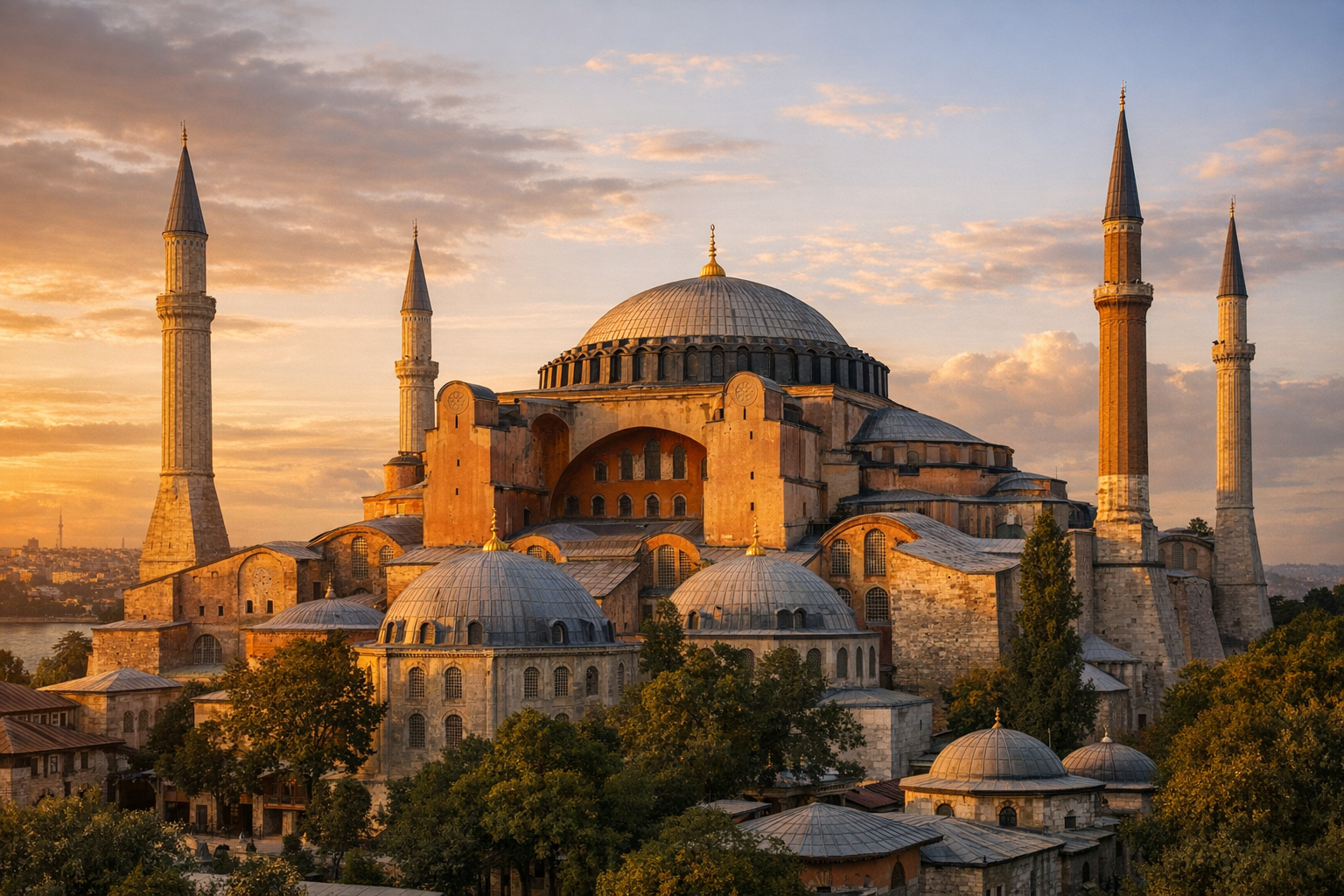
Inside the Edirnekapı mosque, the difference in scale is immediately noticeable. Large areas of the walls are filled with windows, so the mosque is naturally illuminated during the day. Because of repairs and renovations carried out after earthquakes, the interior can feel more modern than its age suggests. Visiting at night creates another atmosphere entirely, as the large hanging chandeliers give the space a particularly inviting character. For travelers interested in comparing it with other iconic religious landmarks, Hagia Sophia and the Blue Mosque make natural additions to the same itinerary.
How to Go to Mihrimah Sultan Mosque
Mihrimah Sultan Mosque in Fatih, Edirnekapı is easy to reach. You can take either the M1A Yenikapı–Atatürk Airport or the M1B Yenikapı–Kirazlı metro line and get off at the Topkapı–Ulubatlı stop. From there, the mosque is about a 10-minute walk away. If you are coming from the Anatolian side, you can use Marmaray to Yenikapı and transfer to one of these metro lines.
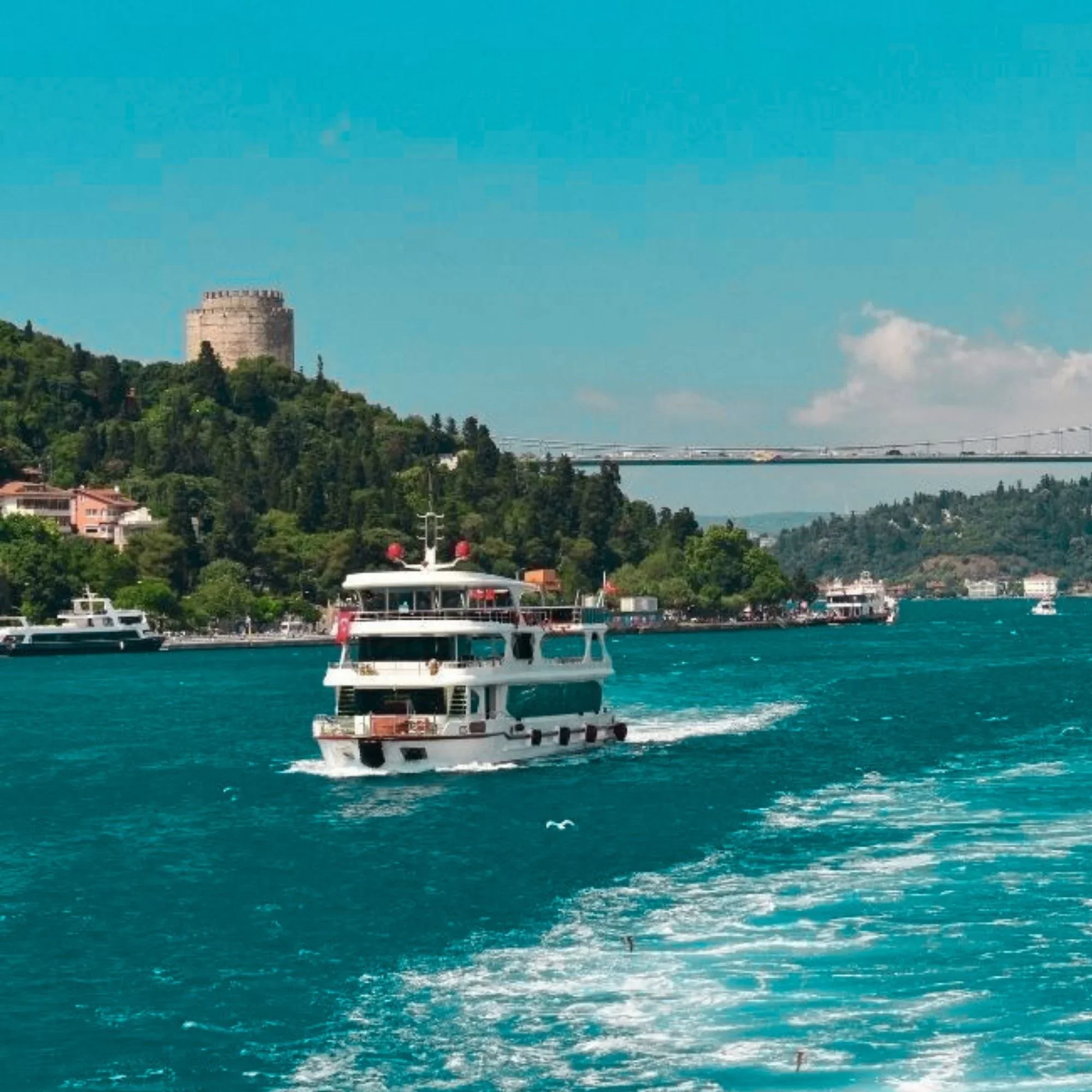
The second Mihrimah Sultan Mosque in Üsküdar is also in a very accessible location. It is close to both Üsküdar Pier and the Üsküdar Marmaray station. You can take a ferry from Eminönü and enjoy a short Bosphorus ride on the way, or choose the faster route by taking Marmaray directly to Üsküdar. For current public transport details, it is best to check the official sites of Metro Istanbul and IETT.
Which Mihrimah Sultan Mosque Should You Visit?
If you have time, visiting both is the best way to understand the story and design associated with Mihrimah Sultan. The Üsküdar mosque offers a strong sense of harmony and closeness to the waterfront district, while the Edirnekapı mosque feels more dramatic thanks to its elevated presence, broad courtyard, and luminous interior. Together, they reveal how architecture, symbolism, and urban placement come together in Istanbul.
Visitors who enjoy discovering layered neighborhoods may also want to continue from Edirnekapı toward Balat, where Istanbul’s historic streets offer a different but equally memorable atmosphere.