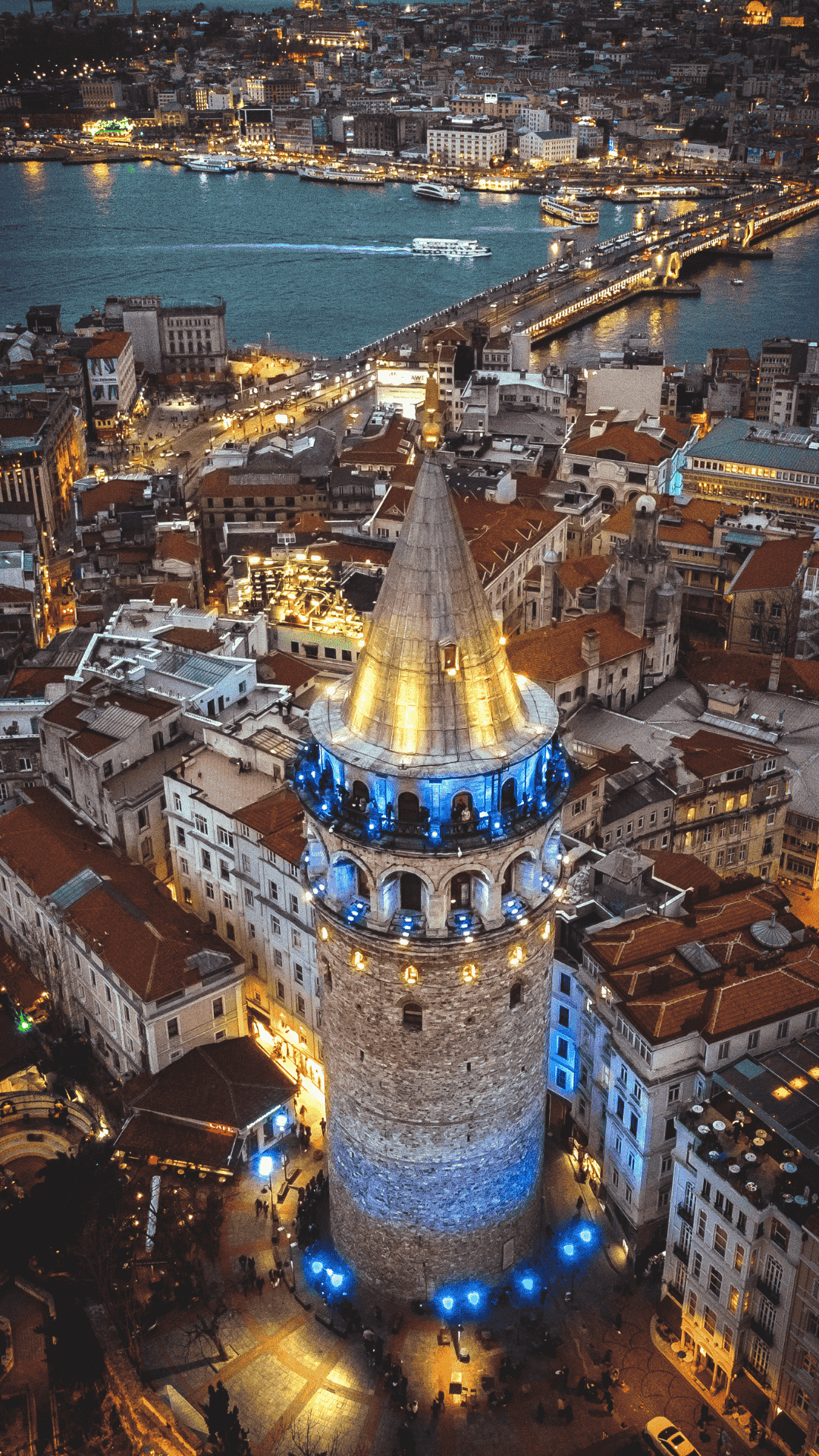
This strategic position has given Istanbul lasting importance since the Byzantine era. The city was the capital of the last two empires of its location, and although it is not the capital of the Republic of Turkey today, it is still described as the richest and most crowded city in the country. Part of this status comes from Istanbul’s long-standing appeal to foreign nations, investors, and institutions. Schools and universities established by foreigners have also supported closer ties between nations and contributed to the city’s international character.
Highlights
- Istanbul is a city that lies across two continents.
- The city has a multicultural texture that welcomes foreigners.
- Trade routes operate through all three major channels: land, sea, and air.
- Istanbul is described here as the richest and most crowded city of the Republic of Turkey.
- More than 35.000 international companies operate in Istanbul.
Eurasia gateway: Istanbul between two continents
Istanbul has been held in high esteem for centuries, including during the Byzantine Empire. Stretching over two continents, the city has functioned as a bridge between Europe and Asia since its establishment as Constantinople. That geographic reality is not just symbolic. It affects how people live, how goods move, and how cultures interact on a daily basis.
Because one side of Istanbul lies in Asia and the other in Europe, the city naturally brings together different traditions, lifestyles, and perspectives. This creates the multicultural texture that continues to define Istanbul today. It is one of the reasons the city has remained attractive to foreigners, whether they arrive for education, commerce, tourism, or long-term business opportunities.
To better understand the city’s cross-continental geography, you can also explore the wider story of the Golden Horn and take a Bosphorus Cruise to experience the waterway that visually and practically connects both sides of Istanbul.
Why Istanbul has long been a center of commerce
Commerce has been one of the city’s greatest advantages for centuries. Istanbul provides a short traveling distance between continents, making it a practical and valuable meeting point for regional and international trade. For decades, bridges built on the Bosporus have supported commerce by land in addition to the city’s already active air and sea connections.
This combination of transport options gives Istanbul a special position. Trade does not depend on a single route or mode. Instead, the city benefits from movement across roads, shipping lanes, and air corridors, strengthening its role as a business center for Turkey and beyond. The importance of the Bosporus in world geography is also widely noted by sources such as Britannica.
The city’s commercial strength can also be felt in its markets and urban life. Historic sites such as the Grand Bazaar reflect a much older trading culture, while modern business districts show how that tradition continues in a contemporary form.
Foreign investment and international business in Istanbul
Istanbul is presented not only as a cultural meeting point but also as a city of opportunities. Many investors see strong potential here, and the city contains both small and large business establishments. Alongside local enterprises, native and foreign business establishments operate across Istanbul, reinforcing its position as the business center of the country.
According to the original text, more than 35.000 companies operate internationally in Istanbul in addition to local establishments. This figure is used here as an indicator of the city’s significance both nationally and globally. The presence of foreign brands and offices further highlights the international confidence placed in Istanbul as a place to build partnerships and expand commercial activity.
Istanbul’s global standing is also tied to its historic role as a connector between regions and civilizations. For broader context on the city’s historical importance, UNESCO’s page on the Historic Areas of Istanbul offers useful background.
Education, culture, and the city’s international character
Another factor behind Istanbul’s continued influence is its educational and cultural landscape. The city includes schools and universities established by foreigners, helping create closer relations between at least two nations. Some of the best schools in Turkey are also located in Istanbul and are described as offering education in a European sense, producing thousands of work candidates for new establishments.
This educational foundation supports the city’s investment climate, but it also deepens Istanbul’s multicultural identity. People from different backgrounds can live, study, and work side by side here. In that sense, Istanbul is not just a transit point between continents. It is also a place where different cultures meet and remain in active contact.
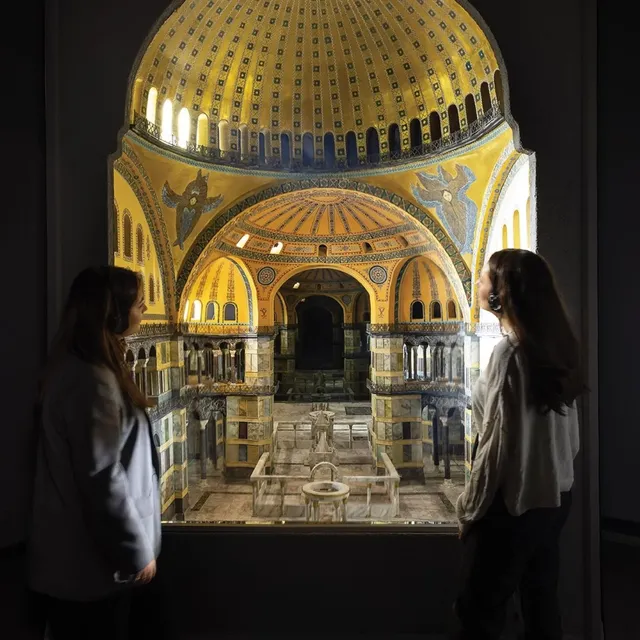
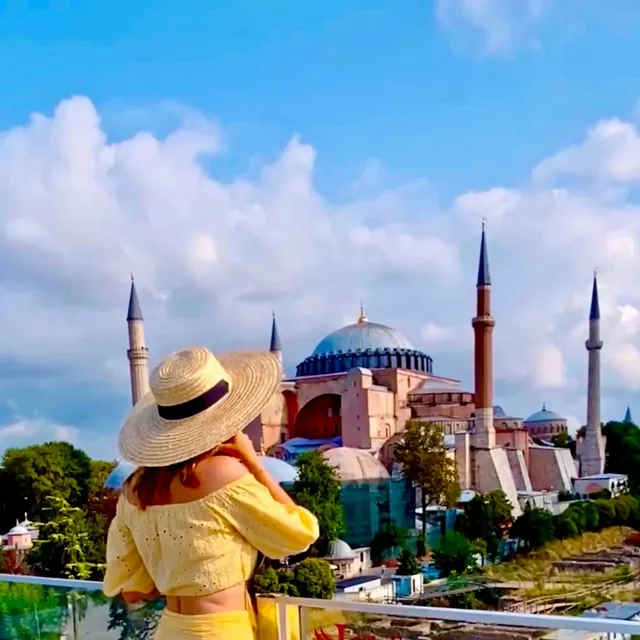
Visitors who want to see this layered heritage in physical form often combine modern city exploration with major landmarks such as Hagia Sophia, where the city’s long cultural continuity becomes especially visible.
What makes Istanbul a gateway to the world
All these elements come together to make Istanbul a gateway between Turkey and the world. Its geography links two continents. Its history connects empires and modern institutions. Its transportation network supports trade by land, air, and sea. Its multicultural structure welcomes both local and foreign communities. Its educational institutions and business environment continue to attract interest from abroad.
For these reasons, Istanbul remains a practical and symbolic gateway between Europe and Asia. The city’s identity is built on connection: between continents, between cultures, and between commercial networks. That is what makes the idea of Istanbul as a Eurasia gateway still relevant today.