Inside the Ibrahim Pasha Palace
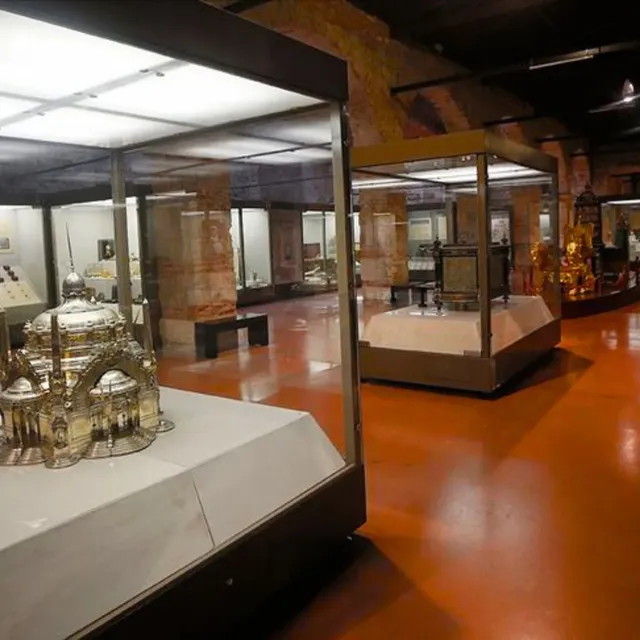
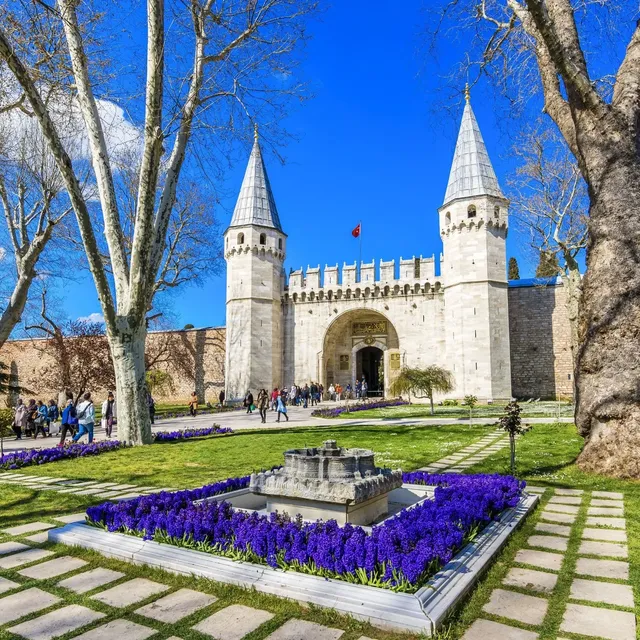
Ibrahim Pasha Palace is one of the most remarkable historic buildings in Sultanahmet, and today it houses the Turkish and Islamic Arts Museum. Inside, the museum is divided into distinct sections, each presenting a different layer of Islamic and Ottoman artistic heritage. For visitors exploring nearby landmarks such as Sultanahmet Square and the Blue Mosque, it is an easy and rewarding cultural stop.
The Damascus manuscripts section contains important historical and theological writings and includes some of the earliest examples of Islamic art. Highlights include several Qur'anic parchments, historical records regarding Damascus, Qur'anic roll manuscripts, and material related to a range of Islamic handicrafts.
One of the most notable objects is the Old Door of the Cizre Great Mosque, which is thought to have belonged to the Artuqids. It is covered with bronze plates and features a wooden framework, while brass plaques and rods form part of its decoration. Three medallions symbolize infinity, each centered with a twelve-armed star on the two wings of the entryway. The door knobs are decorated with two dragons and a lion's head in the middle, and the upper part of the door is covered with a thuluth epitaph.
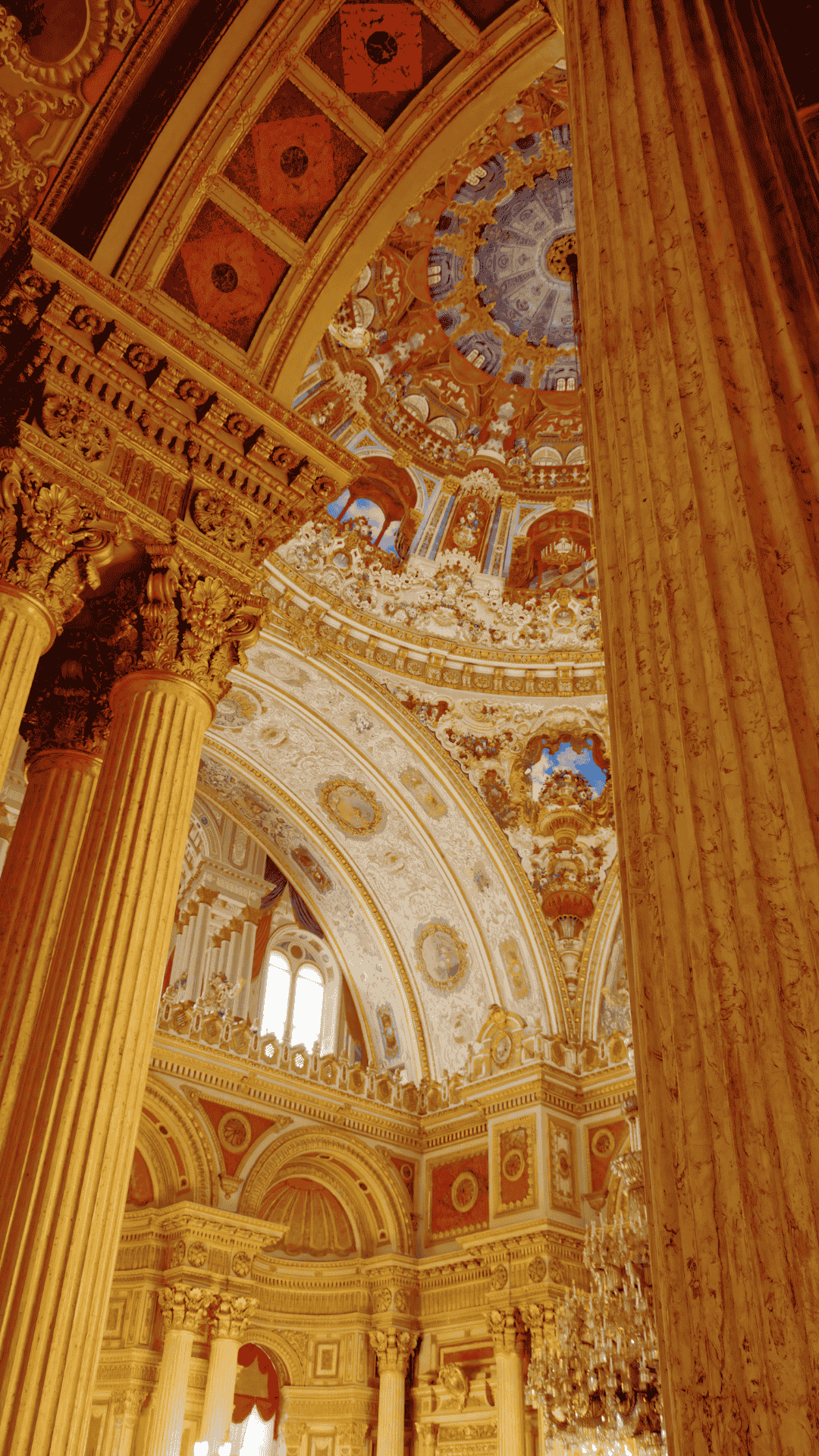
If you want to see large hand-woven Ottoman and Seljuk carpets, head to the carpets and rugs department. The display makes it easy to notice the artistic differences between Ottoman and Seljuk weaving traditions. This enormous hall presents carpets and rugs of many sizes in exhibition windows, revealing impressive levels of detail. The only surviving Seljuk carpets are on display here. This hand-woven carpet collection, spanning Ottoman and Seljuk works from the 13th to the 20th centuries, is considered among the best and largest in the world.
Some of the rarest objects from Islamic history can be found in the museum's religious relics section. This area includes holy manuscripts, Qur'ans, and epitaphs. The Prophet Muhammad's beard and one of his footprints are also preserved here, attracting many Muslim visitors from around the world.
The wooden artifacts section presents examples of Anatolian wooden arts from the 9th and 10th centuries. The Anatolian Seljuks, the Period of Principalities, and the Ottomans all left behind a broad variety of wooden works. Visitors can see inscriptions on wooden artifacts, numerous Qur'anic fragments, Ottoman furniture such as footstools and drawers, and marquetry.
The ethnography section offers something like a short trip back to 19th-century Istanbul. It includes displays reflecting important aspects of daily life in that period, including classic Ottoman clothing, Turkish baths, coffeehouses, picnic culture, and Karagoz & Hacivat performances. If this part especially interests you, you may also enjoy reading about the Turkish Bath (Hammam) tradition in Istanbul.
Ibrahim Pasha Palace tickets and visiting hours
Depending on the season, visiting hours at the museum vary. The museum is open daily from 9 AM to 5 PM, except Mondays, from 1 October through 1 April. From 1 April to 1 October, it is open daily from 9 AM to 6 PM, except Mondays. As schedules can change, it is best to check the official sources before your visit, such as the Turkish museum guide at muze.gen.tr.
The entrance fee mentioned for adults is 200 Turkish Liras, and there is no student discount stated in the original information. The Istanbul Museum Pass is accepted, which can be practical if you plan to visit several museums during your stay. Since prices may change over time, check the official site before going.
Because the museum draws strong interest from both locals and tourists, it is smart to arrive early, especially if you are also planning to visit nearby sights like Hagia Sophia on the same day.
Ibrahim Pasha Palace location
The palace is located in Sultan Ahmet Square in the Fatih district, very close to the Sultan Ahmet Mosque. It is best known today as the home of the Turkish and Islamic Arts Museum, making it easy to identify on most map applications. For official travel planning in Istanbul, you can also consult iett.istanbul for public transport information.
The most common way to get there is to take the Kabatas–Bagcilar tram line and get off at Sultanahmet station. From there, the museum is about a 5-minute walk.
If you are coming from the Asian side, you can take a ferry to Eminonu from Kadikoy or Uskudar and then connect to the tram line. If you are staying around Taksim, you can use the Taksim–Kabatas funicular to reach Kabatas and transfer to the Kabatas–Bagcilar tram.
Thanks to its central setting, the palace can easily be combined with a walking route through the old city, including Sultanahmet's major monuments and museums.