History of Blue Mosque and Its Imperial Vision
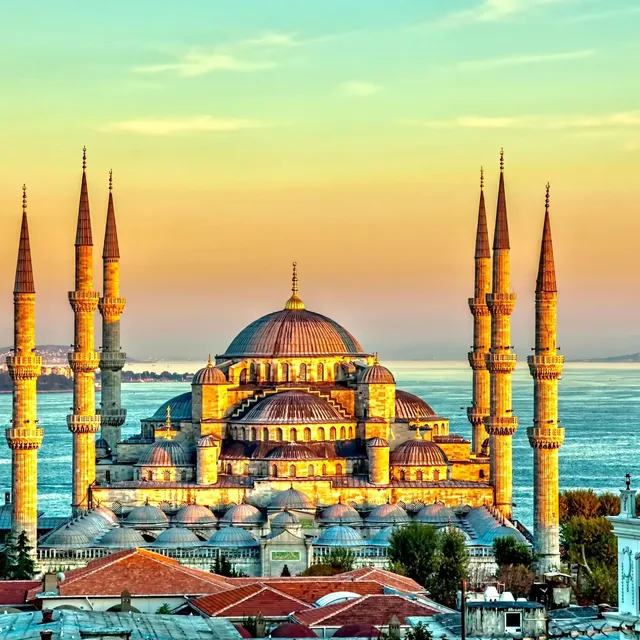
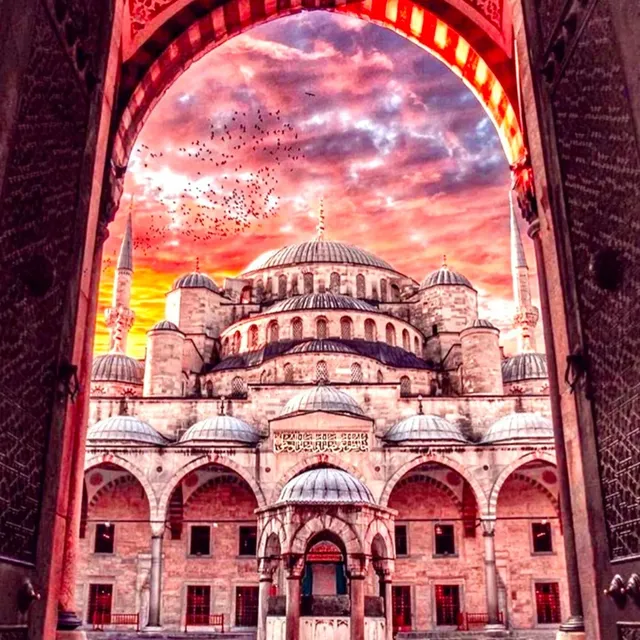
One of the main reasons people remain curious about the mosque is the scale of the ambition behind it. Blue Mosque architecture carries the breeze of traditional Islamic arts, the footprints of Ottoman architecture, and glimpses of Byzantine influence inspired by Hagia Sophia. From the beginning, the mosque was meant to stand as a powerful imperial statement in the heart of the city, in today’s Sultanahmet Square.
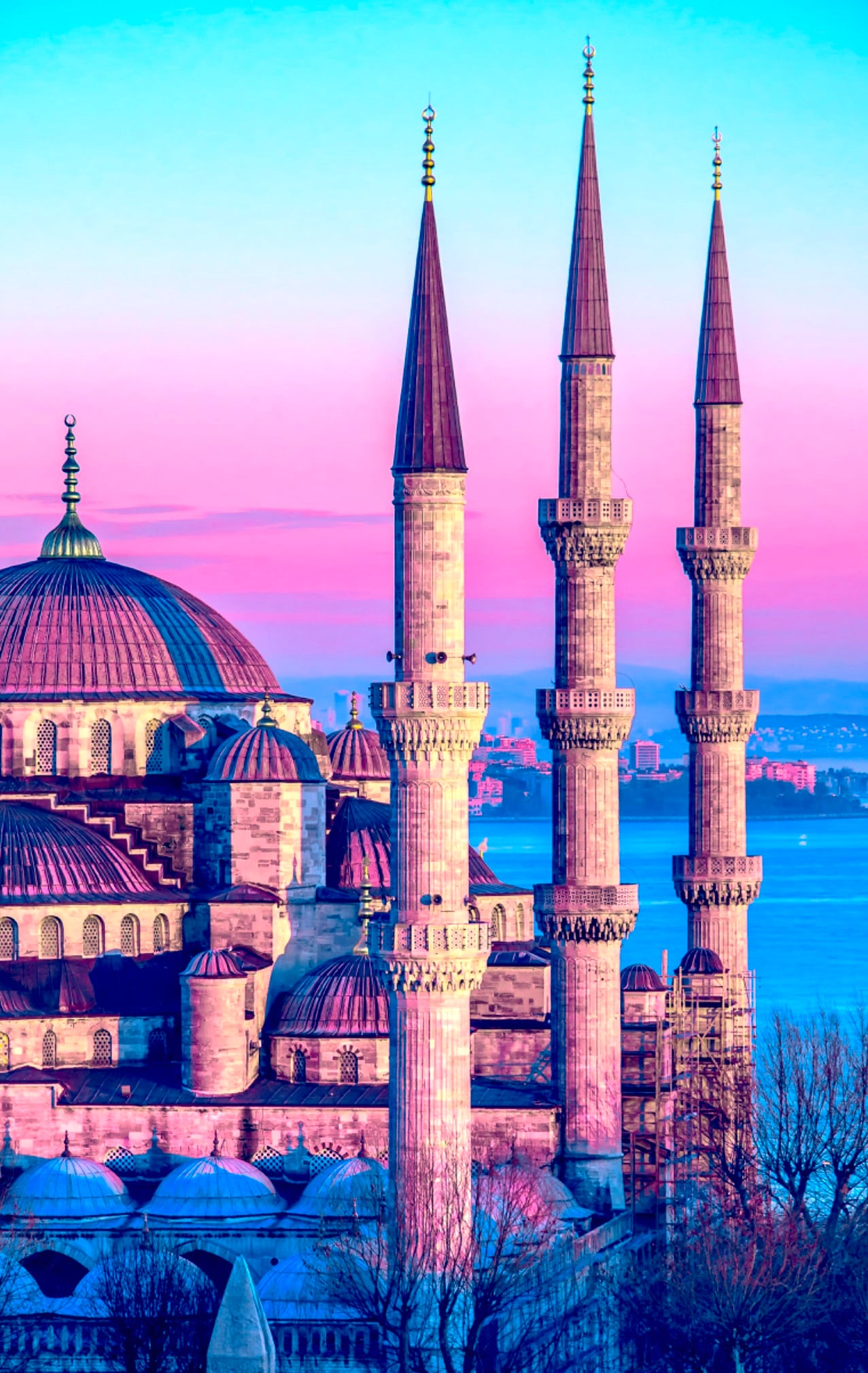
Probably the question triggering curiosity most is what makes Blue Mosque famous in the world: its hugeness, its artistic level of decoration, or its six minarets. The answer is really a combination of all three. Its design, decorative richness, and symbolic status have made Sultan Ahmet Mosque one of Istanbul’s most recognized monuments.
The Reputation of İznik Tiles at Blue Mosque
The indoor walls and dome surfaces are covered by more than 20,000 İznik tiles with tulip designs in 50 varying motifs. The lower floors of the mosque, with more flower-like motifs, are usually compared to the upper decorations of traditional İznik style. That is why blue is the dominant color in the majority of the decorative pieces of Sultan Ahmet Mosque, and why the monument became widely known as the Blue Mosque.
Another frequent question is what the Blue Mosque is made of. It is known that the mihrab and the Sultan’s mahfil were made of artistically carved and sculpted marble. Crystal lightings were added to reinforce the illumination coming from 28 vast windows that let sunlight in. Thanks to those breathtaking İznik tiles and calligraphy decorating the domes, the Blue Mosque was recorded within the UNESCO World Heritage listing for the Historic Areas of Istanbul in 1986. You can read more about the site through UNESCO.
Why Blue Mosque Has Six Minarets
Another fact that raises interest is the reason why Blue Mosque has 6 minarets. There is a legend-like story saying that Sultan Ahmed I ordered the architect to build golden minarets, which was allegedly misunderstood as a request for six minarets because of homonymic words in Turkish. After the Blue Mosque with six minarets had been completed, the Sultan was accused of being impertinent, since the Prophet’s Mosque in Mecca was the only mosque with six minarets at that time. To overcome the problem and show respect, the Sultan had a seventh minaret added to the latter.
Whether taken as legend or court anecdote, this story has become one of the most repeated parts of the Blue Mosque narrative and continues to shape how visitors remember the monument.
Visiting Tips at Blue Mosque
Blue Mosque is not merely a museum; it is an active mosque that opens its gates daily to worshipping Muslims. This naturally makes visitors think about how to visit Blue Mosque and what to wear to the Blue Mosque. Visitors are welcome to see this magnificent work during the day, except for pauses of about half an hour so as not to distract worshippers. During Friday rituals, Blue Mosque is closed for about 90 minutes at noontime.
Another very important issue is dress code. To respect God and the House of God, all visitors must take off their shoes and use plastic covers while visiting Sultan Ahmet Mosque. Female visitors are required to cover their heads, hair, and shoulders with a textile head cover if they are not already dressed accordingly. This is also a requirement during worship. Visitors are expected to be respectful to the worshipping community by not staring at people in prayer and by not using flash photography.
There is no entrance fee, but a donation is welcome to support the cleaning and upkeep of this historical masterpiece. If you are wondering whether you can visit the Blue Mosque at any time, the answer is broadly yes, with exceptions during prayer periods. The building is open for prayer from early morning until late evening. Visitors generally cannot enter during worship times; they should wait until 09:00 in the morning and are free to visit until early evening before the mosque closes to tourists.
For updated visitor guidance, it is always wise to check current details through official Turkish tourism or local sources such as GoTürkiye, especially if you are planning around prayer times or major holidays.
Blue Mosque Tour Selections
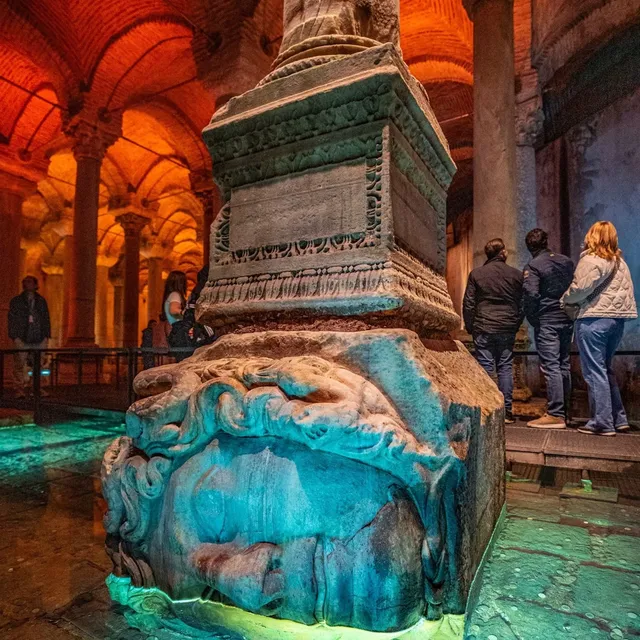
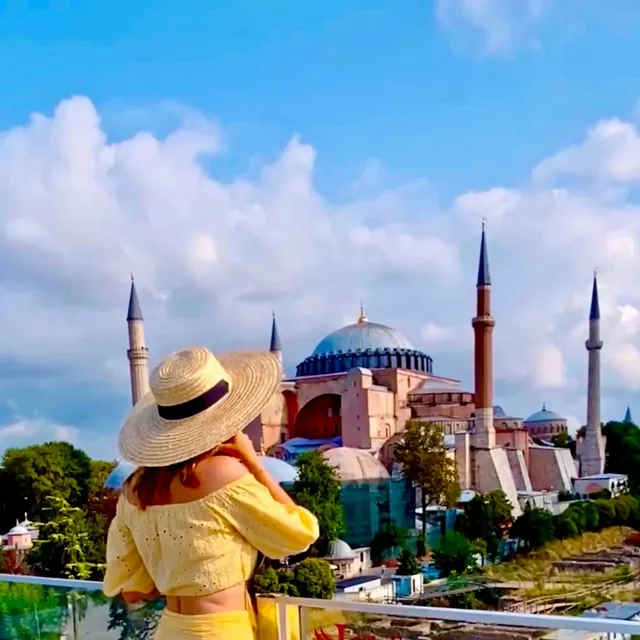
In order to arrange your Blue Mosque visit, it is worth considering a broader route through the Historic Peninsula. Many travelers pair the mosque with nearby highlights such as Basilica Cistern and Hagia Sophia for a fuller understanding of Byzantine and Ottoman heritage in one walkable area.
If you want to enjoy your time after visiting the historical peninsula, another option is to continue toward Beyoğlu and feel the rhythm of Istiklal Street. It is easy to transfer from the Blue Mosque area by public transport. The district’s central location makes it practical to combine major historical landmarks and modern city life in a single day.