All About Sea Taxi in Istanbul
The sea taxi service in Istanbul has returned after years of limited visibility, and as of 2021 it is back on track. One of the main aims behind relaunching sea taxis is to help reduce pollution while offering another way to move between the city’s two continents. For visitors and residents alike, it adds a flexible way to experience Istanbul from the water.
Transportation is a major priority in a city as large and busy as Istanbul. Alongside buses, metro lines, ferries, Marmaray, dolmuş and other options, sea taxis offer a local transport service with a capacity of 10 people. According to the original rollout, the service operates 24/7 and serves more than 20 destinations. It can be especially practical for people living on one side of the city and working on the other, since it offers a fast way to cross the water.
Unlike regular ferries, sea taxis are not described as being tied to fixed routes or limited departure hours. That flexibility is part of their appeal. If you want a more private ride on the water and a different perspective on the city skyline, the sea taxi can feel like a convenient alternative to larger, often crowded ferries. If you are planning a scenic outing on the water, you can also compare the experience with a Bosphorus Cruise.
Sea Taxi Fares
Passengers can order or call sea taxis through the IBB Deniz Taksi online application. The pricing shared at launch was based on an opening fee plus a per-mile fare after certain distance thresholds. As fare policies can change, it is wise to check the official operator before traveling.
For boats with a capacity of 10 passengers, the opening fee was announced as 210,00 Turkish Liras (around $8.00). After that, an additional fare would be charged per mile once a certain distance was exceeded.
According to the published fare structure, customers were required to pay 155,00 Turkish liras ($5.93) per mile between 1 and 4 miles, 125,00 Turkish liras ($4.78) per mile between 4 and 8 miles, and 100,00 Turkish liras ($3.83) per mile after 8 miles for sea taxis. The Istanbul Metropolitan Municipality also stated plans to introduce a “shared taxi” concept, with the aim of making the service more affordable per passenger.
If 10 people use the sea taxi together, the dolmuş model can be applied. In that case, the opening fee would be 10 TL per person. According to the municipality decision referenced in the original announcement, the opening fee is 100 TL for those who want to use the water taxi alone. After a certain mile is exceeded, the fee per mile is added.
- Uskudar-Besiktas: 100 TL
- Kadikoy-Beylerbeyi: 361 TL
- Bostanci-Kinaliada: 257,5 TL
- Buyukada-Heybeliada: 112,8 TL
- Buyukada-Maltepe: 220 TL
These are among the best-known sample destinations mentioned for sea taxis, but they are not the only places you may choose. If your route includes the islands, you may also want to read about the Princes' Islands before planning your trip.
Sea Taxi and Other Local Transportation Services
Istanbul offers many ways to get around: buses, metrobus, dolmuş, metro, ferry, funicular and Marmaray all serve different needs. The best option depends on your route, schedule and budget. Still, sea taxis stand out as one of the fastest local transportation choices when you need to cross the sea.
They can also help minimize the stress of road traffic, especially if your journey naturally connects two waterfront points. And unlike land transport, a ride across the Bosphorus or nearby waters comes with sea air and open views. For travelers who enjoy making transportation part of the sightseeing experience, that alone can make sea taxis memorable.
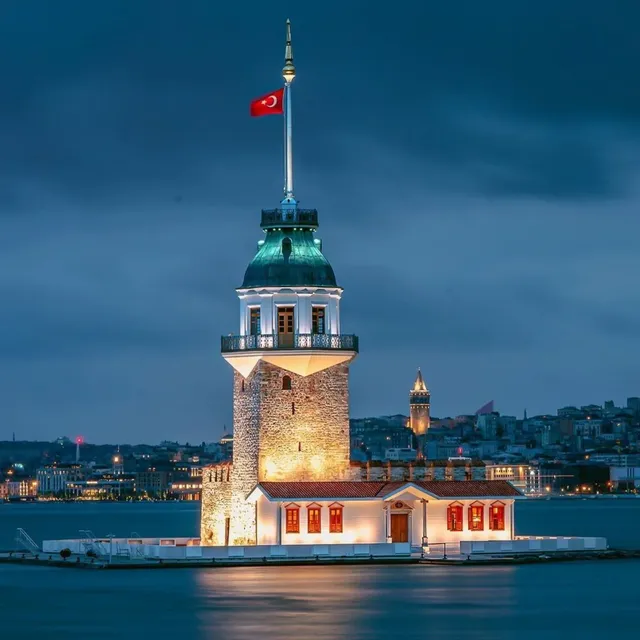
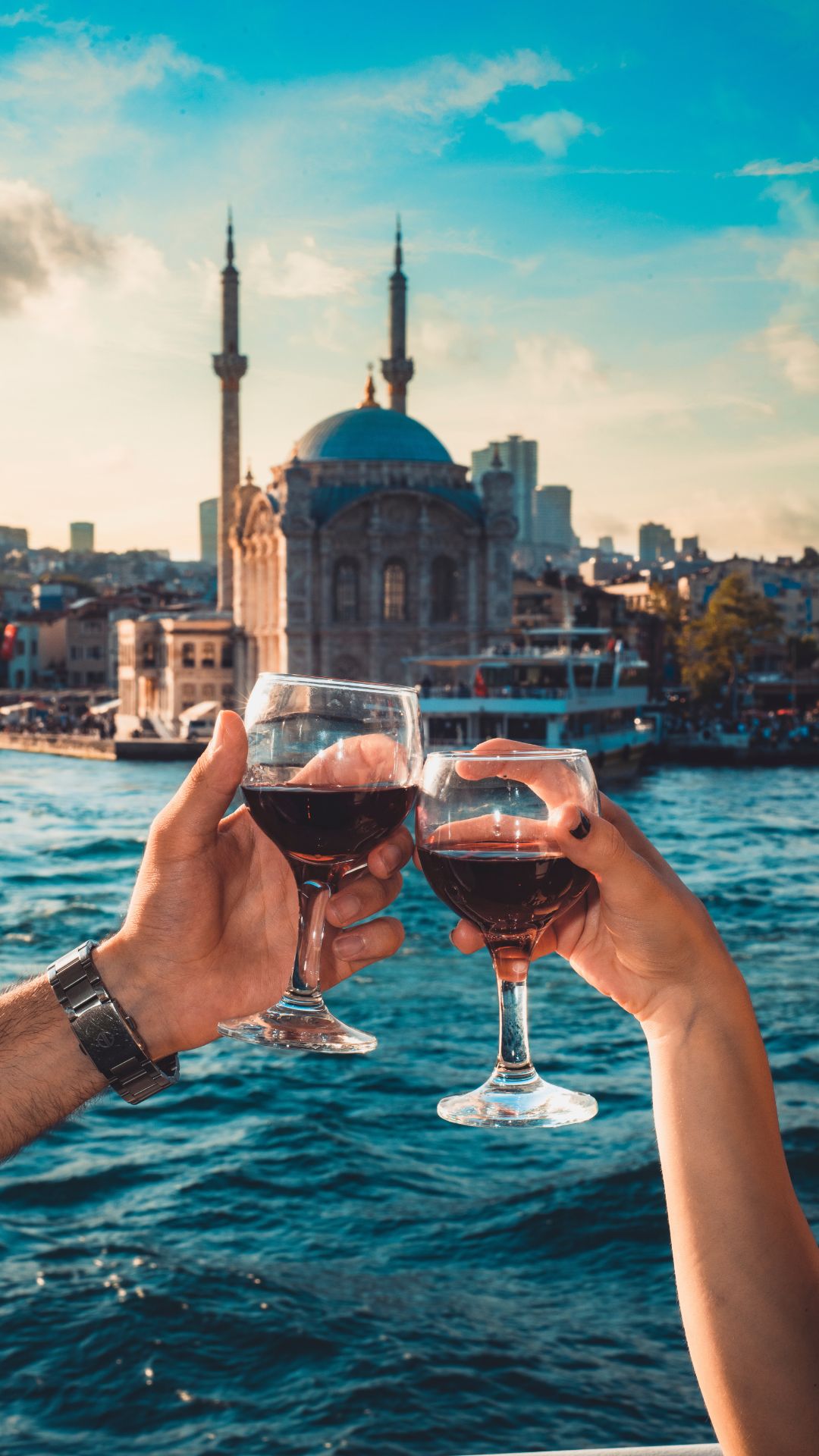
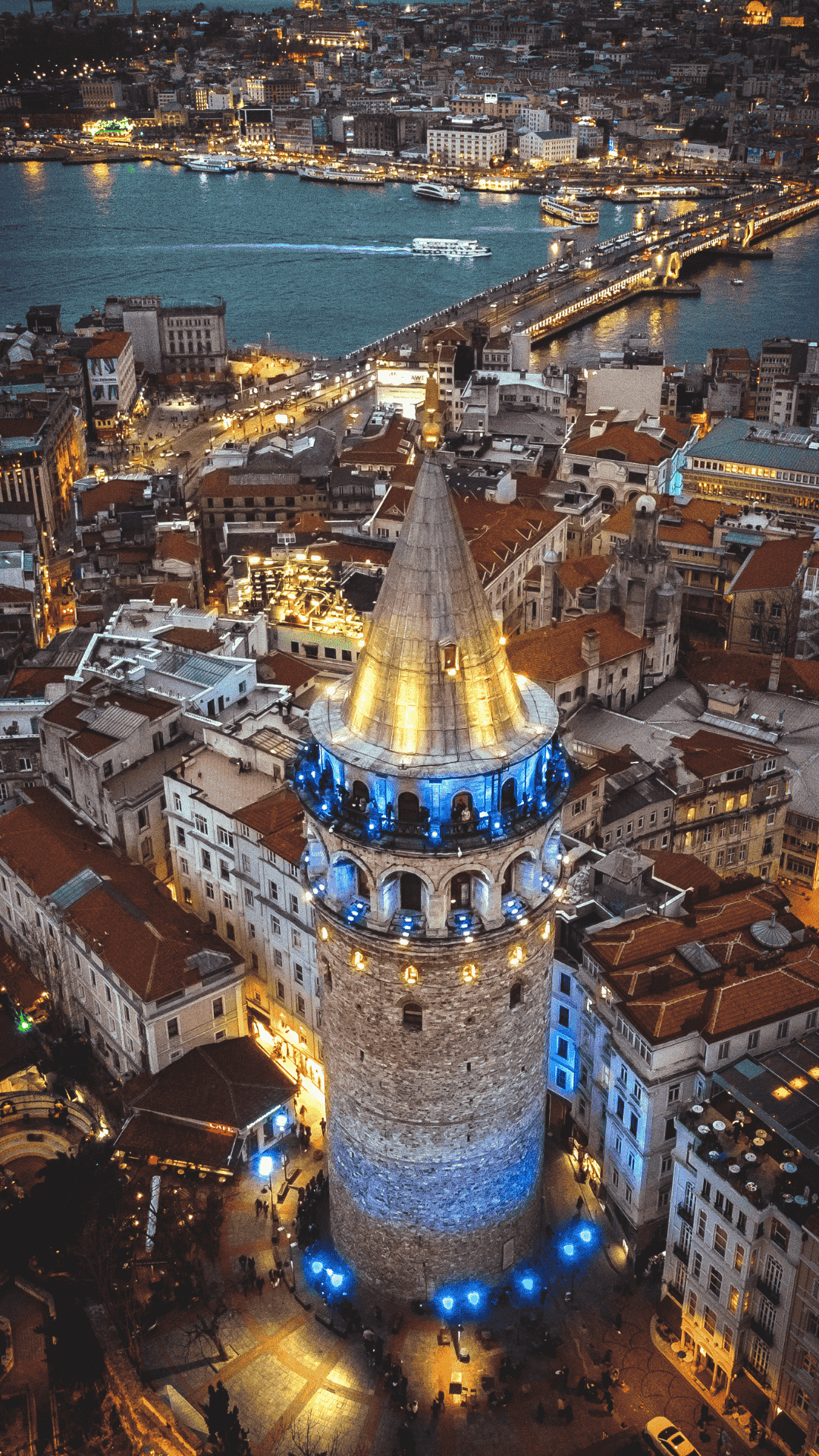
In that sense, a sea taxi ride is not just practical. It can also add atmosphere to a day spent exploring places such as Ortakoy Mosque or the waterfront around Maiden's Tower. If you are passing through a ferry area, you may also notice one of Istanbul’s familiar scenes: people feeding pigeons with simit.
The Environmental Advantage of Sea Taxi
Compared with many other transportation options in Istanbul, sea taxis were introduced with a strong environmental message. The newer design was presented as an environmentally friendly vehicle and was also specially designed for accessibility. The boats were planned to be easier to use for disabled passengers, families with strollers and cyclists.
The newest sea taxi design, entirely domestically fabricated in Halic Shipyard, was attributed to Sinem Dedetas, the General Manager of City Lines. The sea taxis also attracted attention because of their environmental features. Five of these sea taxis, which were said to consume only about 3 liters of fuel per mile, would run with electricity.
During the design process, special attention was paid to comfort and inclusivity so that different disability groups could use the service more easily. Disabled people, families with baby carriages, battery-powered vehicles and cyclists were all considered in the new generation water taxi concept.
The color of the first sea taxi designed and produced by the Istanbul Metropolitan Municipality was chosen by public vote in Istanbul. The selected tone of blue, called “Bosphorus,” reportedly won 150 percent of the total 36 thousand votes. The color naturally suits the city’s maritime identity and the Bosphorus setting.
If you want to review transport updates or related public transit information, official city transport resources such as Şehir Hatları and IETT can help you verify current details.
Is Sea Taxi Worth Trying?
For anyone who wants a faster, more flexible water crossing, the sea taxi adds something different to Istanbul transportation. It combines practicality, waterfront views and a more private experience than a regular ferry. While there is still room for improvement in environmental applications and pricing accessibility, the relaunch remains an important step for the city’s transport network.
If you visit Istanbul and want to see the city from the water in a more direct way, the sea taxi may be worth considering. It is both a transport option and a small reminder that in Istanbul, moving from one place to another can be part of the travel experience itself.