Istanbul Travel Essentials for Visa & Entry
Check your visa before you fly. Many nationalities can apply for an e-Visa online in a few minutes through the official portal. Some travelers may also be able to get a visa on arrival, but applying in advance is usually easier and faster at the airport. For the latest rules, check the official government sources before departure.
Passport validity matters. Aim for at least six months of validity beyond your planned departure date. It is also wise to keep a digital copy of your passport and your accommodation details on your phone.
Arrival is usually straightforward. At passport control, you may be asked about the purpose of your visit and where you are staying. Keep your e-Visa, return ticket, and hotel or apartment booking ready.
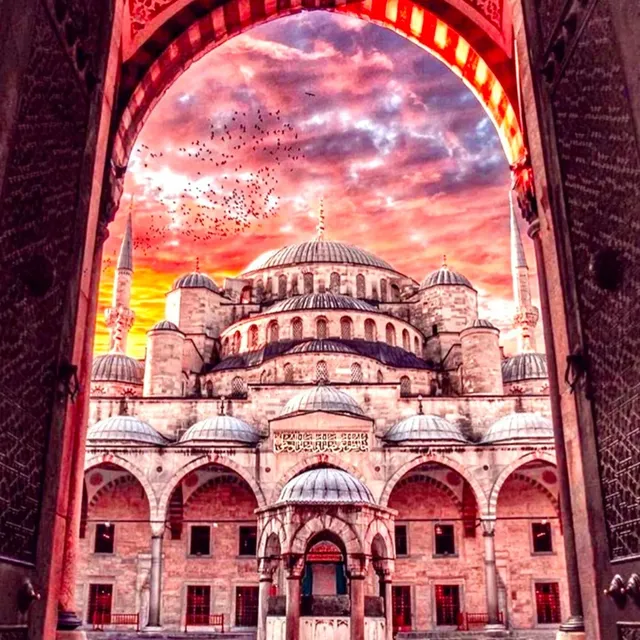
Once you arrive, many visitors head straight toward historic areas such as Sultanahmet Square, so having your documents organized makes the first day much smoother.
Currency & Payments
The currency is the Turkish Lira (₺). Cards are widely accepted in hotels, restaurants, malls, and large stores. Contactless payments work in many places. Some taxis accept cards, but not all do.
Carry some cash. Street food stalls, small cafés, local markets, ferries, and public restrooms may still be cash only. ATMs are easy to find, and machines attached to major bank branches are usually a better choice than standalone units.
Tip with a light hand. Tipping is optional but appreciated. In restaurants and cafés, 5–10% is common if service was good. Some venues already include a service charge listed as servis ücreti on the bill, so check before adding more.
Choose lira on the terminal. If a machine asks whether to charge in your home currency or in Turkish Lira, choose lira to avoid poor exchange rates from dynamic currency conversion.
Mobile wallets can be inconsistent. Apple Pay, Google Pay, and Samsung Pay may not work reliably with every local terminal. Bring at least one physical card and use it directly when needed.
Time Zone
Istanbul uses GMT+3 all year. Turkey does not change clocks for daylight saving time, which makes trip planning simpler.
Quick offsets: London +3 hours, Paris +1 hour, Dubai −1 hour, New York +7 hours, Los Angeles +10 hours, Tokyo −6 hours, Sydney −7 hours.
Weather & Seasons
There are four seasons, each with its own mood. Pack layers year-round and bring a compact umbrella. Sea breezes can change the feel of a day quickly.
- Spring (Mar–May): mild, green, and ideal for long walks. Typical highs 12–21°C (54–70°F).
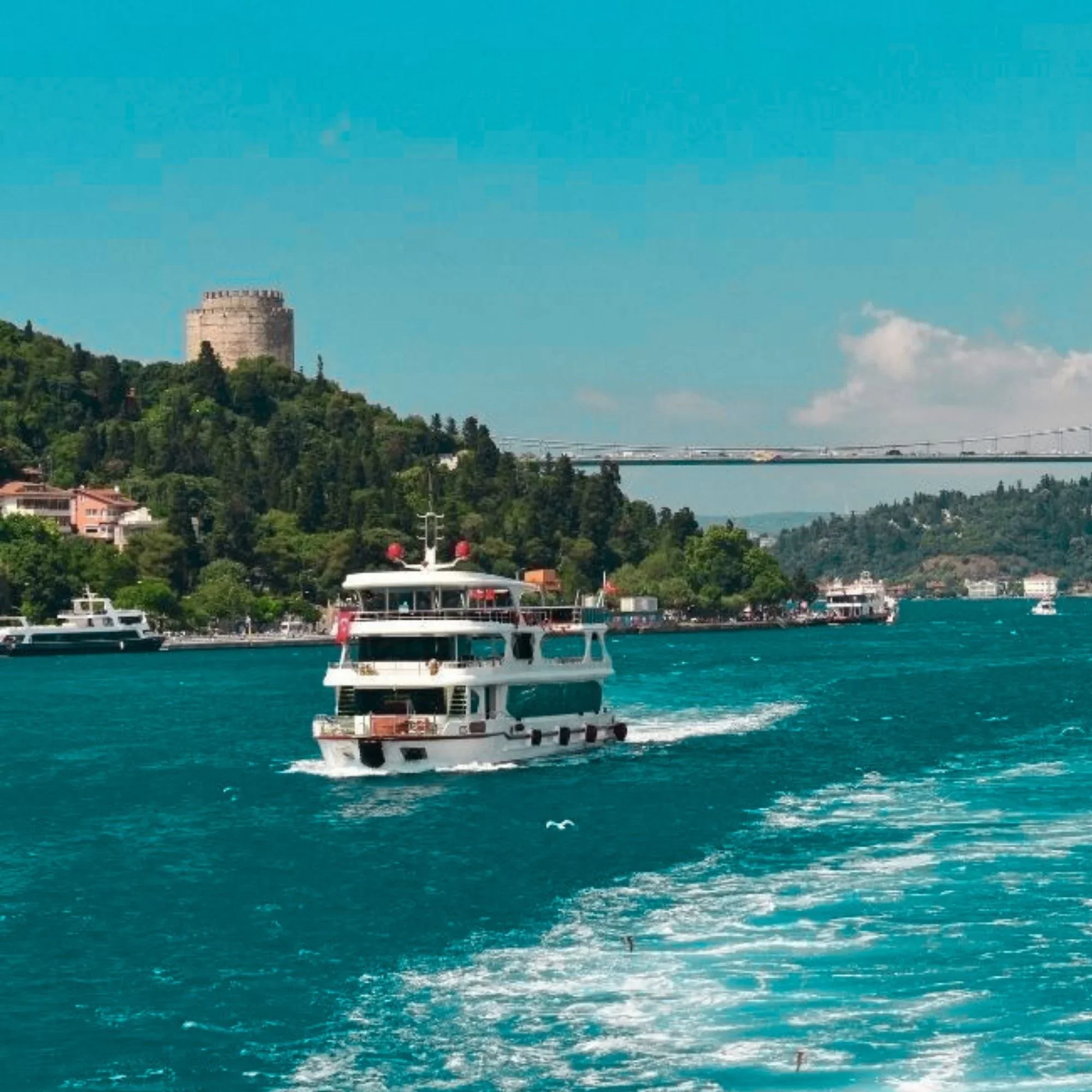
- Summer (Jun–Sep): warm to hot and lively, great for rooftops and a Bosphorus Cruise. Typical highs 24–32°C (75–90°F).
- Autumn (Oct–Nov): golden light, pleasant days, and cooler nights. Typical highs 15–23°C (59–73°F).
- Winter (Dec–Feb): chilly, with rain and occasional snow. Typical highs 6–12°C (43–54°F).
Winter is also the season when a traditional Turkish Bath (Hammam) can feel especially welcome.
Electricity & Plugs
Voltage is 230V, 50Hz. Plug types are Type C and Type F with two round pins. Most of Europe plugs in directly. UK visitors need an adapter. Visitors from the US, Canada, and Japan need an adapter and should check that devices are dual voltage. Many laptop and phone chargers already support 100–240V, so only a plug adapter may be necessary. Always check the charger label.
Toilets & Hygiene
Public toilets are common in malls, metro stations, parks, and major sights. In modern venues, facilities are usually clean.
Styles vary. Most places have Western toilets, while some traditional venues still use squat toilets. Both are normal.
Carry tissues or wipes. Not every restroom stocks paper. Many restrooms also include a built-in bidet hose, which is standard locally.
Keep coins with you. Small fees are common at paid restrooms, and card terminals are uncommon at these entrances.
Language Tips
Turkish is the official language. English is common in tourist areas, hotels, and many restaurants, but a few local phrases can make daily interactions easier.
- Hello: Merhaba
- Thank you: Teşekkür ederim
- Please: Lütfen
- How much is it?: Ne kadar?
- Delicious: Lezzetli
- Good evening: İyi akşamlar
- The check, please: Hesap lütfen
Tip: add lütfen to any request. Politeness is always appreciated.
Health & Emergencies
Dial 112 for any emergency. Ambulance, fire, and police share the same number nationwide.
Pharmacies are called “eczane”. Standard hours are Monday–Saturday, 09:00–19:00. Each area also has a rotating after-hours pharmacy called nöbetçi eczane for nights, Sundays, and holidays. Your hotel can usually help you find the nearest one.
Travel insurance is a smart idea. In non-urgent situations, clinics and hospitals may ask for payment or proof of coverage, so keep your policy details handy.
Hospitals and clinics are modern. English-speaking staff can often be found in private facilities, especially in central districts such as Şişli, Beşiktaş, Levent, and Kadıköy.
For official visitor information and broader travel guidance, you can also check GoTürkiye.
Safety Tips
Istanbul is generally safe. Use the same common sense you would in any big city and you can enjoy central areas comfortably, including in the evening.
Watch your pockets in crowds. Busy spots such as the Grand Bazaar, Istiklal Street, and trams can attract pickpockets. Keep phones and wallets secure.
Use metered taxis. Ask the driver to turn on the meter before the ride begins. If not, step out and choose another taxi. Apps such as BiTaksi and Uber can help connect you with licensed taxis and provide receipts.
Be kind but firm. If a vendor is pushy, smile, say “Teşekkürler,” and keep walking. You do not owe anyone a conversation.
Getting Around
Public transport is extensive. Metro, tram, buses, ferries, and funiculars connect much of the city. Traffic can be heavy, so rail lines and ferries often save time.
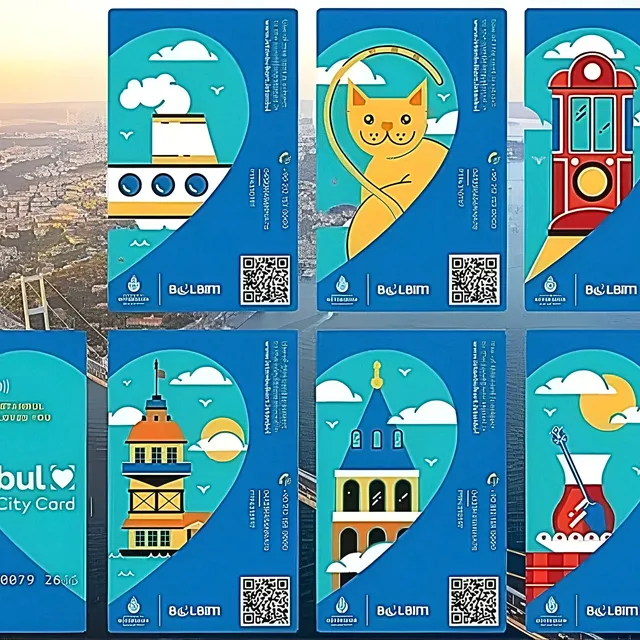
Get an Istanbul Public Transportation Card. The Istanbul City Card is an unlimited public transportation card that works on almost all public transport. You can buy it through istanbul.com for a selected time period, and there is no need to top it up because it is unlimited. One card can only be used for one person.
Airport transfers are simple. Options include metro, Havaist buses, taxis, and private cars. For late arrivals or lots of luggage, a prebooked transfer can reduce stress.
Ferries are part of daily life. Crossing between Europe and Asia is quick, scenic, and affordable. Sit outside when the weather is good. For routes and updates, see the official public transport resources such as Metro Istanbul.
Connectivity & SIM Cards
Staying online is easy. Hotels, cafés, and malls often offer free Wi-Fi. For steady mobile data, buy a tourist SIM or eSIM from a major provider. Bring your passport for registration.
Longer stays may involve extra rules. Unregistered foreign phones can be blocked after a set number of days on local networks. Short trips are generally fine. For longer stays, ask your carrier or a local shop about IMEI registration.
Food & Water
Tap water is treated, but many visitors prefer bottled or filtered water for taste. Tea, Turkish coffee, and fresh juices are easy to find almost everywhere. Street food is part of daily culture, and busy vendors with fast turnover are usually the best choice.
Cultural Etiquette
Warmth and respect open doors. Turkish hospitality is real, and even a few simple words in Turkish are often appreciated.
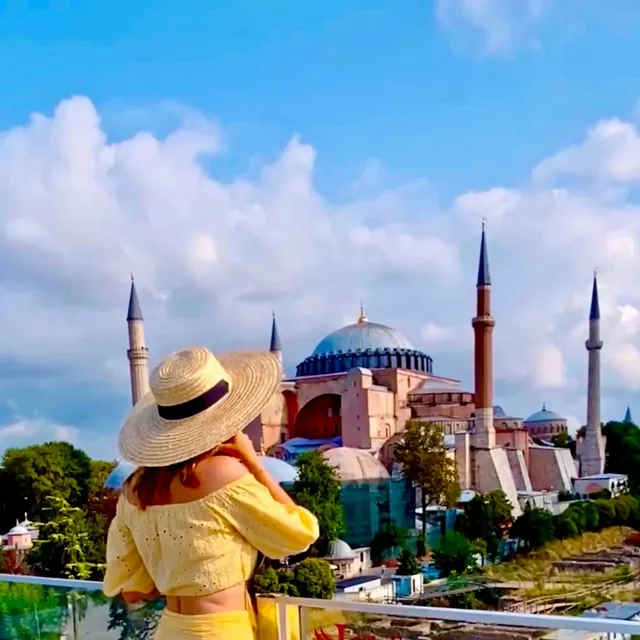
Mosque visits: Dress modestly, cover shoulders and knees, and remove shoes. Women cover their hair with a scarf. Keep voices low and avoid flash photography during prayer times, whether you are visiting the Blue Mosque or another active mosque.
Bazaars and markets: Bargaining is normal. Keep it friendly and enjoy the exchange. If the price does not work for you, say thank you and walk away.
Public spaces: In more traditional neighborhoods, it is best to keep displays of affection discreet. Tourist areas are usually more relaxed, but courtesy always helps.
Opening Hours & Holidays
Shops and malls generally open in the late morning and stay open into the evening, often seven days a week. Smaller family-run businesses may close on Sundays.
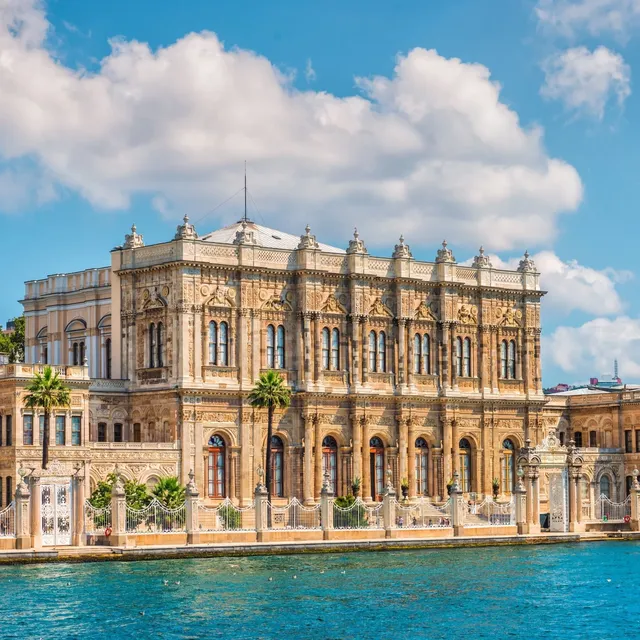
Museums and major sights may close one day per week or observe different schedules on public holidays. Check the official site before visiting, especially for palaces and smaller museums.
Quick Checklists
Before you fly
- Passport validity
- e-Visa if needed
- Travel insurance
- Confirmed lodging
- A small amount of cash in lira or a withdrawal plan for arrival
In your day bag
- Phone and power bank
- Tissues and hand sanitizer
- Istanbul transport card
- Water
- A light layer for breeze or sun
For payments
- At least one physical Visa or Mastercard
- A backup card stored separately
Final Thoughts
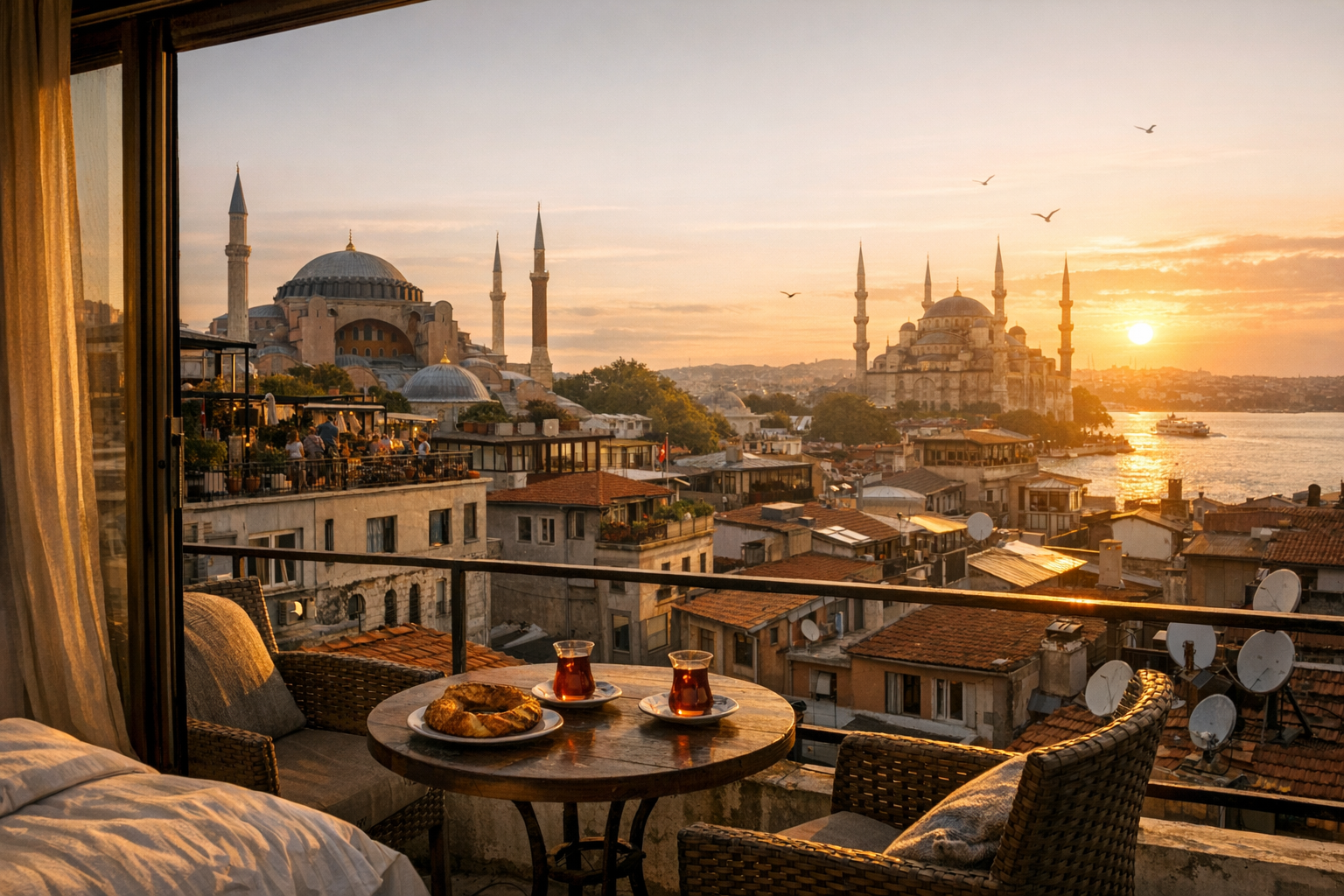
Istanbul is easy to love. With a little preparation and this page saved to your phone, you can focus on ferries at sunset, morning simit with tea, and the layers of history on every street. These istanbul travel essentials are here to help you spend less time worrying about logistics and more time enjoying the city.