Tunel and Galata: a historic connection
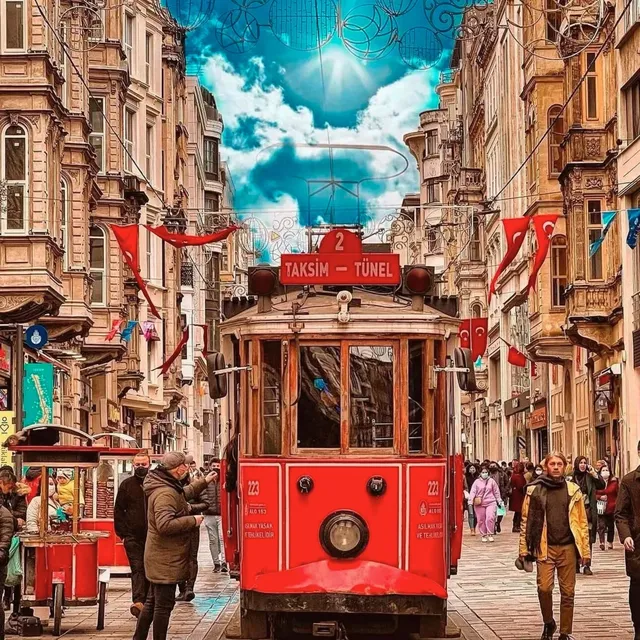
Tünel is the last stop of the tram that starts its route at Taksim Square and moves along İstiklal Avenue. The name of the area comes from the metro tunnel located just behind the tram stop, the line that operates between Karaköy and Beyoğlu. For current service information before you go, it is worth checking Metro Istanbul.
Tünel is known as the world’s third oldest mass transportation system after the railway systems built in London in 1863 and New York in 1868. That historical distinction is only part of its appeal. It is also one of the best shortcuts you can take from Galata to Karaköy, which means the line still feels useful, not just nostalgic, when you are moving between the upper and lower parts of the district.
Walking down from Tünel to Galata
Head from the square toward Galata and you can come across numerous stores lined up side by side along Galip Dede Street, many of them selling various kinds of music instruments. This stretch gives the walk its own personality. Instead of rushing downhill, it is worth slowing your pace and letting the shop windows, sounds, and changing street texture guide you toward the neighborhood below.
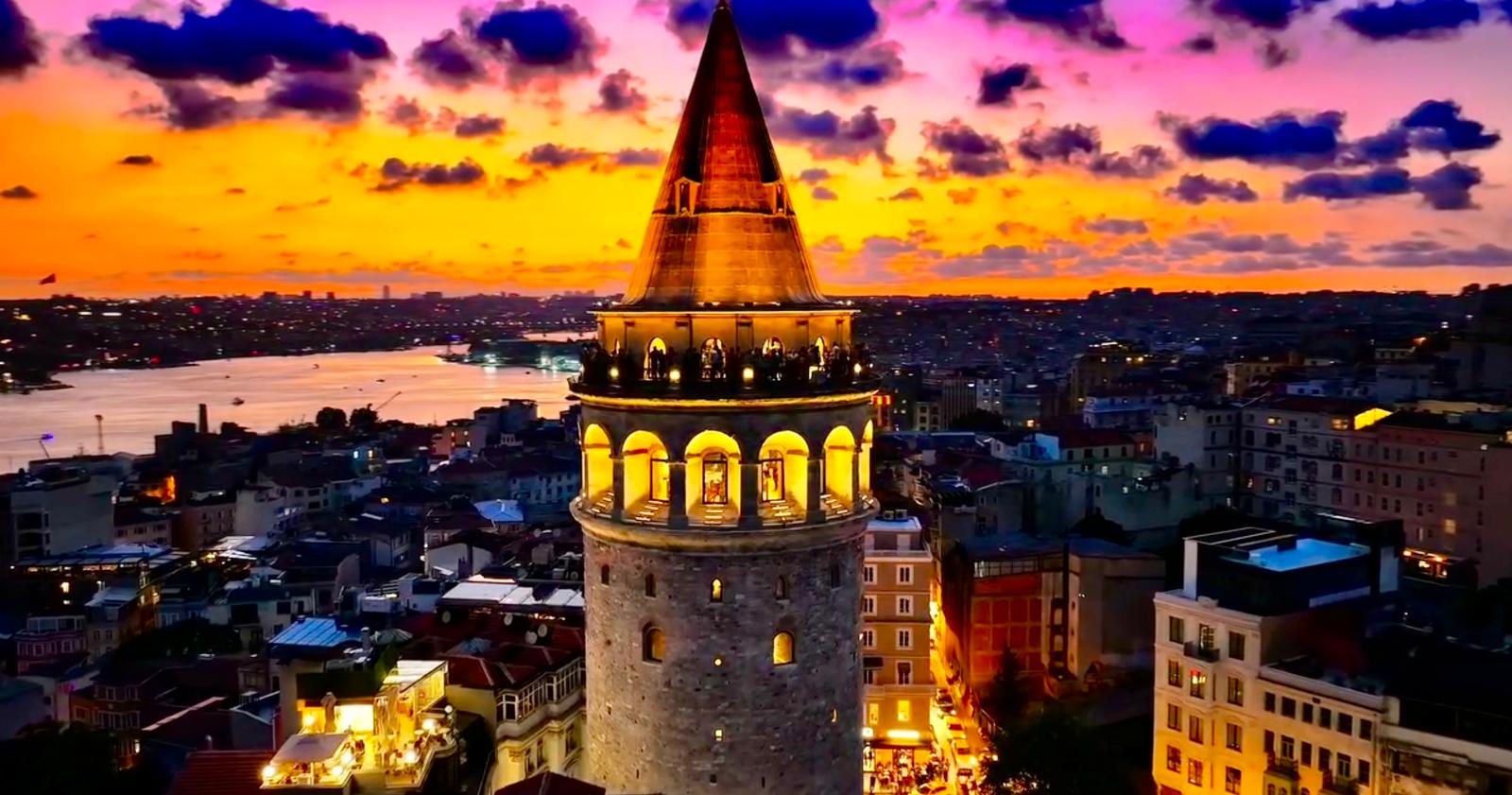
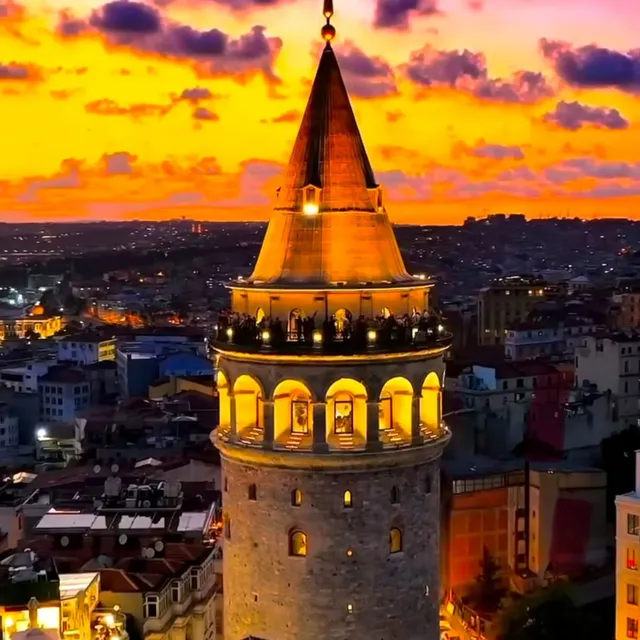
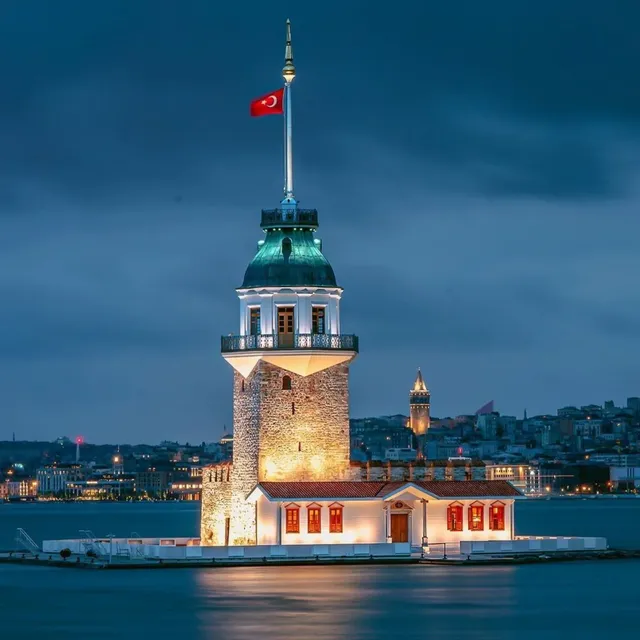
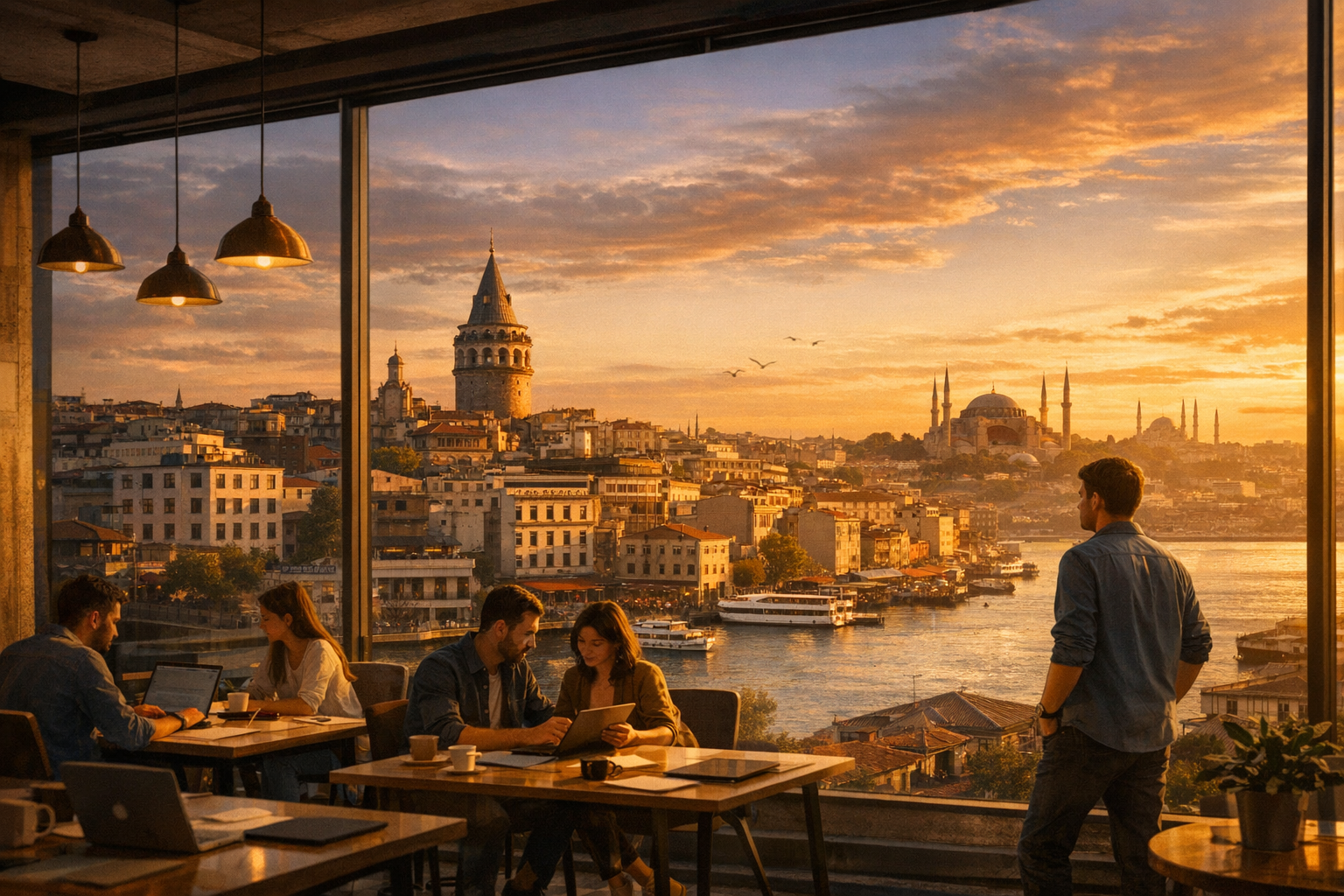
The name Galata is derived from the Greek word "Galaktos," meaning "milk." Today, the Galata region is one of the most precious historical and touristic areas of Istanbul. Historical buildings left from the Genoese remain important elements of the district’s texture, and they help explain why the area still feels distinct from the rest of the city. We should not forget the Galata Tower, rising at one of the most beautiful points in the district and still defining the skyline around it.
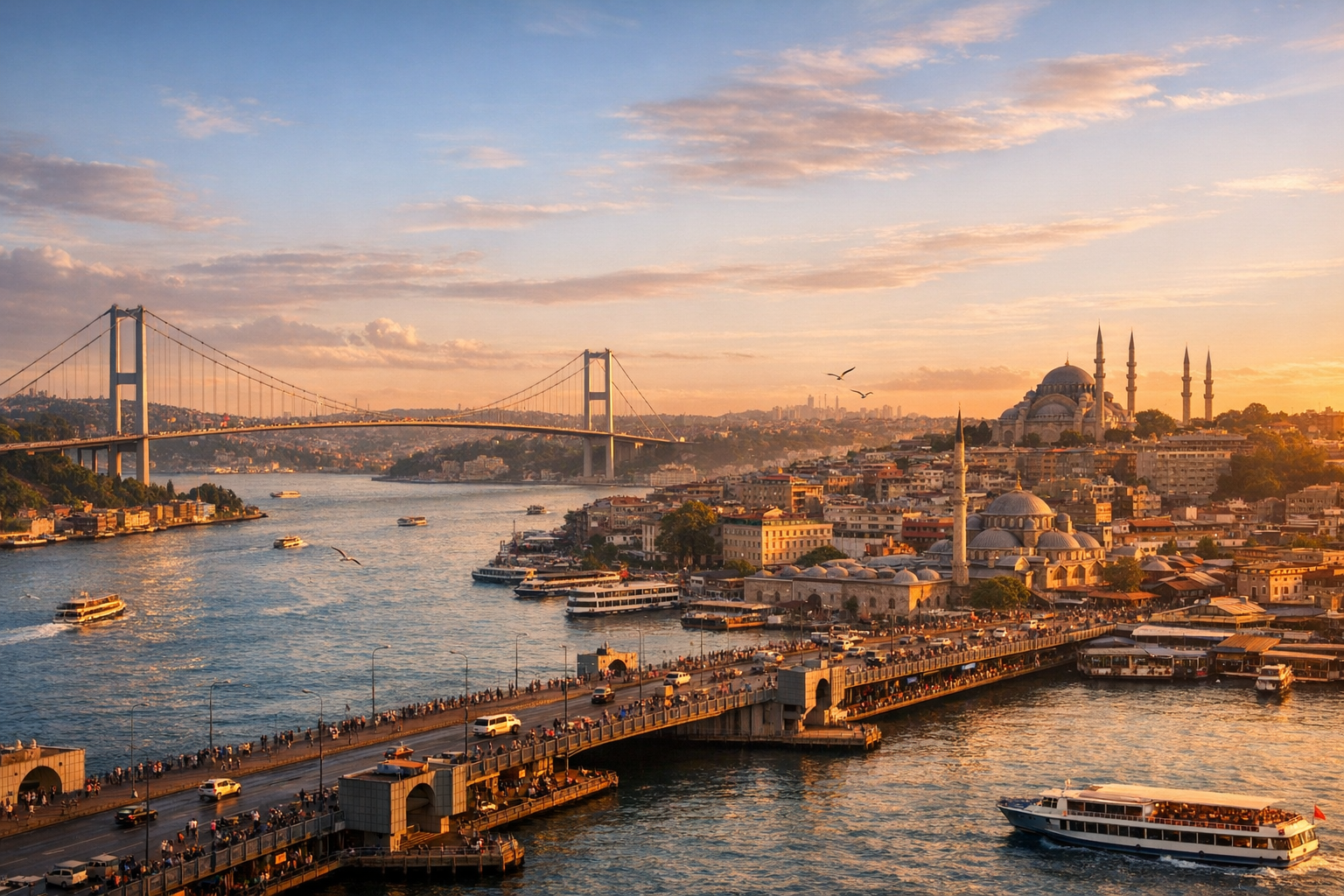
If you continue your descent toward Karaköy, the route also brings you closer to the water and the wider setting of the Golden Horn. Even on a short visit, this makes Tunel and Galata feel connected not only by streets and history, but also by the broader geography that shaped old Istanbul.
The colorful nightlife
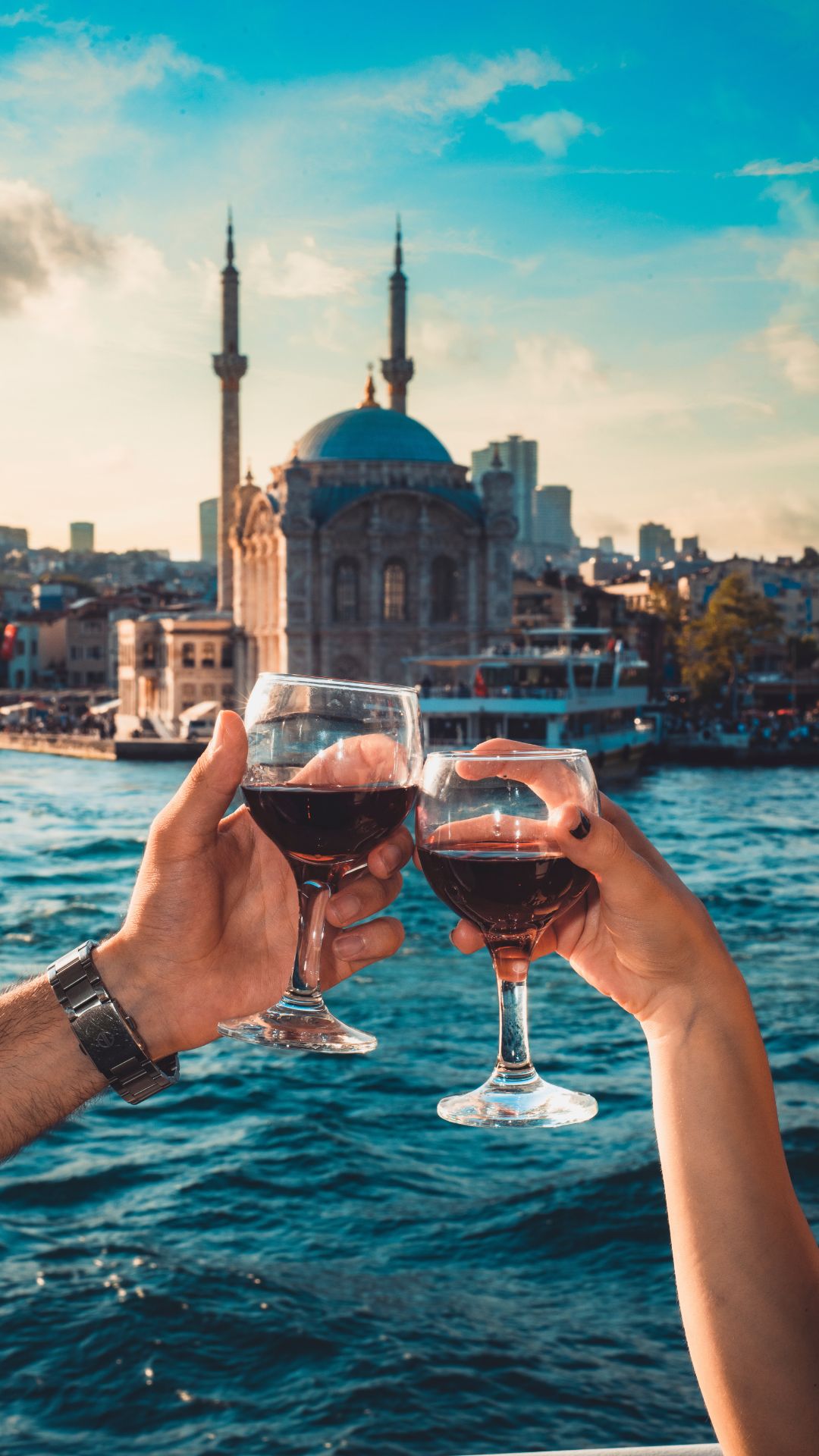
When you approach the narrow street right across from the tram stop and walk toward Asmalımescit, you begin to see another side of the area. There are various bars and cafés where you can enjoy Turkish coffee, tea, and backgammon, as well as restaurants serving home-made dishes. What makes this appealing is the contrast: the same district that feels historical during the day becomes social and lively as the evening begins.
This region also hosts meyhanes such as Yakup and Refik, which have become classics. At the same time, the popularity of the area keeps increasing, and new spots open one after another. That combination of familiar favorites and newer venues is one reason the neighborhood remains active for both first-time visitors and people who return to Istanbul often.
A simple way to explore the area
- Start from Taksim Square and follow İstiklal Avenue to the tram’s last stop at Tünel.
- Notice the tunnel connection between Beyoğlu and Karaköy and the historical importance of the line.
- Walk down Galip Dede Street and browse the instrument shops along the way.
- Pause around Galata to take in the neighborhood’s Genoese texture and the Galata Tower.
- Return toward Asmalımescit in the evening for cafés, meyhanes, and nightlife.
Why visitors remember Tunel and Galata
- A rare mix of historical transport and walkable neighborhood life.
- Music shops that give Galip Dede Street a character of its own.
- Genoese-era texture that still shapes the atmosphere of Galata.
- Classic meyhanes, bars, cafés, and home-style dining in one compact area.