History of the Chora Church
Chora Church is one of Istanbul’s most remarkable Byzantine monuments, admired for its layered history and extraordinary interior decoration. The building seen today is not the original structure. Instead, it was rebuilt at least five times, with the most notable phases taking place in the 11th, 12th, and 14th centuries.
The most celebrated patron of the church was Theodore Metochites, a poet and man of letters who served as logothetes, the official responsible for the Byzantine treasury, under Emperor Andronikos II (r. 1282-1328). He sponsored virtually all of the interior decoration, including the famed mosaics and the less famous but equally impressive murals. One of the most beautiful mosaics in the monument shows Theodore offering the church to Christ; it can be seen above the entrance to the nave in the inner narthex.
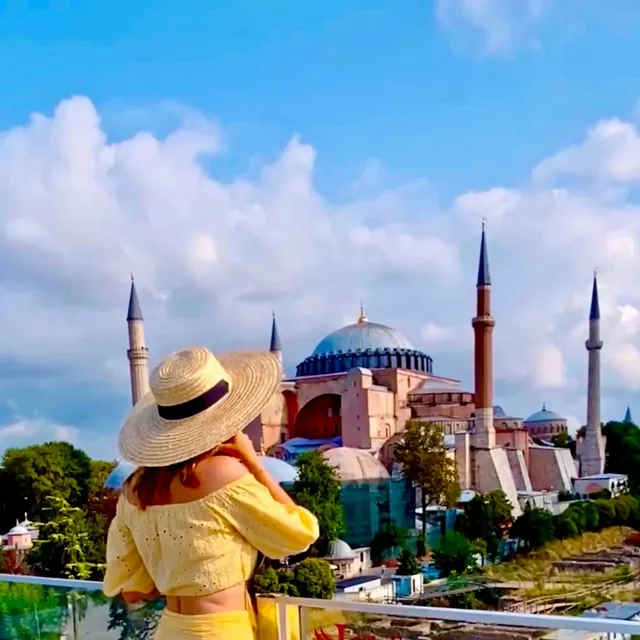
Over the centuries, the monument has remained an important witness to Istanbul’s religious and artistic heritage. Its survival is part of what makes it such a compelling stop for travelers interested in the city’s Byzantine past, especially alongside landmarks such as Hagia Sophia and Hagia Irene.
The Architecture of the Chora Church
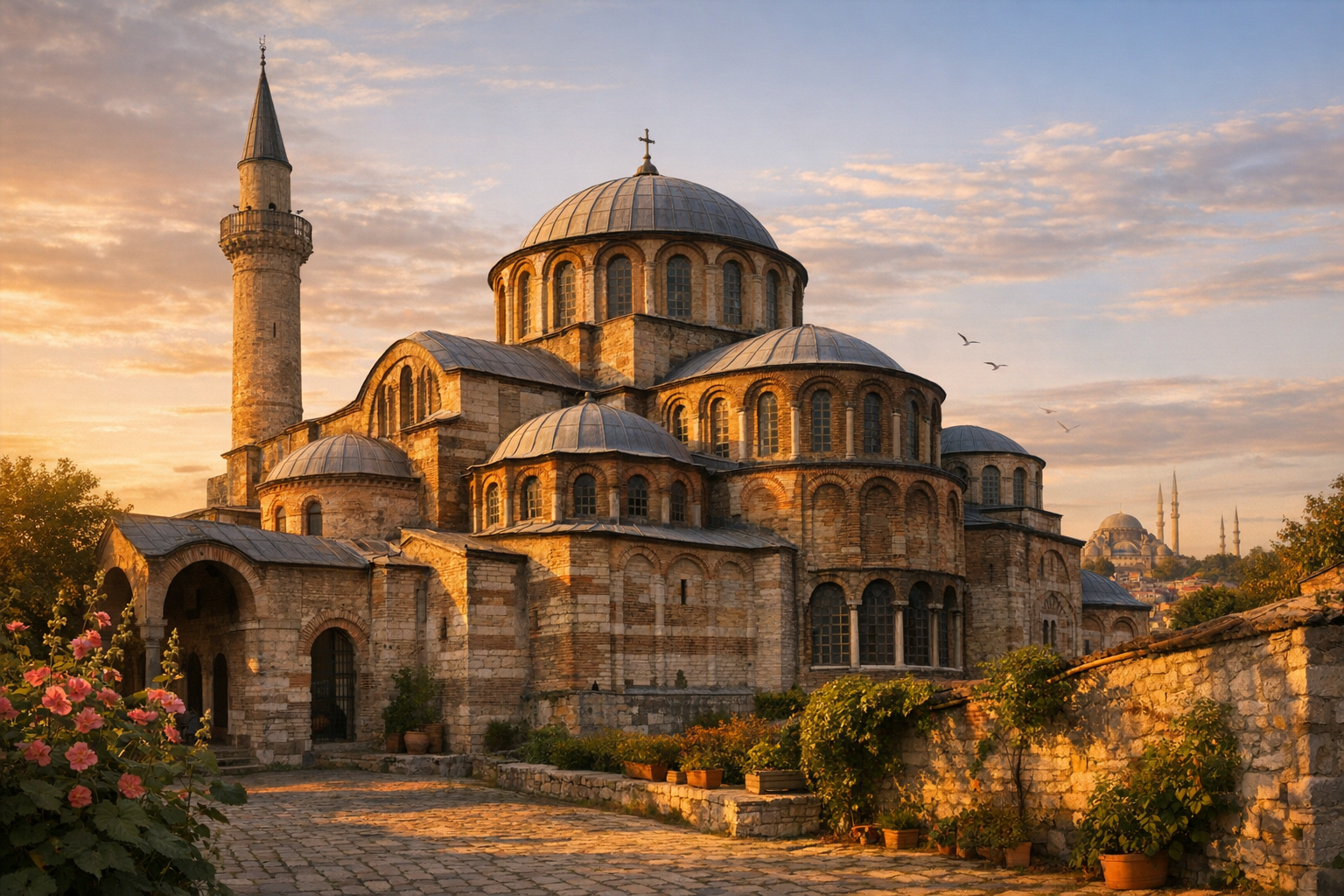
The Chora Church as it stands today is made up of five main architectural sections: the nave, the two-story building constructed to the north, the inner narthex, the outer narthex, and the chapel for graves to the south. Together, these parts create a compact but visually rich monument whose plan reveals its long architectural evolution.
A second significant renovation began in 2013. The nave, the two-story annexes on the northern side of the structure, and most of the inner narthex were finished, while work on the outer narthex and parecclesion was beginning at the time of the study. As access conditions may change, it is wise to check current visitor information on official sources before planning your visit.
For broader context on Byzantine art and world heritage, you can also consult UNESCO.
What to See Inside Chora Church
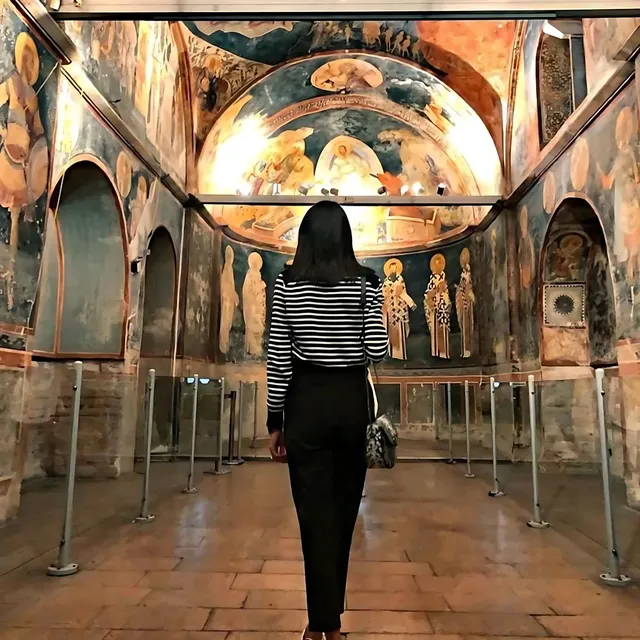
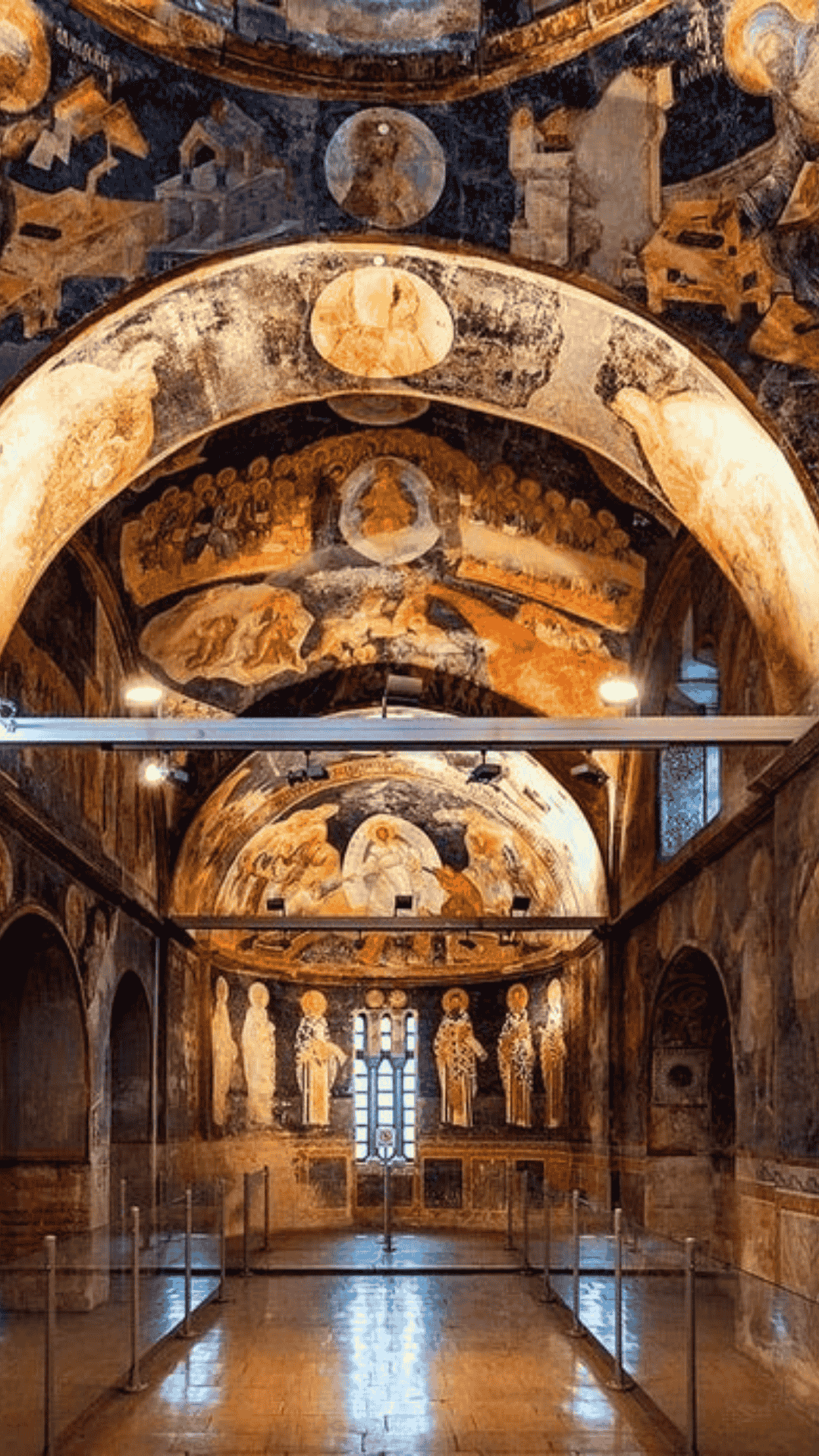
Mosaics representing the life of Christ and the Virgin Mary fill much of the interior. Among the highlights is the Khalke Jesus in the inner narthex, under the right dome. It depicts Christ and Mary with two donors: Prince Isaac Comnenos and Melane, daughter of Byzantine emperor Michael VIII Palaiologos.
The dome nearby features the Genealogy of Christ, a striking portrayal of Jesus and his forefathers. On the left dome of the narthex, visitors can see a serene mosaic of Mary and the Baby Jesus surrounded by her ancestors. These works are among the most memorable examples of late Byzantine mosaic art in Istanbul.
Three mosaics appear in the nave: Christ, Mary and the Baby Jesus, and the Dormition of the Blessed Virgin (Assumption). Because the Dormition is above the main door you entered through, many visitors miss it at first glance, so it is worth turning around to take it in carefully. In this composition, the “baby” held by Jesus is actually Mary’s soul.
The parecclesion, the side chapel to the right of the nave, was created to house the tombs of the church’s founder, his relatives, close friends, and collaborators. It is decorated with paintings that depict Old Testament scenes connected to death and resurrection.
The most famous work here is the Anastasis, a magnificent image in the apse showing Christ raising Adam and Eve from their sarcophagi, surrounded by saints and rulers. Beneath Christ’s feet are the shattered gates of hell. The dome murals, which portray Mary and 12 accompanying angels, may be less dramatic at first glance, but they remain deeply impressive. Another standout is the Last Judgement, painted in brilliant white with gilded accents on the ceiling between the dome and the apse. It presents the scene from the Book of Revelation, with the rolling up of heaven symbolized by a coiling pattern surrounded by the choirs of heaven.
Why Chora Church Matters
Chora Church is often regarded as one of the finest places in Istanbul to understand the artistic and spiritual world of Byzantium. Its mosaics and murals are not only visually striking, but also narratively rich, making the monument rewarding for both first-time visitors and travelers with a special interest in art history, religion, or architecture.
The continued presence of monuments belonging to different faiths across Turkey is often seen as part of the region’s long and layered history. Chora Church stands as one of the best-known examples of this heritage. If this aspect of Istanbul interests you, you may also enjoy exploring nearby districts such as Balat, where the city’s multicultural past is still visible in its streets and landmarks.
Planning Your Visit
When visiting Chora Church, allow enough time to move slowly through the narthexes and chapel, since many of the finest details are easy to overlook at first. The monument is especially rewarding for visitors who pause to study individual scenes rather than rushing through the building.
As restoration or access arrangements can change, checking updated transport and visitor information before you go is recommended. For public transportation details in Istanbul, see IETT.
FAQ about Chora Church
What is Chora Church famous for?
Chora Church is best known for its outstanding Byzantine mosaics and murals. These works depict scenes from the lives of Christ and the Virgin Mary, along with powerful funerary imagery such as the Anastasis and the Last Judgement.
Who decorated the interior of Chora Church?
Theodore Metochites, a poet and official in the Byzantine treasury under Emperor Andronikos II, sponsored nearly all of the church’s interior decoration. His patronage is central to the monument’s artistic importance today.
Which parts of Chora Church should visitors focus on?
The inner and outer narthexes, the nave, and the parecclesion are the key areas to explore. Important highlights include the Theodore Metochites mosaic, the Genealogy of Christ, the Dormition, and the Anastasis fresco.
Has Chora Church been restored in recent years?
Yes. A significant phase of renovation began in 2013. At the time referenced in the source material, work had been completed in the nave, northern annexes, and most of the inner narthex, with additional sections under way.