Istanbul Synagogues in Galata and Beyoğlu
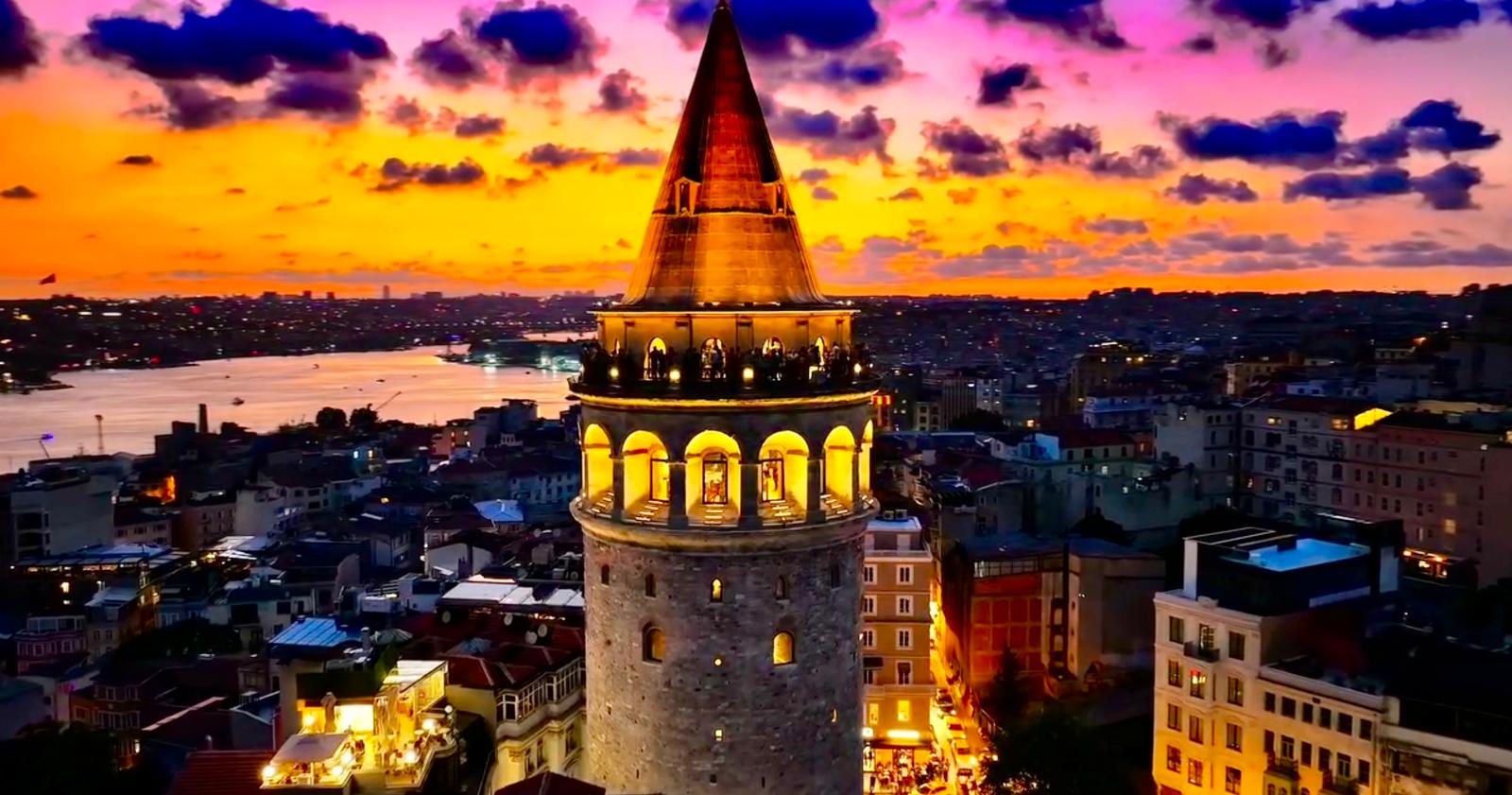
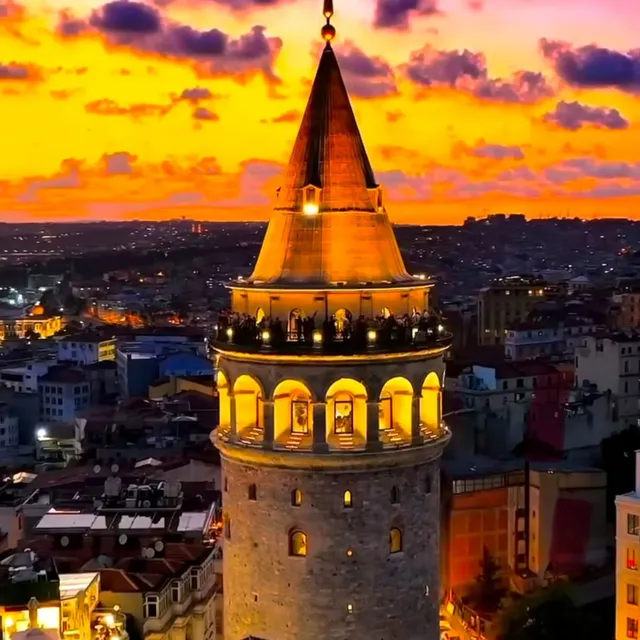
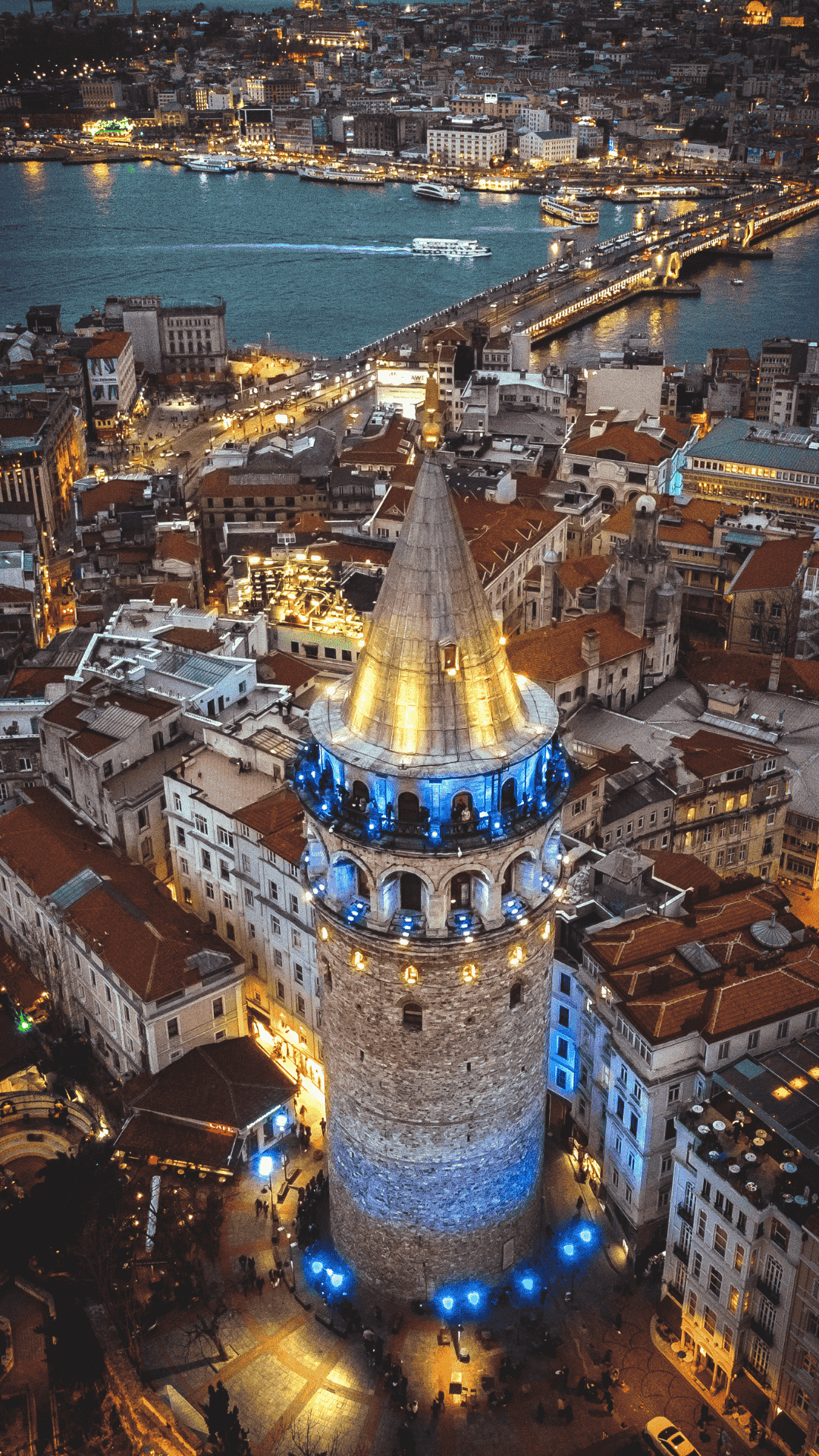
Istanbul synagogues reflect the city’s long and layered Jewish history, especially around Galata and Beyoğlu. The best-known examples in this area include the Ashkenazi Synagogue, the Italian Synagogue, and Neve Shalom Synagogue. Together, they reveal different communities, architectural styles, and traditions that shaped Jewish life in Istanbul over the centuries. If you are exploring this part of the city, you may also be close to Galata Tower and the Golden Horn.
Ashkenazi Synagogue of Istanbul
The Ashkenazi Synagogue is located near Galata Tower in the Beyoğlu district of Istanbul. It stands on the large street connecting to the lower section of the Galata neighborhood, an area that was once the city’s banking and financial quarter.
The building was designed by architect Gabriele Tedeschi. Its striking façade is composed of three richly decorated grand arcades crowned by two domes. It recalls many 19th-century synagogues built in cities of the Austro-Hungarian Empire by bourgeois Jewish communities. This connection is meaningful, since many of Istanbul’s Ashkenazim arrived from Austria and Hungary.
A plaque at the entrance commemorates, among other things, the fiftieth birthday of Emperor Franz Joseph. According to the inscription, his wife gave the synagogue the magnificent Aron made of carved alder and inlay, crowned by a wooden dome decorated with gold. With its dome painted to resemble shining stars and chandeliers brought from Vienna, the synagogue combines several influences. It also borrows from Islamic motifs, and its distinctive architecture evokes a typical Ottoman summer palace.
It is in fact the only currently active Ashkenazi synagogue in Istanbul open to visits and prayers. Founded by Jews of Austrian origin in the 20th century, it continues to preserve Ashkenazi traditions.
Out of a total of three synagogues built by Ashkenazim, it is the last remaining synagogue. The Ashkenazi Jewish population is described here as about 4 percent of the total Jewish population in Turkey, and approximately 2000 Ashkenazic Jews live in Istanbul today.
If you want to visit the synagogue during weekdays, visits are possible in the mornings, and Shabbat services take place on Saturday mornings. The synagogue also hosts weddings, Bar Mitzvahs, and other ceremonies in the Ashkenazi tradition.
Italian Synagogue
The Italian Synagogue, also known as Kal de los Frankos, is an elegant 19th-century synagogue with a neo-Gothic style that gives it the appearance of a church. It is discreetly located behind the wall of a small courtyard, and its design preserves the character of the original structure dating from 1887.
The centuries-old presence of Italian Jews in the Ottoman capital is remembered through the older synagogues of Puglia and Messina, which had disappeared by 1866. The Italian Jews separated from the rest of the Jewish community in Istanbul, whom they considered too traditionalist. During the 19th century, this synagogue was used by Istanbul’s Italian Jewish community, and that identity remains tied to it.
Supported by the Italian embassy, they obtained the right from Sultan Abdulaziz to form an autonomous congregation, similar to those already existing for the Ashkenazic community and the Karaites. The façade of the synagogue is restrained but harmonious, with its rectangular pediment and brick double staircase leading to the entrance. Inside, the prayer hall is painted entirely white and surrounded by the women’s gallery on the second floor.
In 1931, the original building was demolished and a new synagogue was built in its place. If you want to visit the synagogue today, you must obtain permission in advance from Turkey’s Chief Rabbinate. Today, the Italian community numbers only a few hundred faithful.
Neve Shalom Synagogue
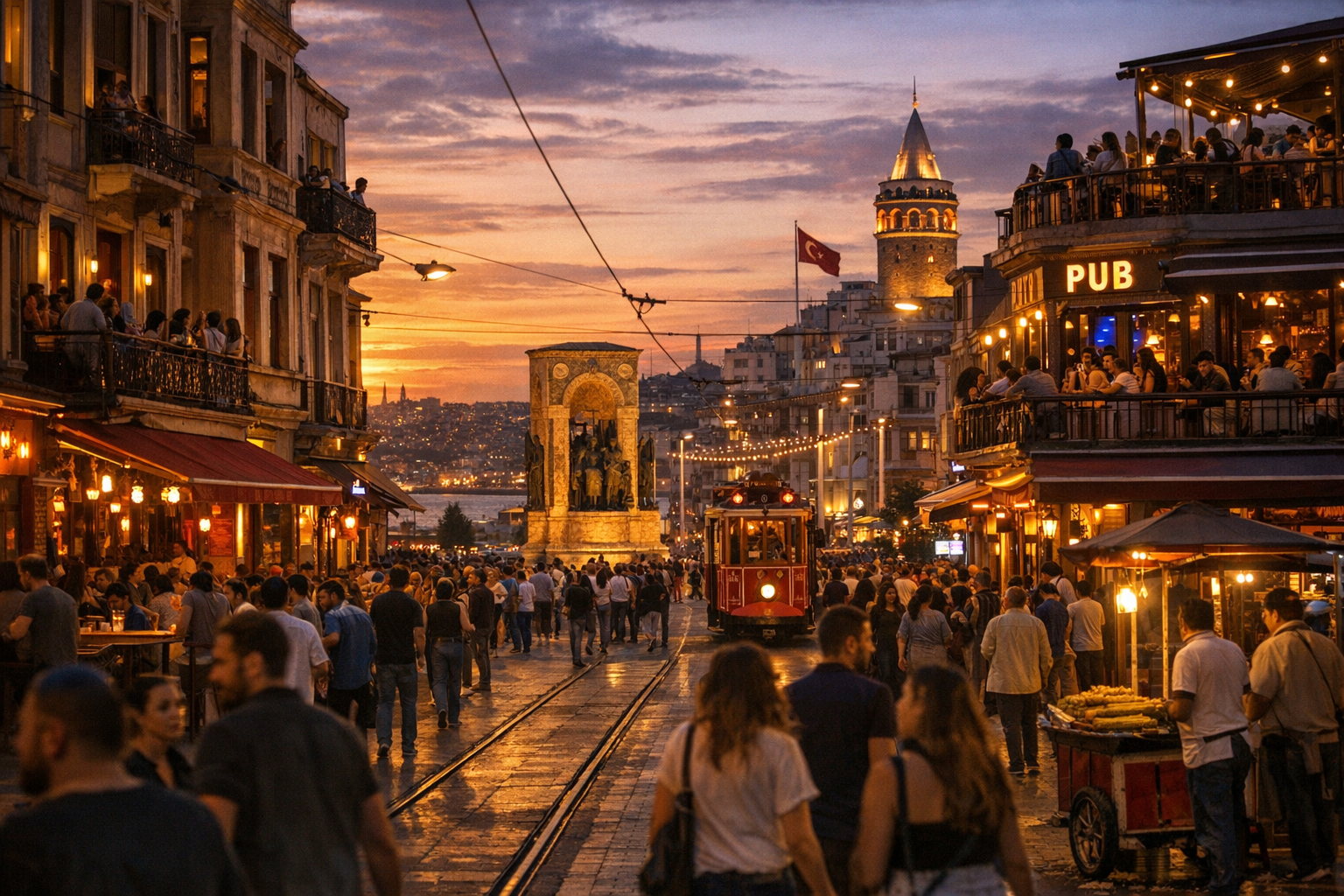
The Neve Shalom Synagogue is located on a small street near Galata Tower. It stands in a lively quarter that remains central to Jewish life in Istanbul. In the surrounding streets, you may notice typical Jewish homes from the period, some decorated with a Star of David on the pediment.
The houses at 5 and 7 Timarci Street have their construction dates engraved on foundation stones calculated according to both the Hebrew and European calendars. A few of the last surviving grand homes associated with the Ladino way of life can still be found in this quarter.
The synagogue itself was designed by the architects Elio Ventura and Bernard Motola and built in 1951 on the site of a small prayer hall.
Jewish Communities in the Early Ottoman Era
The early Ottoman era included a wide variation of Jewish communities in Istanbul. After Sultan Mehmet II conquered the city, he encouraged immigration in order to repopulate it. Many of these immigrants settled near the Galata district, helping establish the Jewish presence that later shaped several of Istanbul’s most important synagogues.
For broader historical context on the city’s multicultural past, you can also explore nearby landmarks such as Grand Bazaar. For a general overview of Jewish history in the city, see Wikipedia’s history of the Jews in Istanbul. You can also check GoTürkiye for current travel information before planning a visit.
Planning a Visit to Istanbul Synagogues
Visiting synagogues in Istanbul often requires more preparation than visiting major monuments. Some are active houses of worship, and access may be limited to certain hours, prayer times, or advance permission. Because arrangements can change, it is best to confirm current visiting conditions before you go, especially for the Italian Synagogue and for services at active congregations.
If your route includes Galata and Beyoğlu, these synagogues can be understood as part of a wider historical landscape rather than isolated sights. Their architecture, inscriptions, community traditions, and locations all speak to the diversity of Istanbul’s Jewish heritage.