The German Fountain was built by German Emperor Wilhelm II and presented as a gift to Sultan Abdülhamid II. It was first unveiled at the beginning of 1901 with a lavish commemoration ceremony.
In addition to being a magnificent gift, the fountain also became a symbol of the close relationship between the two empires, a relationship that would later have significant ramifications for world history. This connection between Germany and the Ottoman Empire began at the start of the 1900s with the spread of German political influence to the east, and lasted until the two nations' alliance in World War I.
German Fountain History and Symbolism
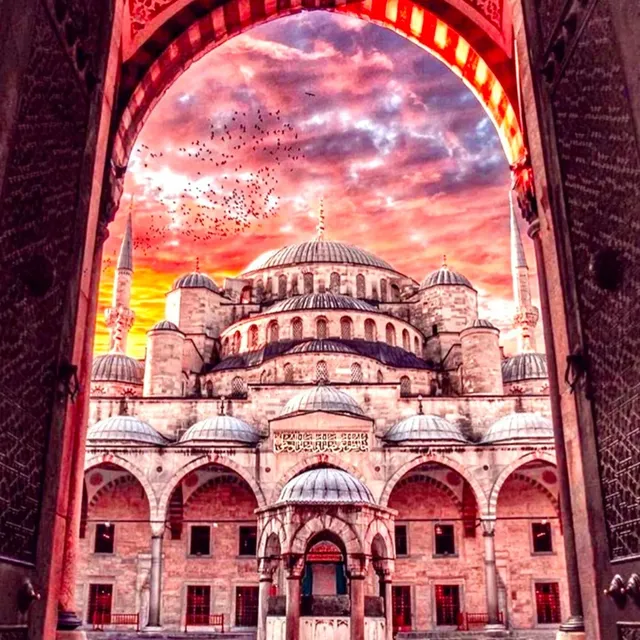
More than an ornamental structure, the German Fountain reflects a diplomatic moment between the Ottoman Empire and Germany. Its location in the historic heart of Istanbul gives this meaning even more weight. Standing in Sultanahmet, near landmarks such as the Blue Mosque and Hagia Sophia, the fountain remains part of a wider historical landscape that brings together imperial memory, public life, and monumental architecture.
Today, the fountain is still admired not only for its function and appearance, but also for the story it tells. It represents a period when architecture and public monuments were used to express political friendship, prestige, and cultural influence.
A Dome Covered With Magnificent Golden Mosaics
Spitta, Wilhelm II's head architect, created the blueprint for the fountain, while other architects such as Schoele, Carlitzik, and Joseph Antony also worked on its construction. Ultimately, its design deeply reflects the influence of the German Neo-Renaissance, while also resembling earlier Ottoman fountains.
Undoubtedly, the fountain's most striking feature is its dome. This green dome is formed by a network of arches united to one another and supported by eight pillars. The interior of the dome is adorned with mosaics painted with gold, giving the monument a rich and memorable character.
The fountain, octagonal in design, rests on a high base. Colorful stones and geometric motifs were incorporated for decoration, while the base was designed as a platform. Marble benches were also placed around the edges of the fountain, allowing visitors to pause and take in the details.
What to Notice When You Visit
The German Fountain is located in one of the most majestic spots in Sultanahmet Square, making it easy to include in any walking route through the Old City. Its proportions are graceful rather than overwhelming, so it rewards a closer look. Pay attention to the eight columns, the patterned stonework, the bench seating, and especially the golden decoration beneath the dome.
Because it stands in an open public square, the fountain is often seen in passing. Still, it is worth slowing down for a few minutes to appreciate how its European design language blends with Ottoman forms. Not only does the fountain quench one's thirst, but its refined appearance also evokes nostalgia for times now past.
Planning Your Stop in Sultanahmet
The fountain is one of the easiest monuments to see while exploring the historic center of Istanbul. Since it is in Sultanahmet Square, many travelers encounter it naturally between visits to major landmarks nearby. You can learn more about the monument's background through sources such as Wikipedia and continue your wider exploration of Istanbul's historic peninsula on the official GoTürkiye tourism website.
Whether you are interested in architecture, Ottoman history, or simply the atmosphere of old Istanbul, the German Fountain offers a rewarding pause in one of the city's most visited quarters.
FAQ
Where is the German Fountain in Istanbul?
The German Fountain is located in Sultanahmet Square, in Istanbul's historic center. It stands close to major landmarks including the Blue Mosque and Hagia Sophia, so it is easy to visit while walking through the area's main monuments.
Who gave the German Fountain to the Ottoman Empire?
The fountain was built by German Emperor Wilhelm II and presented as a gift to Sultan Abdülhamid II. It was unveiled at the beginning of 1901 and symbolized the close ties between Germany and the Ottoman Empire during that period.
What style is the German Fountain?
Its design reflects the influence of German Neo-Renaissance architecture, while also resembling earlier Ottoman fountains. This combination gives the monument a distinctive appearance that fits its diplomatic and cultural significance in Sultanahmet.
What is special about the German Fountain's dome?
The dome is the fountain's most remarkable feature. It is supported by eight pillars and decorated inside with mosaics painted with gold. The green exterior and richly adorned interior make it one of the monument's most memorable details.