Design Biennial Istanbul overview
Design Biennial Istanbul sits within the wider story of the Istanbul Biennial, a contemporary art exhibition held every two years in Istanbul since 1987. Organized by the Istanbul Foundation for Culture and Arts since its inception, the biennial was created as a meeting point in the field of visual arts between artists from diverse cultures and the public. Over the years, the biennials organized by IKSV have helped form an international cultural network linking local and international art circles, artists, curators, and art critics by bringing together new trends in contemporary art every two years.
The biennial brings together old and new knowledge, academic and amateur, professional and personal perspectives, engaging multigenerational and transdisciplinary practitioners from Turkey and abroad.
Istanbul Biennial follows an exhibition model in which the curator, appointed by an international advisory board, develops a conceptual framework that guides the invited artists and projects. After the first two biennials were realized under the general coordination of Beral Madra in 1987 and 1989, IKSV decided to commission a different curator for each edition, beginning with the 1992 Istanbul Biennial directed by Vasif Kortun. For broader background on the event, you can also check Wikipedia’s overview of the Istanbul Biennial.
What the biennial means to Istanbul
The most comprehensive international art exhibition organized in Turkey and the wider region, Istanbul Biennial plays an important role as a local and regional platform. It helps artists reach an international audience while giving local audiences the chance to encounter artists from around the world.
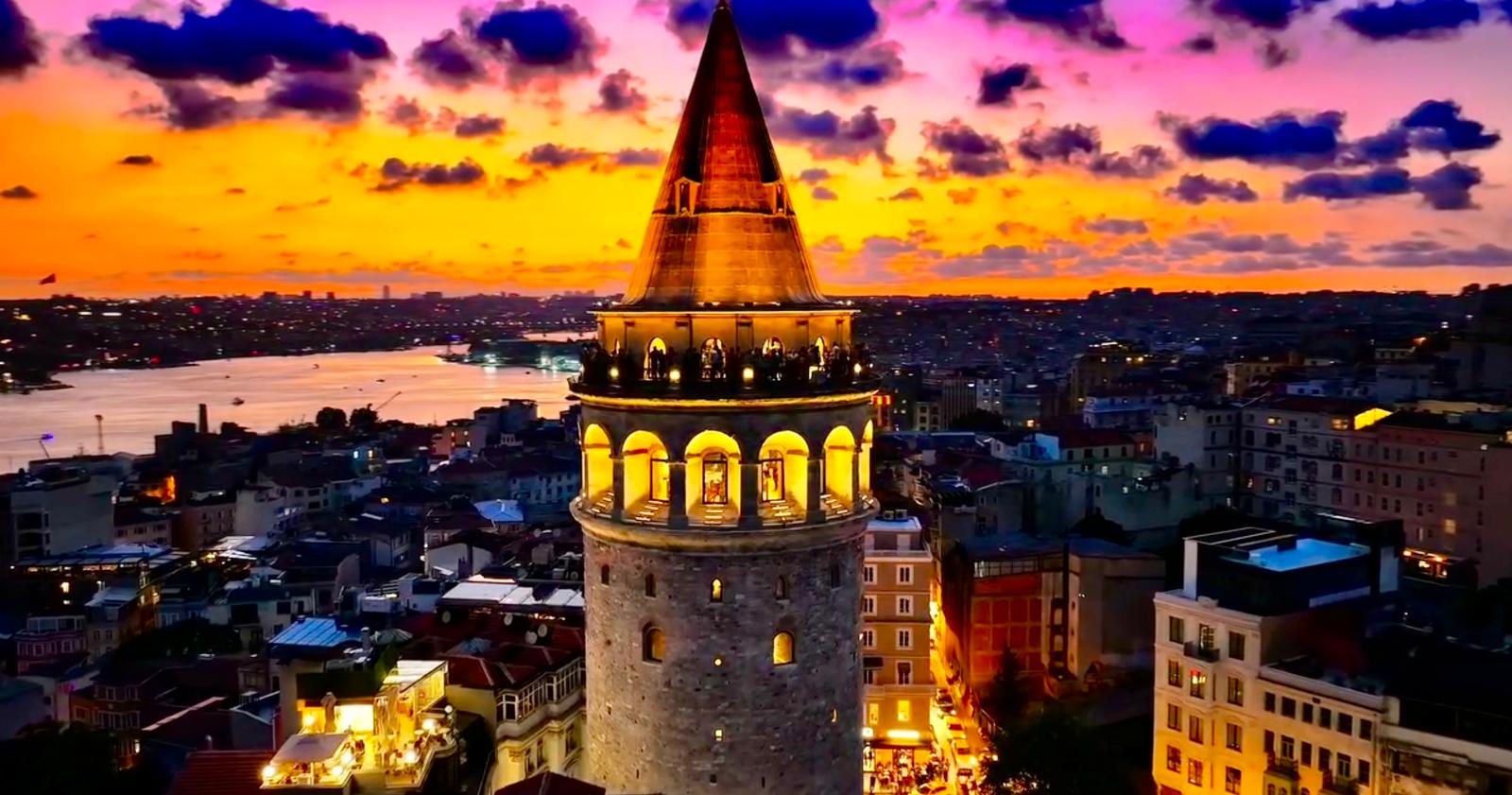
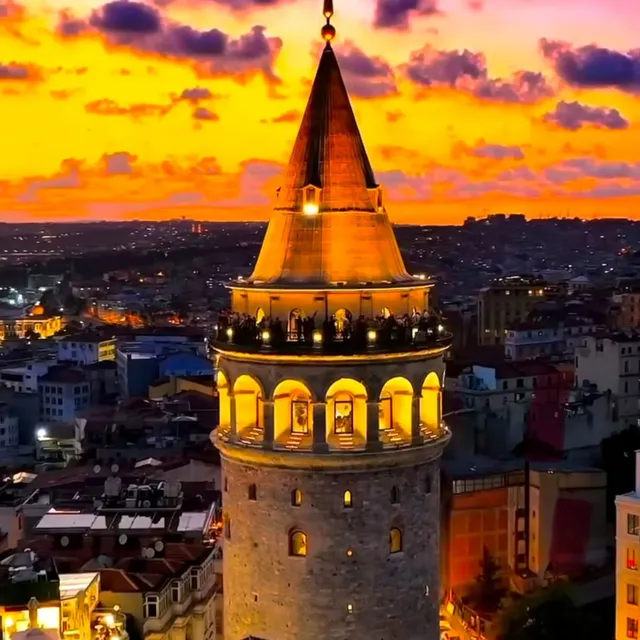
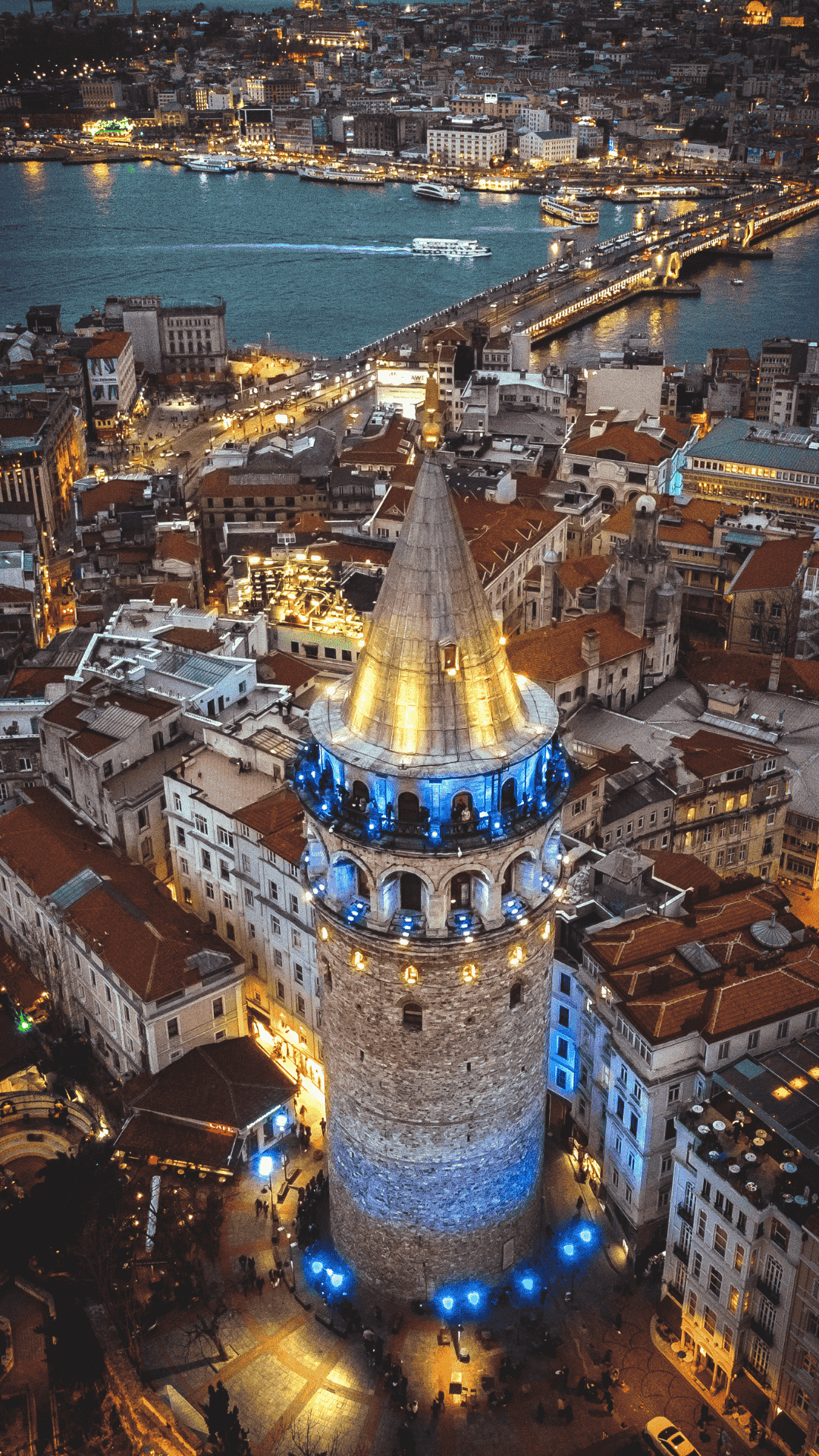
The exhibition program is supported by educational content that allows students and viewers of art to follow current developments and discussions through exhibitions, panel discussions, conferences, and workshops organized within the scope of the event. In a city already rich with layered history and cultural landmarks such as Galata Tower and Taksim Square, the biennial adds another dimension to Istanbul’s identity as a place of exchange, debate, and creativity.
Istanbul’s 13th biennial in 2013 was overtaken by political events. Its theme was art in public spaces, but it was forced to retreat indoors after many scheduled venues became part of the clashes between police and demonstrators trying to protect the city’s Gezi Park.
About the 2018 Design Biennial Istanbul
The opening program, A School of Schools: Orientation, was held during September 2018. It brought together practitioners, educators, and thinkers from Turkey and around the world in a biennial conceived as a public space for dialogue, provocation, and production.
Together, participants tested and revised a variety of educational strategies to reflect on the role of design, knowledge, and global connectedness in contemporary Istanbul and beyond. This approach positioned the event not only as an exhibition but also as a space for active inquiry and exchange. If you want practical city transport information while planning an art-focused visit, the official public transit network is available at metro.istanbul.
A lab of labs
AMT was again part of the Istanbul Design Biennial, this time together with Bilkent University (Ankara), hosting a workshop and a panel. They responded to the main theme of A School of Schools with their own emphasis, A Lab of Labs.
Working with the Bilkent Media Archaeology Lab, led by Andreas Treske, they organized a two-day event that performed a lab as a method to investigate it as an assemblage of methods, techniques, and affordances of the lab in an urban environment and in the context of Istanbul. The city’s long heritage of crafts, workshops, and design was central to this thinking and was treated as something irreducible to a sanitized design thinking discourse.
Benefiting from the experience of Ege Berensel and Başak Altın, the workshop included 8 mm found footage, described as home films, and motherboards as a source of circuit bending and tinkering. Ebru Kurbak joined to talk about her work in textiles, computing, and material methodologies in speculative design, while Tuğçe Karataş shared her views as an independent curator. A local TV repair shop expert also joined as a surprise guest, giving a two-hour crash course in his work and electronics. The lab, in this sense, included many kinds of expertise.
Past venues
The 2009 biennial took place at three venues on the European side of Istanbul: Antrepo No. 3 in the Tophane area, another venue in Tophane, and the Feriköy Greek School in Şişli. As with many cultural events in the city, venues may vary by edition, so it is always best to check the official program for the most current locations and dates.
Why Design Biennial Istanbul still stands out
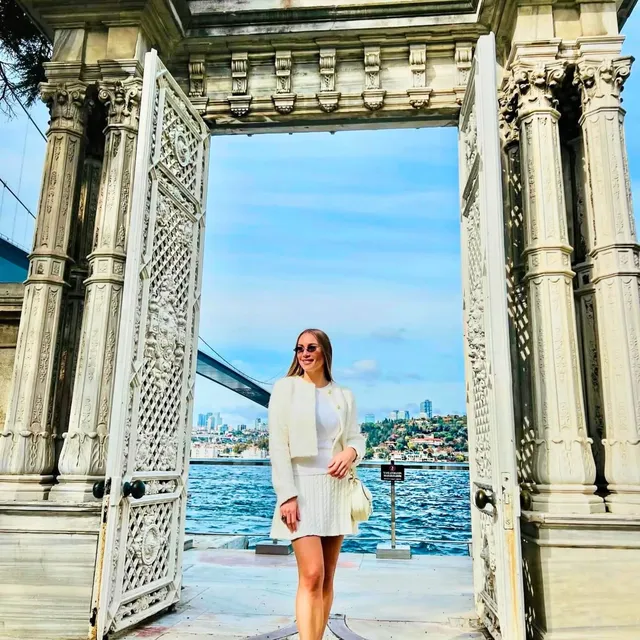
What makes Design Biennial Istanbul notable is its ability to connect exhibition-making with research, education, and public discussion. Rather than simply presenting finished objects, it opens room for methods, conversations, and different forms of knowledge to meet. In a city where visitors may spend one day exploring places like the Bosphorus Cruise route and another day moving through museums, galleries, and workshops, the biennial offers a deeper look at Istanbul as a living design and cultural environment.
For travelers, students, and anyone interested in contemporary culture, the biennial helps explain why Istanbul remains one of the region’s most dynamic crossroads for art, design, and public thought.