Walls of Constantinople
The walls of constantinople are among Istanbul’s most important historic landmarks. In the past, one of the greatest concerns of any city or empire was protection. Since ancient states did not have the technologies we rely on today, their answer was straightforward: walls. Constantinople, as Istanbul was once known, was no exception. In fact, the Walls of Constantinople were so formidable that they resisted siege for hundreds of years. Today, they remain one of the city’s most significant monuments, reflecting Istanbul’s complex and often bloody past.
History of the Walls of Constantinople
So, when were the Walls of Constantinople built? The answer is not as simple as it sounds. Over time, there were several versions, additions, and extensions to the Walls of Constantinople. The oldest known walls were built by the first Greek settlers around the Acropolis. This was the beginning of the Walls of Constantinople’s long history.
These earliest walls were about 6 kilometers long, while the land-facing section measured only around 1 kilometer. There were 27 towers in total, where catapults were placed. Compared with the walls’ later form, this was only a modest beginning. After the Romans conquered the region, Emperor Septimius Severus rebuilt the city, placing new walls 300 meters west of the original line.
After the year 324, Constantine the Great expanded the city westward, which made new defensive works necessary. This also raises another question: how were the Walls of Constantinople built? According to the historical account in this post, Constantine the Great used 40,000 prisoners of war captured during the wars against the Goths to build the wall.
Besieged but Still Standing
The Walls of Constantinople were built above all for defense. In 410, after the emperor learned that Rome had fallen to the Visigoths, another wall was added in front of the old defenses as a precaution. This fourth wall had 96 towers. At that time, the Walls of Constantinople were 12 kilometers long and 12 meters high.
In 447, a devastating earthquake partly destroyed the walls, which was especially alarming because the Huns were active at the time. The emperor responded immediately by building a second wall in front of the damaged one. The number of towers was also doubled, bringing the total to 192. This powerful defensive system became known as the Theodosian Wall.
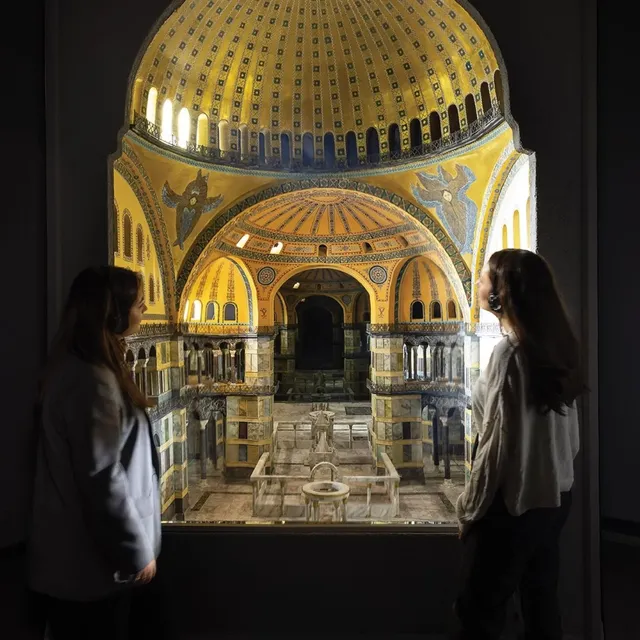
The long survival of these defenses is one reason the walls still hold such an important place in the story of the city. They stand alongside other major remains of Byzantine and Ottoman Istanbul, including Hagia Sophia and the nearby historic district around Sultanahmet Square.
Where Are the Walls of Constantinople Today?
Only about 5 and a half kilometers of the Theodosian Wall remain standing today. But where are the Walls of Constantinople exactly? The surviving sections begin on the shores of the Golden Horn, near the Blachernae Palace, and continue toward the Golden Gate and the Sea of Marmara. The current length of the Walls of Constantinople is given here as 22 kilometers. There are also eleven gates along the walls.
If you want to visit the walls, some of the best places to view them are the Chora Church, the Palace of Constantine Porphyrogenites, the Edirne Gate, and the Gate of the Seven Towers. These points help bring the old city’s defensive system into focus and make it easier to imagine how impressive the walls once were.
For broader historical context, UNESCO offers useful background on Istanbul’s historic areas at unesco.org. You can also check general historical summaries on britannica.com.
Visiting Tips and Walking the City Walls
If you want to visit the Walls of Constantinople, one of the most memorable ways is on foot. Walking along the surviving sections allows you to discover the ghost of the old city and immerse yourself in its past. The route reveals how these defenses once shaped Constantinople’s outline and controlled access to the imperial capital.
The post also recommends the Walk on the City Walls Tour, which includes the chance to visit Yedikule Fortress, where diplomats were imprisoned during the Ottoman Empire. If you plan to go, it is always wise to check the official site or current tour listing for up-to-date availability and details.
Who Breached the Walls of Constantinople?
The Walls of Constantinople endured many sieges and attacks. They were so formidable that no medieval force could bring them down for centuries. The Walls of Constantinople were finally breached in 1453 by the Ottoman Sultan, Fatih the Conqueror.
After building massive cannons specifically to break the walls, he laid siege to the city. On May 29th, 1453, artillery fire destroyed the Gate of Saint Romanus. Once a breach had been opened, Ottoman forces entered the city. With that, the Byzantine Empire came to an end.
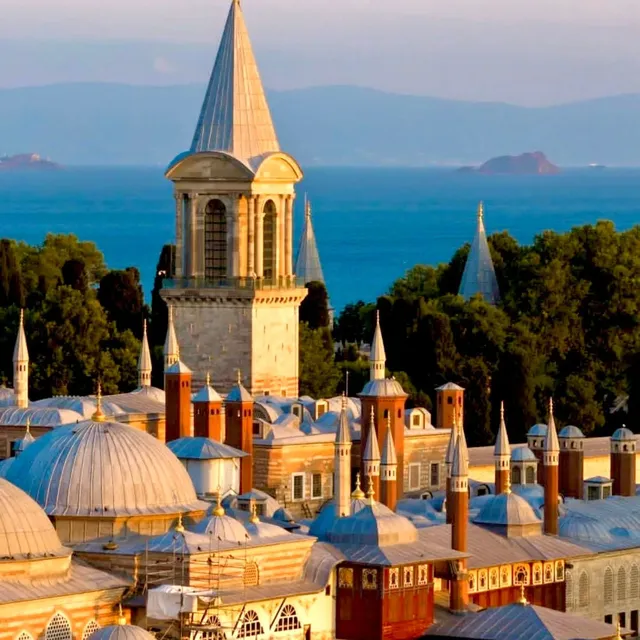
This turning point changed world history and transformed Constantinople into Ottoman Istanbul. Visitors interested in the conquest period often combine the city walls with sites such as Topkapi Palace, which helps tell the next chapter of the city’s story.
FAQ About the Walls of Constantinople
What are the Walls of Constantinople?
The Walls of Constantinople are the historic defensive walls built to protect the ancient city of Constantinople, now Istanbul. Over centuries, they were expanded and reinforced, becoming one of the most impressive military defenses of the medieval world.
Where can you see the Walls of Constantinople in Istanbul?
You can see surviving sections from the shores of the Golden Horn to the Golden Gate and the Sea of Marmara. Recommended viewing points mentioned here include the Chora Church area, Edirne Gate, the Palace of Constantine Porphyrogenites, and the Gate of the Seven Towers.
Who built the Walls of Constantinople?
The walls were not built all at once by a single ruler. The earliest version dates back to the first Greek settlers, and later emperors such as Septimius Severus and Constantine the Great rebuilt and expanded them as the city grew westward.
Why were the Walls of Constantinople so important?
They were essential because they protected Constantinople from repeated sieges for centuries. Their design, multiple defensive lines, and towers made them exceptionally difficult to breach, helping the city survive as a major imperial capital for a very long time.
When were the Walls of Constantinople breached?
According to this account, the walls were finally breached on May 29th, 1453, during the Ottoman conquest led by Fatih the Conqueror. This event marked the fall of the Byzantine Empire and a major shift in the city’s history.