Maiden’s Tower legends through the ages
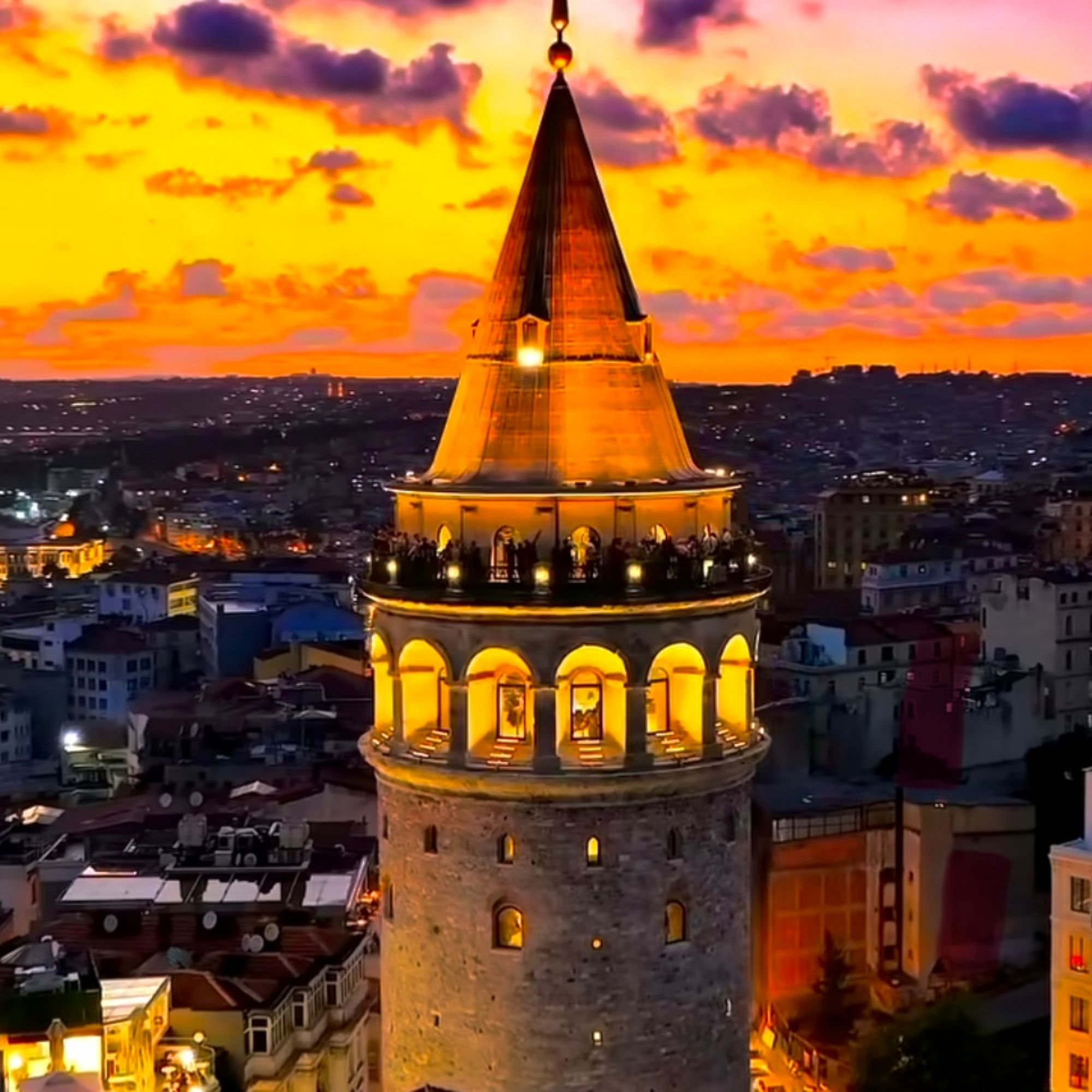
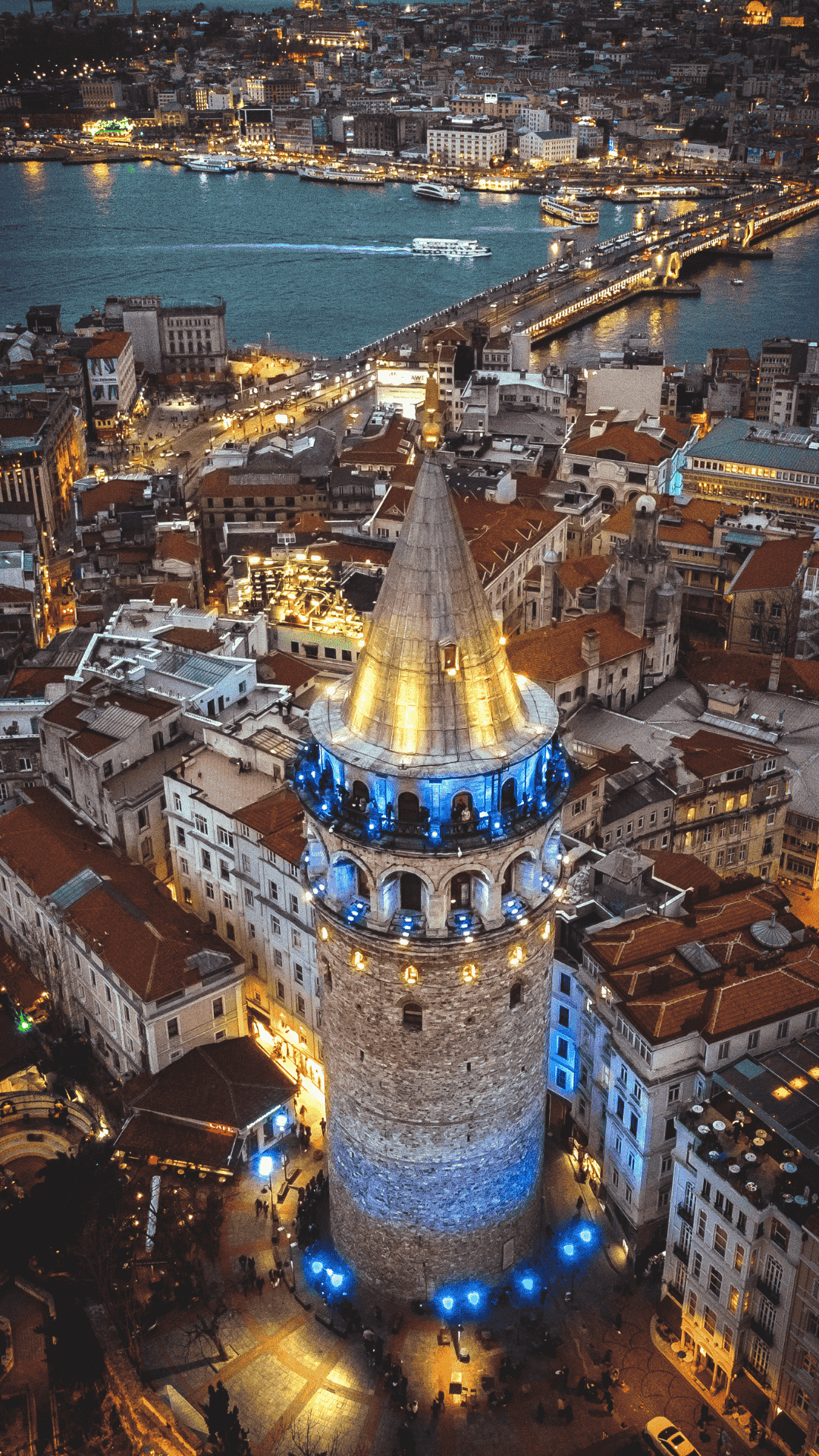
Few landmarks in Istanbul have inspired as many stories as the Maiden’s Tower. Some are tragic, some romantic, and some wonderfully strange. Together, they help explain why this small tower has occupied such a large place in the city’s imagination.
Pain of the admiral
One of the oldest stories about the Maiden’s Tower dates back to the period when Istanbul, or Byzantium as it was then called, was under the sovereignty of Athens. According to this story, the Kingdom of Athens sent 40 ships under the command of Admiral Hares to protect Byzantium against a possible attack by Philip, the King of Macedonia. When Hares’ beloved wife Damalys died, he had her buried in a grave carved into the rocks here by his order.
Leandra’s love
Another legend tells of a young man named Leandra, who fell in love with a girl here. Each night he swam from the opposite shore to meet her, guided by a fire the girl lit on the rocks. But on a stormy night, the fire faded. Leandra could no longer find the rocks on which the Maiden’s Tower stands and lost his way. He drowned in the cold, dark water, and his lover, unable to bear the grief, took her own life.
The snake and death
The Byzantine-era legend ends sadly as well. Fortune tellers warned the King that “the death of his beloved daughter will be caused by a snake.” Determined to save her, the King had a house built on the rocks where the Maiden’s Tower stands and kept the princess there. Yet a young officer fell in love with the King’s daughter. One day he prepared a bunch of flowers for her, but a snake hidden among them bit the princess, and she soon died.
And others
In a Battal Gazi legend associated with the Seljuk era, the story ends more happily. When Battal Gazi falls in love with the daughter of the Governor of Üsküdar, the Governor imprisons her in a tower here. Battal Gazi hears of it, attacks the tower, and escapes with the Governor’s daughter. Evliya Çelebi, meanwhile, places his story in the Ottoman era. He writes that in the time of Sultan Bayezid, a holy man lived in the Maiden’s Tower and would gather up the skirts of his cloak, sit on the sea, and travel to Sarayburnu each day to tutor the Sultan.
An old friend on the Bosphorus
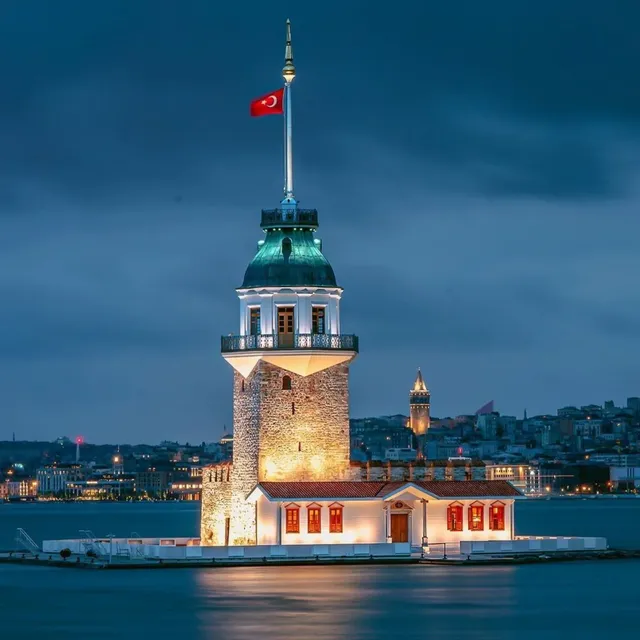
When we set the legends aside and look at firmer historical evidence, the first clear information about a man-made building on the rocks off Üsküdar dates to the 12th century. Records show that Byzantine Emperor Manuel Komnenos I had two defensive towers built on the Marmara side of the Bosphorus. One stood where the Maiden’s Tower is today, while the other was on the shore at Sarayburnu.
We also know that a chain was extended between these towers to prevent smuggling by sea. Byzantine chroniclers noted that Ottoman Sultan Orhan came to Üsküdar, and that his father-in-law Kantakuzenos came to the Maiden’s Tower from the opposite side in order to send delegates to Sultan Orhan. There is also information that a Venetian naval squad used the site as a base around the time of the conquest of Constantinople. After the conquest, Sultan Mehmet the Conqueror had a castle built on the rocks where the Maiden’s Tower now stands.
The most important repair work in the Ottoman period took place during the reign of Mahmud II (1808–1839). This restoration, documented in Calligrapher Rakım’s inscription and completed in 1832–1833, gave the Maiden’s Tower the form it has today. The tower was then surrounded with reinforced concrete in 1943. It was handed over to the military in 1959 and used as a radar station for some time. In 1982, it was devolved to the Maritime Enterprises of Turkey, and it was even used for a period as a cyanide depot.
The new chapter of Maiden’s Tower
For a long time, the Maiden’s Tower remained neglected and nearly ruinous, keeping lonely company with its guardsman. In the 1980s, a holding restored the tower and rented it for a long term. After many years, people again had the chance to step onto the Maiden’s Tower, see it up close, and touch it.
The restoration team made use of all the accessible data they could find, especially in university archives and libraries. Written sources, archival documents, engravings, old photographs, and oral and written communications were assessed one by one. As the restoration work proceeded, historical discoveries that had not been foreseen also came to light.
Because the tower’s status and visitor arrangements may change over time, it is best to check official updates before planning a visit. For current heritage information, see the official page of Milli Saraylar. For broader historical background, the Wikipedia entry on Maiden’s Tower provides a useful overview.
Visiting the tower and seeing Istanbul differently
If you have something to eat on the lower floor of the Maiden’s Tower, which has functioned as a restaurant, what do you think about while sitting there? What might have happened on that very spot a thousand years ago? Are these stories true, or are they only legends? If there are so many legends, might there be a seed of truth in them? Did the tower witness both love and war?
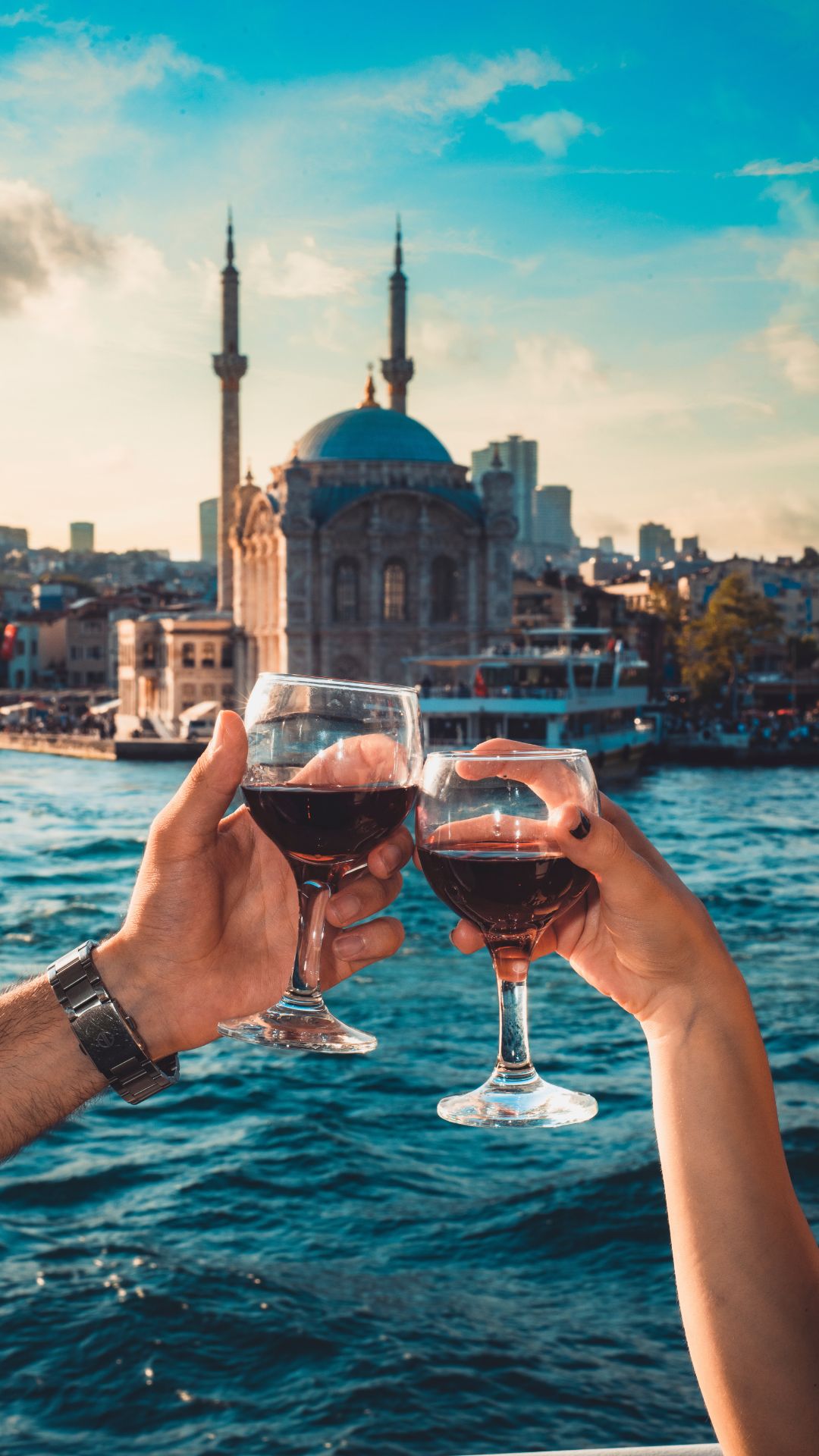
Even if you do not linger over a meal, the simple idea of drinking a cup of tea and watching the city from the top of the tower is enough to make many people fall in love with Istanbul all over again. Reaching it is part of the charm: the tower has been served by motorboats from Salacak, Kabataş, and Ortaköy. If you are exploring the waterway itself, a Bosphorus Cruise can also help you appreciate how dramatically the tower sits within the strait. And if you are discovering the Asian side, pairing the visit with nearby Beylerbeyi Palace can make for a memorable day.
Stop by this ancient friend and witness the legends for yourself.