
Why Visit Istanbul Fethiye Museum
Fethiye Museum is appealing because the structure still carries the visual memory of the church it once was. Even without dramatic claims, the building speaks for itself: original architecture, a later grave chapel, Christian use after the re-conquest, service as the patriarchate, conversion into a mosque, and then museum status in the republican era. That layered story is exactly what makes the site memorable.
For travelers who enjoy reading history through architecture, the museum offers a more focused experience than the city's largest monuments. The visit is not only about looking at a single beautiful detail. It is about seeing how one building continued to change while keeping earlier elements visible. That continuity is what makes even a short visit feel substantial.
- Historical depth: church, convent, patriarchate, mosque, and museum.
- Artistic interest: well-preserved frescoes remain the biggest draw.
- Easy pairing: it fits naturally with a visit to Kariye.
From Pammakaristos Monastery to Fethiye
The monument began as another church in Istanbul. Even though its architecture remains largely the same as when it was first built, a grave chapel was added to the church at the end of the Latin invasion in the 13th century. That addition matters because it shows that the site was not frozen in one period; it kept developing over time.
After the re-conquest, the church remained in Christian hands and was used as a convent. In 1455, the patriarchate was moved here, and it continued to serve as the patriarchate until 1586. This phase gives the building a clear place in the story of post-conquest Constantinople, when religious life and urban life were both being reorganized.
Between 1574 and 1595, the church was turned into a mosque by Sultan Murat III and was given the name Fethiye. That change did not erase its earlier identity; instead, it added another chapter to it. Today, the monument is best understood through those successive layers rather than through a single label.
After the foundation of the republic, a part of the mosque was turned into Fethiye Museum. Following repairs carried out between 1938 and 1940, the museum became a unit of St. Sophia Museum. This later restoration phase helped define how modern visitors encounter the building today.
What to Look For Inside
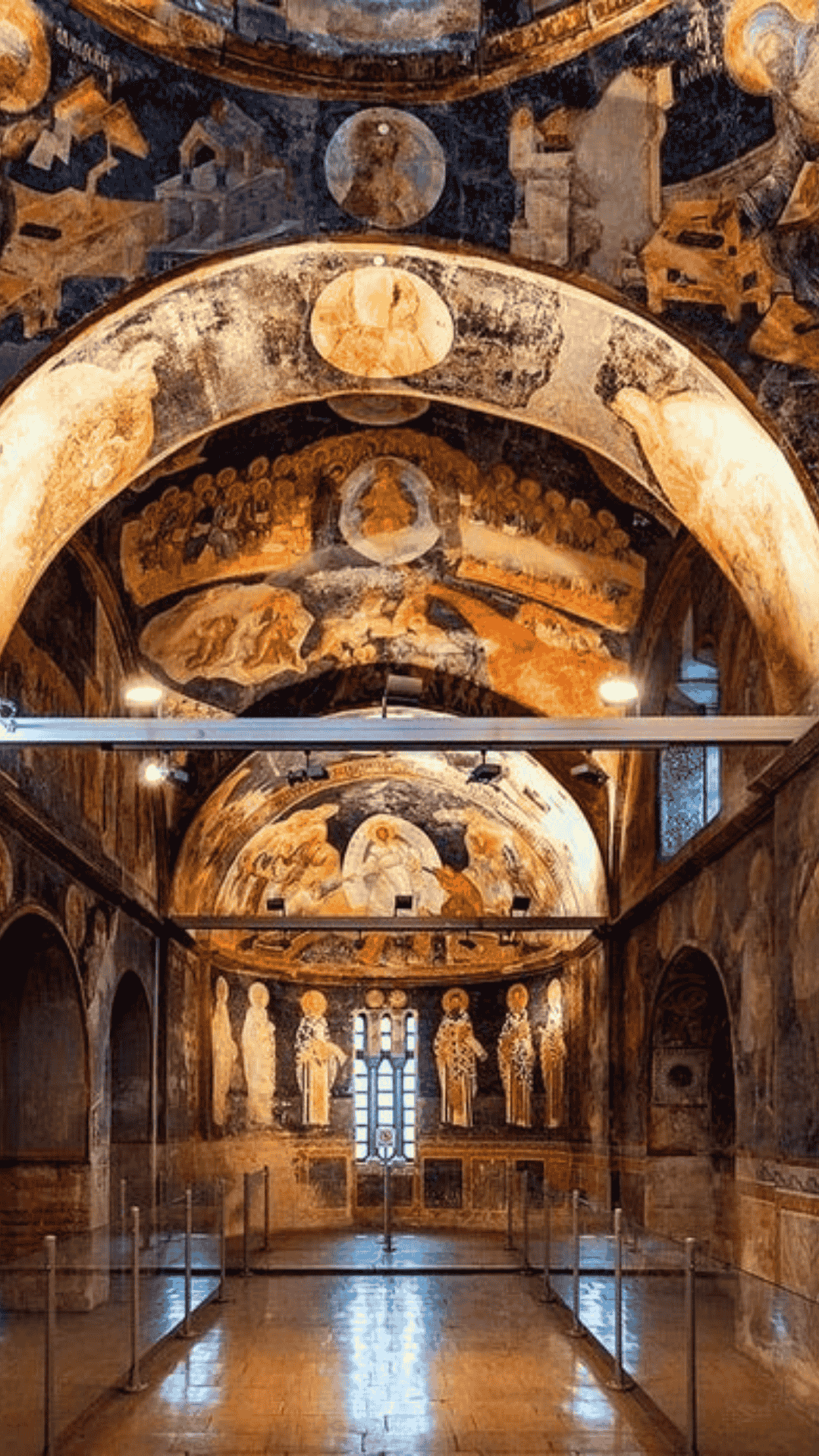
If you are a fan of 14th-century frescoes, Fethiye Museum should be on your list. The frescoes are the clearest reason many visitors seek out the site, and they give the museum a very different feeling from places visited only for their exterior. The decoration is not just beautiful; it helps explain why this building still matters so much to people interested in Byzantine art. For many visitors, that artistic focus is exactly the point.
It is also worth looking beyond the frescoes. Notice how the overall church architecture still shapes the experience of the space. The added grave chapel provides another layer of interest, especially if you like buildings that reveal their history through extensions and modifications instead of hiding them.
- Frescoes: the highlight for visitors interested in religious painting.
- Architecture: much of the original church form remains legible.
- Grave chapel: a 13th-century addition that deepens the story of the site.
How to Fit It into Your Istanbul Trip
Because it is so close to Kariye Mosque, Fethiye Museum makes the most sense as part of a themed outing rather than a rushed standalone stop. Seeing both on the same day is strongly recommended for anyone interested in former churches, frescoes, and the complicated afterlives of Byzantine monuments in Istanbul.
The museum also works well in a slower itinerary that includes Balat or the wider Golden Horn area. Instead of moving only between the most crowded landmarks, this route lets you spend time with places where the city's long history feels especially tangible. Before you go, it is sensible to check current visitor arrangements, since access conditions can change.
Final Thoughts
Istanbul Fethiye Museum may not be the first site visitors mention when planning a trip, but it rewards anyone with a strong interest in frescoes and layered history. The building's story moves from church to convent, from patriarchate to mosque, and then to museum, without losing the traces of what came before. If you are already planning time for Kariye, adding Fethiye Museum is an easy and worthwhile decision. It is especially appealing to visitors who prefer places that reward slow looking rather than hurried sightseeing.