
Political System of Turkey
At its core, Turkey’s political structure is based on constitutional rules that organize the state, its institutions, and the relationship between government bodies. The constitution sets the legal basis for how authority is exercised and how the country is administered.
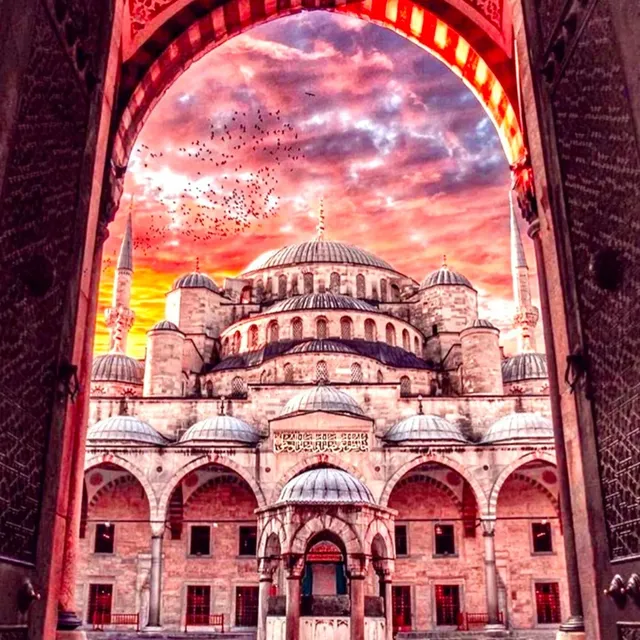
For travelers spending time in Istanbul, this background can add useful context to daily life in the city, from public ceremonies and election periods to the significance of major civic spaces such as Sultanahmet Square and Taksim Square. While this is a general overview, it highlights the core institutions described in the original source.
The Head of Turkey
The head of state is the President of the Republic and has a largely ceremonial role. The president is elected for a five-year term by direct elections. Executive power is exercised by the Prime Minister and the Council of Ministers that make up the government, while legislative power is vested in the unicameral parliament, the Grand National Assembly of Turkey.
This framework separates the main functions of the state among executive, legislative, and judicial institutions. In practical terms, the presidency represents the state, the government handles executive matters, and parliament is responsible for legislation through the Grand National Assembly.
The Council of State is the tribunal of last resort for administrative cases, and the High Court of Appeals for all others. These institutions form part of the broader judicial structure and are important to the legal functioning of the state.
The prime minister is elected by the parliament through a vote of confidence in the government and is most often the head of the party having the most seats in parliament. This reflects the role of parliamentary support in the formation of government.
Voting and Representation
Universal suffrage for both sexes has been applied throughout Turkey since 1933, and every Turkish citizen who has turned 18 years of age has the right to vote. This principle is a key part of political participation in the country and shapes how representation is formed through elections.
Elections and parliamentary representation are central to the way the system operates. Citizens vote directly, and the resulting balance in parliament influences government formation and political leadership. For readers looking for a broad reference, the overview on Britannica can provide additional historical context, while constitutional institutions are also commonly summarized on Wikipedia.
Constitutional Court
The judiciary is independent of the executive and the legislature, and the Constitutional Court is charged with ruling on the conformity of laws and decrees with the constitution. This makes the court an essential part of constitutional oversight.
The Constitutional Court can strip the public financing of political parties that it deems anti-secular or separatist, or ban their existence altogether. This gives the court a significant role in reviewing the constitutional limits of political activity.
Judicial independence is one of the defining elements of the constitutional framework described here. Alongside parliament and the executive, the courts help maintain the legal order established by the constitution.
Why This Matters for Visitors
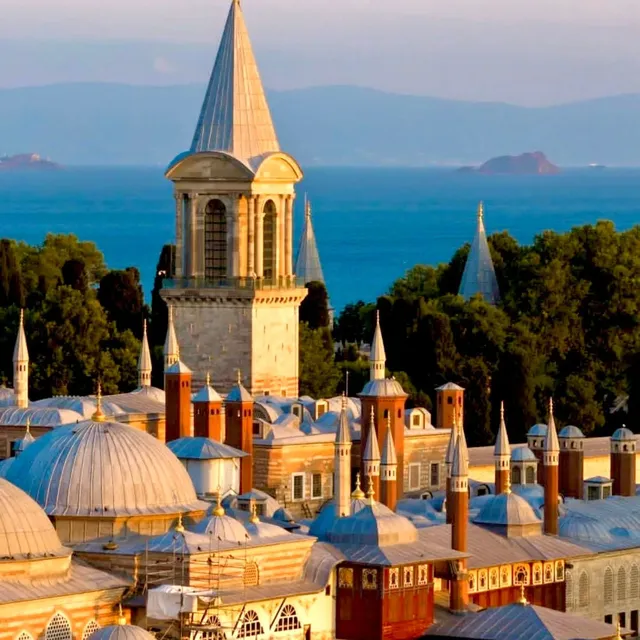
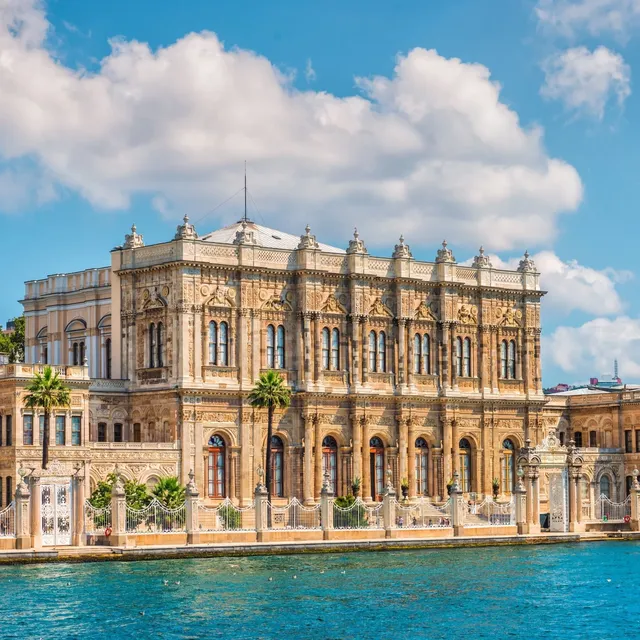
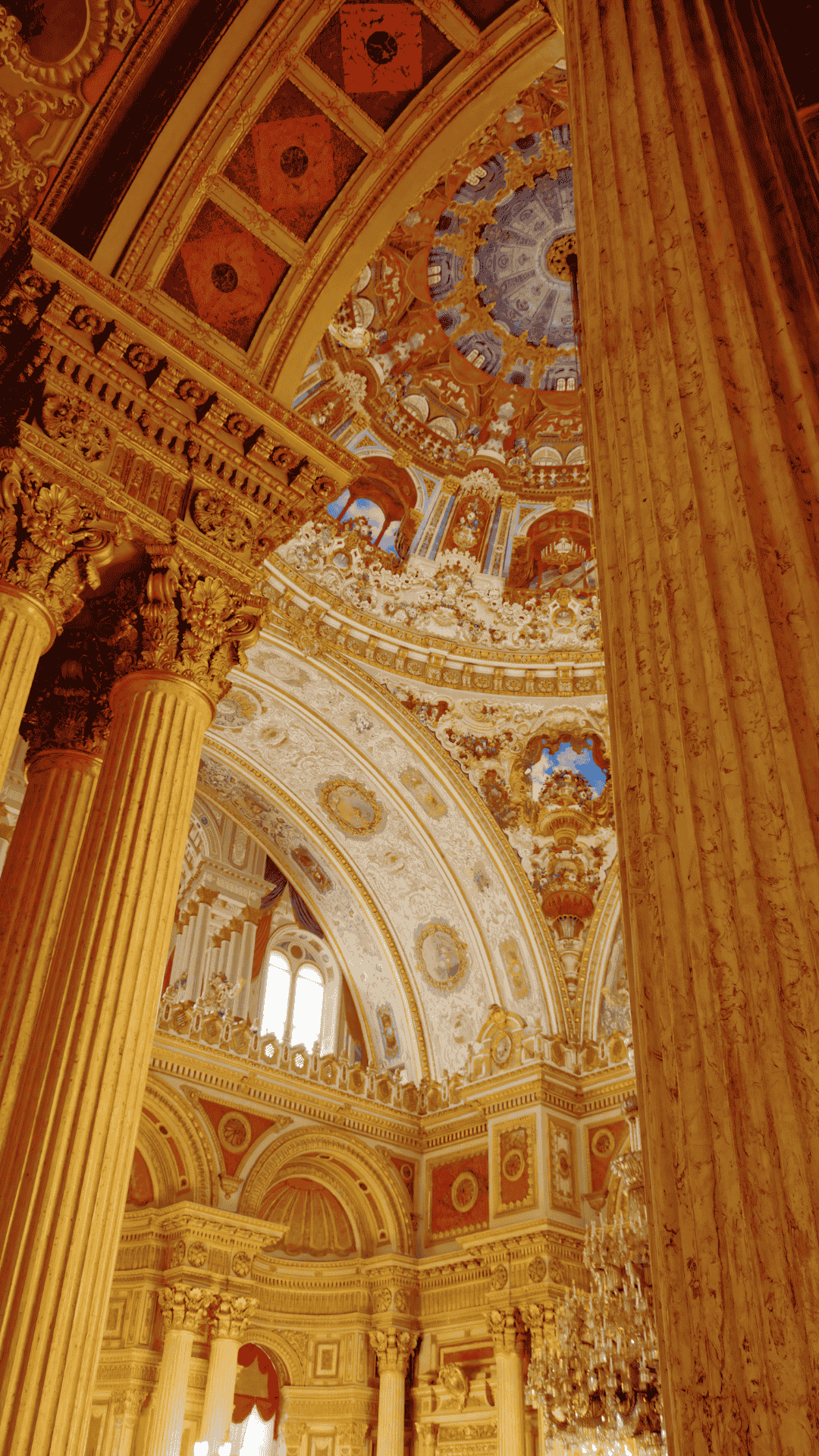
Most travelers come to Turkey for its culture, food, architecture, and history, yet a basic understanding of the country’s institutions can make that experience richer. In Istanbul, many of the city’s most important landmarks are closely tied to state history, imperial authority, and public life, including places such as Topkapi Palace and Dolmabahce Palace.
Knowing the outlines of the political system can also help visitors interpret current events, public discussions, and official ceremonies they may encounter during their stay. This article is not a legal guide, but it offers a concise introduction to the main institutions named in the source text.
Quick Summary
- Constitution: Sets the legal framework and main principles of government.
- State structure: Turkey is described as a unitary centralized state.
- President: Head of state, elected by direct vote for a five-year term.
- Executive: Exercised by the Prime Minister and Council of Ministers.
- Legislature: Vested in the unicameral Grand National Assembly of Turkey.
- Judiciary: Includes the Council of State, High Court of Appeals, and Constitutional Court.
- Voting rights: Universal suffrage for both sexes has applied since 1933; citizens aged 18 and over have the right to vote.
Source: Based on the original article source reference to Wikipedia.