Delightful Pleasure Under the Brilliant Dome
Experiencing turkish baths is one of Istanbul’s most memorable traditions. With their brilliant domes, embroidered walls, and attendants known as tellaks and natırs, these baths carry the atmosphere of the glorious Ottoman era. For both locals and visitors, the hammam remains a special place to relax, wash, and take part in a ritual that has shaped the city’s culture for centuries.
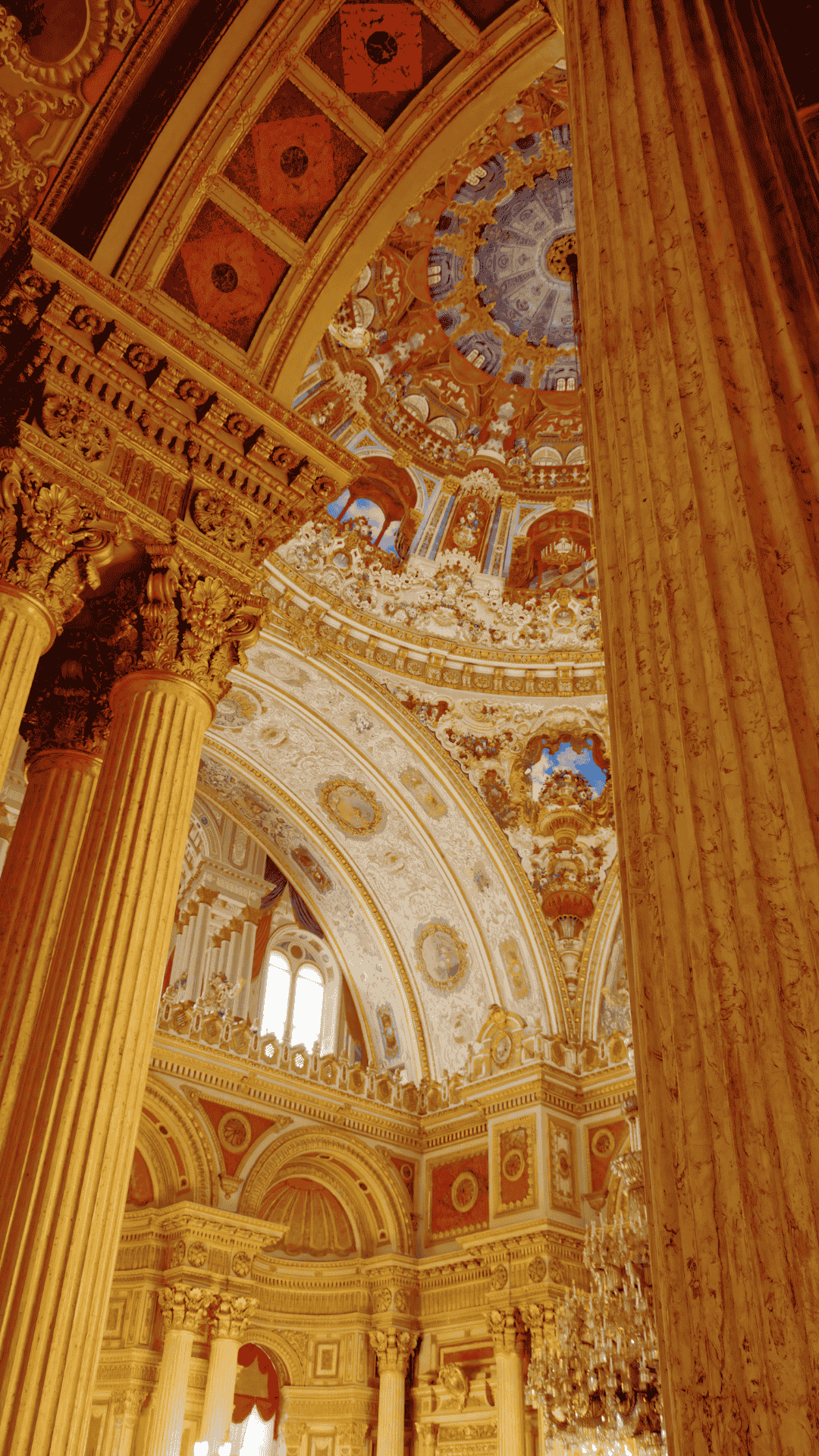
It all begins with curiosity. It seems strange never to have visited a Turkish bath when you grow up in a city and culture famous for them. What are these places like, renowned worldwide as “Turkish Baths”? They are enjoyed by natives and foreigners alike, have appeared in films such as The Turkish Bath (1997) directed by Ferzan Özpetek, and are even admired for their remarkable acoustics. If you are wondering what the experience feels like, get ready for delightful pleasure under the brilliant dome.
Before You Go
Before visiting, it helps to understand the background of the hammam. The word “hamam” means “to warm up” or “heat” in Arabic. Yet the roots of the bath tradition go back much further, to the Roman Age. After Bursa became the capital city, the Ottomans continued and transformed the bathing traditions of the Roman Empire and Byzantium. You can read more about the broader history of hammams on Britannica.
Turkish Baths After the Conquest of Istanbul
The Turkish bath became a strong tradition during the Ottoman period. After the conquest, baths were built across Istanbul. Records state that during the reign of Sultan Mehmet the Conqueror, 19 baths were built in the city, and Evliya Çelebi’s writings indicate that in the 17th century there were 168 bazaar baths in Istanbul.
Clearly, the bath tradition held an important place in the daily life of Istanbulites. It was also enriched by customs linked to special occasions.
In earlier times, bathing was not simply about washing. There were rituals around it. Preparations often started the day before: neighbors were informed, meals were prepared, and trays were filled with stuffed vegetables, pastry, and fruit.
Baths were especially important social spaces for women. Mothers chose brides, women chatted and gossiped, and entertainment with music often accompanied the gathering. Women also displayed their new jewelry and clothes. It was even said that women had the right to divorce if their husbands did not allow them to go to the bath twice a week.
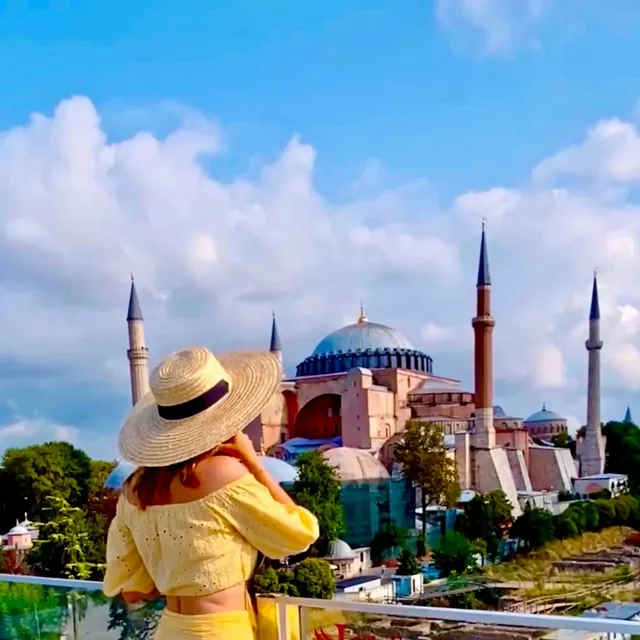
That older social tradition may no longer be followed in the same way, but Turkish baths still attract strong interest from both locals and international visitors. If you are exploring the old city, many baths are also within easy reach of landmarks such as Sultanahmet Square, Hagia Sophia, and Grand Bazaar.
This Is Called “Heat”
As soon as you step through the outer door of a bath, you feel a slight heat on your face. After leaving your belongings in the changing room, you put on the loincloth called peştamal and special slippers known as takunya, then move deeper into the bath proper. The first target is the heat room, the warmest part of the hammam.
The heat room is usually an octagonal space with a marble platform about 50 cm high, heated from below. This central stone is called the göbek taşı. You lie down there to relax your muscles and prepare your skin for the rub. It may feel too hot at first, but your body adjusts quickly. Soon your bones feel warm and your body starts to release tension.
In other parts of the heat room are special sections called halvet, or private rooms. In these spaces, you may find marble basins used for personal bathing. You can be soaped and washed at the kurnas, the traditional basins of the bath.
Still, the main event of a Turkish bath is the rubbing process. You lie on the heated marble while the natır—the female bath attendant—or, for men, the tellak, rubs your skin until your body feels deeply relaxed. Then comes soaping and massage. By the end, you feel clean and purified, as if everyday burdens have evaporated in the steam.
After the bathing episode is completed, a pleasant laziness often follows. There is no need to hurry. You may stay in the heat room as long as you wish. Many people enjoy extending the moment with an icy soda water before returning to the changing area.
After the Bath
Once the bathing is over, it is time to go. The old proverb says, “Who goes into a bath, gets sweaty.” Its meaning is simple: if you set out to do something, you should be ready to face its difficulties. Going into a bath and sweating may seem challenging at first, but you get used to it very quickly.
After around 2 hours of bath pleasure, you will likely feel very thirsty. When you step outside with pink cheeks, you may also notice just how relaxed you have become. And once you return home, a sweet sleep usually follows.
If you want to include this experience in a wider cultural itinerary, a hammam visit pairs well with nearby historic sites such as Suleymaniye Mosque or a walk through old Istanbul.
Popular Turkish Baths in Istanbul
There are many Turkish baths in the city, and some hotels also have their own hammams. For current prices, package options, and any updated opening hours, it is best to check the official site or contact the venue directly.
Cağaloğlu Hamam
The architect who built this bath on behalf of Sultan Mahmud I is not known. The bath reflects a harmony of Baroque style and Ottoman architecture and, like Çemberlitaş Bath, was designed as a double bath.
It is open for women from 08.00 am to 20.00 pm and for men from 08.00 am to 22.00 pm.
- Address: Prof. İsmail Gürkan Av. No: 34 Cağaloğlu – Eminönü
- Ph: +90 212 522 24 24
Süleymaniye Hamam
Süleymaniye Bath, designed by Mimar Sinan, is part of the complex including Suleymaniye Mosque. The bath includes a lodge built for Sultan Süleyman the Magnificent and today runs as a touristic establishment where women and men may bathe together.
- Address: Mimar Sinan Av. No: 20 Süleymaniye
- Ph: +90 212 520 34 10
Galatasaray Hamam
Galatasaray Bath, built in 1715 as a mosque bath open to the public, has classic Turkish architectural style. Located in a central part of Istanbul, it attracts strong interest from tourists and is open for women from 08.00 am to 19.00 pm and for men from 07.00 am to 22.00 pm.
- Address: Turnacıbaşı St. No: 24 Galatasaray
- Ph: +90 212 252 42 42
Çinili Bath
Built in 1640, this bath takes its name from Çinili Mosque. There are two separate sections for women and men. The women’s section serves from 08.00 am to 19.30 pm and the men’s section serves from 07.00 am to 22.00 pm every day.
- Address: Murat Reis Mahallesi Çavuşdere Av. Üsküdar
- Ph: +90 216 553 15 93 (men section), +90 216 334 97 10 (women section)
Büyük Hamam
Büyük Hamam, built in 1533, is in Kasımpaşa. Built by Mimar Sinan, the bath has two separate sections for women and men. The women’s section is open from 08.00 am to 20.00 pm. The men’s section opens with the morning prayer and closes at 22.30 pm.
- Address: Potinciler St. next to Büyük Mosque, Kasımpaşa
- Ph: +90 212 253 42 29
Çemberlitaş Hamam
This bath, commissioned by Nurbanu Sultan, the mother of Sultan Murad III, was designed by Mimar Sinan in 1584. In its double-bath plan, there are two identical sections, one reserved for women and the other for men. Çemberlitaş is open every day between 06.00 and 24.00.
- Address: Vezirhan Av. No: 8 Çemberlitaş – Eminönü
- Ph: +90 212 520 18 50
Ağa Hamam
Ağa Bath was built in 1454 and is in Beyoğlu. The bath is open every day except Sunday.
- Address: Turnacıbaşı St. – Cihangir
- Tel: +90 212 249 50 27
Bibliography
Türk Hamamı, Orhan Yılmazkaya, Çitlembik Publications, 2002, İstanbul