The church takes its name from Saint Irene, who was associated at the time with the spread of Christianity. According to the story, a group of pagans tried to kill Saint Irene by first throwing him into a well full of snakes and later dragging him over the ground while stoning him.
Yet despite these efforts, Irene miraculously survived. After witnessing these supernatural events, many of the pagans converted to Christianity, and Irene came to be regarded as a saint by the people. Emperor Constantine, who promoted Christianity as the single religion of the Roman Empire, named the church after this saint.
History of St Irene Church Istanbul
St. Irene was first built from wood, but it burned down during the Nika Revolt of 532. Later, Emperor Justinian had St. Irene restored together with Hagia Sophia. Even after that rebuilding, the structure suffered further damage from fires and earthquakes over the centuries.
Fortunately, the church was renovated whenever it was damaged. After the conquest of Constantinople, it remained within the walls of the Topkapı Palace courtyard. For a long period, St. Irene was used as a weapons depot, and in 1869 it was converted into a museum.
In this role, it became the first museum of the Ottoman Empire and continued to serve as a museum for many years. This alone makes it an important stop for travelers interested not only in Byzantine history but also in the development of museum culture in Istanbul.
Why St. Irene Is Architecturally Unique
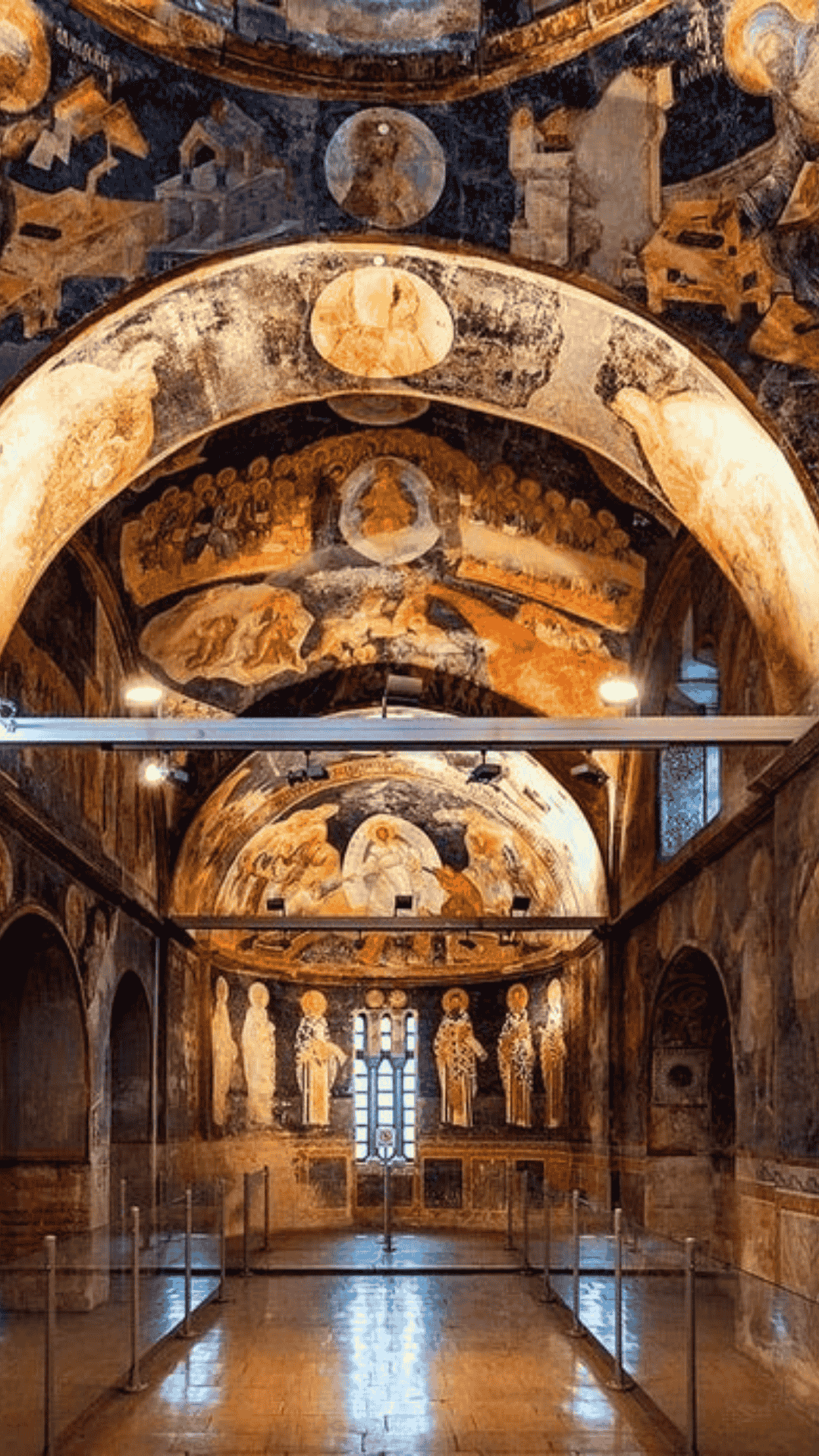
St. Irene is especially notable because it is the only surviving church today with an atrium. In other words, it includes an open forecourt lit from above through small windows, a feature that makes the building stand out among Istanbul’s historic churches.
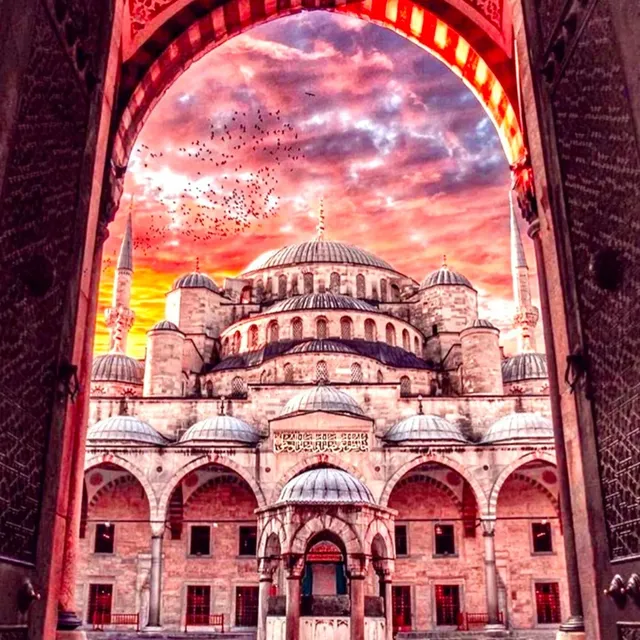
Its atmosphere feels restrained and ethereal rather than heavily ornamented, and that quiet character is part of its appeal. Visitors interested in the layers of Byzantine architecture in the city may also want to compare it with landmarks around Sultanahmet Square, where several of Istanbul’s major imperial monuments stand close together.
Visiting St. Irene Church
This remarkable building can only be toured with special permission, which can be acquired at the Hagia Sophia Museum, according to the original guidance. As access rules may change over time, it is best to check current visitor information before planning your visit.
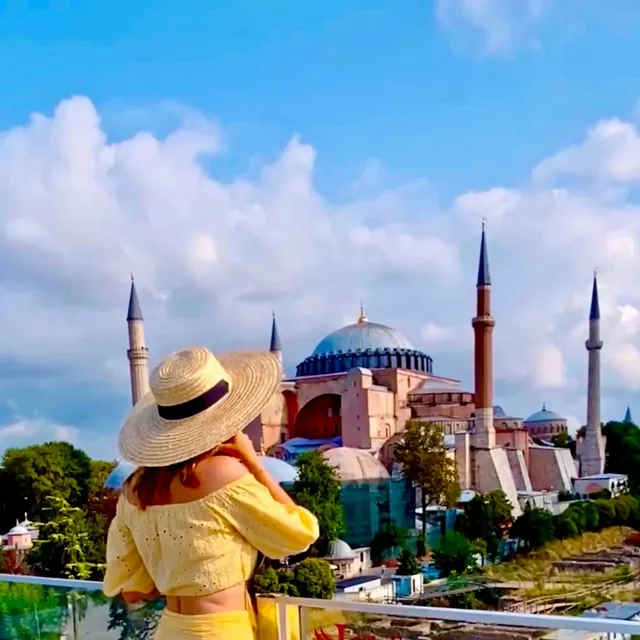
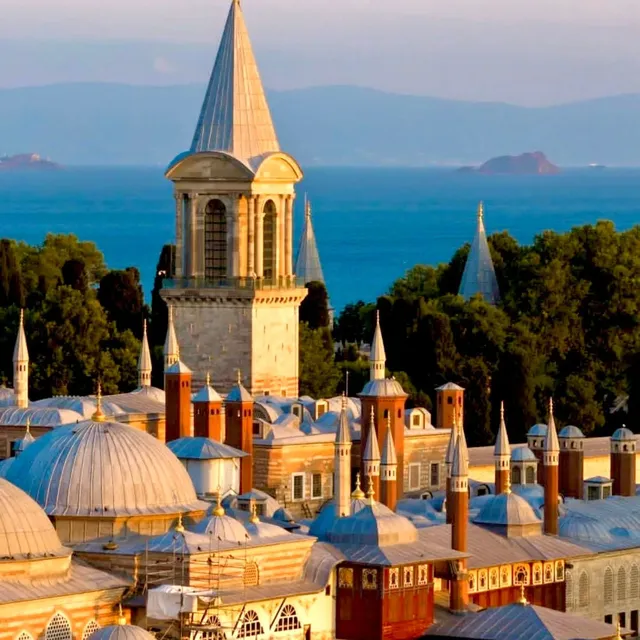
Because St. Irene stands inside the historic palace area, it is easy to combine with nearby highlights such as Topkapi Palace and Hagia Sophia. For broader historical context on the monument, you can also consult resources like Wikipedia or official tourism references such as GoTürkiye.
Concerts and Cultural Events at St. Irene
Thanks to its extraordinary acoustics, St. Irene often hosts concerts and cultural or artistic events. The church’s interior has long been appreciated as a performance space, giving the building a living cultural role beyond its historical importance.
If you are planning a trip and do not find a concert scheduled at St. Irene, there are still countless other events and experiences to enjoy across Istanbul. Even so, when a performance is held here, it offers a memorable way to experience one of the city’s most unusual historic spaces.
What to Know Before You Go
- Location: St. Irene is within the Topkapı Palace complex area.
- Historical significance: It is among the oldest Byzantine churches in Istanbul.
- Museum legacy: It became the first museum of the Ottoman Empire in 1869.
- Special feature: It is the only surviving church with an atrium.
- Best tip: Check current access conditions and event schedules before visiting.