Invasion and Armistice in Istanbul
On April 11, the Parliamentary Assembly was closed. About 150 politicians were exiled to Malta. During this period, several secret organizations were formed in Istanbul and started agitating for freedom. Patrolling Society, Mim Group and National Defense organization were among the most influential secret organizations in the city at that time. They organized demonstrations and carried out activities such as the handover of arms, soldiers and munitions, as well as the exchange of secret information.
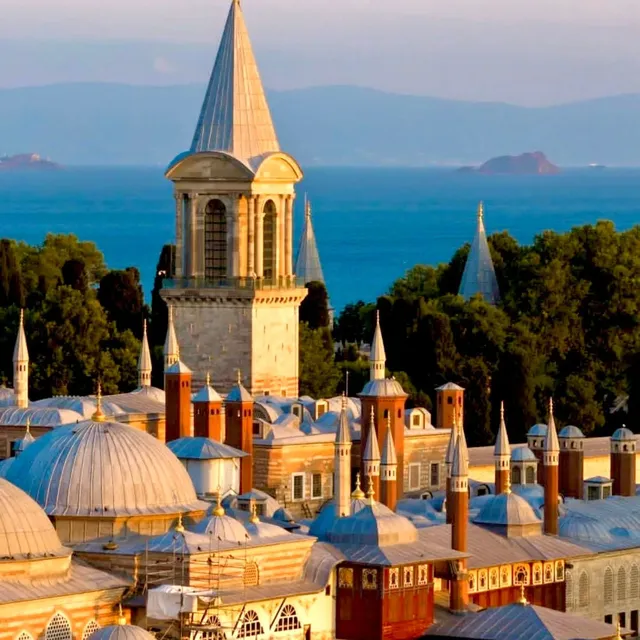
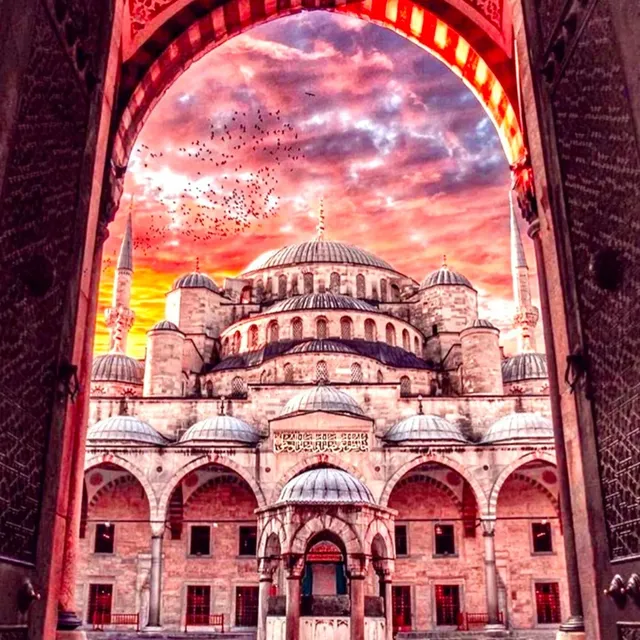
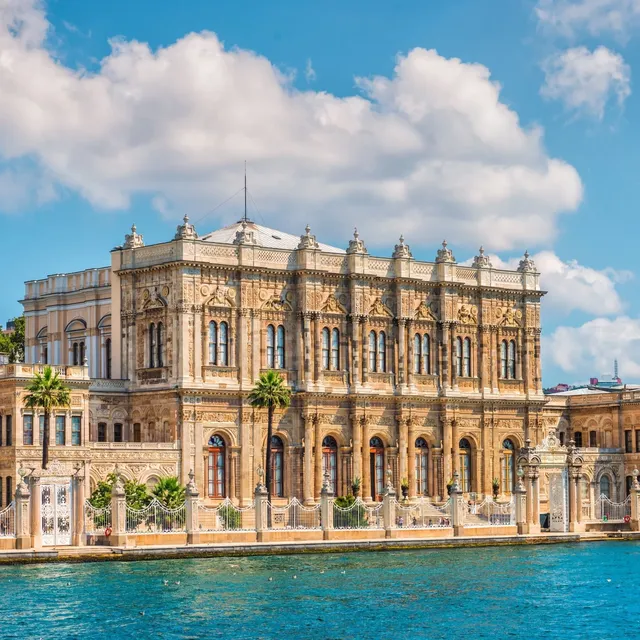
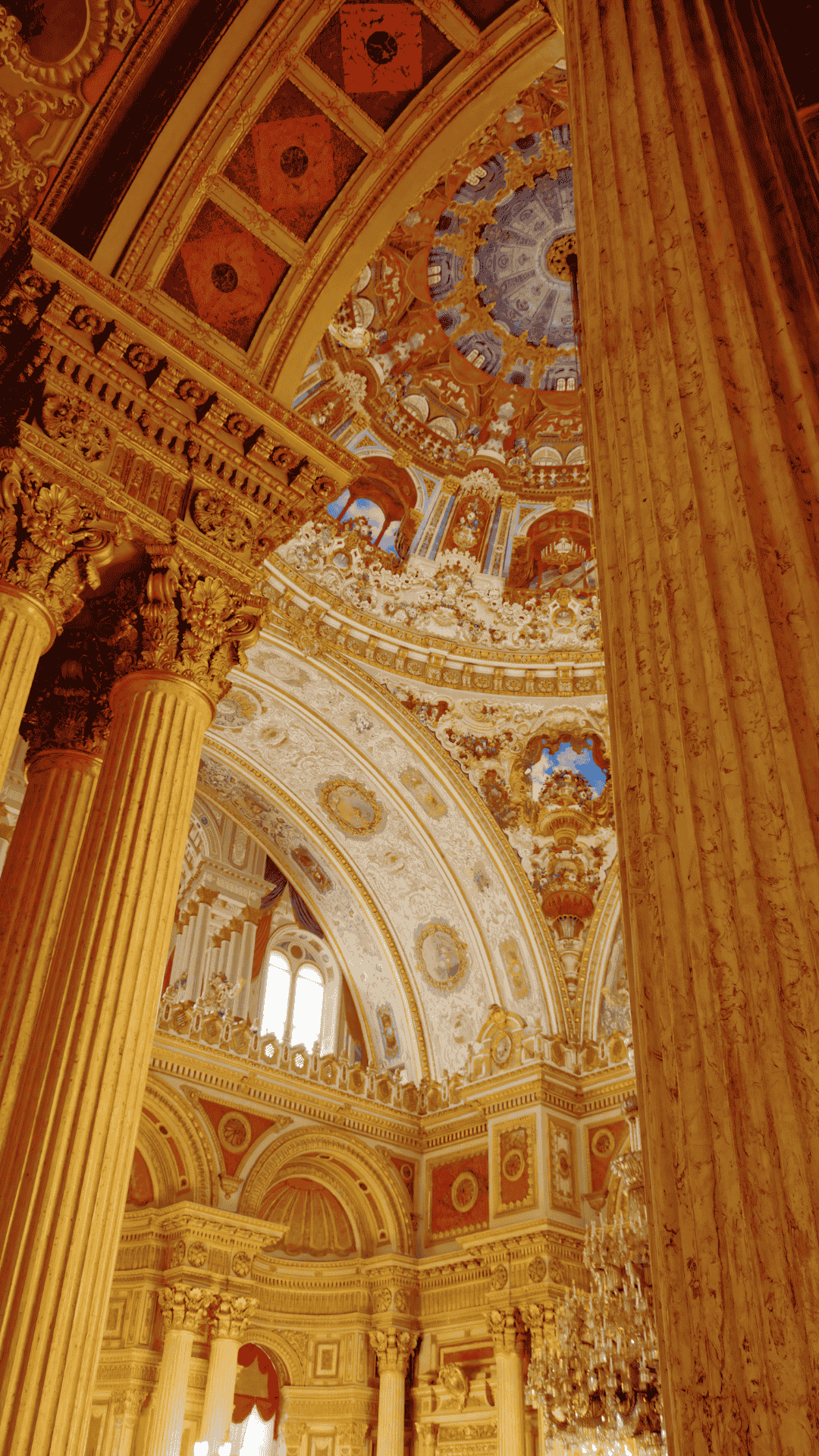
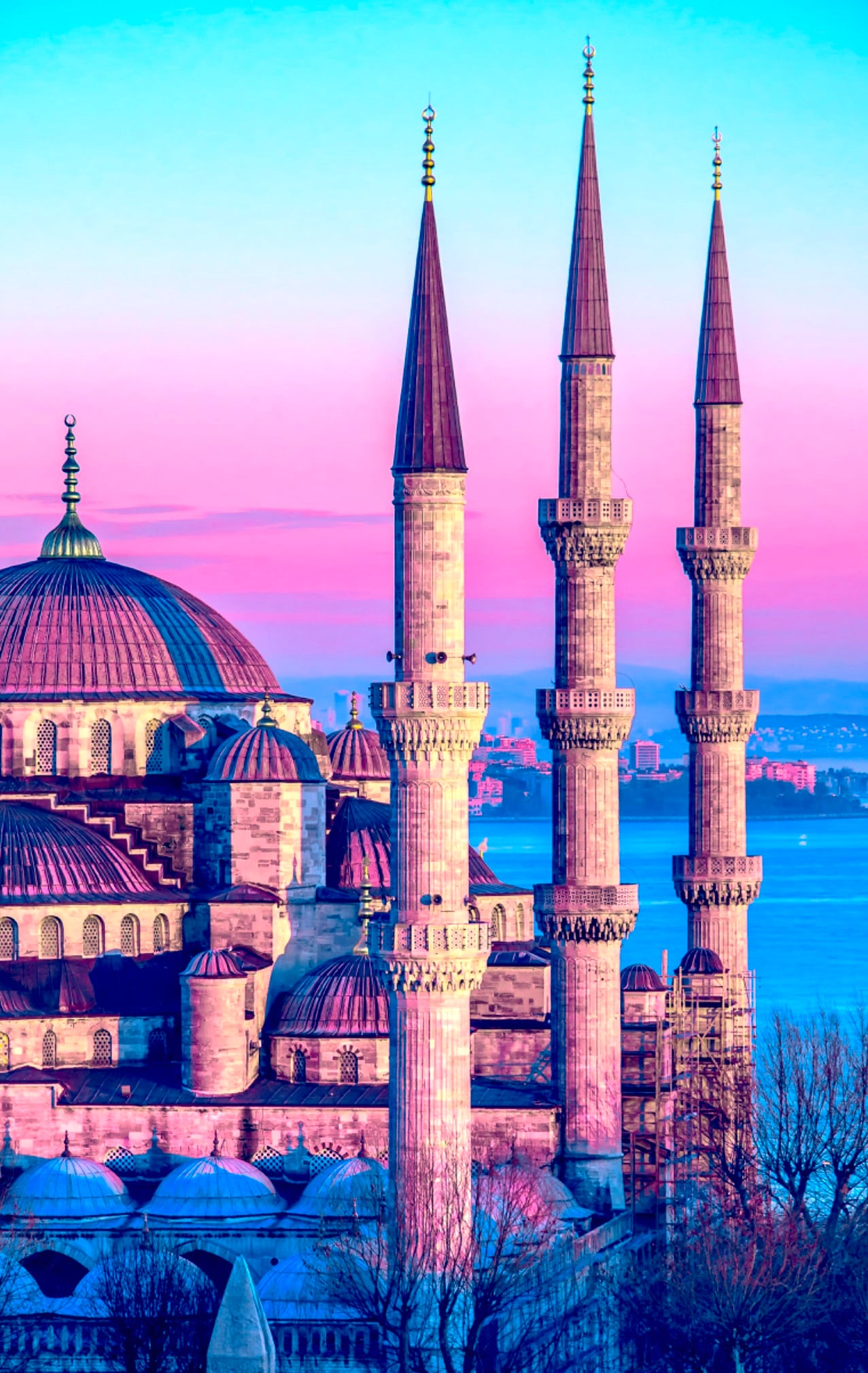
This period unfolded in a city whose monumental heart still stood as a witness to imperial history. Areas around Sultanahmet Square, along with landmarks such as Topkapi Palace and Dolmabahce Palace, remained central to the political and symbolic life of Istanbul during these years.
The Road to Liberation
On October 9, 1920, Turkish soldiers entered Izmir’s boundaries led by supreme national leader Mustafa Kemal Atatürk. This event started the independence process for Istanbul. With the Mudanya Agreement signed on October 11, it was agreed that the invading forces would leave Thrace gradually. The Turkish Grand National Assembly, which convened in Ankara, declared the Ottoman dynasty abolished on November 1, 1922. Therefore, even though Istanbul remained the legal capital until October 1923, it was no longer the actual capital. On November 16, Sultan Vahdettin left Istanbul.
End of the Occupation
On November 4, 1923, Istanbul was completely free of invading forces. Thus, the second invasion of Istanbul by Europeans after the Latin invasion of 1204 came to an end.
For broader historical context, readers can consult references on the history of Istanbul and the occupation of Constantinople. These sources help place the city’s invasion and armistice years within the longer history of Istanbul.
Why This Period Matters
The invasion and armistice years reshaped Istanbul politically and symbolically. They marked the closure of one era and the transition to another, as authority shifted away from the Ottoman center toward the new national movement in Ankara. The occupation, the exile of politicians, the activity of underground organizations, and the eventual withdrawal of foreign forces all became defining elements of the city’s twentieth-century memory.
FAQ
When was Istanbul occupied during this period?
Istanbul was fully occupied in March 1920. According to the text, the general invasion was triggered on the night of March 15, and by late morning the city was completely under control of the invading forces.
What happened to the Parliamentary Assembly?
The Parliamentary Assembly, which had reconvened in January 1920, was raided by English soldiers during the occupation. It was later closed on April 11, and around 150 politicians were exiled to Malta.
Which groups resisted during the occupation?
Secret organizations in Istanbul played an important role during the occupation years. The Patrolling Society, Mim Group and National Defense organization were among the most influential, organizing demonstrations and supporting the transfer of arms, soldiers, munitions and information.
When did Istanbul become free of invading forces?
Istanbul was completely free of invading forces on November 4, 1923. This marked the end of the second European invasion of the city after the Latin invasion of 1204.